Newsletters


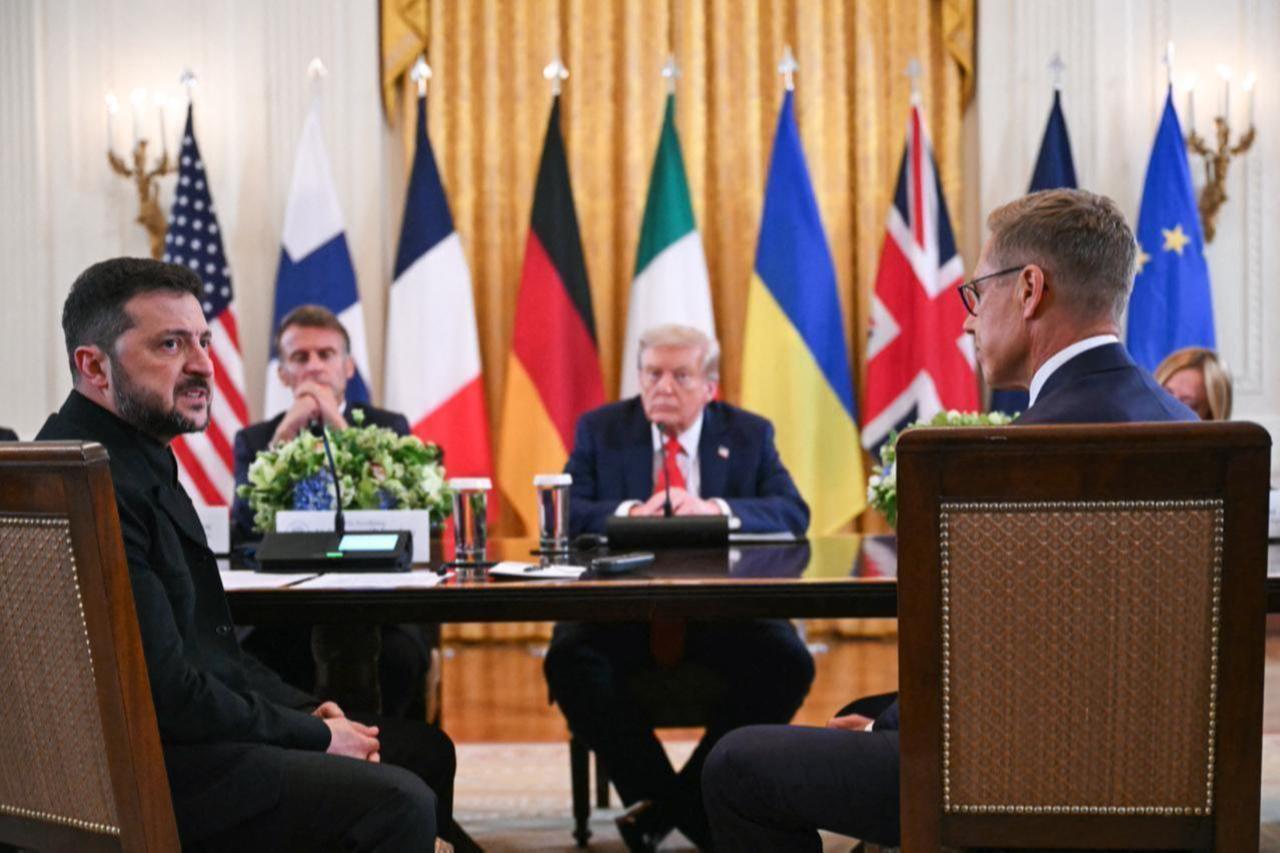


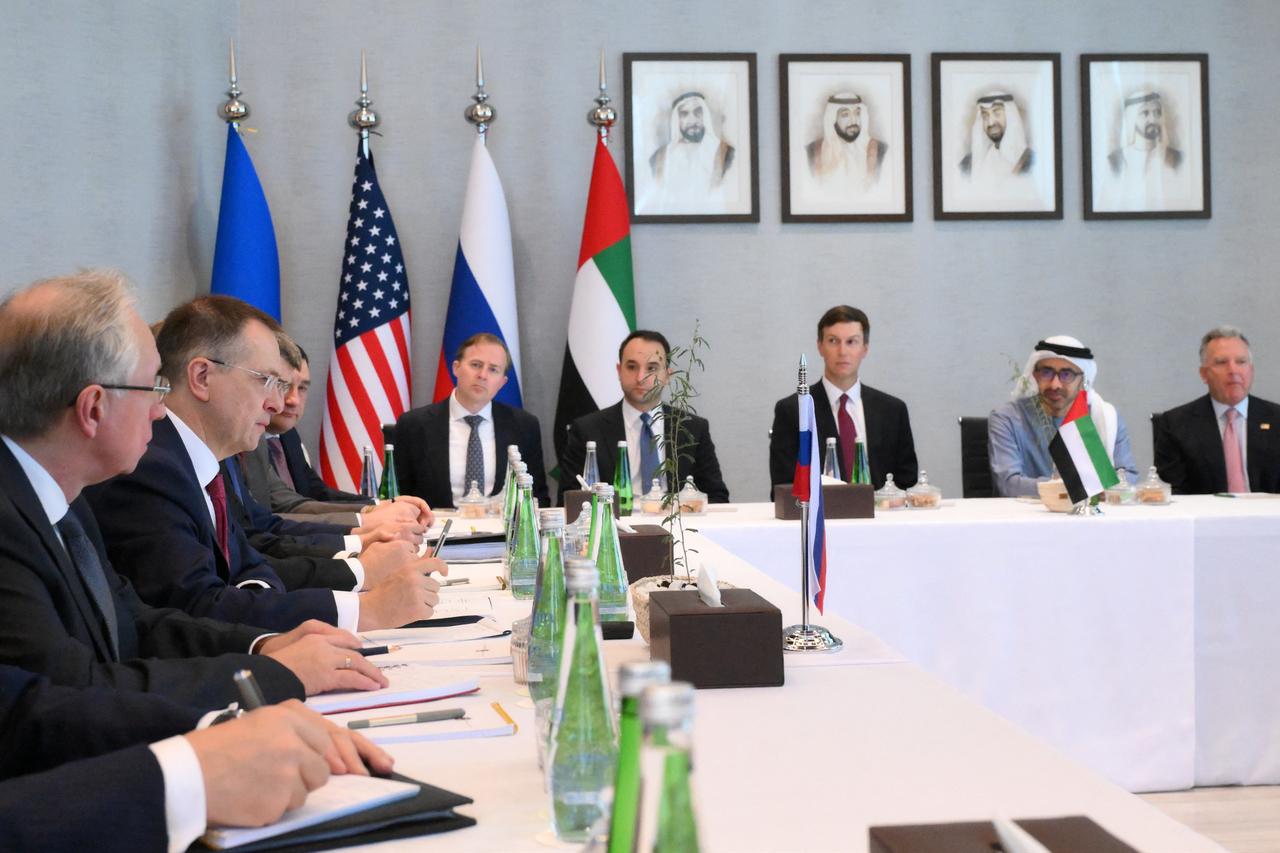
NATO Secretary General Mark Rutte said Wednesday that the United States, Ukraine and Europe are “aligned and united” after two days of US-mediated talks in Abu Dhabi, and that it is now up to Russia to show it is serious about ending the war.
Rutte spoke to reporters during a visit to Norway after consulting the NATO team that attended the Abu Dhabi meetings. “Clearly we have to see that the Russian side is willing to play ball,” he said.
US envoys Steve Witkoff and Jared Kushner will travel to Moscow on Thursday to meet Russian President Vladimir Putin. They will then fly to Dublin, where Ukrainian President Volodymyr Zelensky will attend European meetings, to brief him on the outcome.
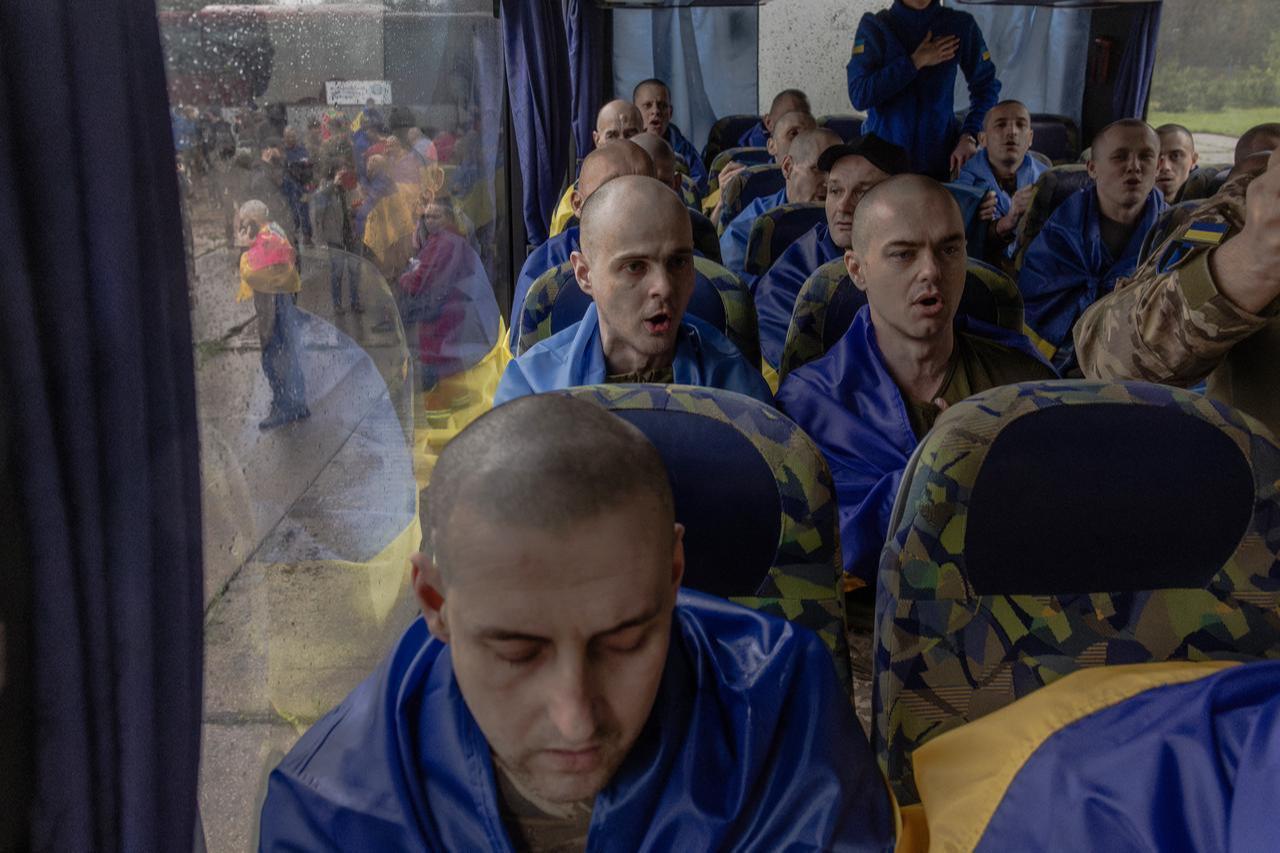

The delegations agreed in Abu Dhabi to a large prisoner exchange, which Kushner described as the “biggest” ever. None of the sides gave figures.
The talks were the first since February, when the US war in Iran halted diplomacy, according to the source material. All sides spoke of progress and said negotiations would continue, though Ukraine’s chief negotiator, Rustem Umerov, cautioned that “significant differences remain.” He said there was “still a lot of difficult work ahead, but there are opportunities to continue the negotiation process.”
Kushner said the Moscow meeting would review the Abu Dhabi discussions and try to advance some of the issues raised, because the US side sees “openings and some opportunities.” With Zelensky, the envoys will explore further ideas developed during the talks. Kushner declined to say where the two sides might reach agreement, saying only that there were areas where compromise seemed possible and others needing more discussion. He called the talks “a good first step.”
Kyrylo Budanov, an aide to Zelensky who took part in the talks, said the negotiations were “not easy” and that Ukraine’s main goal is a “just and lasting peace as soon as possible.”
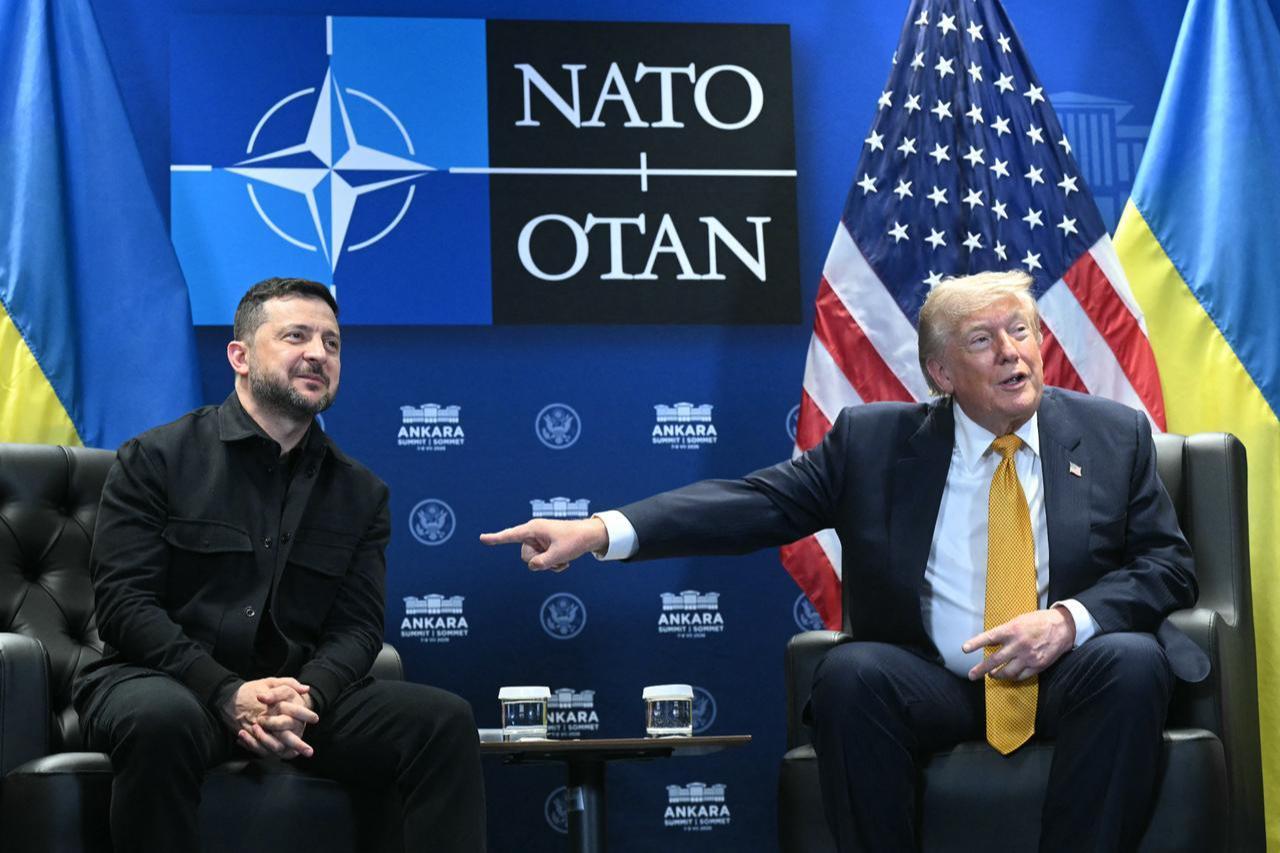
The talks also exposed deep divisions over whether Europe should have a seat at the table. Officials from Britain, France, Germany and Italy, along with representatives of NATO and the European Union, traveled to Abu Dhabi for meetings on the sidelines.
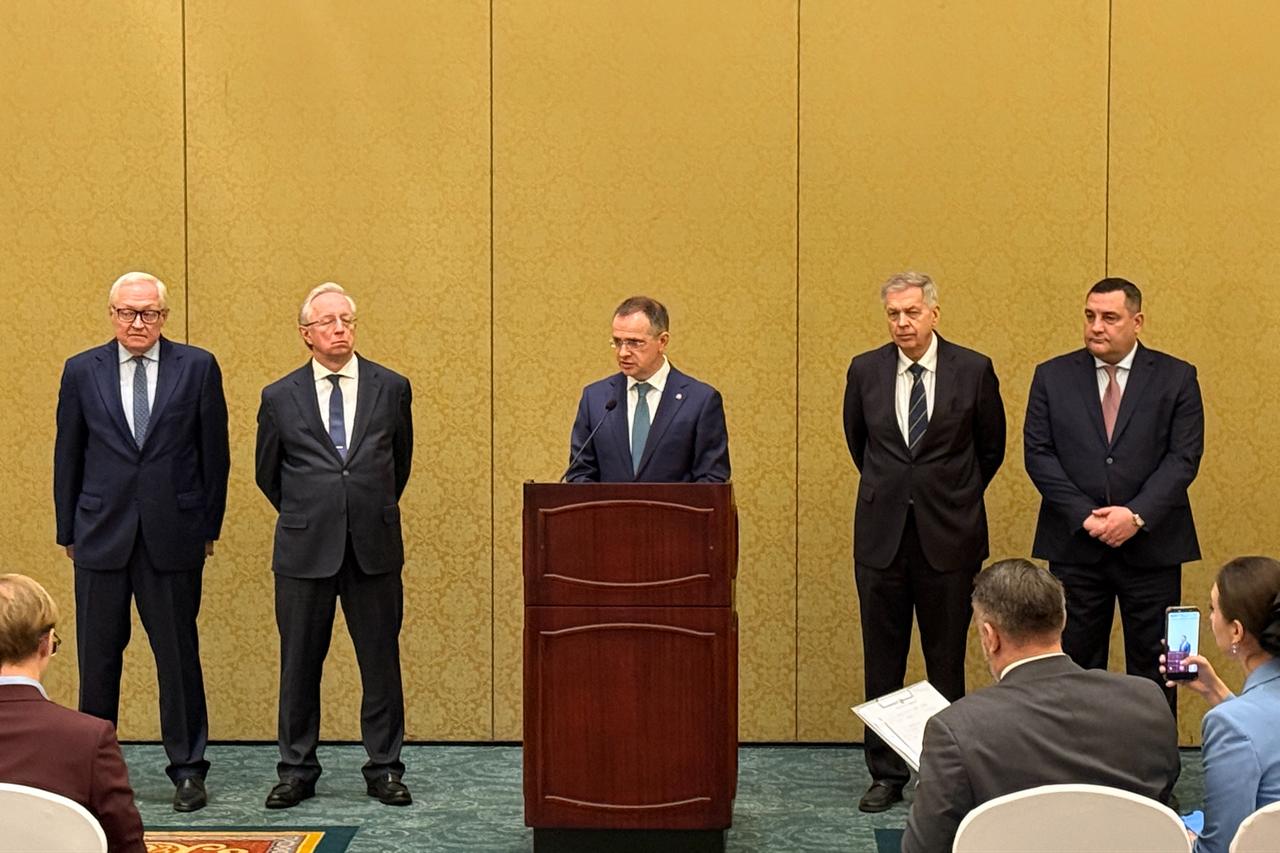
Russia’s delegation chief, Vladimir Medinsky, said discussions would continue but questioned Europe’s inclusion. “We don’t really understand what there is to talk about with them,” he said, claiming Moscow had received no concrete peace proposal from European countries. He later told Russian television that Moscow’s aim is a “new, modern Yalta and Potsdam.”
The reference is to the 1945 conferences at which Western leaders and Soviet leader Joseph Stalin shaped the postwar order in Europe. Ukraine has warned against such an outcome, calling it a “Yalta 2.0,” and has pressed for a larger role for its European backers.
Kushner said finding ways to “get the Europeans added to the format” would be on the agenda with Putin. He also urged Europe to “identify one person to speak on their behalf” in the negotiations.
 1 min read
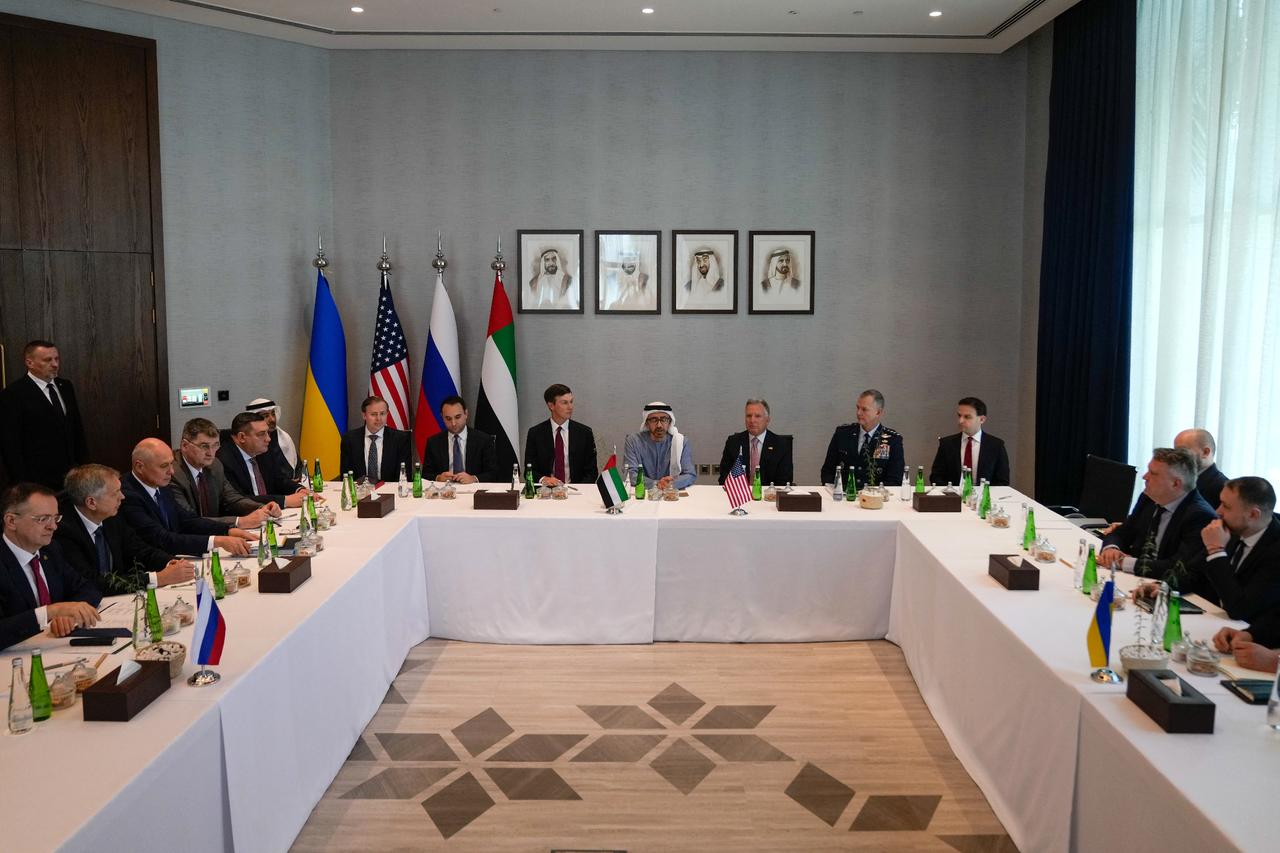
Europe has been unsettled by US President Donald Trump’s proposal for a deal with Russia on rewriting Europe’s postwar security arrangements. European governments fear Washington could press Kyiv to accept a peace that heavily rewards Moscow.
Kushner said Tuesday that the United States hopes to “create a new framework” of security among Ukraine, Russia and Europe that would secure “decades, if not centuries, of peace.”
Russia is demanding that Ukraine withdraw from parts of eastern Ukraine that it still controls. It also wants a sweeping agreement on “Europe’s security architecture,” widely seen as a reference to its long-standing demands that NATO pull back in eastern Europe and that Western military support for Kyiv end.
Ukraine says a ceasefire must come before any discussion of territory or future security arrangements, and it has called for a direct meeting between Zelensky and Putin on the biggest issues. Putin has ruled that out, though the Kremlin has invited Zelensky to Moscow. Germany said Wednesday that Russia must halt the war before any talks on European security can take place.
Russia invaded Ukraine in February 2022 in what has become Europe’s deadliest conflict since World War II. Hundreds of thousands of people have been killed, and millions more have fled the fighting in eastern and southern Ukraine, where large areas have been devastated by sustained aerial bombardment.


 Set as preferred source
 Set as preferred source


 1 min read