Newsletters


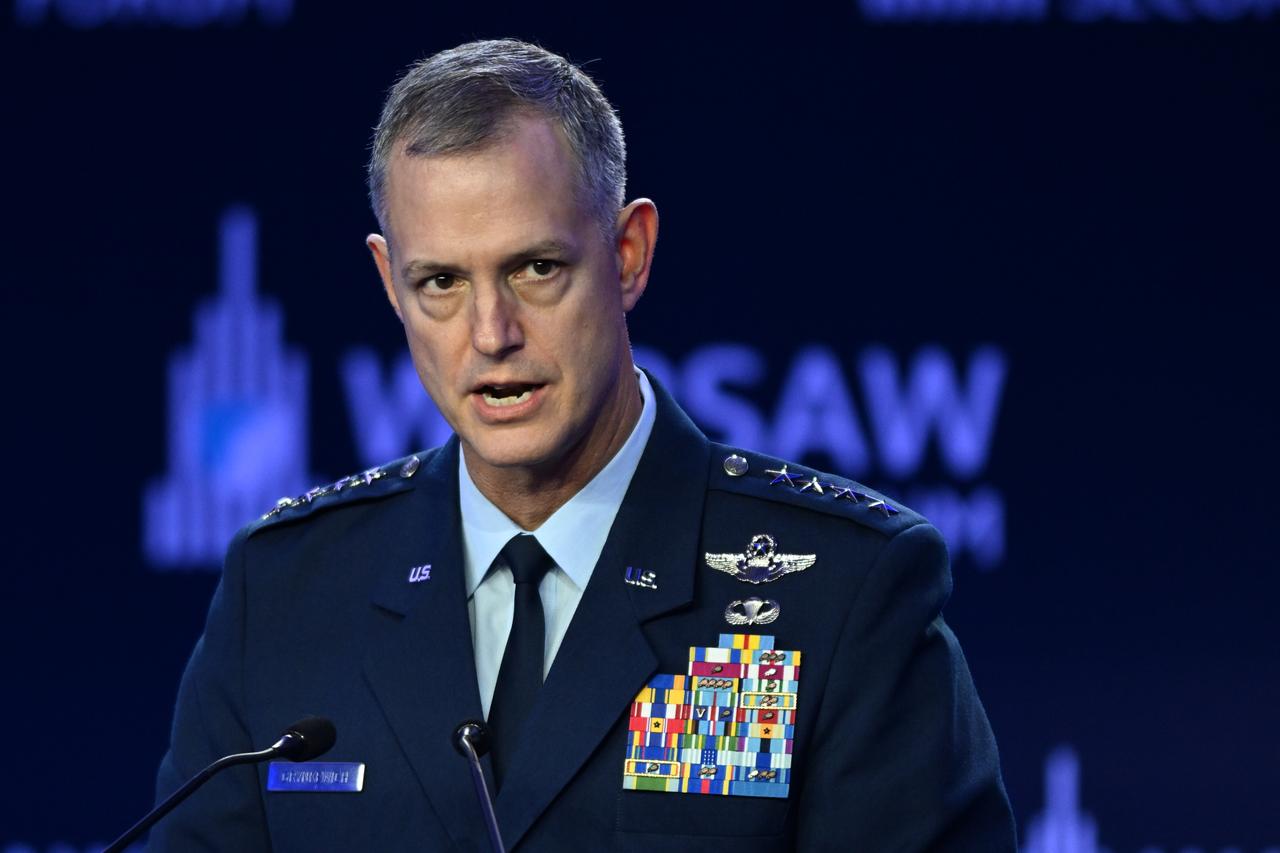


NATO’s top military commander warned Monday that any attack on the alliance would be made “utterly futile,” outlining a new “theory of victory” designed to block, blunt and, if necessary, break the military system behind an assault.
Speaking at the Warsaw Security Forum 2026, NATO Supreme Allied Commander Europe Gen. Alexus Grynkewich said the alliance remained defensive and had no plans or objectives beyond protecting its people and territory.
But he warned that NATO’s defensive posture should not be mistaken for weakness or a lack of resolve.
“If someone is foolish enough to attack us, we will fight,” Grynkewich said. “We will stop the attack and deny them the ability to achieve their objectives.”
“We will, in short, ensure any attack, against any ally, proves utterly futile.”
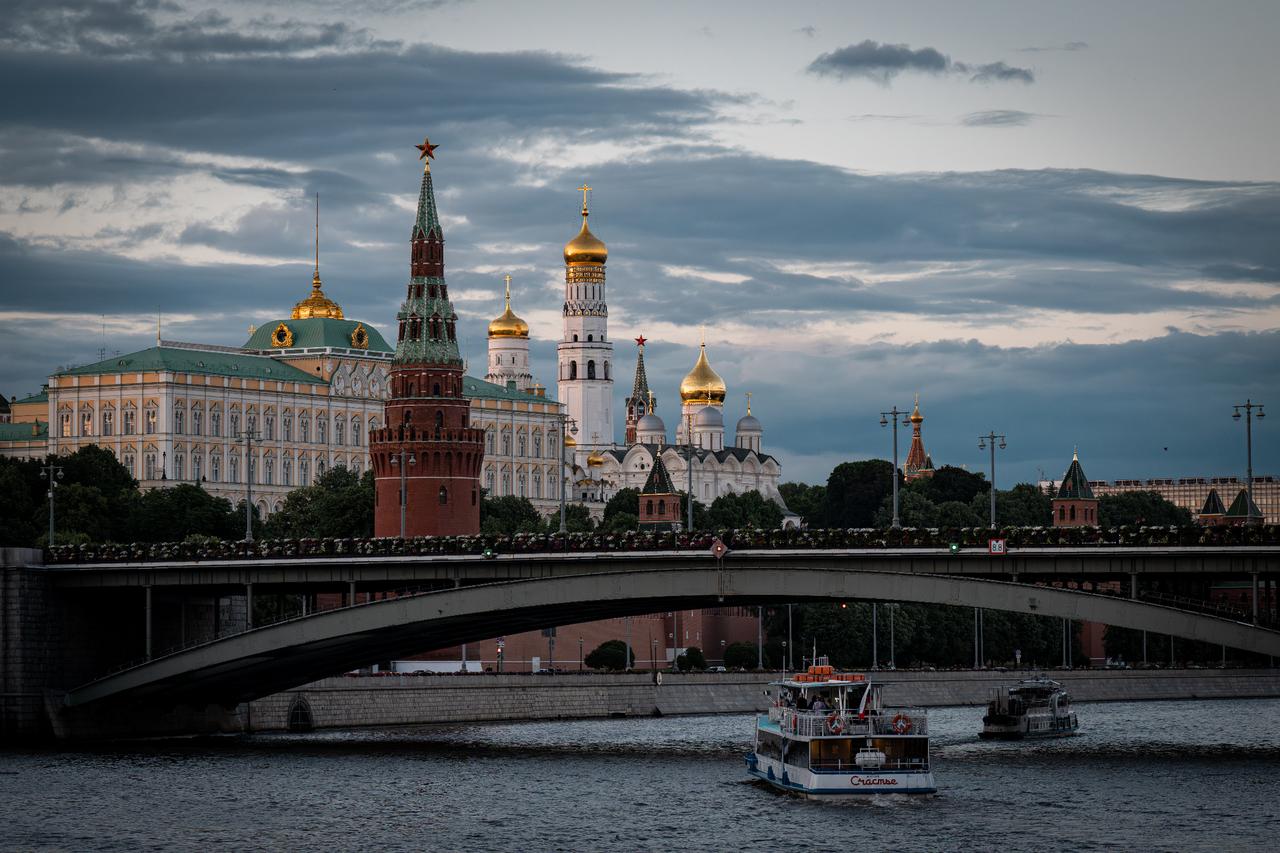
Grynkewich did not name Russia in his speech, but Reuters reported that his warning came amid heightened tensions between European countries and Moscow.
Grynkewich said all 32 NATO allies had embraced a common “theory of victory,” although the alliance does not currently expect a conflict in the near term.
Deterrence, he said, requires readiness for war and planning not only for the most likely scenarios but also for those that remain possible.
The concept begins by blocking an attack. If the assault continues, NATO would blunt its impact and prevent the attacking force from advancing.
If necessary, the alliance would then move to break the forces and operational warfighting system being used against NATO.
“Should the adversary choose to press the attack or commit his reserves, we will break the warfighting system engaged against us,” Grynkewich said.
“This includes not just the attacking force itself, but anything and everything that supports, sustains, and controls that force.”
He stressed that NATO was not seeking the strategic defeat of an adversary, but rather to stop an attack and prevent an aggressor from seizing and holding allied territory.
Any forces used against NATO would be defeated at the tactical and operational level only to the extent required to stop the attack, he said.
Grynkewich also said NATO had no intention of escalating a conflict, arguing that responsibility for any escalation would rest with the aggressor.

Grynkewich said NATO was taking steps to put the strategy into operation across the alliance and raise force readiness.
“We are ready to fight tonight if there is an attack, but we are not becoming complacent,” he said, adding that NATO would continue training and preparing every day.
He said the alliance’s intelligence capabilities also reduced the likelihood of being caught off guard.
NATO collects large amounts of intelligence from multiple sources and processes the data using advanced systems and algorithms to develop a detailed understanding of the strategic and operational environment, Grynkewich said.
“This means the likelihood of the alliance being caught unprepared is low,” he said.
Grynkewich said the final classified version of the “theory of victory” had been completed about three months ago after a lengthy development process.
He said he decided to discuss it publicly because people across the alliance had grown concerned by recent activity, including sabotage and arson.
“My aim is to reassure the 1 billion citizens of our alliance that we can handle this,” he said.
He added that he also wanted potential adversaries to understand that they should not attack NATO.
Asked about alliance stockpiles, Grynkewich said the key challenge was not only having sufficient military capacity but sustaining it over time.
He said he had examined NATO inventories closely and was “extremely comfortable” with the resources currently available, adding that they would continue to improve.
On confidence in NATO’s Article 5 collective defense commitment, Grynkewich pointed to the Ankara Declaration issued at the alliance’s summit.
He said all 32 allies had signed a strong declaration reaffirming their unwavering commitment to Article 5.
Grynkewich also rejected questions over the U.S. commitment to NATO, noting that he had been appointed by U.S. President Donald Trump.
Asked what kept him awake at night, he replied: “Nothing keeps me awake at night. My job is to keep others awake.”
Grynkewich also addressed the war in Ukraine, saying attacks on energy infrastructure aimed at making civilian life more difficult and breaking Ukrainian resistance were continuing.
He said the attacks would make the coming winter difficult but predicted they would fail to achieve their objective.
“Ukrainians have been underestimated repeatedly since the beginning of this conflict,” Grynkewich said. “I will not make that mistake again.”
“Ukrainians will get through this winter. They will emerge from the winter more determined and with an even stronger will to fight.”


 Set as preferred source
 Set as preferred source


 1 min read
 1 min read