Newsletters


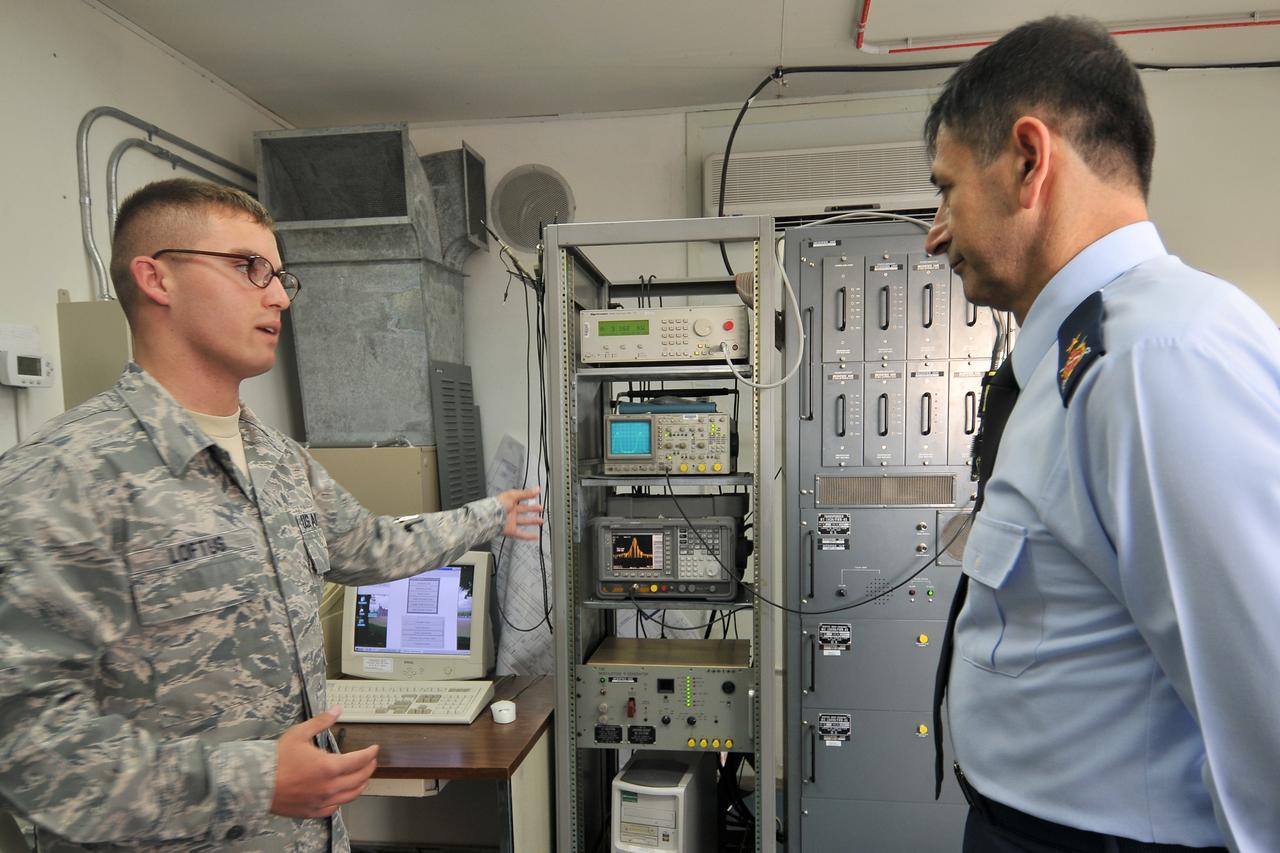


NATO has signed a contract with Turkish defense company HAVELSAN to procure tactical data link management center network planning software, described as the "brain of communications" in modern military operations that enables all friendly forces across air, land and sea to speak the same language and see the same operational picture.
The software serves as the central nervous system for coordinating communications between early warning aircraft, fighter jets, naval vessels, radar systems, ground units and missile systems. Without such coordination tools, these diverse military assets would struggle to share critical information like target locations and radar tracks in real time.

The network planning software determines who communicates over which data link, using what encryption and frequency, and at what time. Military units employ different communication protocols including Link 11, Link 16, Link-22, VMF and JREAP, creating a complex web that requires careful orchestration to prevent network congestion and communication failures.
By enabling all units to maintain situational awareness of friendly force positions, the system helps prevent fratricide incidents where forces accidentally engage their own side. The software also ensures that target information from radar systems can be transmitted within seconds to missile systems preparing to engage hostile targets.
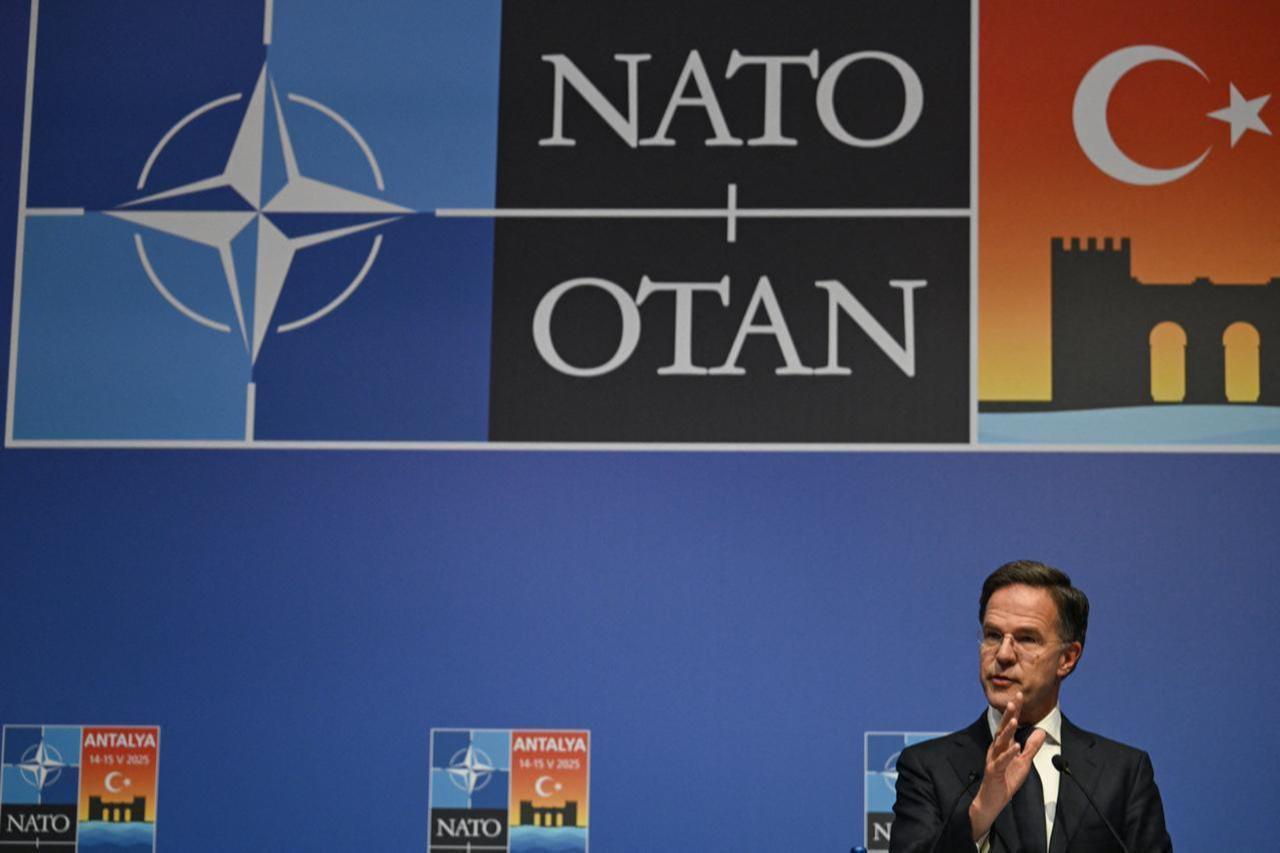
NATO's Allied Command Operations Supreme Headquarters Allied Powers Europe (SHAPE) identified the automated tactical data link planning capability as a crisis period urgent requirement under the NATO Capability Acquisition Programme. The NATO Communications and Information Agency (NCIA) issued a request for information to identify potential suppliers.
During live demonstrations for NATO representatives, HAVELSAN's Tactical Data Link Management Center Network Planning Software received the highest technical score among competing firms. Following the evaluation process, NCIA decided to procure the "JICO Automated TDL Tool" from HAVELSAN as a sole source provider. The decision received approval from NATO's Investment Committee before the contract was signed on December 18, 2025.
 1 min read

The software allows military platforms from different production years and technology generations to exchange tactical information seamlessly. Even as individual units join or leave the network during combat operations, the system maintains continuous connectivity by implementing contingency plans developed before missions begin.
The tool optimizes the use of limited radio frequencies in battlefield environments where spectrum availability is constrained. It prevents any unit from becoming isolated in communication blind spots by planning network architecture that maintains coverage across the operational area. All data transmissions are encrypted and resistant to jamming, providing high levels of operational security.


 Set as preferred source
 Set as preferred source


 1 min read