Newsletters


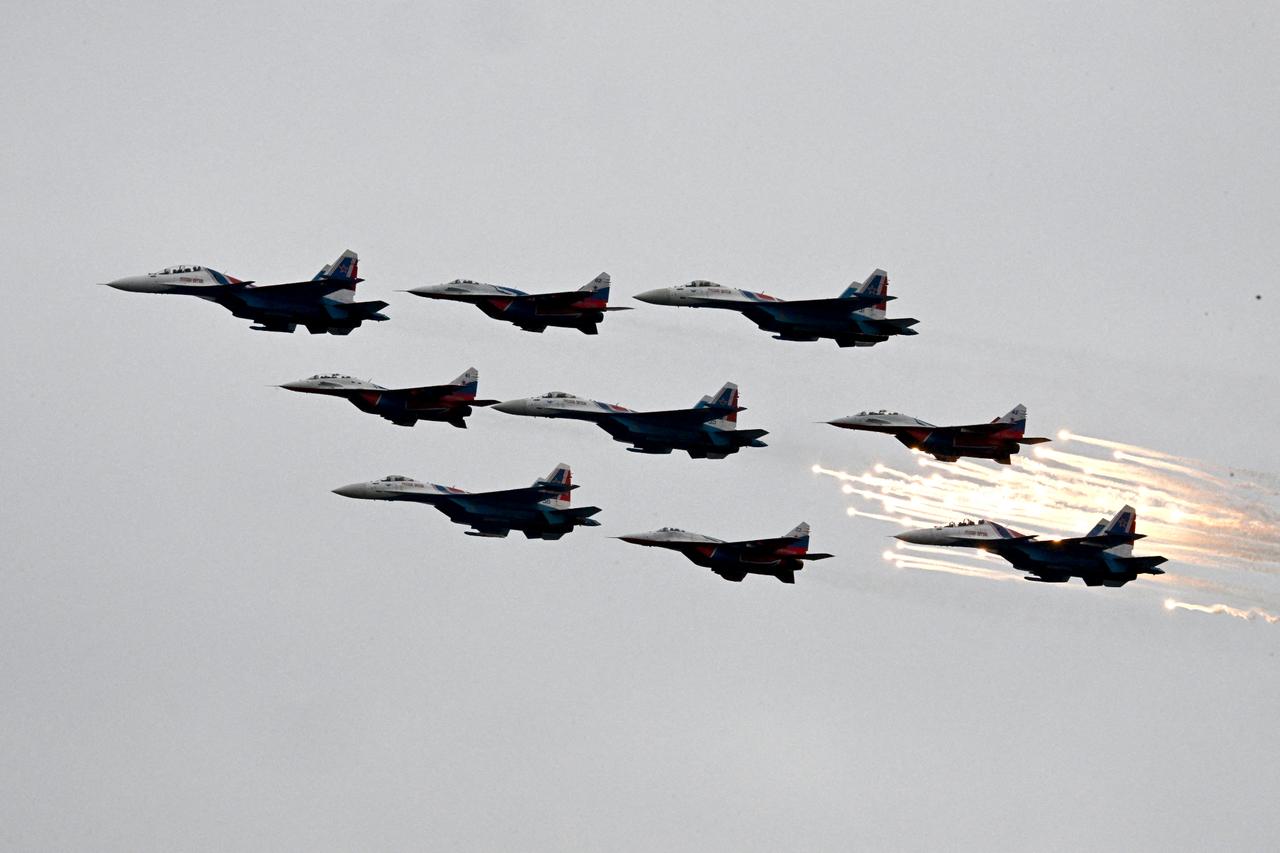


NATO's Supreme Allied Commander Europe (SACEUR), U.S. Air Force General Alexus Grynkewich, stated Thursday that Russia is "not looking for a conflict" and that Moscow understands it cannot succeed militarily against the alliance.
He also confirmed U.S. plans to withdraw key military assets from Europe, as Sweden's parliamentary defense commission warned the next day that Russia could carry out military action against NATO members "in the relatively near future."
The contrasting assessments come as Washington prepares to pull a carrier strike group, all cruise-missile submarines, Poseidon patrol aircraft, and dozens of fighter jets from the NATO Force Model, raising questions about whether deterrence will hold if Russia concludes that the moment is politically favorable, regardless of the military balance.
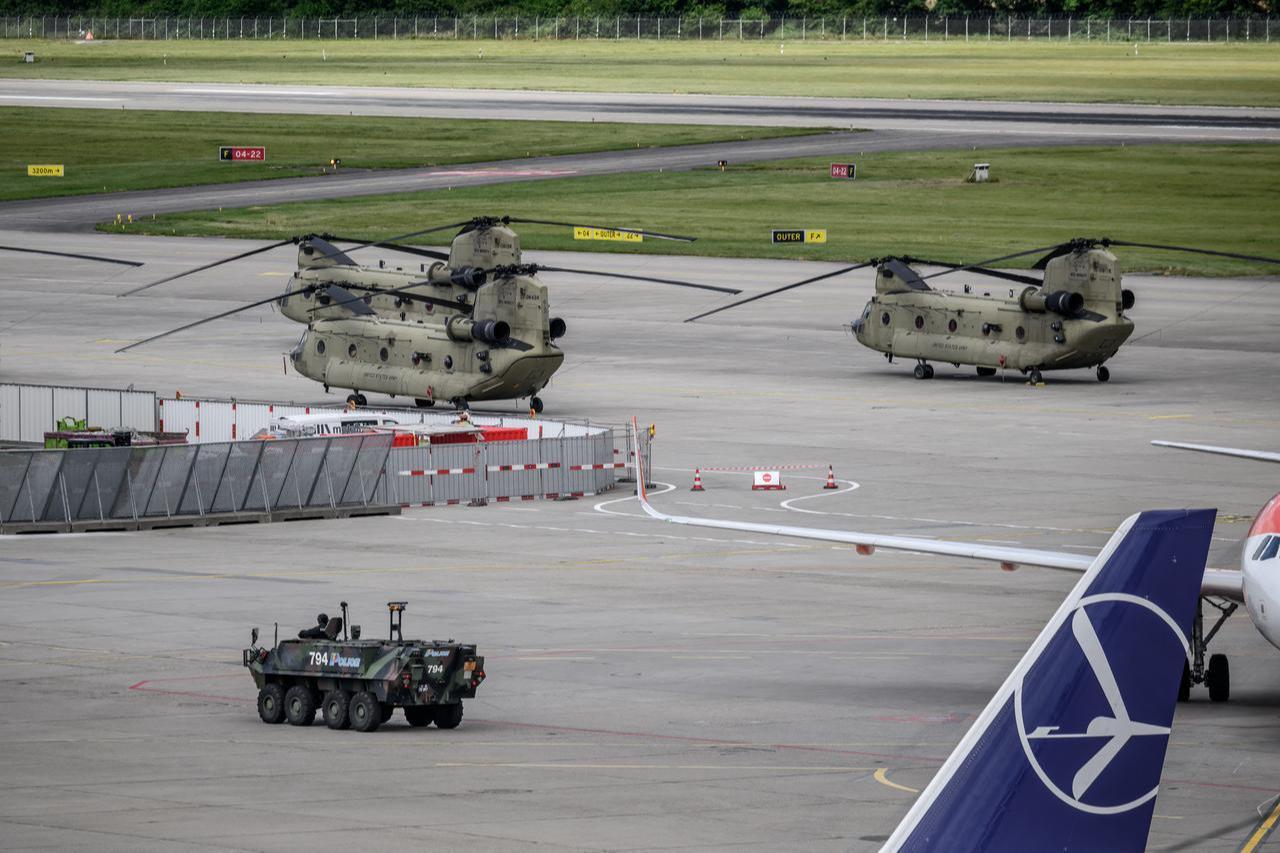
Speaking at the ILA Berlin Air Show, Grynkewich said he had "watched the intelligence very closely" and concluded Russia is not seeking confrontation.
"Russia is not looking for a conflict. They do understand the term 'defensive alliance,' and they do understand that we have a number of asymmetric advantages," he said, according to Financial Times (FT).
On the Baltic States specifically, he said, "My job is to ensure that Russia understands that, should they try something in the Baltic States, they won't succeed. Because they know they won't succeed, they won't take the risk on something like that."
Asked if NATO is ready to fight tonight, he replied, "Absolutely."
Grynkewich also confirmed for the first time that U.S. asset reductions from the NATO Force Model were proceeding, and said they included capabilities the U.S. needs for the Pacific.
"It's a series of air and maritime capabilities that we, the US, need in the event of an issue in the Pacific," he said. As NATO commander, he added, he is now developing contingency plans for "what we might have, under certain conditions or what we might not have."
He said the near-term priority is capabilities that can be "acquired quickly, fielded quickly, and scaled rapidly and sustained over time," singling out long-range fires.
On Ukraine, he said forces were "doing fairly well" and that Russian advances remained minimal and costly. "When the Russians advance, they barely advance, and it comes with an incredibly high rate of casualties for Russia."

Sweden's parliamentary defense commission published a report Friday warning that Russian military action against NATO could occur sooner than previously assessed, even if Moscow did not meet the traditional military thresholds for an attack.
"Russian military advances, for example, to test NATO's cohesion and the credibility of Article 5, could take place in the relatively near future if the political situation is deemed favourable by the Kremlin," the report said. It added that "an armed attack against Sweden or our allies cannot be ruled out."
Commission chair Jorgen Berglund said, "We can note that the security policy situation remains serious and is characterized by considerable uncertainty. There is a risk of rapid deterioration with serious consequences for Sweden's and Europe's security."
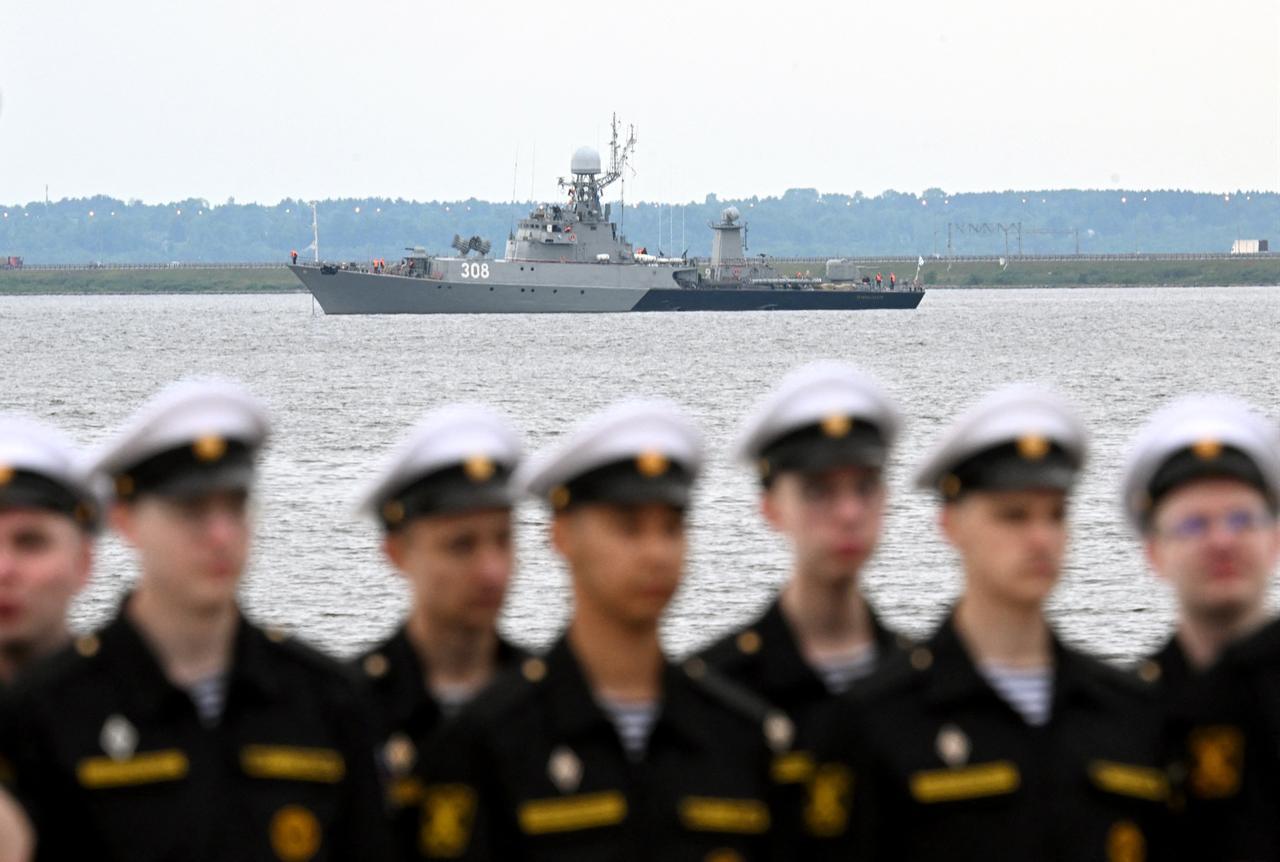
The report noted that important elements of Russia's armed forces had been "relatively unaffected" by the Ukraine war, including hybrid warfare capabilities, air and naval forces and long-range strike assets. Russia is forming new units within the western Leningrad military district and continuing its military buildup on the Kola Peninsula and in the Arctic.
Sweden's military intelligence agency had indicated separately that Russia already had the capacity to carry out a limited armed attack beyond Ukraine.
The Swedish commission also highlighted the shifting transatlantic relationship. U.S. foreign and security policy under the current administration was increasingly characterized by "unpredictability, rapid shifts, transactionalism, harsher rhetoric, and a greater willingness to use military force unilaterally," the report said.
It called the United States "crucial for Swedish and European security and prosperity" while stressing that "Europe's relationship with the United States is changing."
Swedish defense spending is expected to reach 3.5% of GDP by 2030, up from 2.8% this year.
Putin dismissed European fears of Russian attack last week as "deliberate provocation" and "nonsense."


 Set as preferred source
 Set as preferred source



 3 min read