Newsletters


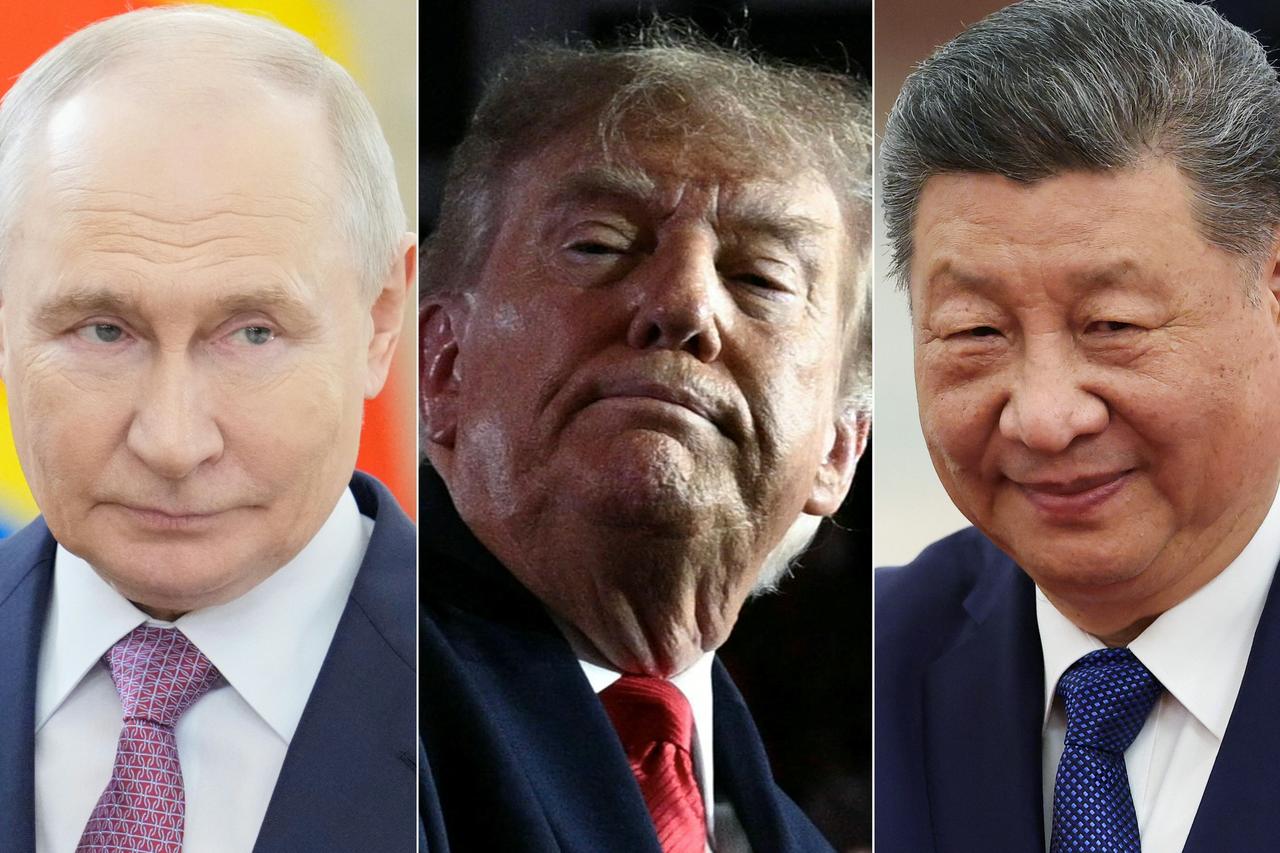


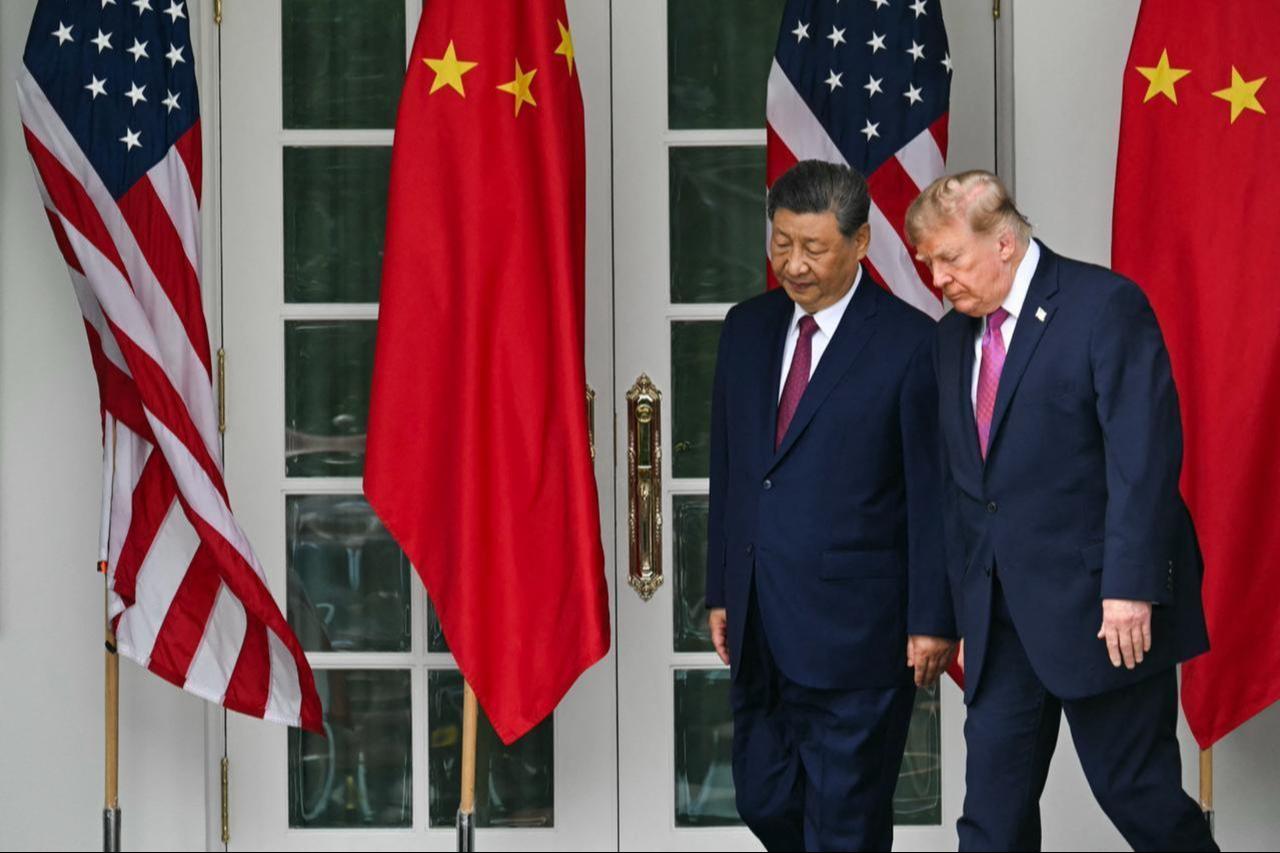
Chinese President Xi Jinping will bring U.S. President Donald Trump and Russian President Vladimir Putin to the same table Thursday for their first-ever trilateral summit, adding a high-profile diplomatic meeting to an already packed week of talks in Shenzhen.
China's Foreign Ministry confirmed Monday that Xi would host the two leaders on Nov. 19, alongside the 33rd Asia-Pacific Economic Cooperation (APEC) Economic Leaders' Meeting. The Kremlin and the White House had already confirmed the planned gathering over the weekend.
The meeting brings together the leaders of the world's three major nuclear powers at a time when Washington is dealing with conflicts in the Middle East, strained relations with Moscow and an uneasy relationship with Beijing.
Beijing has yet to outline the agenda or disclose whether the three sides are preparing any joint statement or agreements.
Trump plans to use the meeting to raise nuclear disarmament and the war in Iran, according to U.S. officials. Assistant White House Press Secretary Olivia Wales confirmed that reducing nuclear weapons would be among the subjects discussed.
"Among other topics, he will discuss the reduction of nuclear weapons in the world, whose proliferation President Trump believes is very dangerous," Wales told reporters.
A senior U.S. official also confirmed that Trump intends to bring up Iran, although Washington has not outlined what it expects from Beijing and Moscow on the conflict.
The nuclear discussion comes after the expiration of the New START treaty in February, ending the last remaining agreement limiting the strategic nuclear arsenals of the United States and Russia. Trump has called for a new arrangement that would also bring China into arms control negotiations.
That prospect faces a major obstacle in Beijing's longstanding position. China maintains that Washington and Moscow must first reduce their much larger nuclear stockpiles before it considers restrictions on its own arsenal.
U.S. estimates put China's nuclear stockpile at more than 600 warheads, compared with more than 5,000 each for the United States and Russia.

Despite the war's importance to both Moscow and Washington, Ukraine is not expected to feature in the trilateral discussions.
A senior U.S. official indicated that the Trump administration was pursuing a separate diplomatic track involving Kyiv and Moscow, arguing that Beijing was not part of those negotiations.
The prospect of excluding Ukraine has nevertheless raised concerns in Europe. German President Frank-Walter Steinmeier recently revealed that Xi had expressed "irritation" when the possibility of discussing the conflict came up during their meeting.
"He explicitly pointed out that this is a European conflict, in which the Europeans must also be at the table," Steinmeier told German broadcaster ARD.
Putin, meanwhile, has an interest in discussing Ukraine with Trump and Xi, according to reporting by The Associated Press.
Ukrainian President Volodymyr Zelenskyy has also voiced concern that the three powers could discuss a possible settlement without Kyiv's participation.
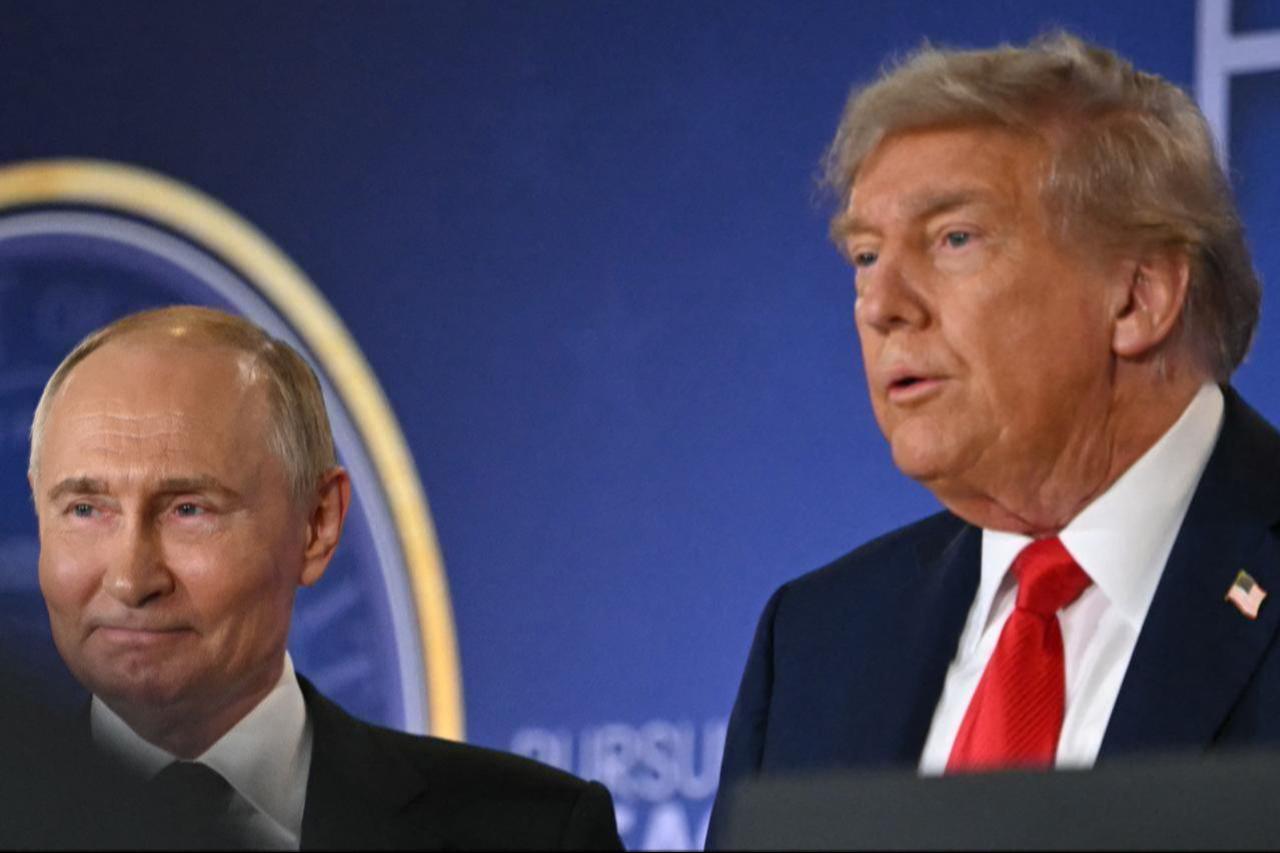
Trump will hold separate bilateral talks and a working lunch with Xi on Thursday afternoon before joining the Russian leader for the trilateral meeting, according to the White House.
The 33rd APEC Economic Leaders' Meeting is scheduled for Nov. 18-19 in Shenzhen, bringing together representatives of 21 economies.
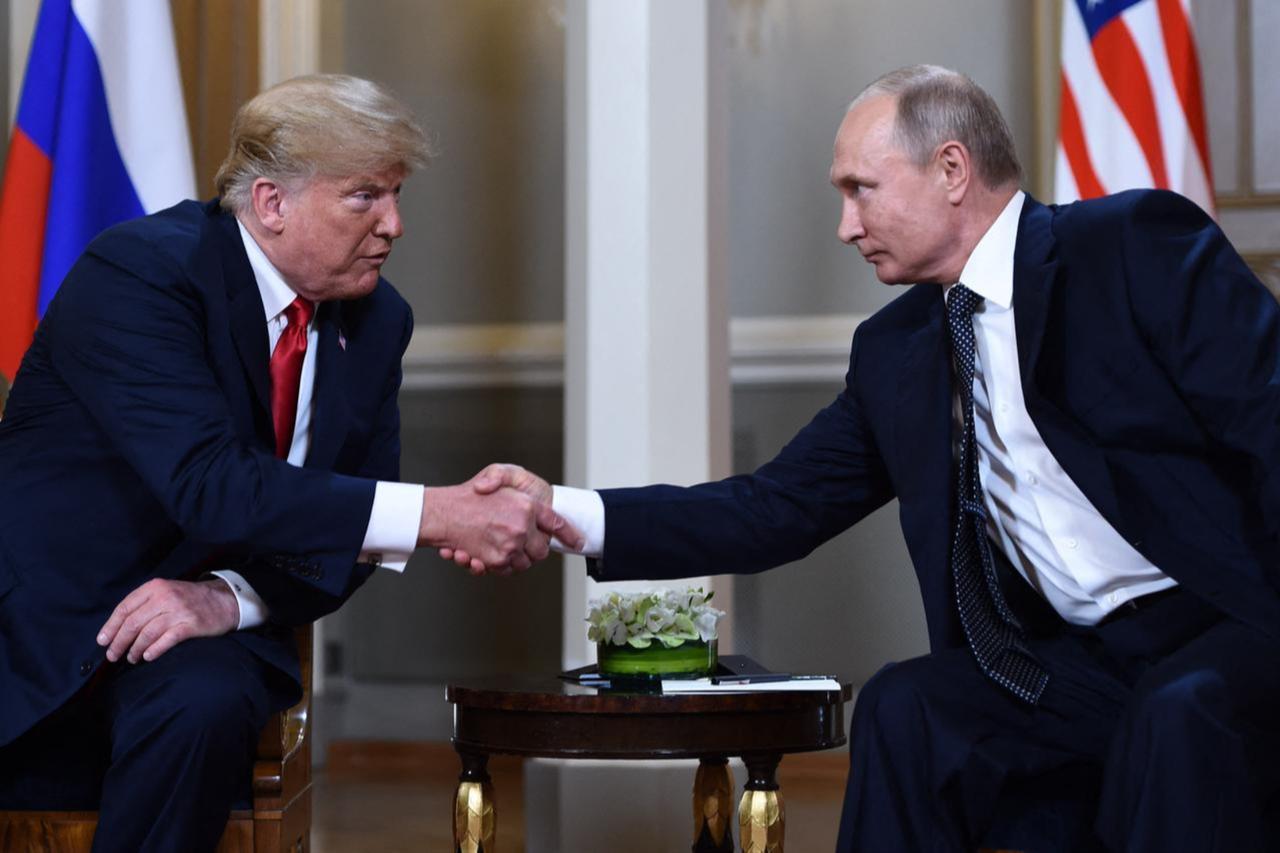
Xi and Putin have met more than 40 times since the Chinese leader took office in 2013, while Trump has also held several face-to-face meetings with each leader. Thursday's gathering, however, will mark their first joint summit.
Kremlin spokesman Dmitry Peskov has described the meeting as significant but pushed back against comparisons with the 1945 Yalta Conference, arguing that any discussions in Shenzhen cannot impose a new international order on other countries.


 Set as preferred source
 Set as preferred source


 1 min read
 1 min read