Newsletters


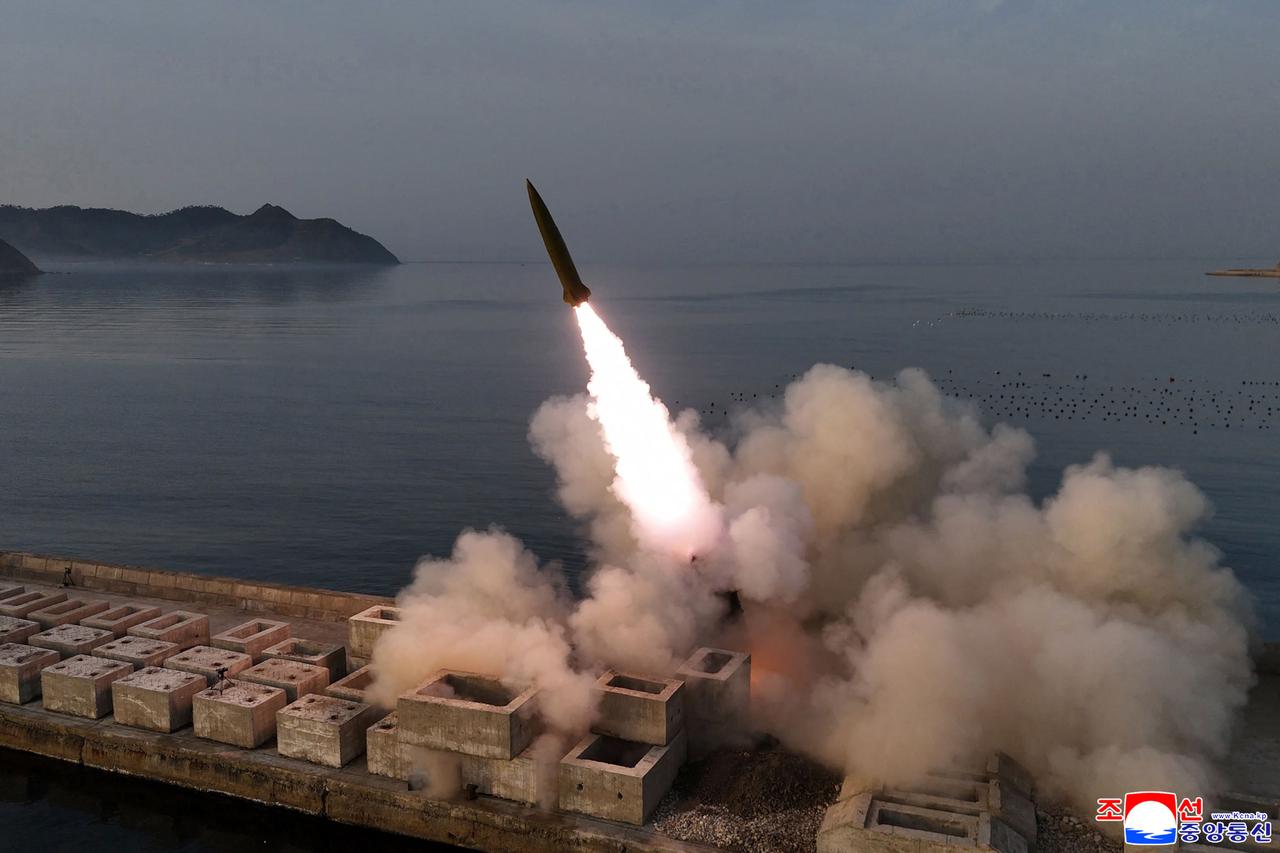


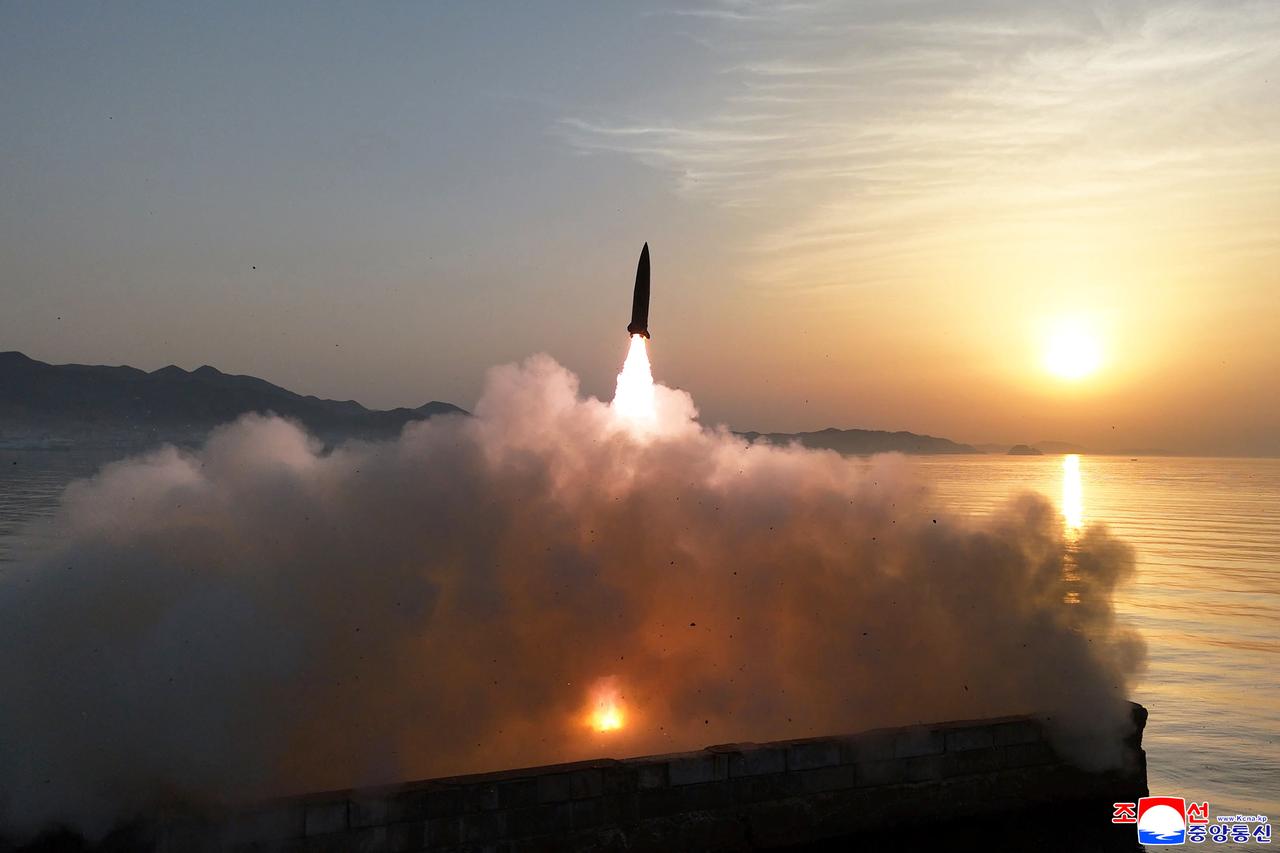
North Korea fired multiple short-range ballistic missiles on Sunday, state media said, in a test overseen by leader Kim Jong Un to assess new warhead capabilities.
The launches were aimed at verifying the power and characteristics of cluster bomb and fragmentation mine payloads fitted to a tactical ballistic missile, prompting condemnation from South Korea, which urged Pyongyang to halt what it called provocations.
The Korean Central News Agency said the launches were carried out to test the warhead of the Hwasongpho-11 Ra surface-to-surface tactical ballistic missile.
South Korea said its military had detected several short-range ballistic missiles fired from the Sinpo area in eastern North Korea and said it was maintaining a firm combined defense posture with the United States.
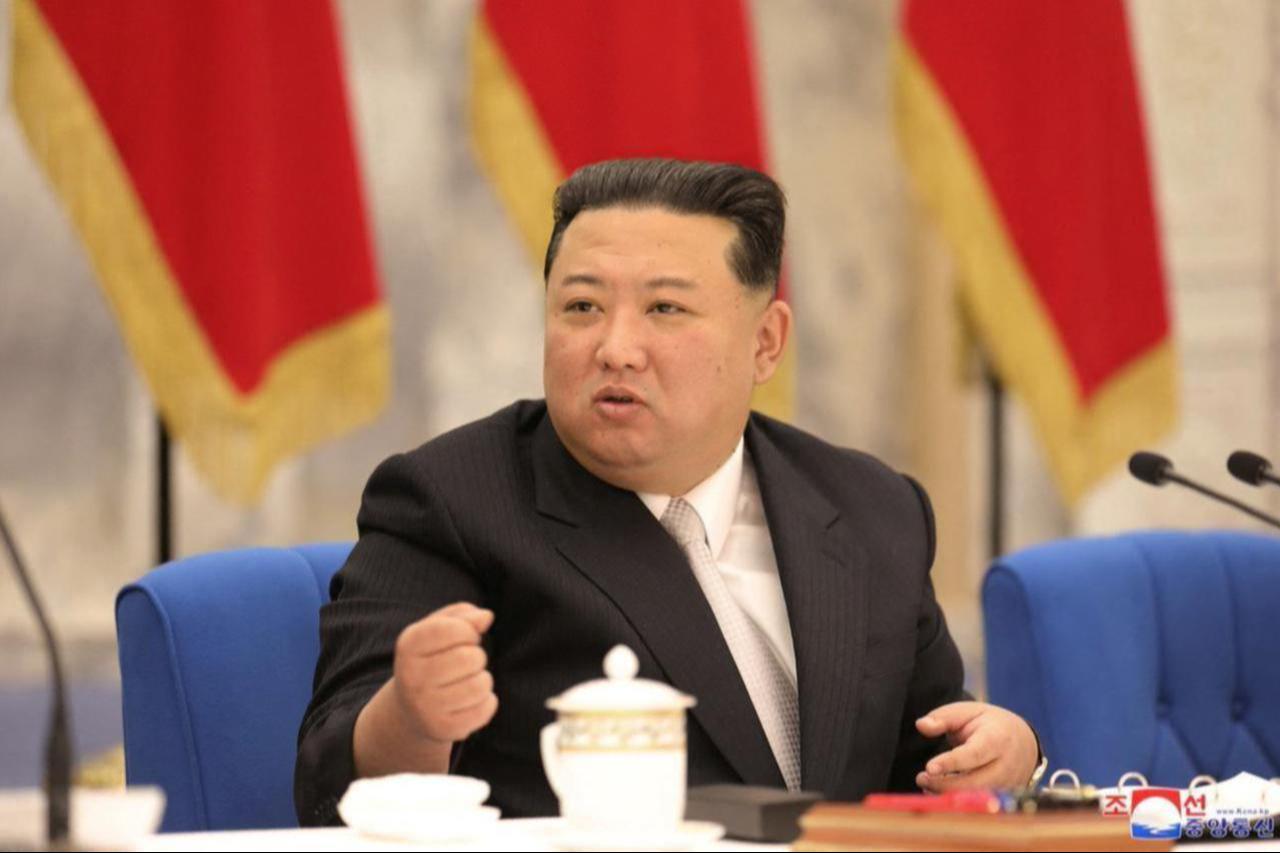

KCNA said the Sunday launches were intended to "verify the characteristics and power of cluster bomb warhead and fragmentation mine warhead applied to the tactical ballistic missile".
According to the report, five projectiles were fired toward a target area around an island about 136 kilometers, or 85 miles, from the launch site.
KCNA said the missiles struck an area of 12.5 to 13 hectares with "very high density, fully displaying their combat might".
The report said Kim "expressed great satisfaction over the test results" and said the development of cluster bomb warheads "can... boost the high-density striking capability to quell a specific target area as well as the high-precision striking capability."
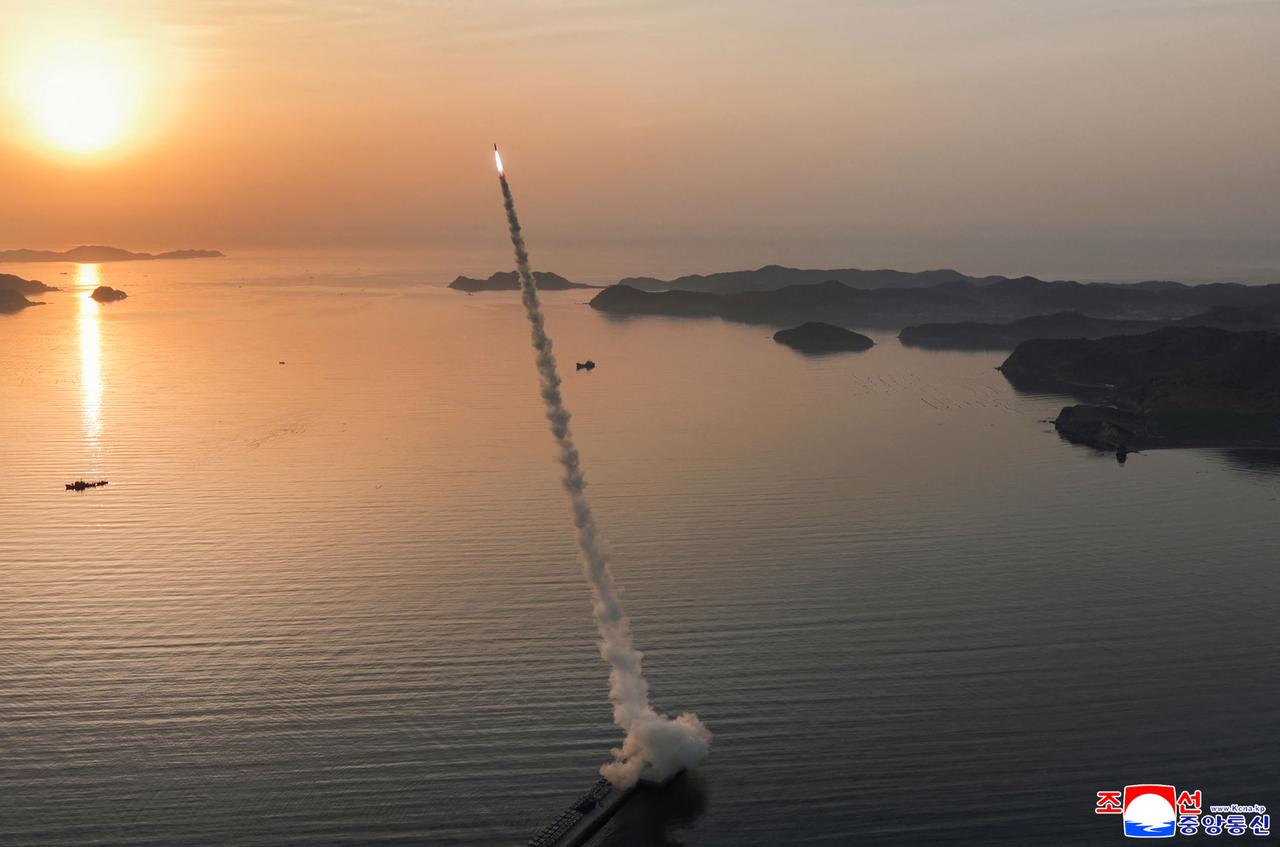
South Korea reported the launches on Sunday and said its military had detected several short-range ballistic missiles fired from the Sinpo area.
Seoul condemned the test and called on North Korea to cease what it described as provocations.
The defense ministry said South Korea was maintaining a "firm combined defence posture" with the United States and would "respond overwhelmingly to any provocation".
"Pyongyang must immediately halt its successive missile provocations that are heightening tensions," the ministry said, while also calling on the North to "actively engage in the South Korean government's efforts to establish peace."
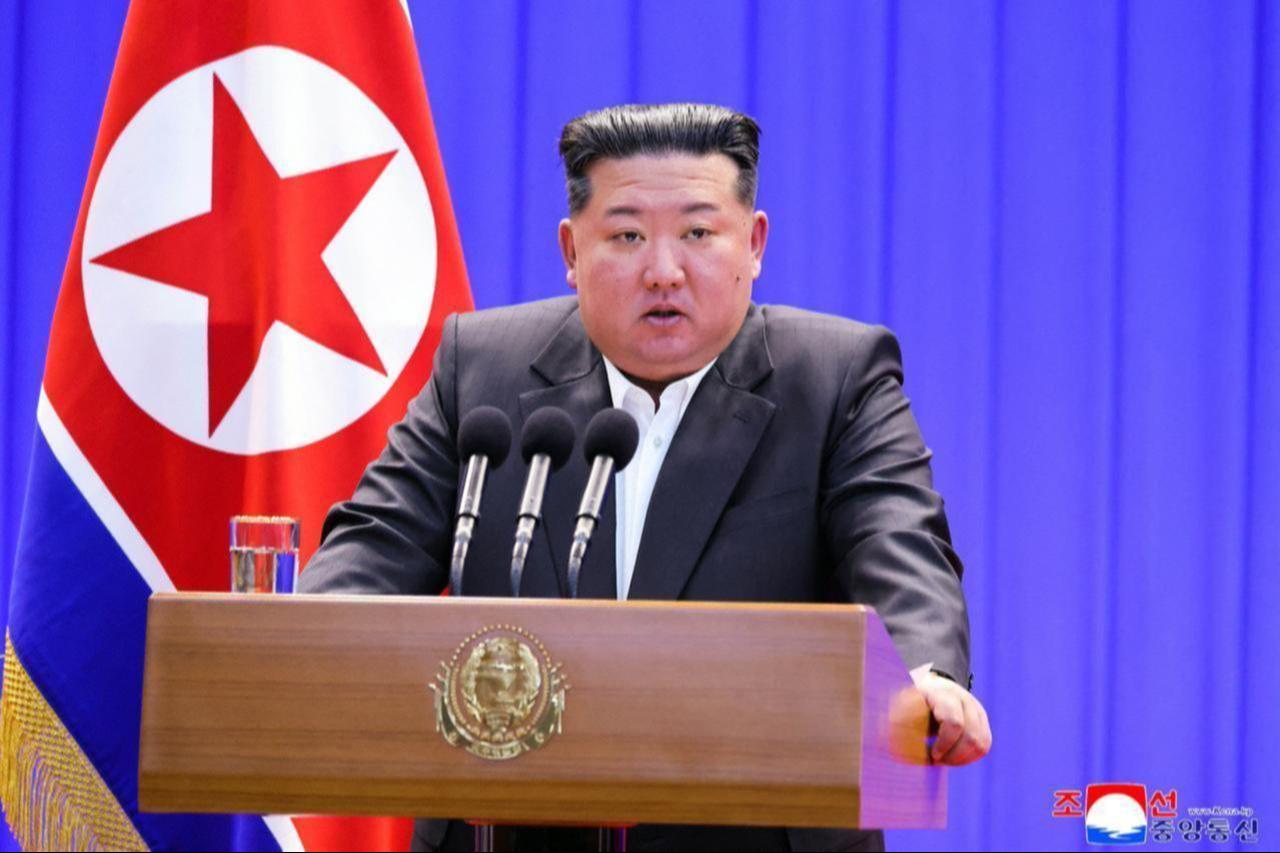
Hong Min, a senior research fellow at the Korea Institute for National Unification, said the reported range would place Seoul and key U.S. military installations within Pyongyang's reach.
"This system appears designed to fill the gap between multiple rocket launchers and short-range ballistic missiles," he said.
Yang Moo-jin, a professor at Seoul's University of North Korean Studies, said frontline corps commanders observed the test, unlike previous launches that were watched by weapons researchers.
"This suggests the system is nearing operational deployment, with the capability to be launched directly from forward positions against South Korea and U.S. bases," he said.
The United States stations about 28,000 troops in South Korea to help defend it against military threats from the North.
 1 min read
The missile launches followed other North Korean weapons tests in recent weeks, including ballistic missiles, anti-warship cruise missiles and cluster munitions.
Neither North Korea nor South Korea has signed the 2008 Oslo Convention against cluster bombs.
Analysts said the latest tests signaled that Pyongyang had rejected Seoul's attempts to repair strained ties.
Those efforts included an expression of regret from Seoul over civilian drone incursions into the North in January, a gesture that Pyongyang initially appeared to welcome before again describing the South as its "most hostile" enemy state.
North Korea remains subject to multiple United Nations sanctions banning its nuclear weapons development and the use of ballistic missile technology, restrictions it has repeatedly violated.
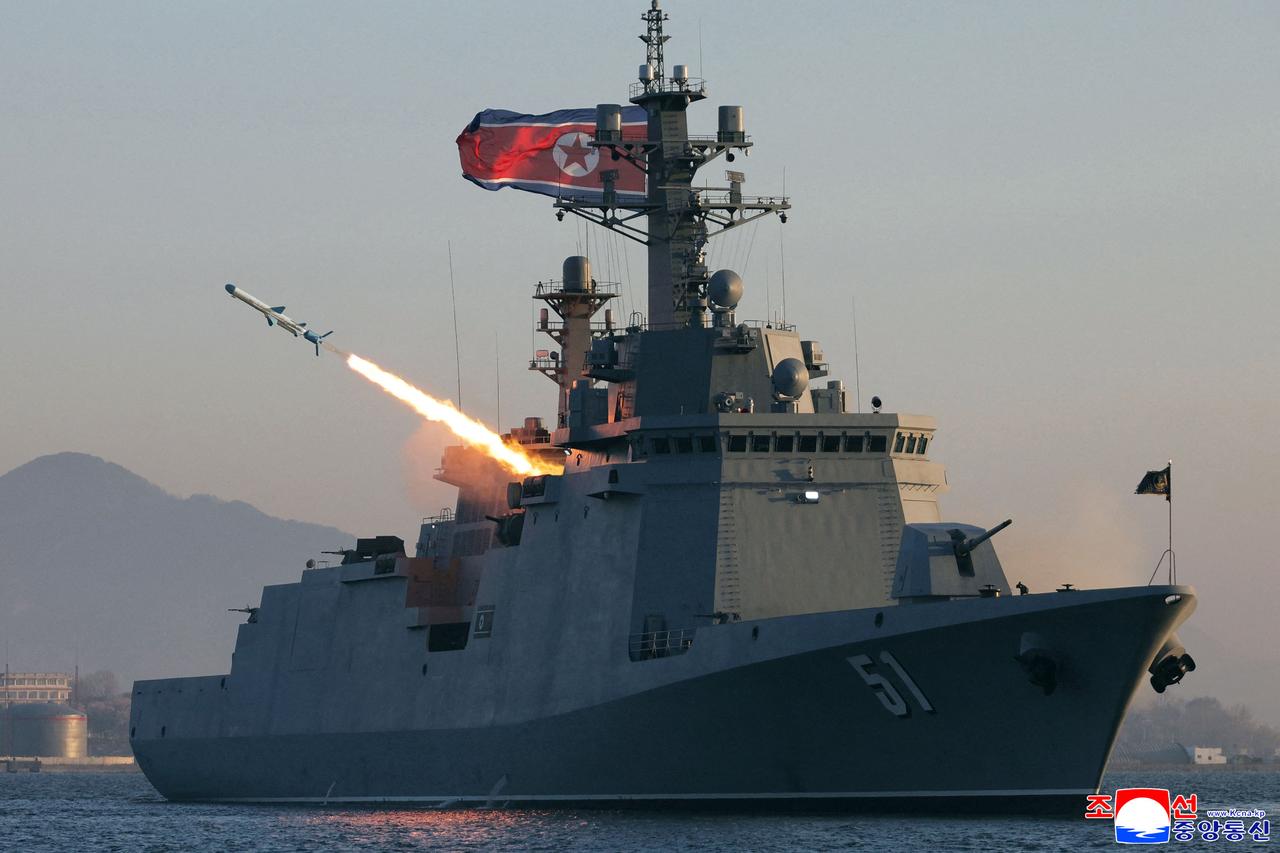
Earlier in April, Kim oversaw tests of strategic cruise missiles launched from a naval warship, according to official reports and photos showing him observing the firings alongside military officials.
Those tests were carried out from the Choe Hyon, one of two 5,000-tonne destroyers in North Korea's arsenal, both of which were launched last year.
North Korea is also building two more 5,000-tonne-class destroyers to expand its fleet.
Citing satellite imagery from a U.S.-based intelligence firm, a South Korean lawmaker said this month that North Korea was "accelerating the naval forces' modernisation on the back of military assistance from Russia".
North Korea has sent ground troops and artillery shells to support Russia's invasion of Ukraine, and observers say Pyongyang is receiving military technology assistance from Moscow in return.


 Set as preferred source
 Set as preferred source


 1 min read