Newsletters


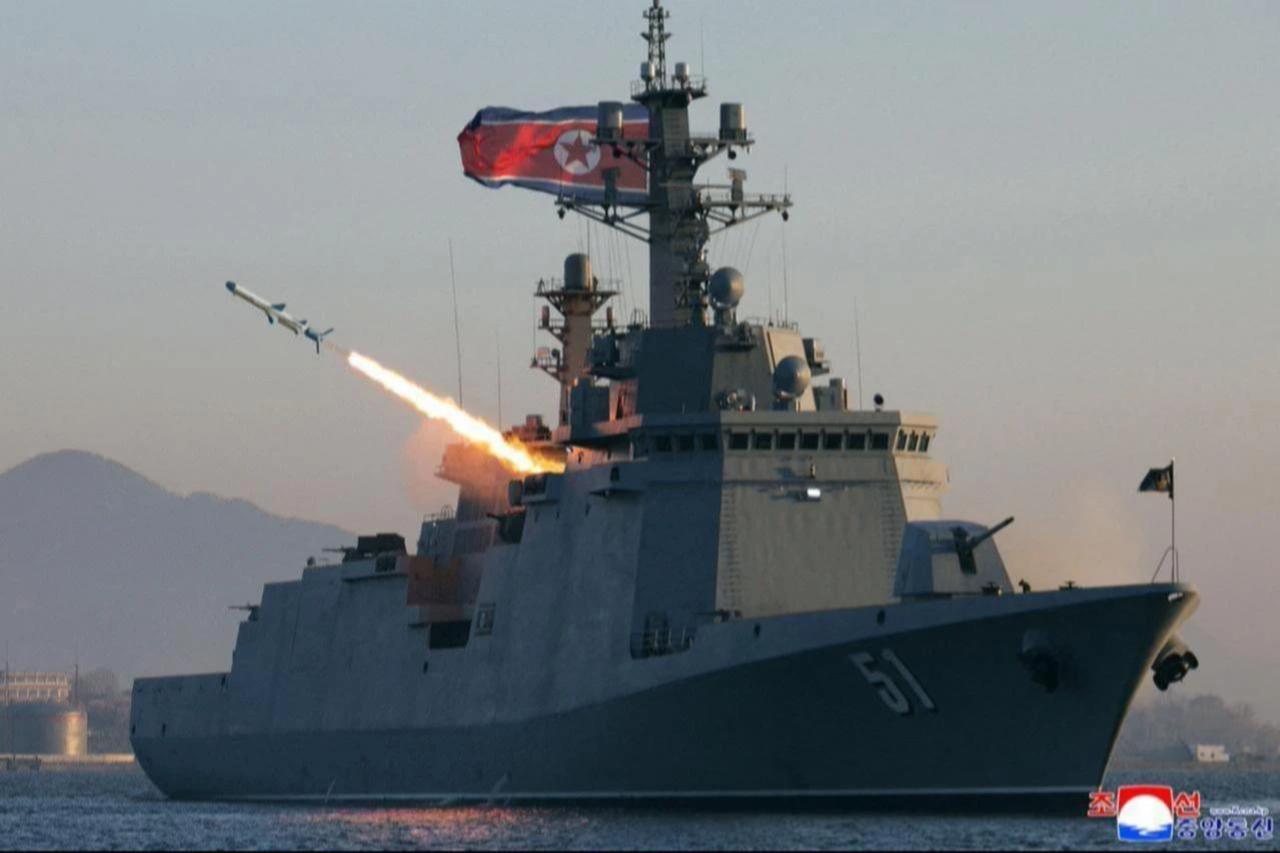


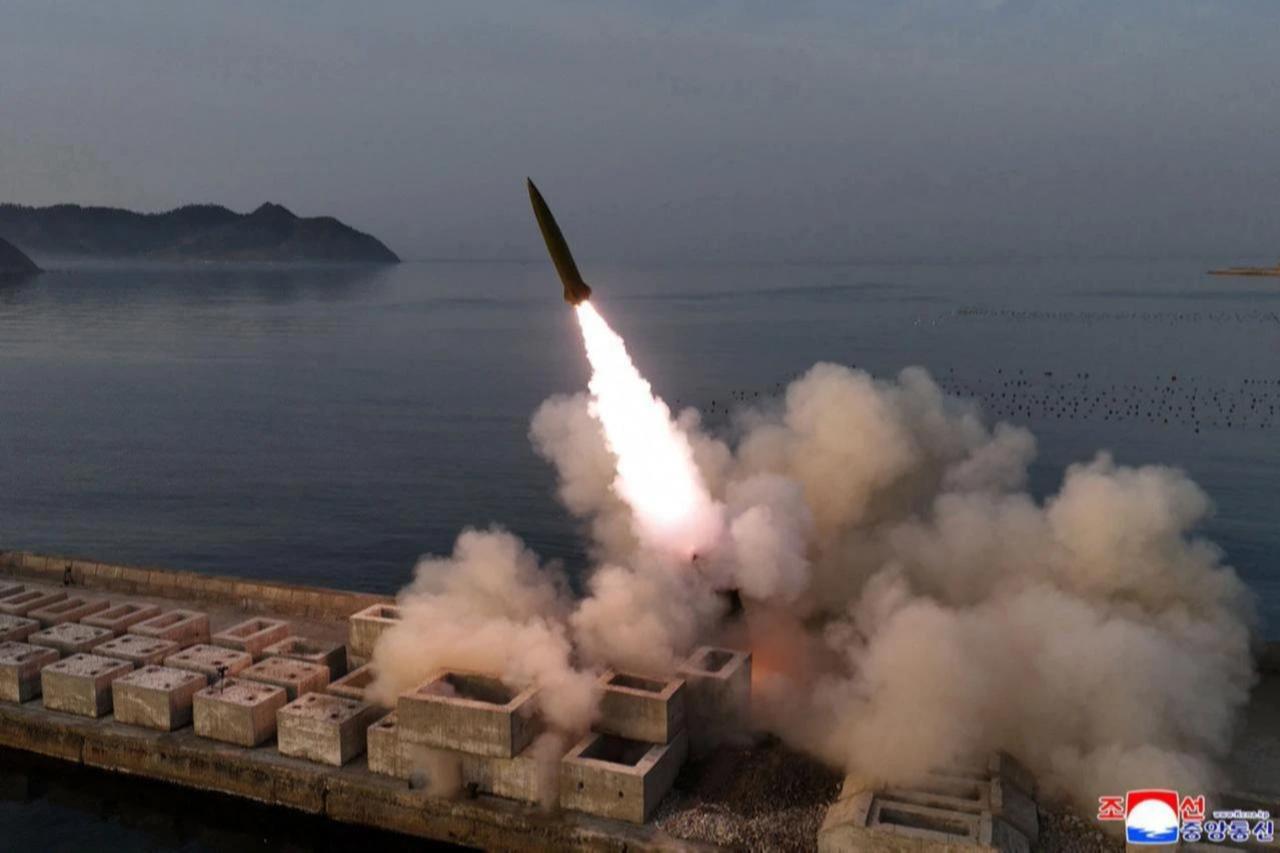
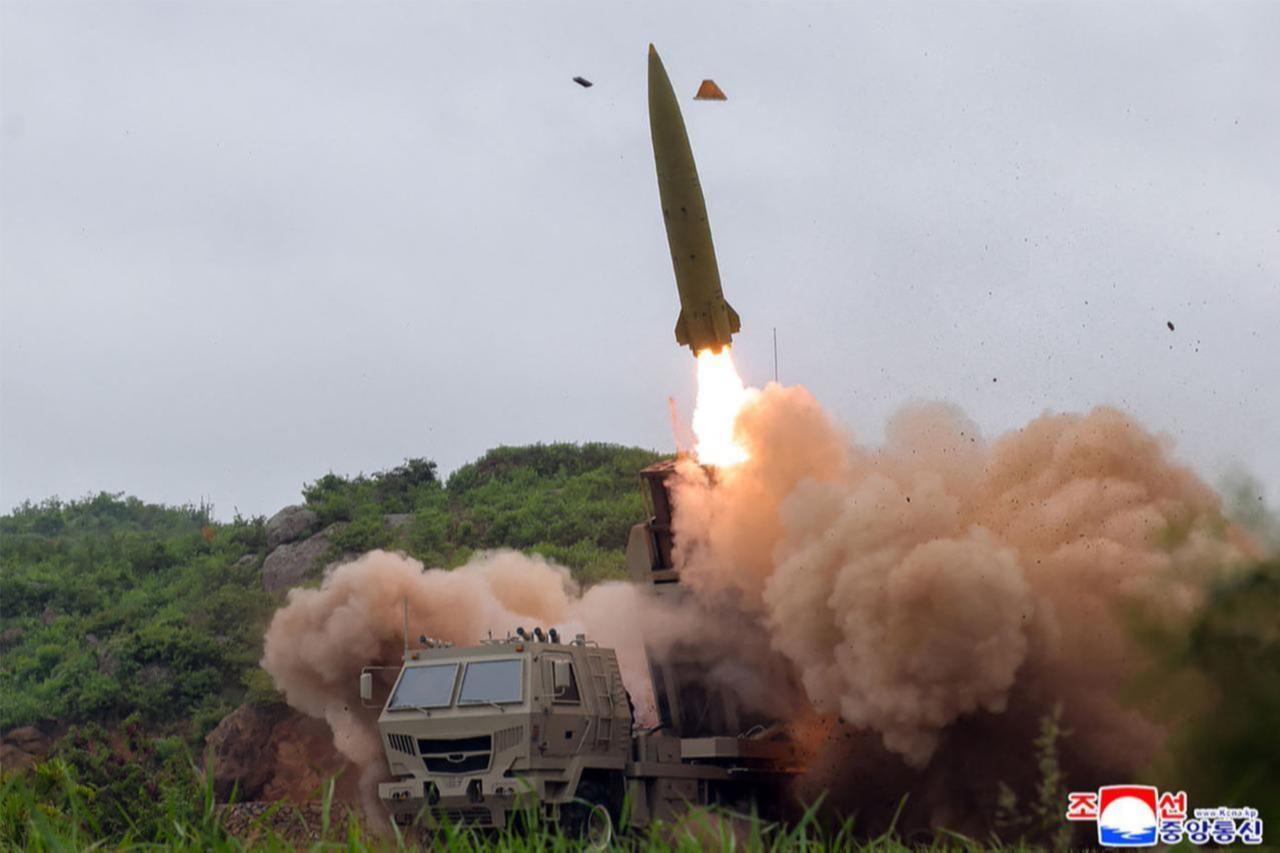
North Korea condemned U.S. plans to supply South Korea with tactical missiles and fund human rights monitoring projects, vowing a “powerful response” to what Pyongyang described as Washington’s hostile moves.
The U.S. State Department said Friday it had approved the possible sale of AIM-9X Sidewinder Block II missiles and related equipment to South Korea at an estimated cost of $125 million.
A North Korean Foreign Ministry spokesperson said in a statement carried Thursday by the official Korean Central News Agency that Pyongyang “cannot overlook the adverse effect of the U.S. sale of its weapons to the ROK on the regional security environment,” referring to South Korea by its official name, the Republic of Korea.
The statement also criticized Washington’s plans to provide millions of dollars for programs related to human rights and the flow of information into North Korea.

The State Department’s Bureau of Democracy, Human Rights, and Labor announced last week an open competition for organizations to document rights abuses in North Korea and “challenge the DPRK’s information monopoly,” referring to North Korea by its official name.
North Korea’s Foreign Ministry denounced what it called “the persistence and sequence of the U.S. hostile moves.”
It described the latest measures as security threats aimed at creating “instability in the social system of our state.”
North Korea “will make a serious, immediate and powerful response to the hostile acts,” the ministry said.
North Korea’s warning came days after the United States and South Korea agreed to maintain close communication and cooperation in addressing Pyongyang’s nuclear program and promoting peace on the Korean Peninsula, local media reported Tuesday.
The agreement was reached in a phone call Monday between U.S. Secretary of State Marco Rubio and South Korean Foreign Minister Cho Hyun, Yonhap News Agency reported, citing South Korea’s Foreign Ministry.
A ministry statement did not say whether the two top diplomats reaffirmed their commitment to North Korea’s denuclearization, despite emphasizing the importance of cooperation on Pyongyang’s nuclear program.
“The minister and secretary agreed to continue close communication and cooperation between South Korea and the U.S. for peace on the Korean Peninsula and the resolution of North Korea’s nuclear issue while maintaining a solid combined defense posture,” the statement said.
U.S. State Department spokesperson Tommy Pigott said in a separate readout that Rubio noted the need for the two countries to “remain in close coordination on matters that are integral to the alliance.”
Pigott did not mention North Korea’s denuclearization.
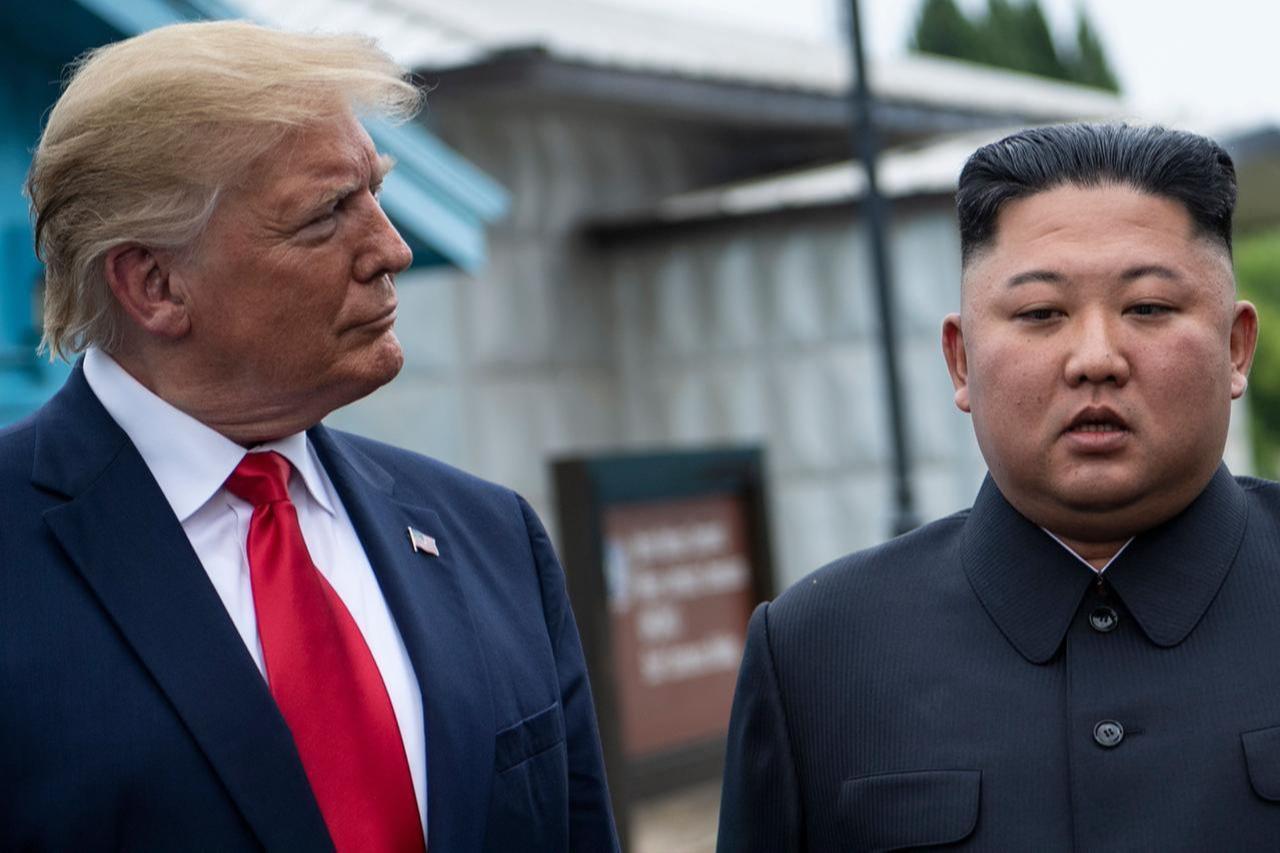
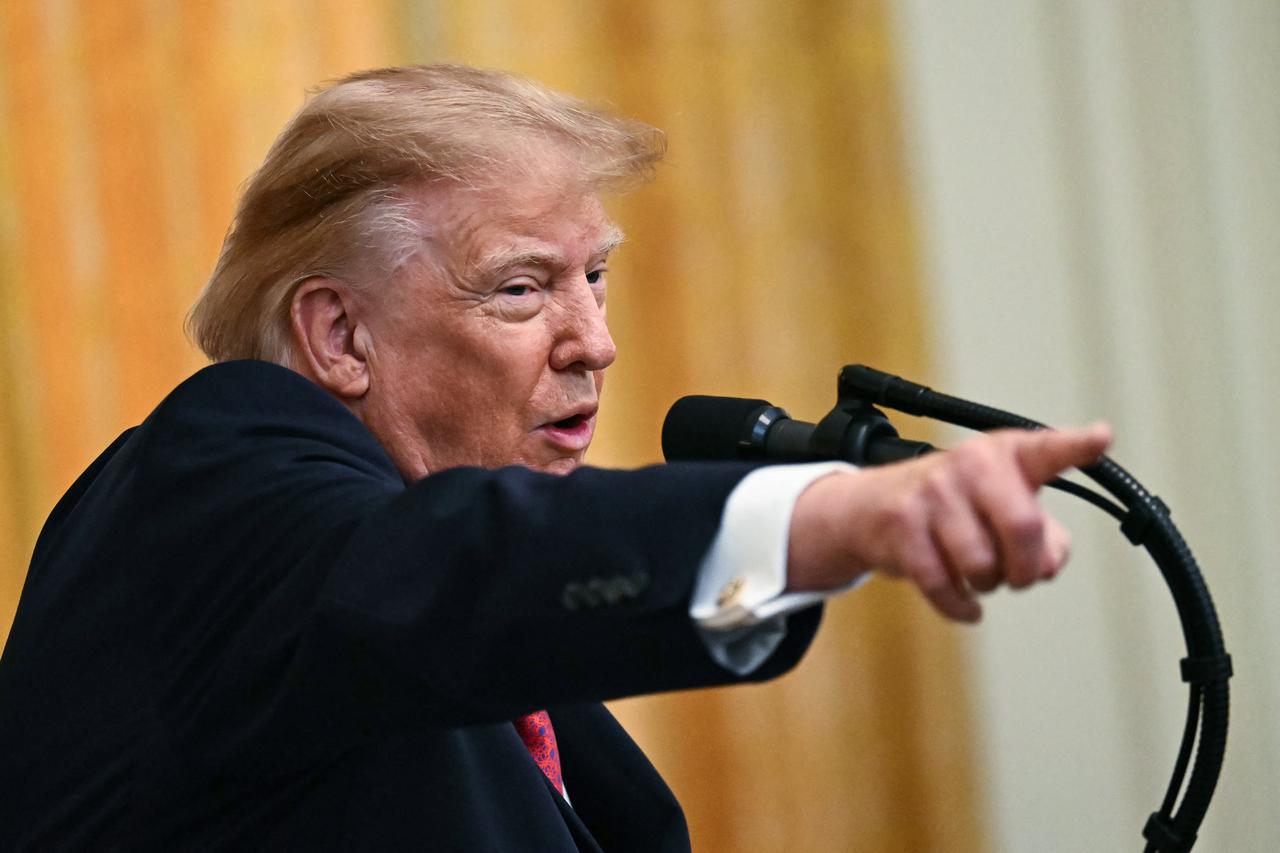
During the call, Cho said the South Korean government would do its best to help ensure that U.S. President Donald Trump’s recent message to North Korea leads to the resumption of dialogue between Washington and Pyongyang and peace on the peninsula.
Cho was apparently referring to Trump’s remarks last week that he expects to meet North Korean leader Kim Jong Un later this year.
The Wall Street Journal reported that Trump is seeking a meeting with Kim, which could take place during his next trip to Asia, likely for the Asia-Pacific Economic Cooperation (APEC) summit in Shenzhen, China, in November.
Trump has recently made a series of overtures to Pyongyang, including scaling back joint military drills with South Korea, but has so far received a cool response.
Rubio and Cho also agreed to work together to further elevate bilateral relations by achieving “mutually beneficial” outcomes on various pending issues, including tariffs, an investment agreement and security cooperation, South Korea’s Foreign Ministry said.
The two Koreas remain technically at war because the 1950-53 Korean War, triggered by a North Korean attack, ended with an armistice rather than a peace treaty.


 Set as preferred source
 Set as preferred source


 1 min read
 1 min read