Newsletters


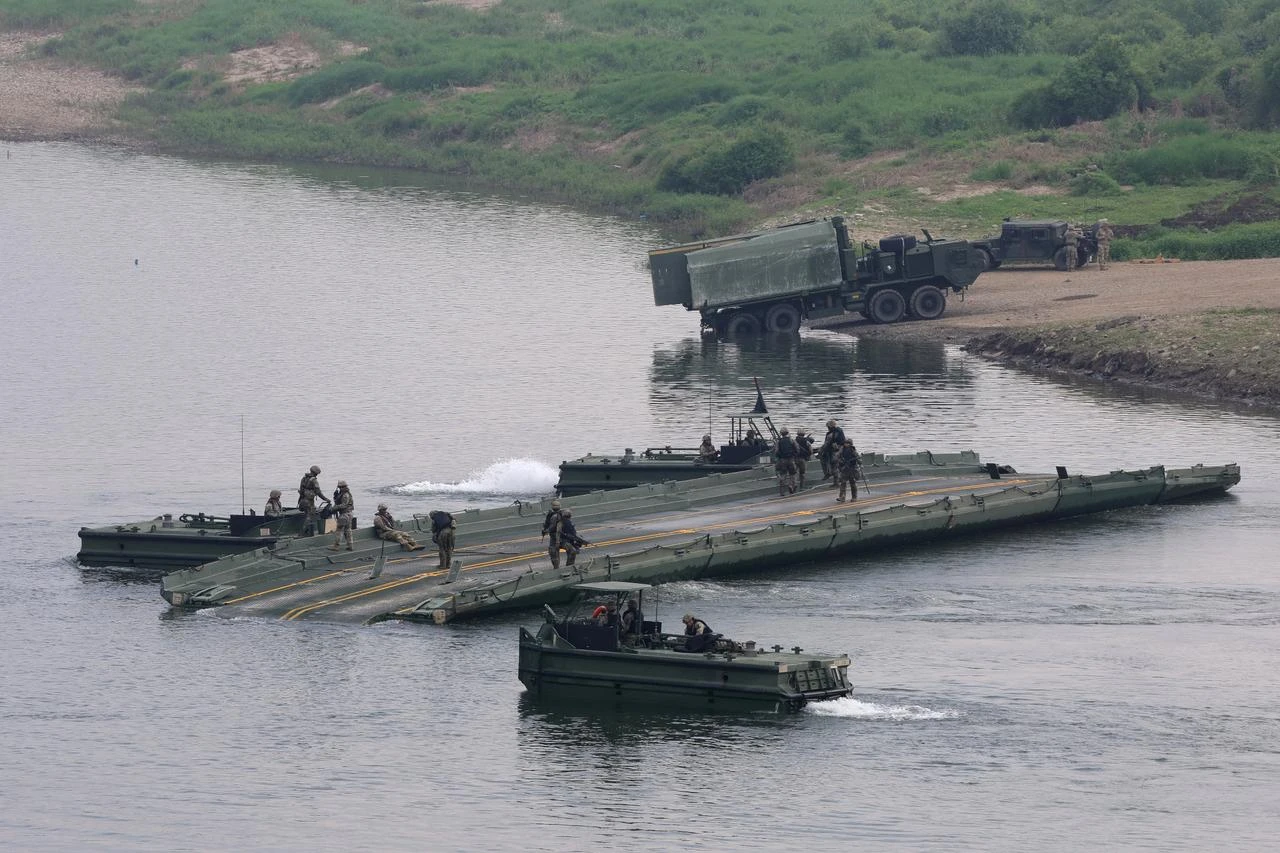


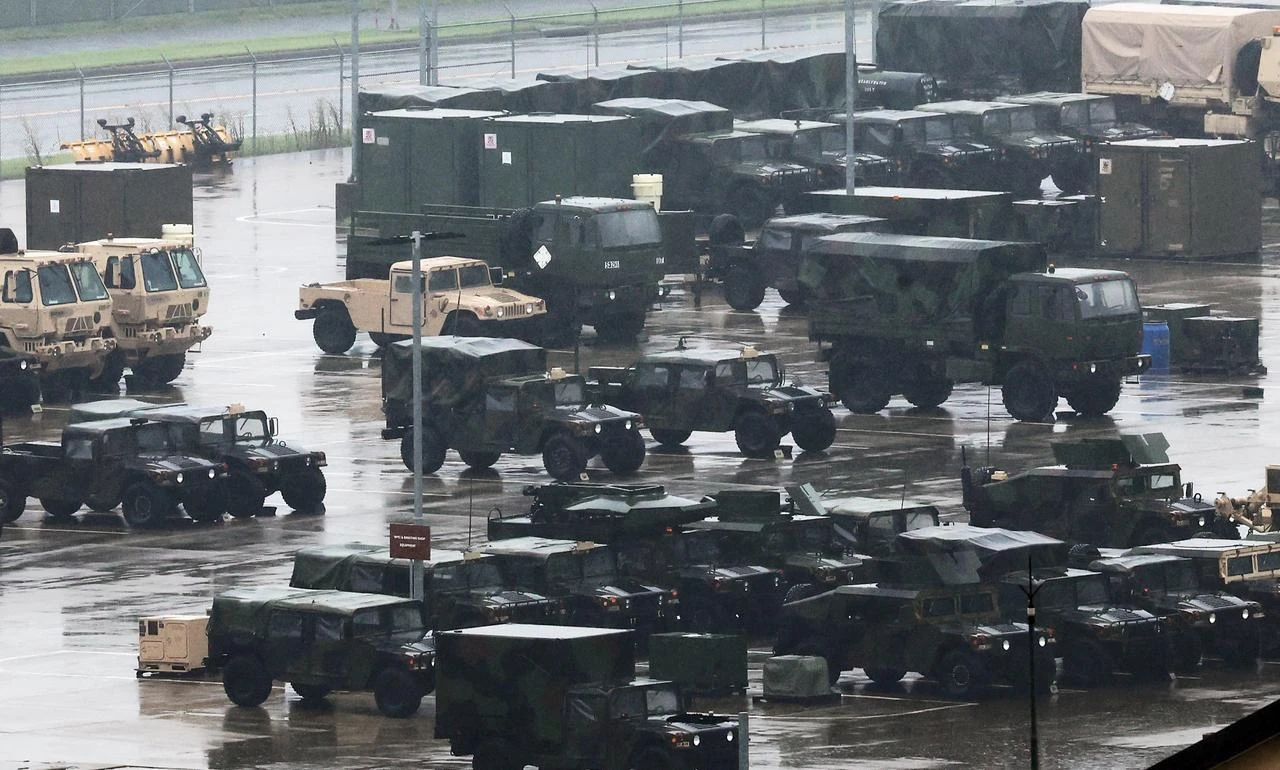
South Korea and the United States wrapped up their annual military exercise Friday after Washington ordered a sharp reduction in the training, bringing the drills to an end nearly a week ahead of schedule.
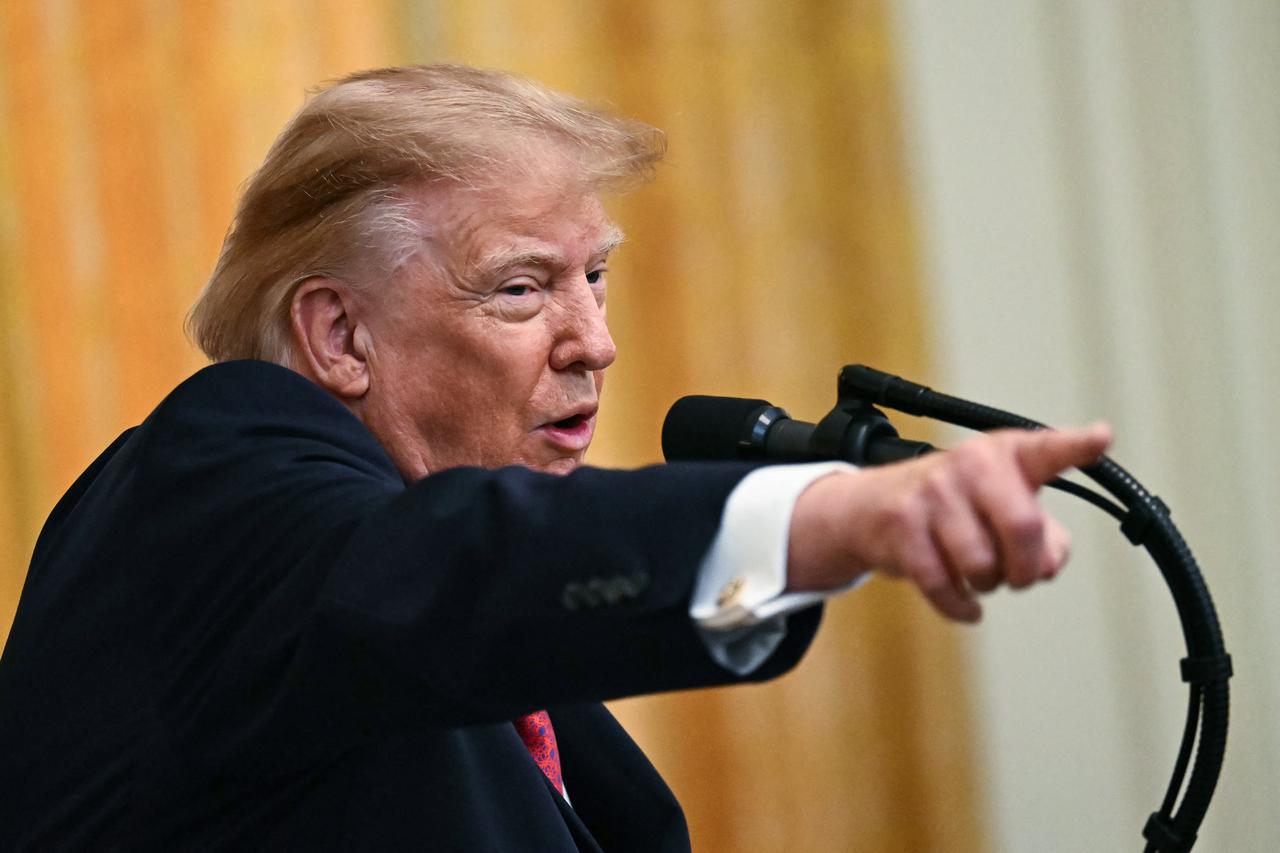
The Ulchi Freedom Shield exercise was originally set to continue until Aug. 27 but lasted five days instead of the planned 11. Trump had objected to the scale of the drills, calling them an “inappropriate and hostile” message to Pyongyang while also pointing to their cost and his relationship with Kim Jong Un.
The shortened exercise still combined command-post simulations with field training aimed at preparing the allies for potential contingencies on the Korean Peninsula. But the live portion was cut from 14 exercises to seven, with the remaining activities expected to be rearranged after further talks between Seoul and Washington.
The biggest change came in the second phase of the exercise. Training that would normally have focused on counterattacks was scrapped, leaving the drills centered primarily on defending against a potential North Korean attack.
That shift came as Seoul continued to stress the importance of maintaining field exercises, particularly while it seeks a faster transfer of wartime operational control from the United States.
Washington has previously maintained that cutting back the drills would cause "no degradation to U.S. training objectives." A South Korean military official confirmed Friday that the joint exercise had ended.

The shortened training did not prevent a fresh military response from Pyongyang. North Korea fired around 10 short-range ballistic missiles Thursday, while Kim Yo Jong, Kim’s sister and a senior North Korean official, ridiculed Seoul’s relationship with Washington as "master-servant."
North Korea has consistently denounced the U.S-South Korean exercises, describing them as preparations for an invasion. The country dismissed this week’s reduction as insignificant, with Kim Yo Jong calling the move "completely uninteresting" and indicating that it did not change Pyongyang’s broader view of the drills.
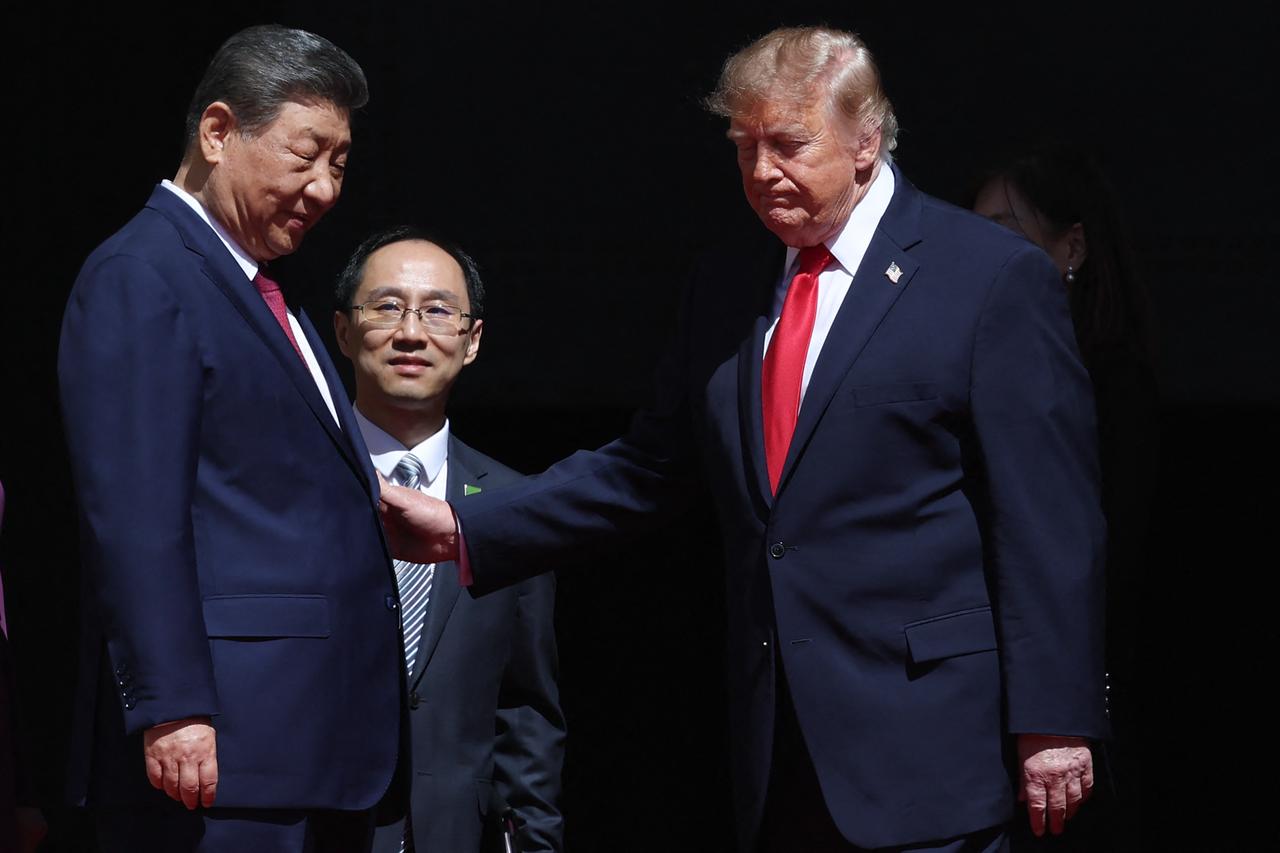
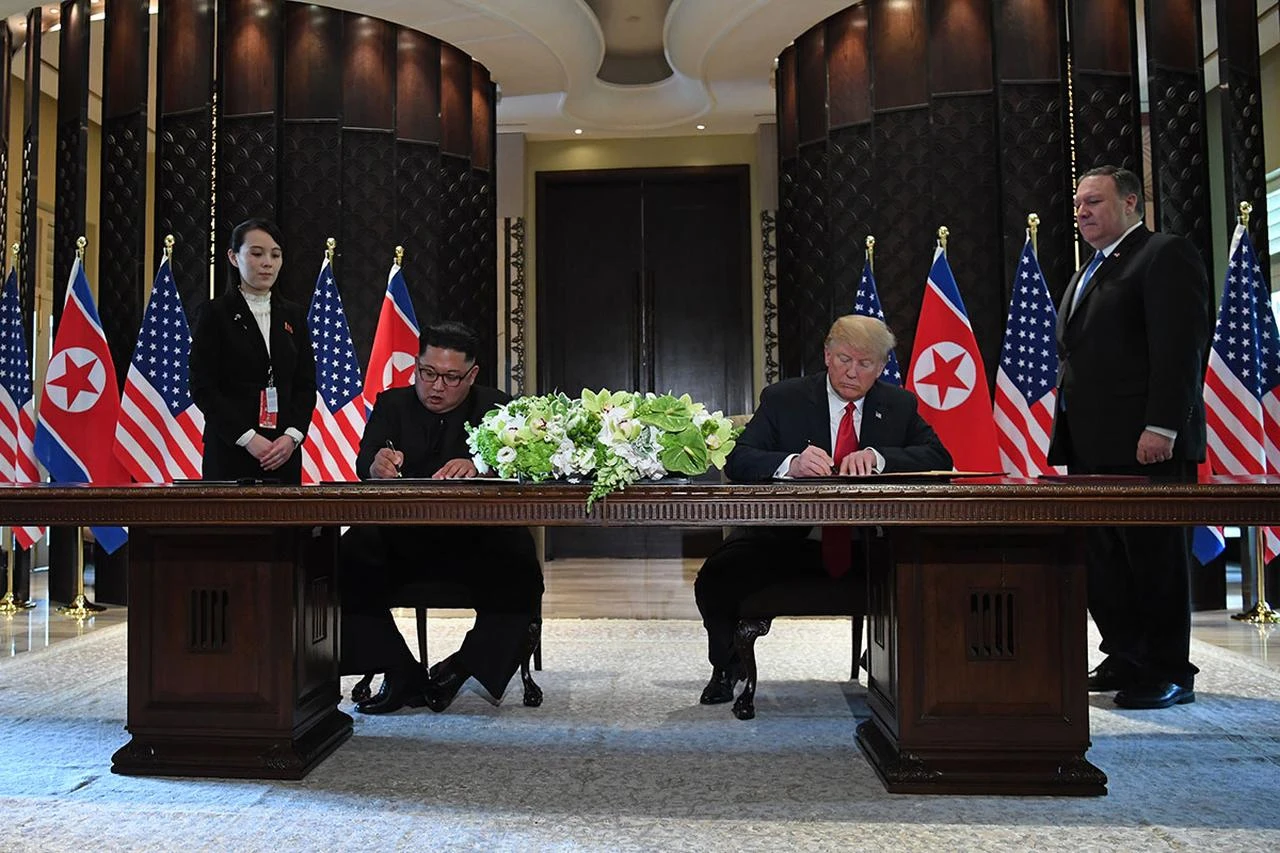
Trump has meanwhile expressed interest in meeting Kim later this year and recently said it was important to "get along" with the North Korean leader. Kim Yo Jong said her brother had "good memories and feelings" about Trump and described the relationship between the two leaders as "excellent."
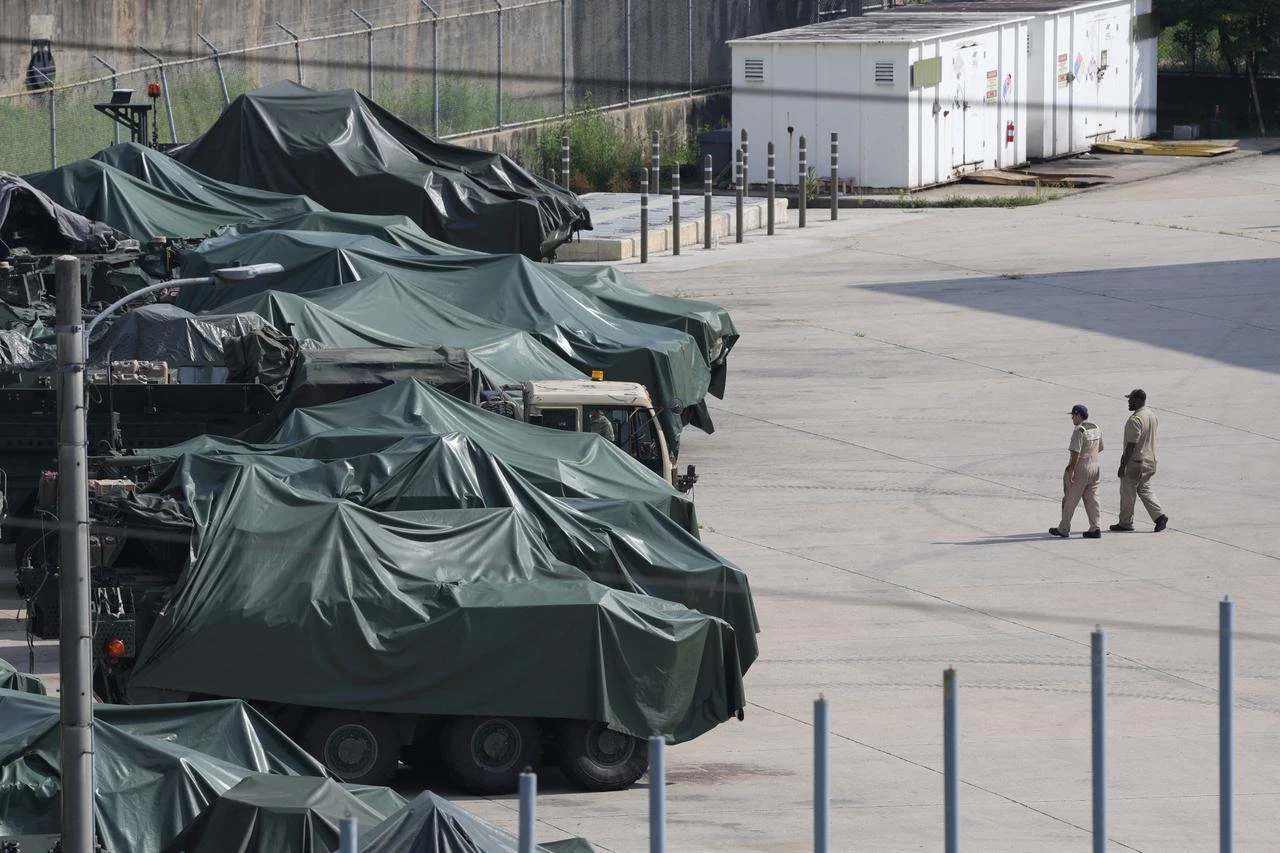
The United States maintains about 28,500 troops in South Korea, where its forces have supported the country's defenses since the 1950-53 Korean War. The conflict ended with an armistice rather than a peace treaty.
South Korean Defense Minister Ahn Gyu-back said Seoul remained against formally recognizing North Korea as a nuclear-weapon state. Asked whether Washington had abandoned its push for North Korean denuclearization, Ahn responded that he did not believe it had.
North Korea is believed to possess a significant nuclear arsenal. Trump recently put the figure at 57 "very powerful" nuclear weapons, while Seoul estimates the number at around 80-120.


 Set as preferred source
 Set as preferred source


 1 min read
 1 min read