Newsletters


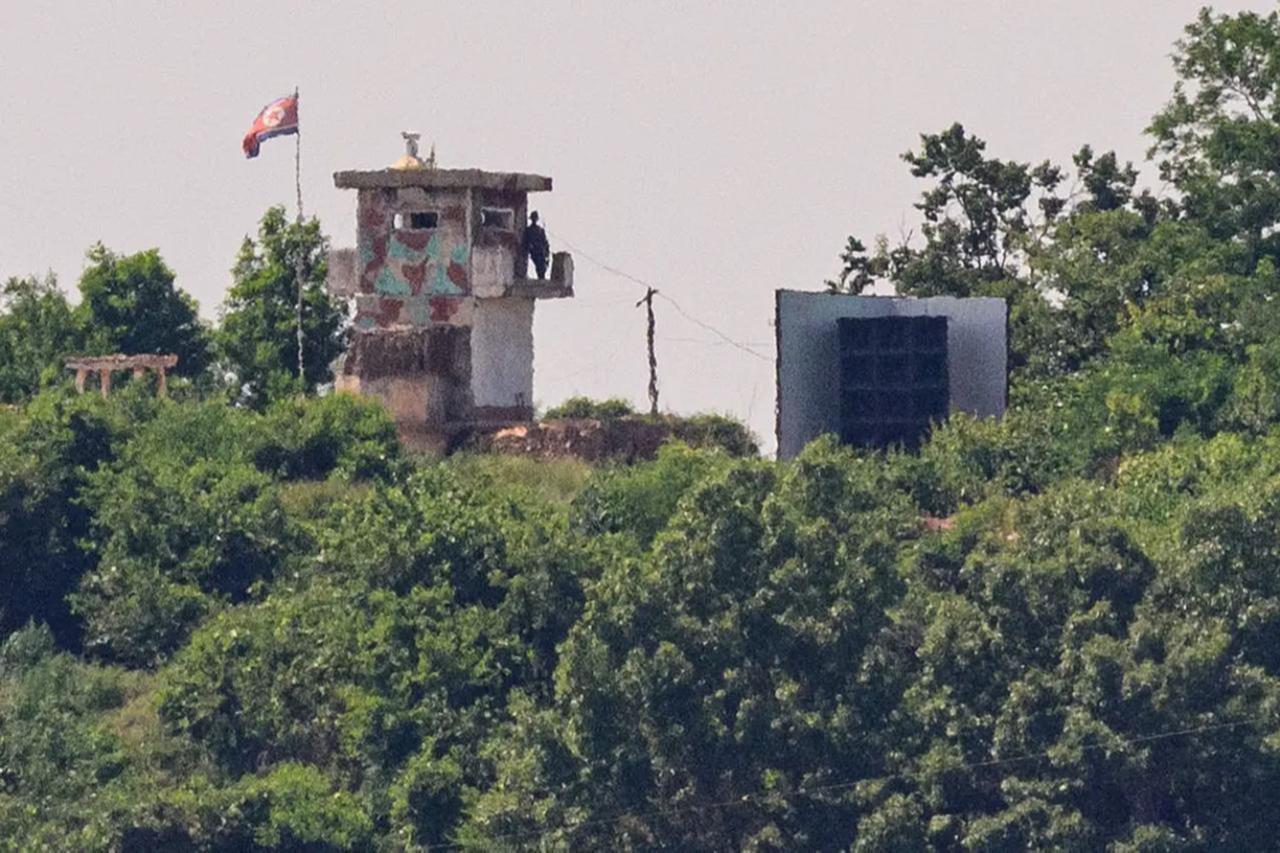


South Korea's military said Monday that North Korean landmines were likely responsible for a blast inside the Demilitarized Zone last week that injured three South Korean military officers.
The preliminary findings came from a joint investigation with the United Nations Command into the Sept. 21 explosion.
Kwon Dae-won, vice chairman of South Korea's Joint Chiefs of Staff, said at a live briefing that the evidence pointed to recently planted mines.
"The mines exploded at a location about 10 meters south of the Military Demarcation Line," Kwon said, adding that the site was close to an area where terrain changes had been observed and where North Korean forces were believed to have recently planted mines.
Kwon said two landmines exploded and that a third unexploded mine was found as soldiers withdrew from the area.
He said investigators considered the blast crater, the pattern of flames and the injuries suffered by the service members in reaching their preliminary assessment.
"We assess that North Korean landmines are highly suspected to have caused the blast," Kwon said.
The investigation has not yet been completed.
Kwon said that if the final investigation concludes North Korea was responsible, Pyongyang would bear full responsibility for the incident.
"Our military will take appropriate and corresponding measures," he said, without giving details.
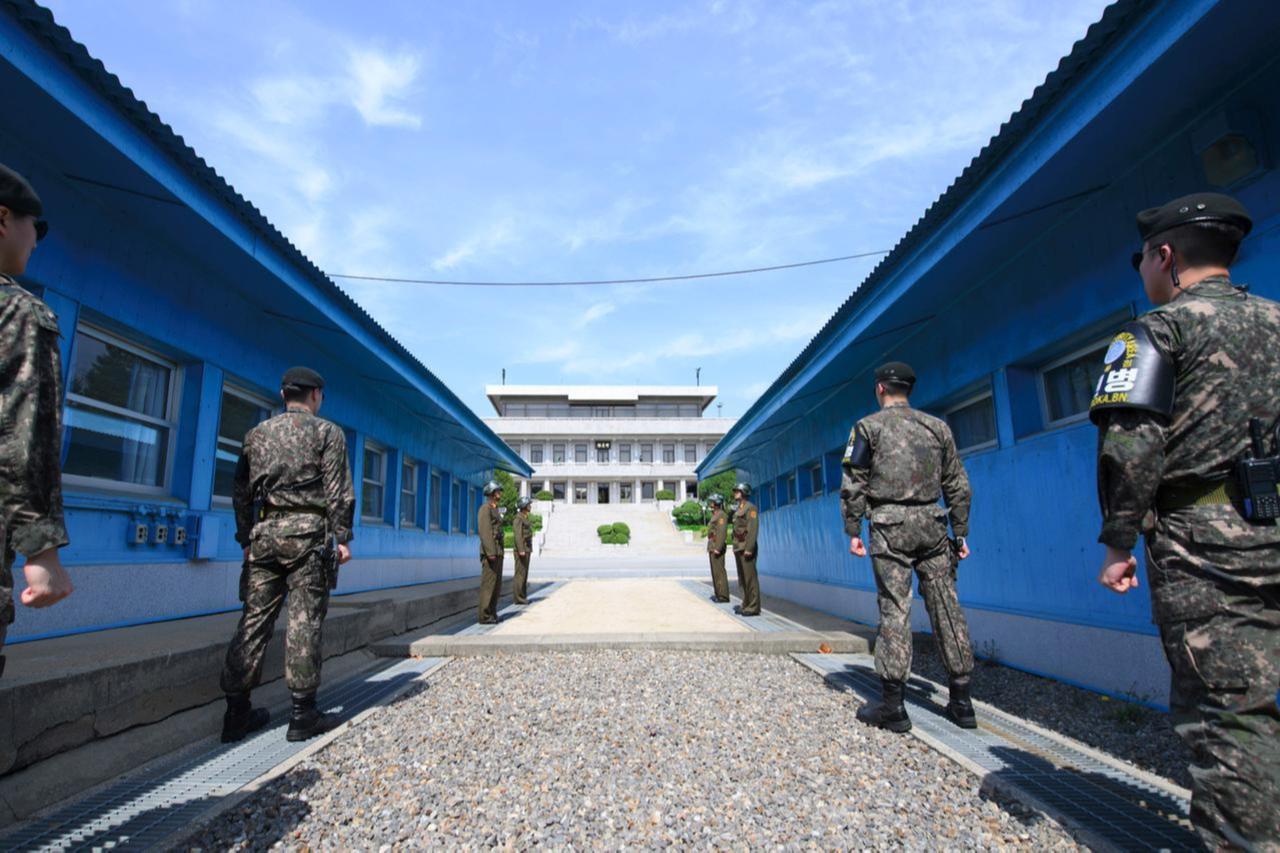
The DMZ is a 248-kilometer (154-mile) long and roughly 4-kilometer (2.5-mile) wide buffer zone that has divided the Korean Peninsula since the 1953 armistice.
Although officially demilitarized, its northern and southern boundaries are among the world's most heavily fortified frontiers and remain littered with landmines.
With no peace treaty signed, Seoul and Pyongyang technically remain at war.


 Set as preferred source
 Set as preferred source


 1 min read
 1 min read