Sign in
 Newsletters


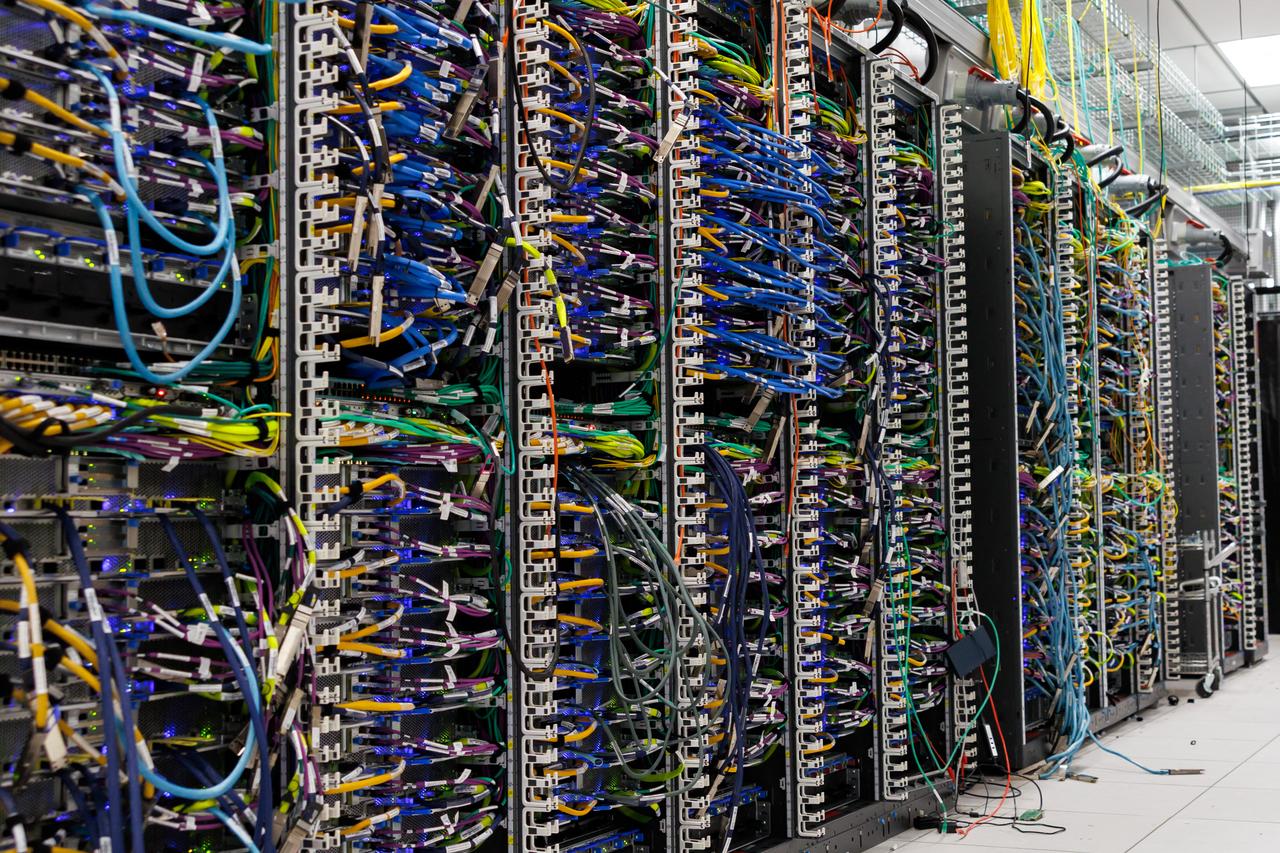


The outage that knocked out the National Security Agency's (NSA) classified internal network also disrupted operations at a Georgia facility supporting signals intelligence (SIGINT) and cyber operations focused on the Middle East, where the U.S. is at war with Iran, CNN reported on Thursday, citing four sources.
During the disruption, personnel at the NSA's cryptologic center in Georgia could not use NSANet to communicate with colleagues deployed in the region but relied on workarounds and backup systems to share information, according to the report.
Officials stressed that the agency’s most sensitive intelligence-gathering systems were still functioning.
"The National Security Agency experienced temporary degradation during scheduled routine maintenance," the NSA said in a statement. "While some internal systems were affected, mission-critical capabilities remain fully operational and our ability to defend national security continues."
Large parts of the NSA workforce stayed home for two days.
An operational update seen by CNN told Maryland non-essential day-shift staff not to report for duty Wednesday unless directed, and a senior administration official said restoration patching was going “slower than expected.”
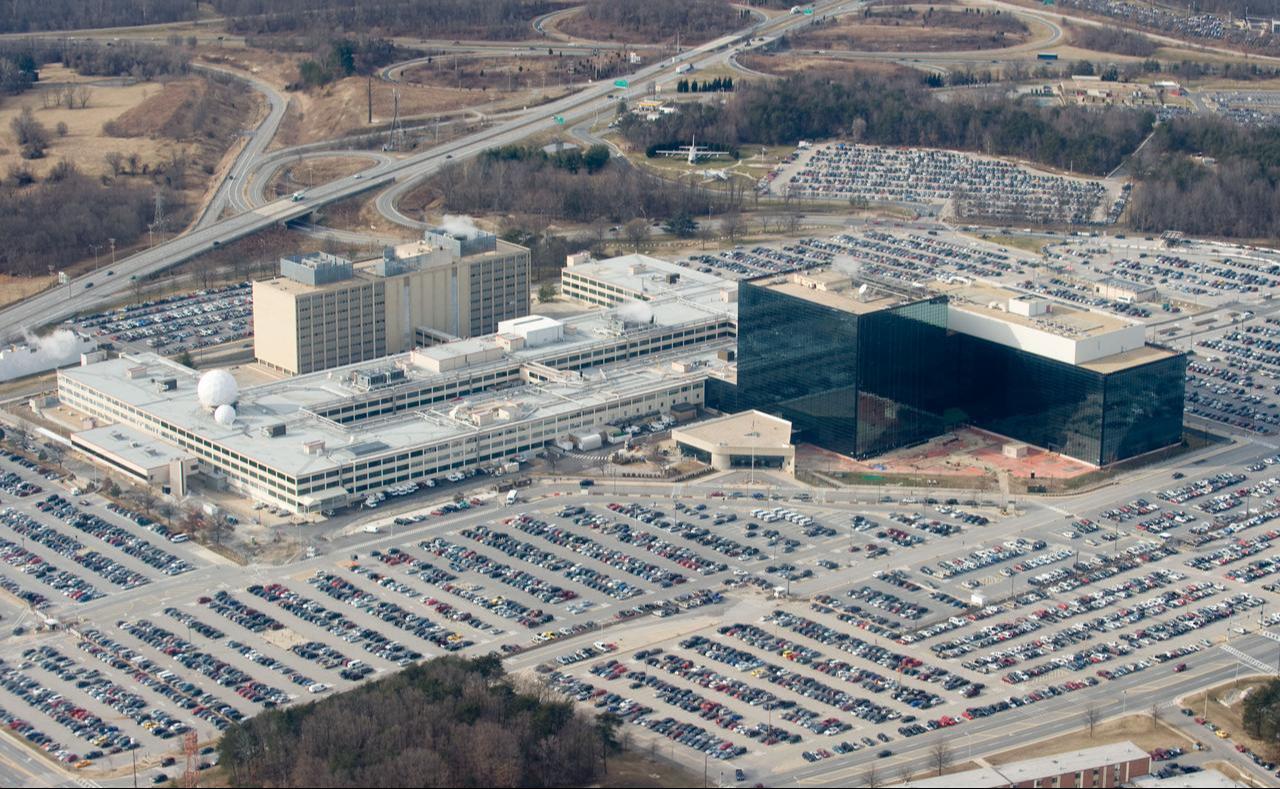
NSANet is back up, two sources told CBS News, but staggered arrivals, known as “Code Gray,” continue amid fears the system might not handle everyone signing on at once. NSA headquarters at Fort Meade, Maryland, has more than 20,000 employees.
A former senior NSA official told CNN that NSANet functions essentially as a giant classified email system and that an official in a Middle East capital who lost access would find another channel to get intelligence.

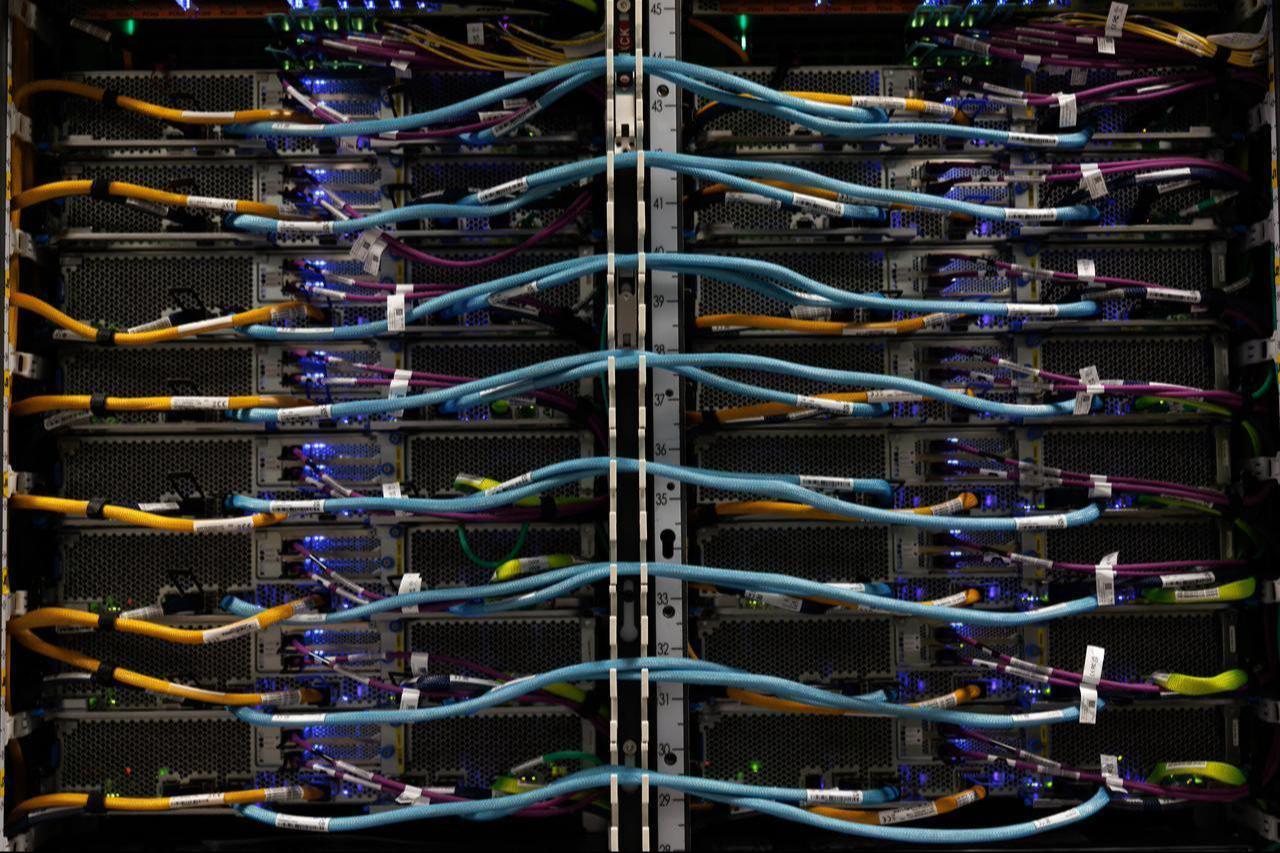
U.S. officials said the outage was not a cyberattack but appeared linked to patching vulnerabilities in PHP, a programming language used by about 70% of websites.
The flaws, known as PHP2Shell, were found with the help of artificial intelligence, and the FBI, NSA and CISA urged organizations on Oct. 21 to patch immediately.
"If you go back about 10 days ago, we had what was labeled as PHP, an update to a web interface system," Director of National Intelligence (DNI) Jay Clayton told Fox Business.
"And the patching that has gone on following that has caused some of these systems to not come back up when you patch them as expected. That is what has happened at the NSA," Clayton added.
"AI is making it possible to identify vulnerabilities across enormous numbers of systems at unprecedented speed, creating enormous pressure on companies and government agencies to patch those vulnerabilities immediately, often all at once," said Sen. Mark Warner, vice chairman of the Senate Intelligence Committee.
"The evidence so far points toward legitimate efforts to secure our systems, not malicious activity," Warner added.
"These are separate service outages associated with maintenance and technical changes. We have no indication that they have come from external threat actors or state-sponsored actors," Clayton told a House Homeland Security Committee hearing on Wednesday.
Homeland Security Secretary Markwayne Mullin said he was "98% confident that this has nothing to do with our adversaries hacking or going after our systems," and FBI Deputy Director Christopher Raia said there was "no indication whatsoever" of malicious cyber activity.
"We have zero evidence or any reason to believe that any of these isolated or individual instances have anything to do with nefarious actors," Secretary of State Marco Rubio said, while acknowledging it was "unsettling to see these reports day after day."
Vice President JD Vance canceled an appearance at a New York Times event to attend a meeting on the outages.
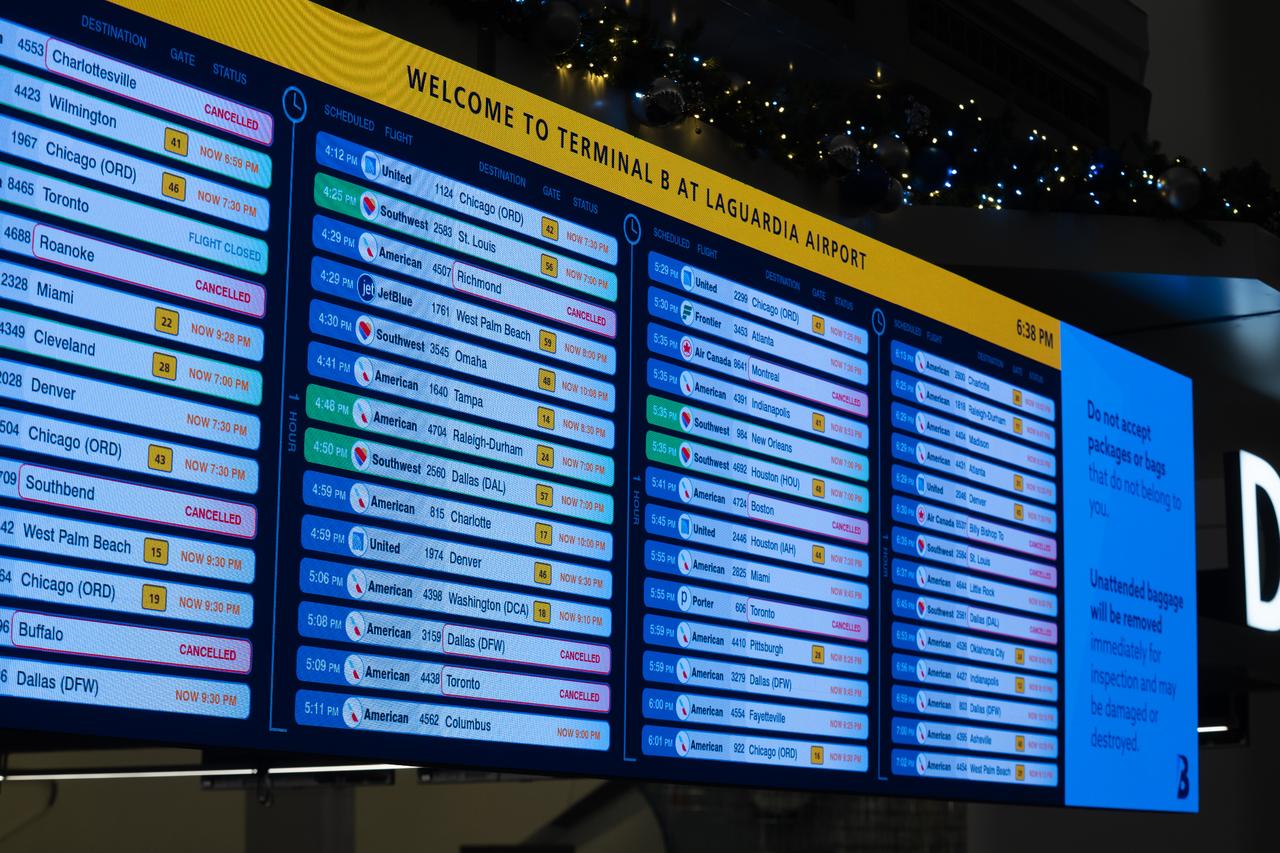
The NSA outage followed a nationwide FAA ground stop on Friday, which stemmed from routine telecommunications maintenance overwhelming older routers; a JPMorgan Chase software bug on Monday; a United Airlines system outage; Apple service outages after an internal update; and last week’s global Microsoft outage.
Officials say the incidents have distinct causes, as scrutiny grows over the NSA outage’s impact on Middle East operations.


 Set as preferred source
 Set as preferred source


 1 min read

 1 min read