Newsletters


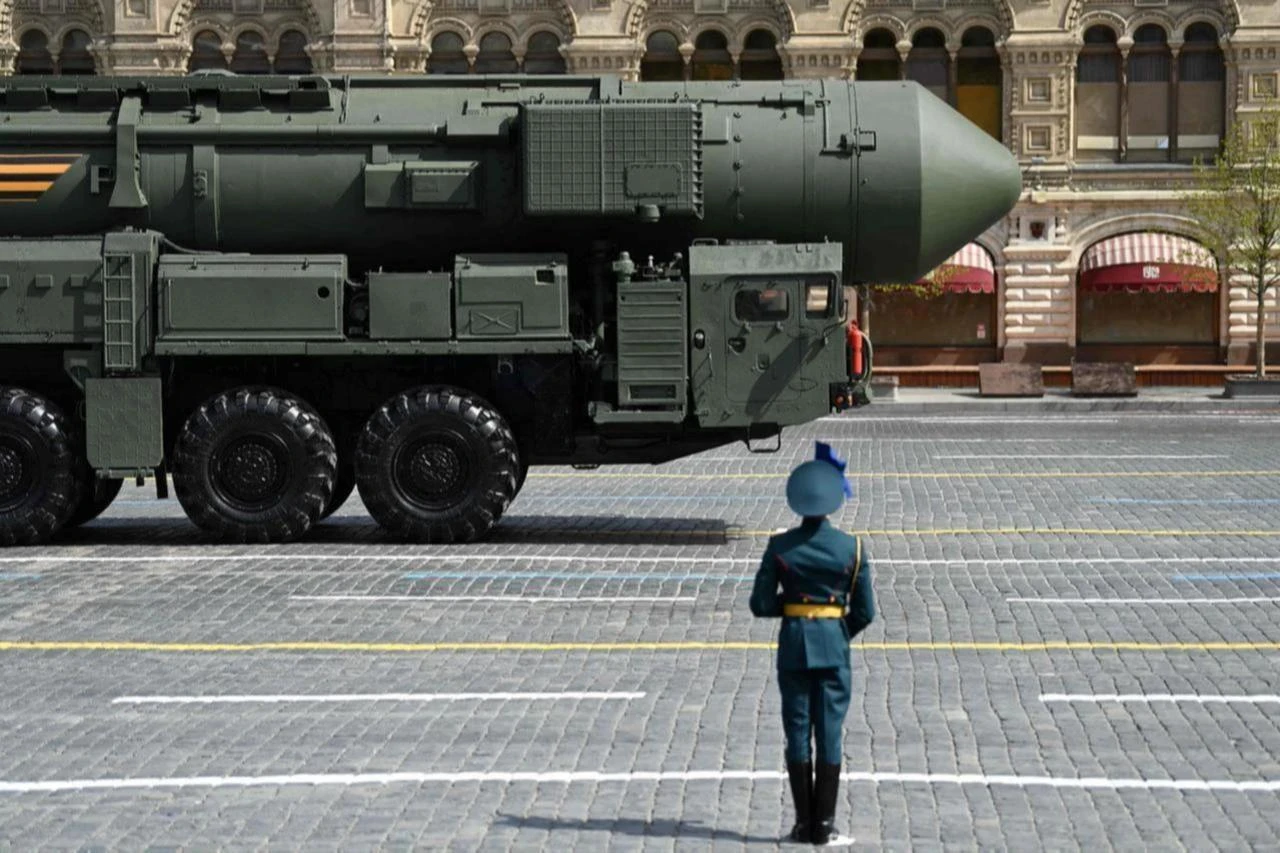


The world’s nine nuclear-armed states continued modernizing and strengthening their arsenals in 2025, while the number of warheads available for potential use and those deployed on missiles and aircraft increased, according to 2026 data from the Stockholm International Peace Research Institute (SIPRI).
The countries believed to possess nuclear weapons are the U.S., Russia, Britain, France, China, India, Pakistan, North Korea and Israel. Israel is the only country in the Middle East considered to possess nuclear weapons.
SIPRI estimated that the global nuclear inventory contained about 12,187 warheads in January 2026.
About 9,745 were held in military stockpiles for potential use. An estimated 4,012 of those warheads were deployed on missiles and aircraft, while the remainder were kept in central storage facilities.
The number of deployed warheads increased by about 100 compared with estimates from January 2025.
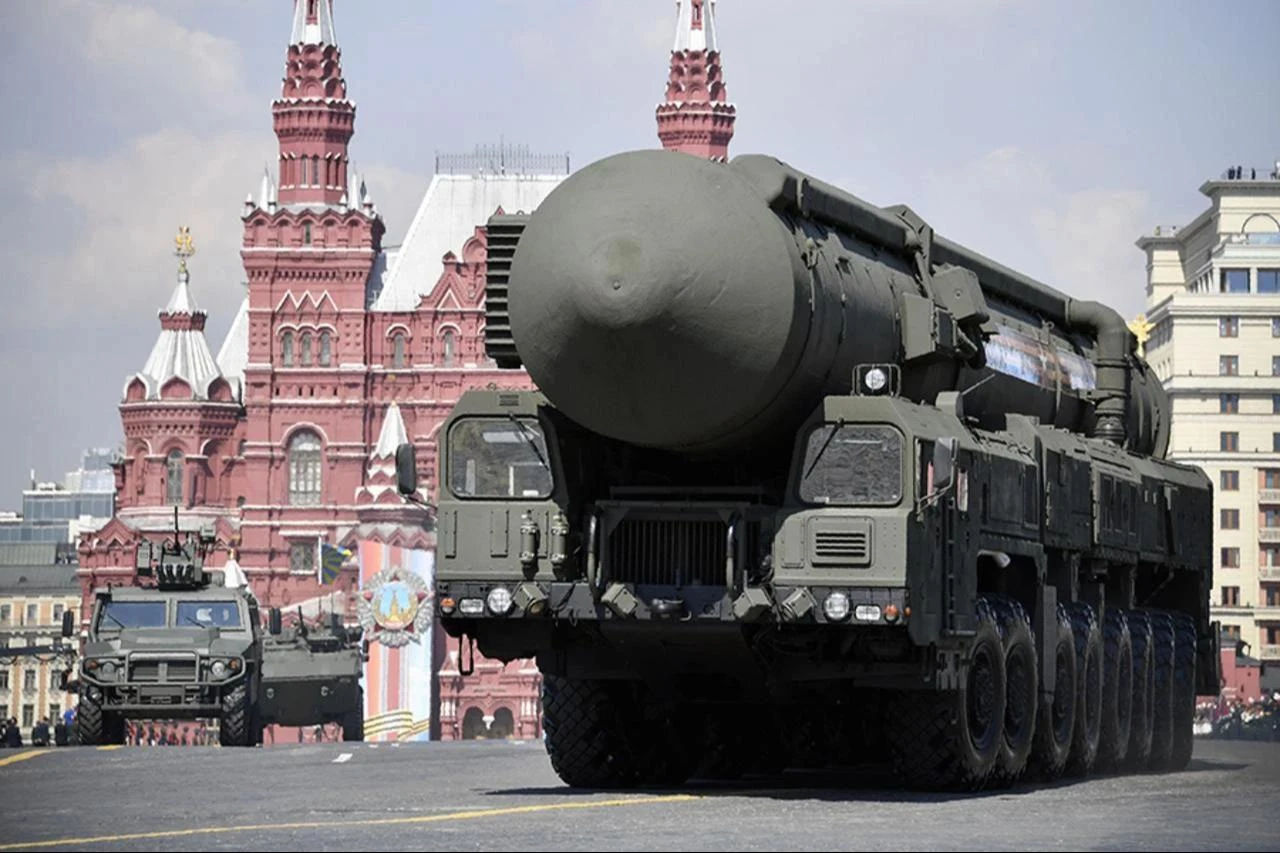

SIPRI estimated that between 2,100 and 2,200 deployed warheads were kept on ballistic missiles under high operational alert.
Nearly all of those high-alert warheads belonged to Russia and the U.S.
The two countries were estimated to possess about 83% of the nuclear warheads in global military stockpiles available for potential use and about 86% of all nuclear warheads worldwide.
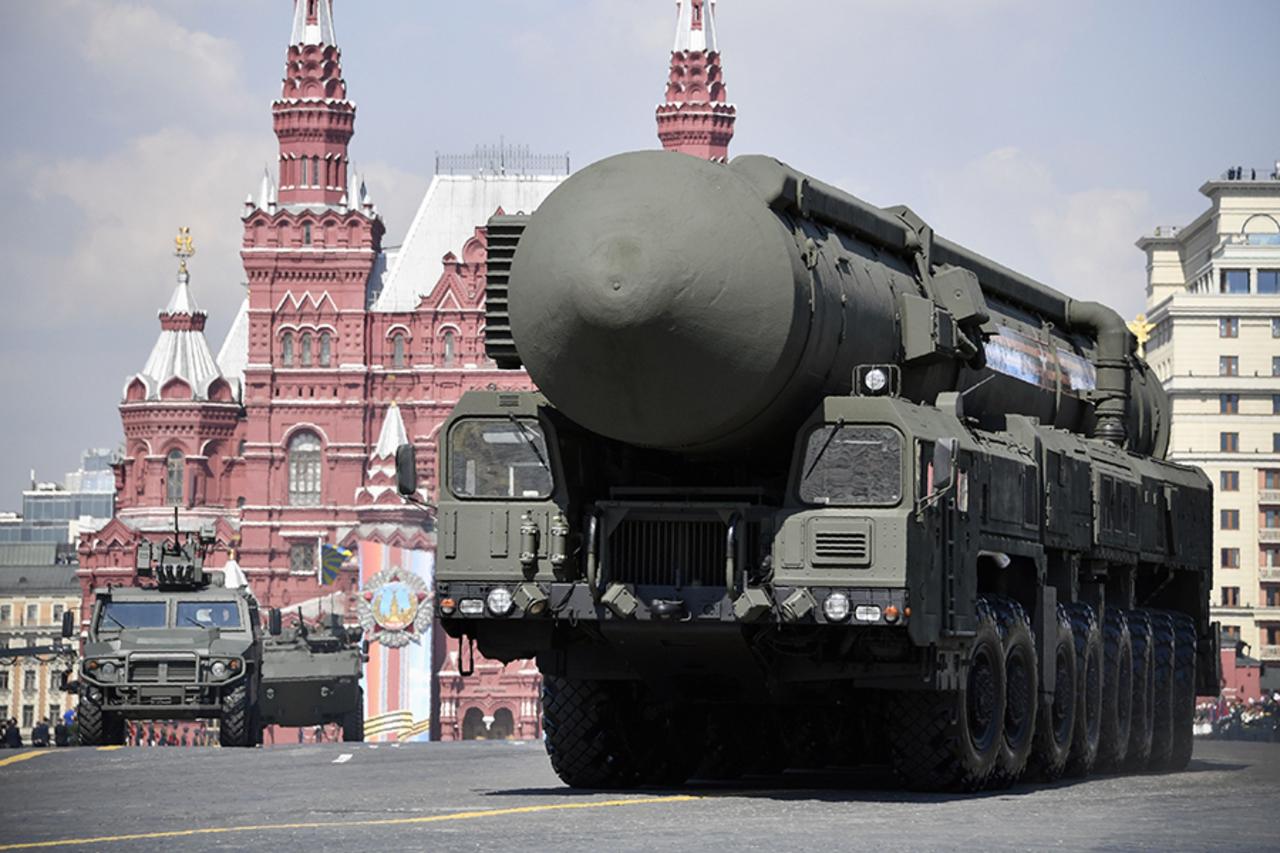
Both countries are carrying out extensive programs to modernize and replace nearly every part of their nuclear arsenals, including warheads, delivery systems and related production facilities.
Although the total number of nuclear warheads worldwide continues to decline, SIPRI attributed the reduction to the dismantling of retired U.S. and Russian warheads. The number of usable and deployed warheads, however, is increasing.
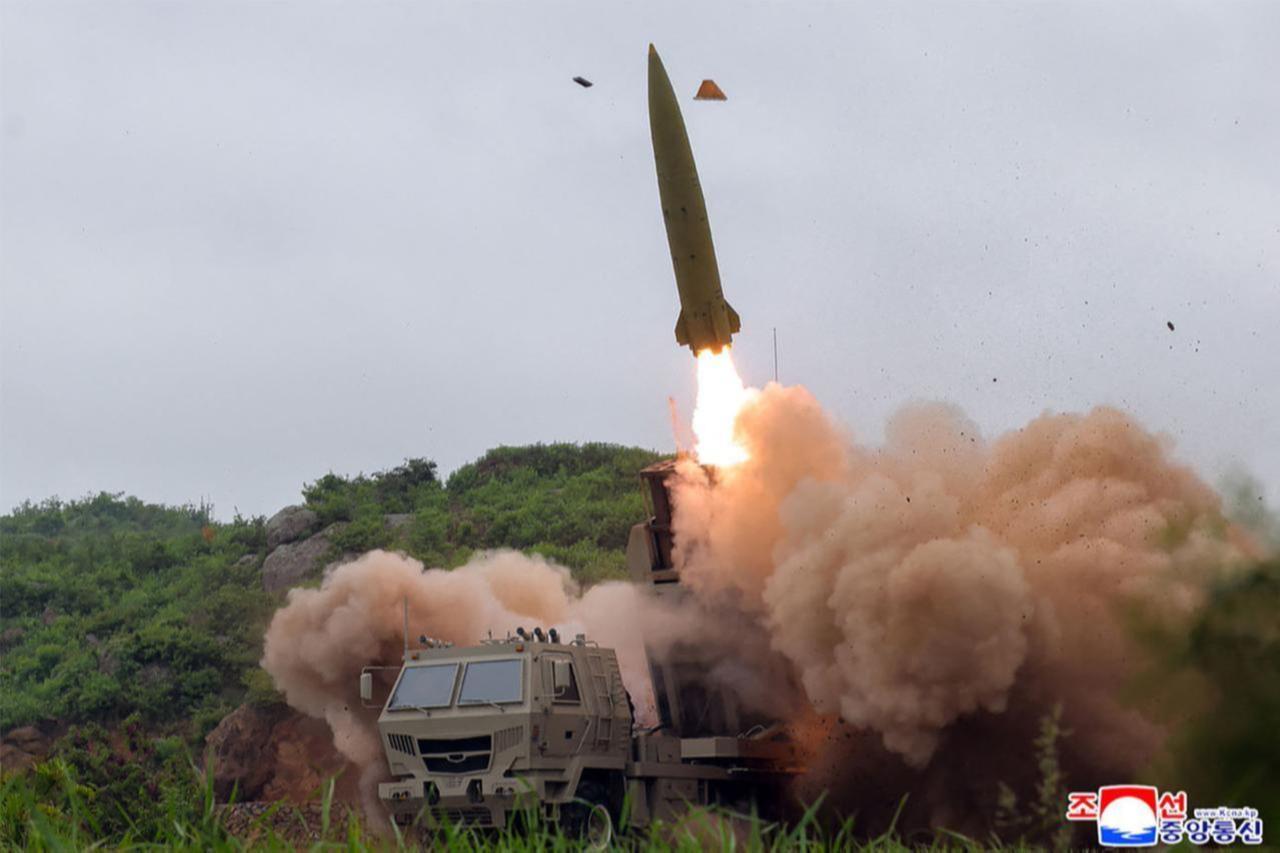
Most nuclear-armed countries also deployed new weapons systems capable of carrying nuclear warheads during 2025.
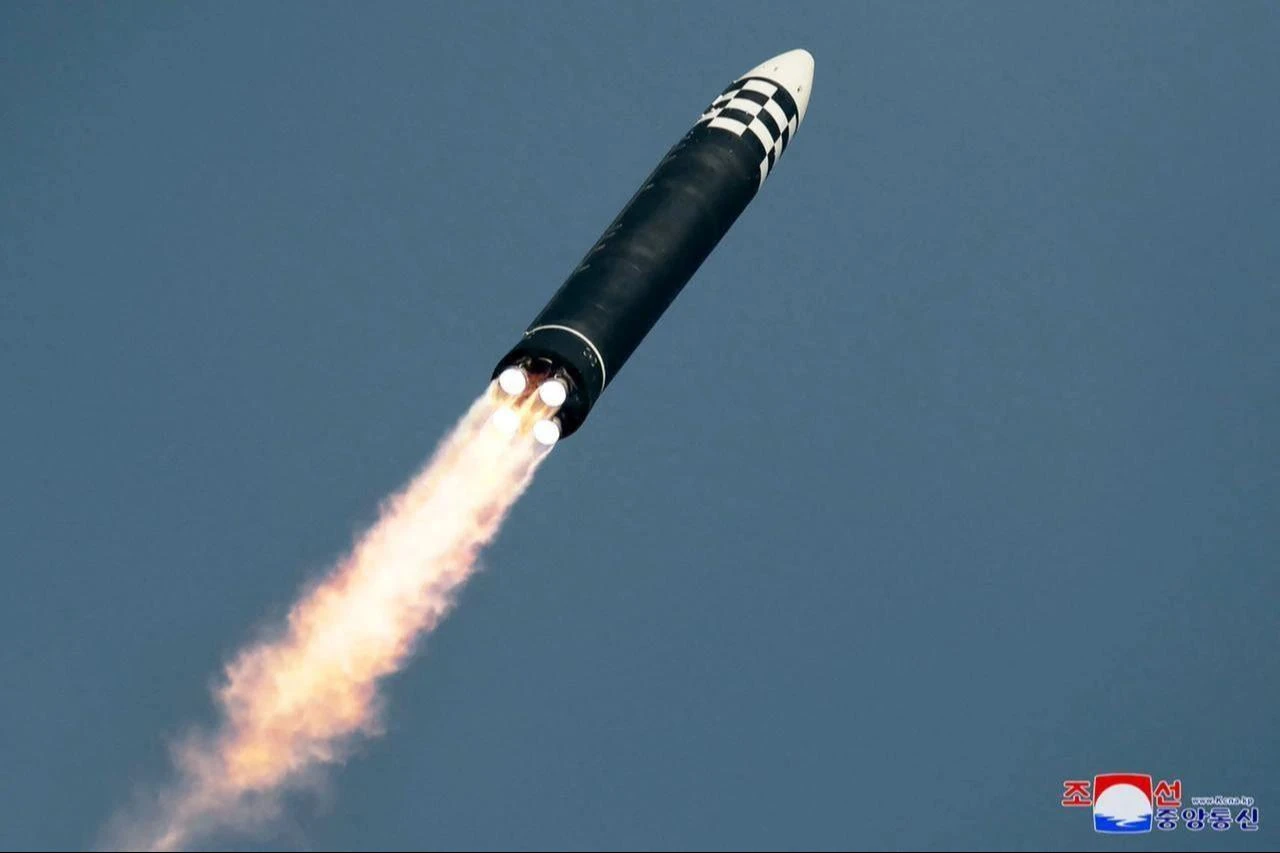
The threat posed by nuclear weapons first entered global history when the U.S. used atomic bombs against Japan at the end of World War II.
Nearly 81 years have passed since the attacks, but nuclear weapons remain a major international issue as countries continue upgrading their arsenals.
The U.S. dropped the approximately 13-kiloton atomic bomb known as Little Boy on Hiroshima at 8:15 a.m. on Aug. 6, 1945.
The explosion destroyed nearly 70% of the city and caused the deaths of about 140,000 people by the end of that year.
A second bomb, known as Fat Man, was dropped on Nagasaki on Aug. 9, killing about 74,000 people.
Japan announced its unconditional surrender through Emperor Hirohito on Aug. 15, 1945, bringing World War II to an end.
According to Japanese authorities, about half a million people died from the direct and indirect effects of the two attacks. Radiation-related cancers, physical deformities, disabilities and psychological trauma continued for years.
The attacks made the U.S. the first country in history to use atomic weapons.
More than 2,000 nuclear tests were conducted worldwide between 1945 and 1996, when the Comprehensive Nuclear-Test-Ban Treaty was adopted to prohibit nuclear explosions for civilian and military purposes in all environments.
The U.S. conducted 1,032 tests between 1945 and 1996.
The Soviet Union carried out 715 tests between 1949 and 1990, while Britain conducted 45 between 1952 and 1991.
France carried out 210 tests between 1960 and 1996, and China conducted 45 between 1964 and 1996.
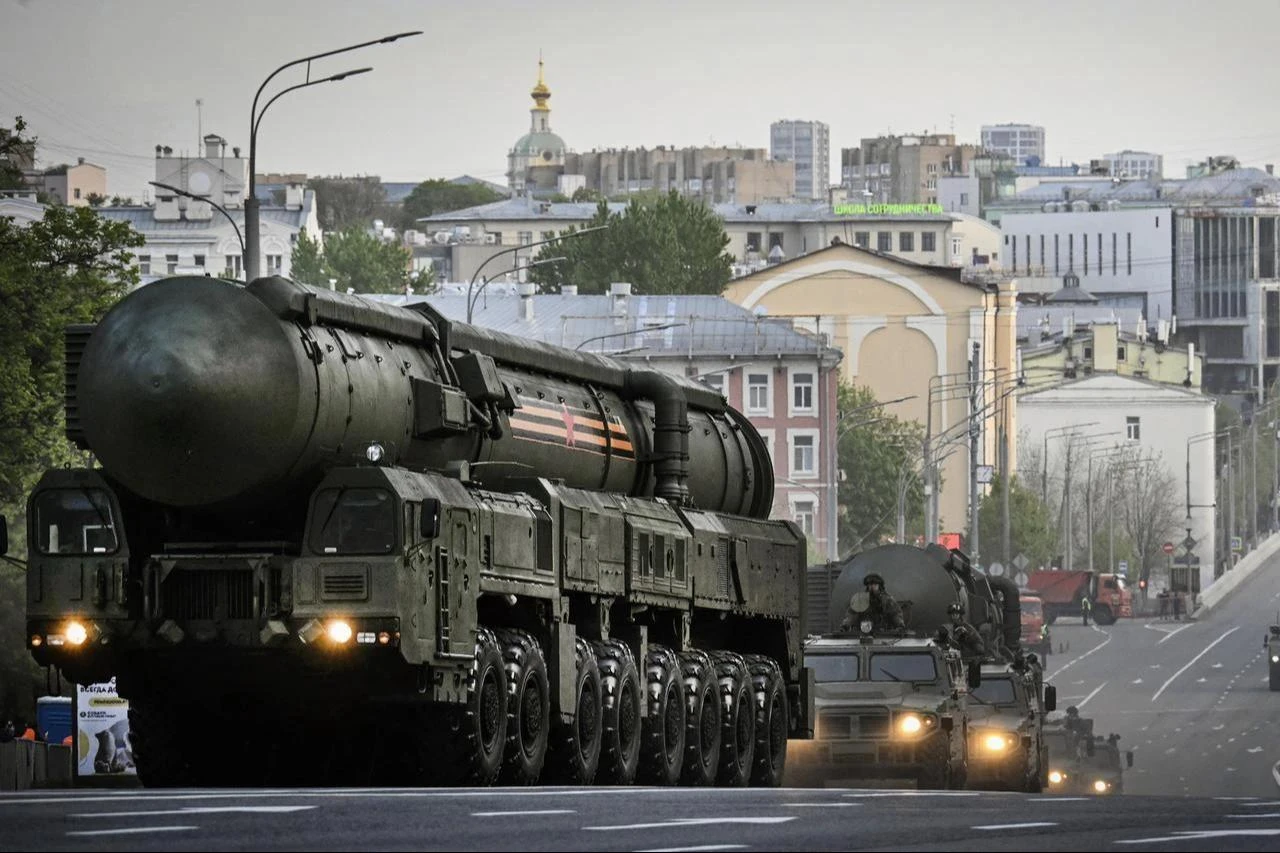
The possibility of Iran obtaining nuclear weapons has also remained a major issue in the conflict between Washington and Tehran.
U.S. President Donald Trump has said Iran’s nuclear capacity must be addressed and has repeatedly stated that Tehran must not be allowed to possess nuclear weapons.
The U.S. administration has described Iran as a nuclear threat.
Iran says it has no objective of producing nuclear weapons.


 Set as preferred source
 Set as preferred source


 1 min read
 1 min read