Newsletters


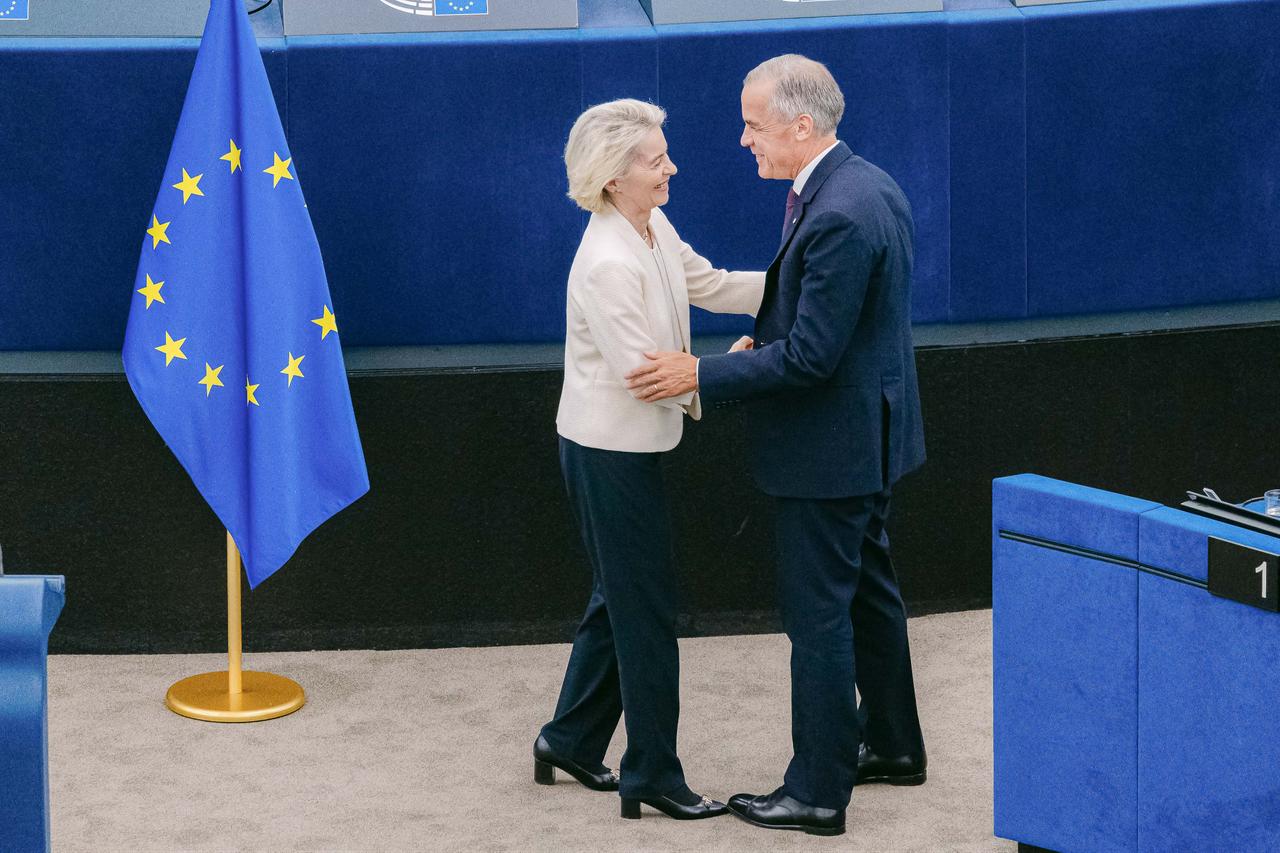


Canadian Prime Minister Mark Carney on Thursday welcomed European Commission President Ursula von der Leyen’s proposal for Canada to become the European Union’s first “associate member,” while rejecting threats from U.S. President Donald Trump and stressing that Canada would decide its own international partnerships.
Speaking to the European Parliament in Strasbourg, Carney said Canada supported the ambition outlined by von der Leyen a day earlier.
“We are not fair-weather allies. We do not pursue zero-sum deals,” Carney told lawmakers. “Canada and Europe are each strong. Europe and Canada are stronger together.”
He said the proposed partnership should serve as a “beacon for democracies” rather than an effort to dominate others.
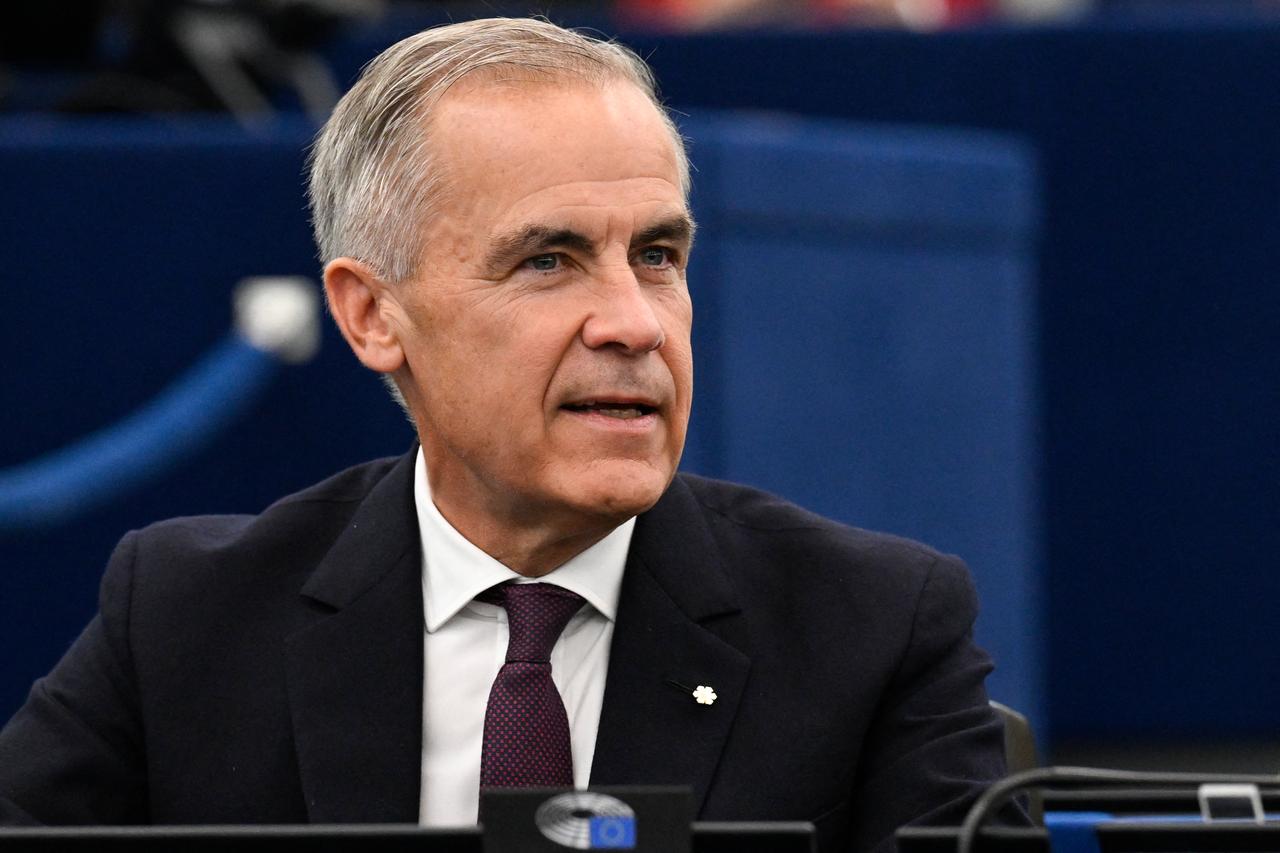

Speaking to reporters at the European Parliament, Carney pushed back against Trump’s criticism of closer Canada-EU ties.
“Canadians are united that nobody is going to tell us what language we speak, no one is going to dictate our culture, or with whom we can strike agreements internationally,” Carney said.
He stressed that Canada would decide for itself which countries and organizations it chooses to make agreements with.
Carney also said closer ties with the EU could make Canada a more effective partner to the U.S.
He added that the substance of any new relationship with the EU would be more important than the label given to it.
Carney proposed stronger cooperation in critical minerals, defense industrial capacity, artificial intelligence and computing, energy security, space and payment systems.
“Canada and Europe should secure our strategic autonomy through deep cooperation in the full range of strategic capabilities,” he said.
He also called for “seamless digital trade” between Canada and the EU and greater opportunities for young people to work and study on both sides of the Atlantic.
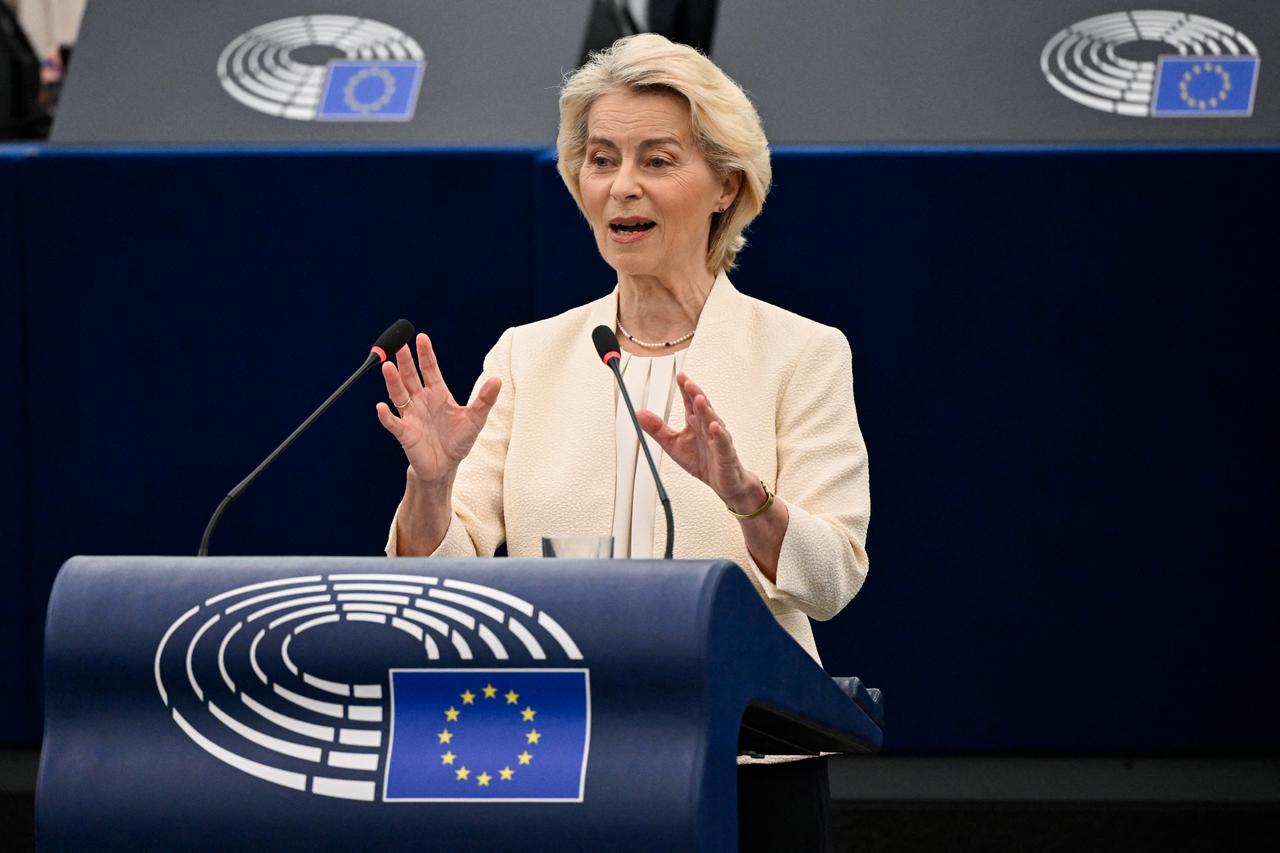
Von der Leyen had proposed associate membership for Canada during her annual address to the European Parliament.
“I would like to work with you on opening the door for Canada to be the first associate member of the EU,” she told Carney.
She also proposed cooperation on intelligent manufacturing, a technology alliance, integrated defense industrial bases and making the Arctic a flagship joint project.
The European Commission said the initiative was not directed against the U.S. after Trump threatened trade measures if he viewed the plan as hostile.
“As our president made clear yesterday, the proposed strengthening of our partnership with Canada is not against anyone else but for our common strength,” Commission trade spokesperson Olof Gill said.
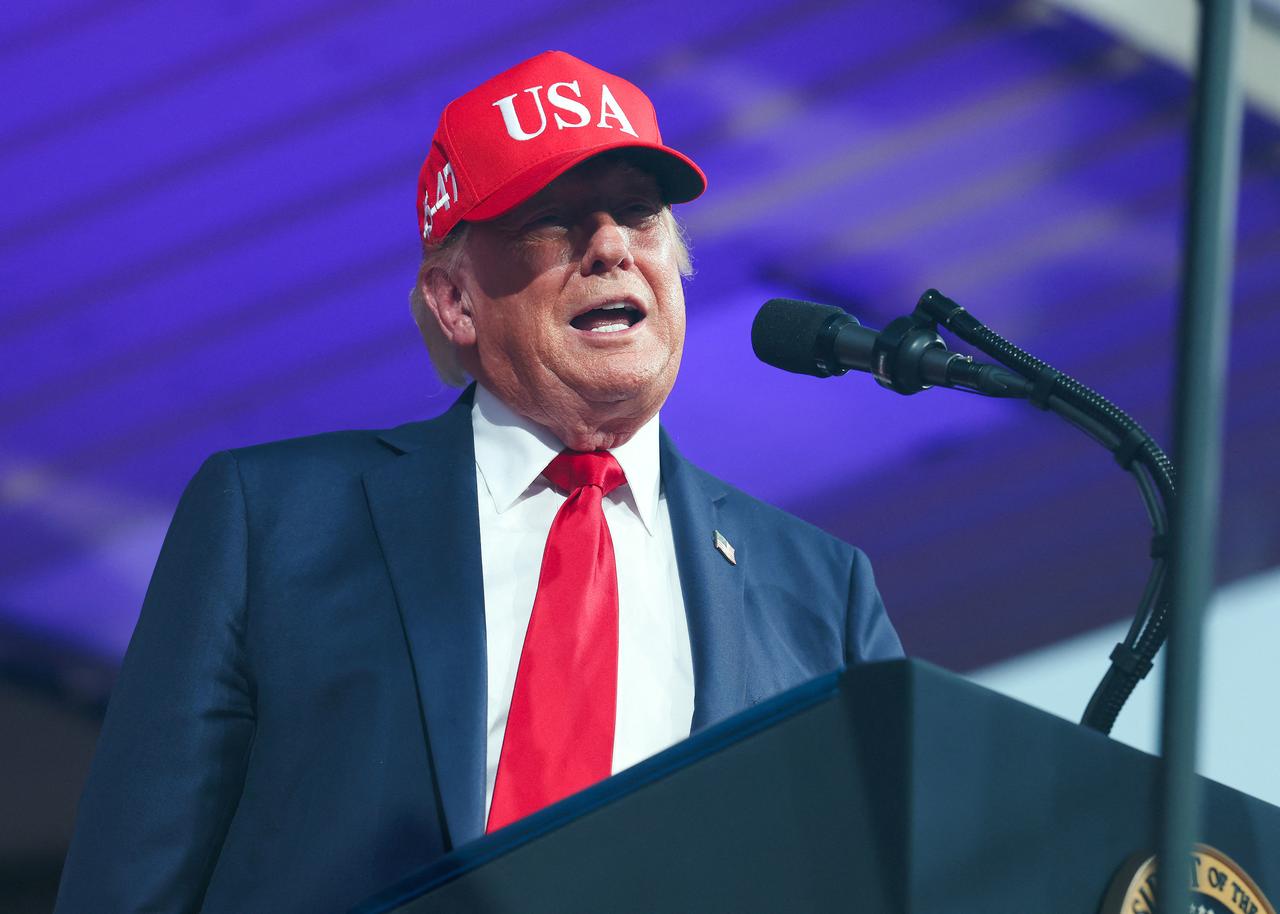
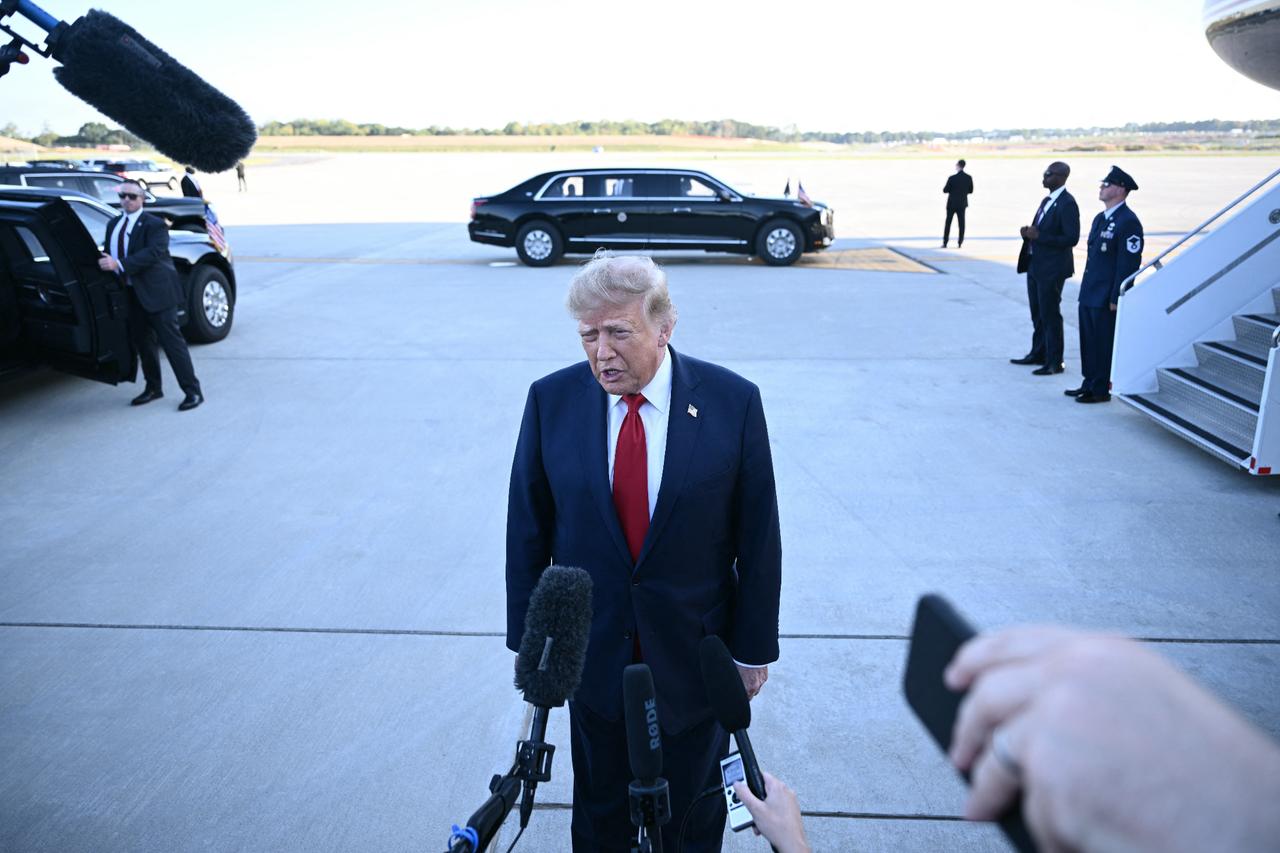
Trump called the proposal “laughable” and warned that he could impose “very serious tariffs” or “stop trading with Europe” in some areas.
“If it's a good intention, that's fine. If it's a bad intention, we'll put very heavy tariffs on Europe,” Trump said.
The proposal remains undefined because EU treaties do not currently provide for an “associate member” status.
Any new partnership framework with a third country would require approval from EU member states.
French Foreign Minister Jean-Noel Barrot said France supported “creating ever-closer ties with Canada” but that the proposal would first need to be debated and analyzed.
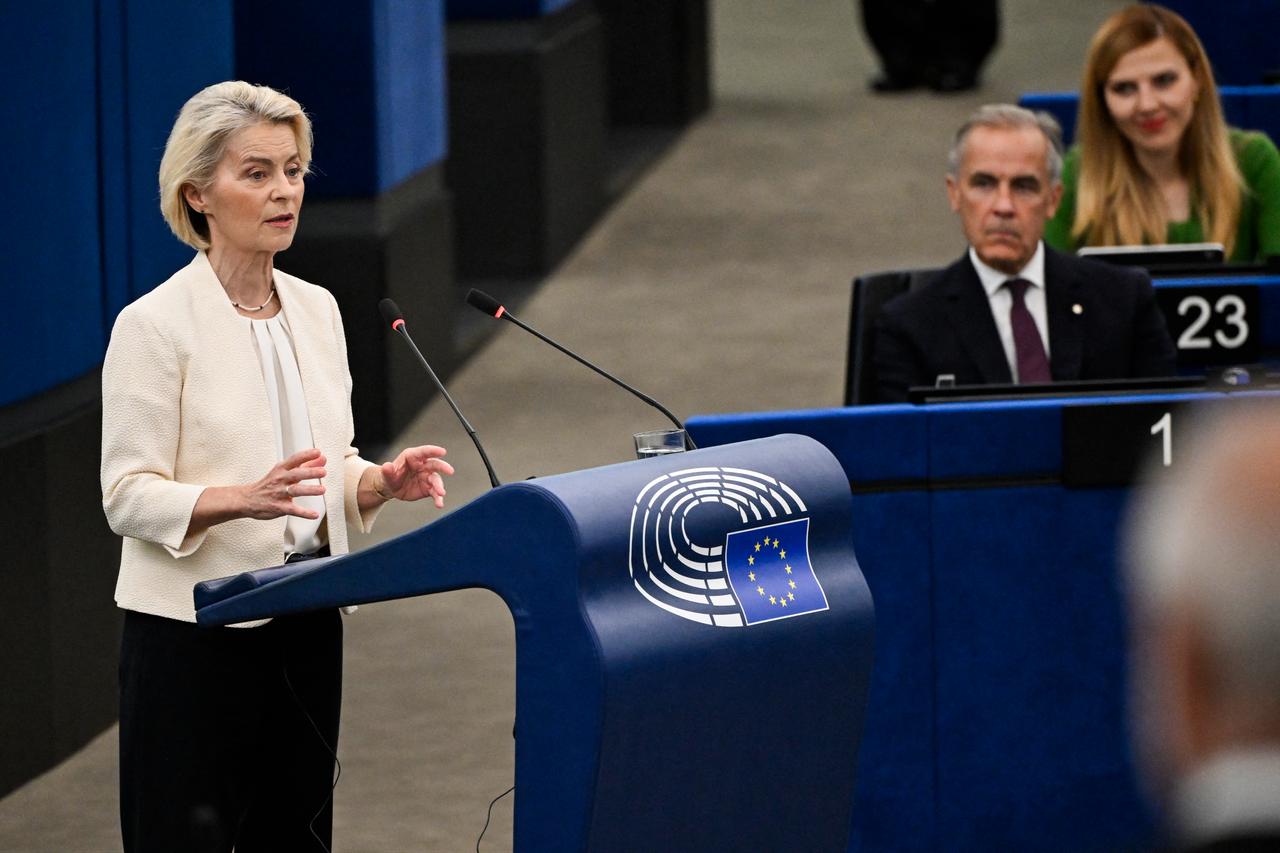
Carney has been pursuing closer relations with the EU as Canada becomes increasingly involved in a trade dispute with the U.S.
His Strasbourg visit comes ahead of an EU-Canada summit scheduled for Montreal next month.
The two sides already cooperate extensively through the CETA free-trade agreement, which removed nearly all tariffs and has been credited with increasing trade in goods and services by more than 80% since 2016.
Canada also became the first non-EU country this year to join a major EU defense loan program.


 Set as preferred source
 Set as preferred source


 1 min read
 1 min read