

 Newsletters





Nauru, one of the smallest island nations in the Pacific Ocean, northeast of Australia, has formally changed its name to the Republic of Naoero, adopting the spelling and pronunciation used in the country's local language.
President David Adeang said the country's three-letter international code will change from NRU to NRO, and that citizens, previously referred to as "Nauruan," will now be known as "dei-Naoero."
The new name is expected to be used across official documents, state institutions, aircraft and ship registrations, and in the country's designation at international organizations.

The government of Naoero described the change as a return to the country's traditional name rather than the adoption of a new one. While the nation is internationally known as Nauru, its name is written as "Naoero" in the local language.
According to the government, the use of "Nauru" became widespread historically because foreigners had difficulty pronouncing the traditional name; officials said this preference did not originate with the island's population but emerged for convenience in international use.
"Nauru" is pronounced roughly as "Now-roo" in English, while "Naoero" is pronounced "Now-ero."
Adeang said the name change is intended to more accurately reflect the country's cultural heritage, language and national identity, describing the decision as "the beginning of renewed national pride."
A proposal to give constitutional protection to the name Naoero was submitted to parliament by Adeang in January 2026 and passed both required rounds of voting.
The government had initially said in May that the change would be put to a public vote following the parliamentary approval.
After discussions with lawmakers and members of the public, officials decided a referendum was not necessary.
The government said that while referendums are typically held to determine the will of the people, the name Naoero had never been absent from public memory.
Officials noted the traditional name appears on the national coat of arms, is widely used among the population, and is recognized in the constitution.
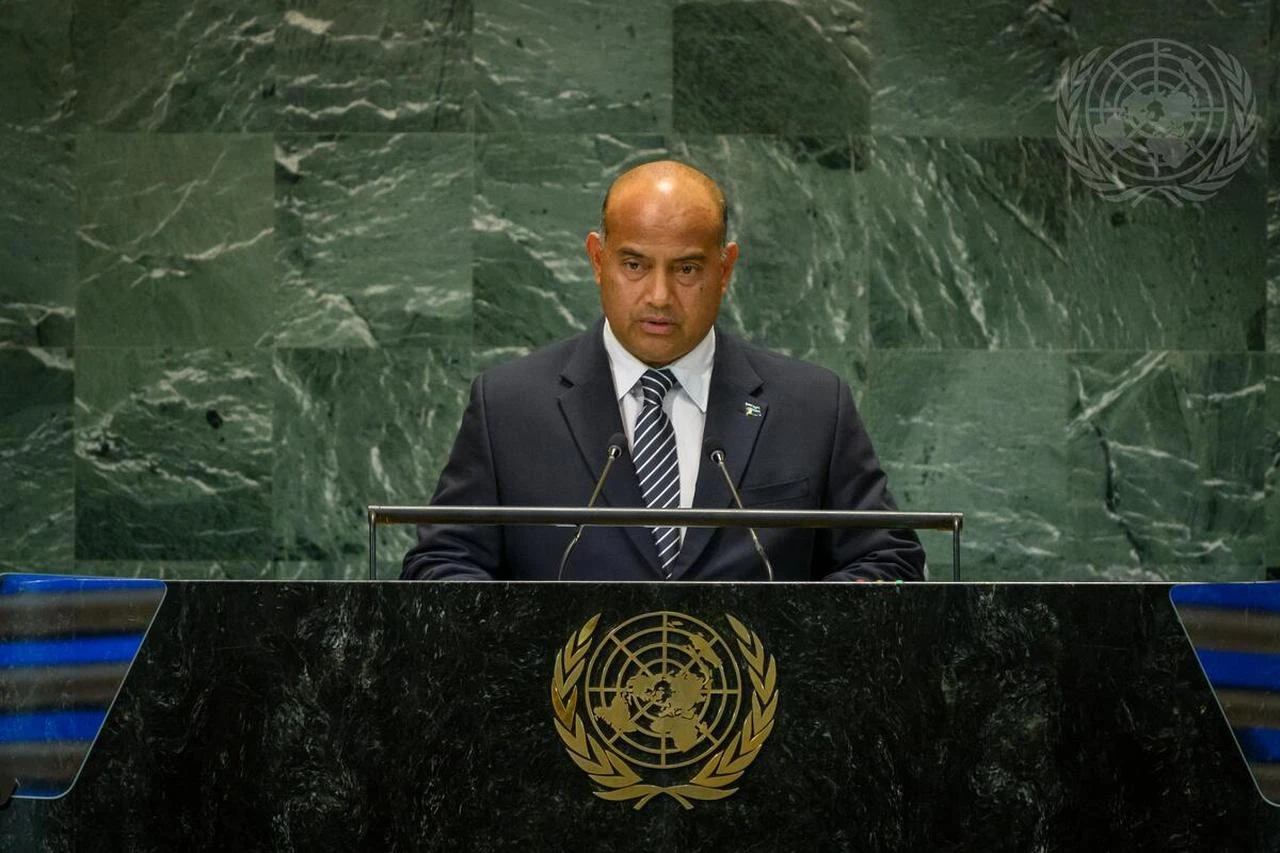
Naoero's government notified the United Nations of the country's new official name in June. UN records, along with official country lists maintained by other governments including the United Kingdom, have since been updated to reflect the name "Naoero" and "Republic of Naoero."
The country's official gazette has also begun using the new name, and the government said it is continuing diplomatic efforts to secure recognition from other countries and international organizations.
Registrations for state-owned aircraft and ships, along with official documents and symbols, are also expected to be updated to reflect the new name.
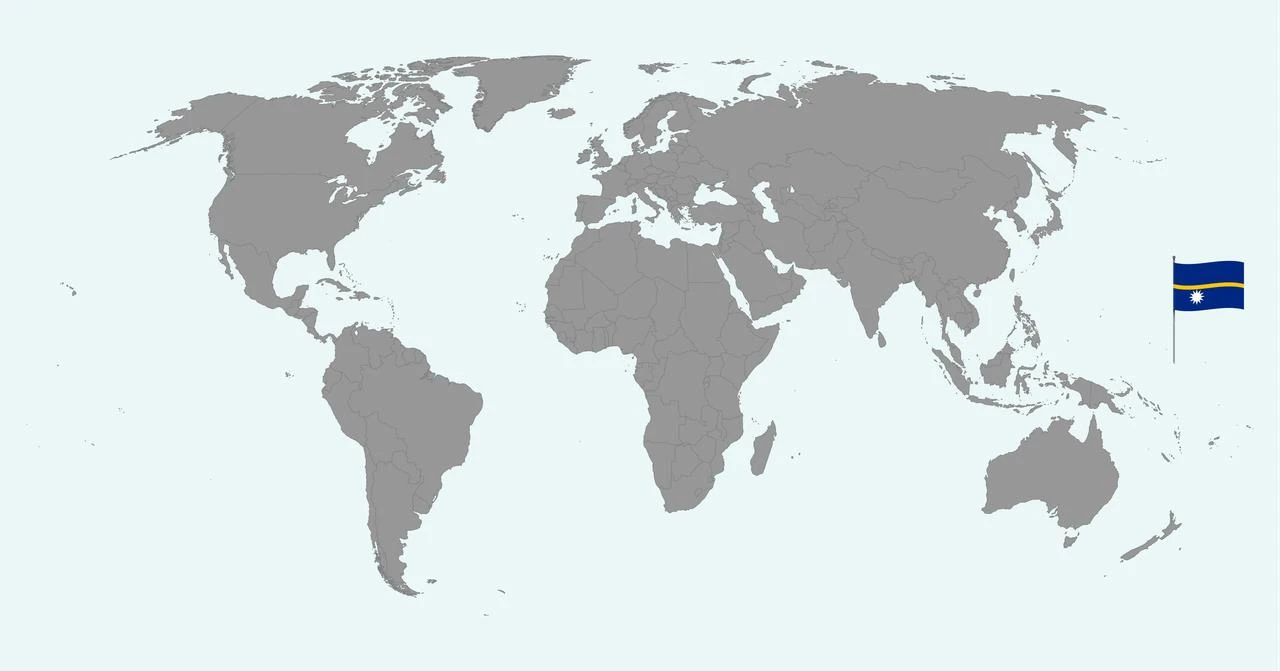
With a population of about 12,000, Naoero is the world's third-smallest independent country by population, after Vatican City and Tuvalu.
The small coral island nation became a German colony in the late 19th century and came under Australian administration after World War I before declaring independence in 1968.
In the 1970s, revenue from phosphate mining made the country one of the wealthiest in the world by per capita income. However, declining phosphate reserves combined with mismanagement of revenue led to a severe economic crisis in the 1990s.
 2 min read

One of the most serious threats facing Naoero is climate change. Rising sea levels put coastal populations and critical infrastructure at risk.
The government is planning to relocate settlements and key infrastructure to higher ground away from the coastline.
A citizenship program that grants citizenship to foreign investors under certain conditions is being used in part to fund these relocation projects.
The government has characterized the adoption of the traditional Naoero name not only as an administrative change but as a demonstration of its intent to preserve the country's cultural heritage for future generations.


 Set as preferred source
 Set as preferred source




 1 min read


