Newsletters


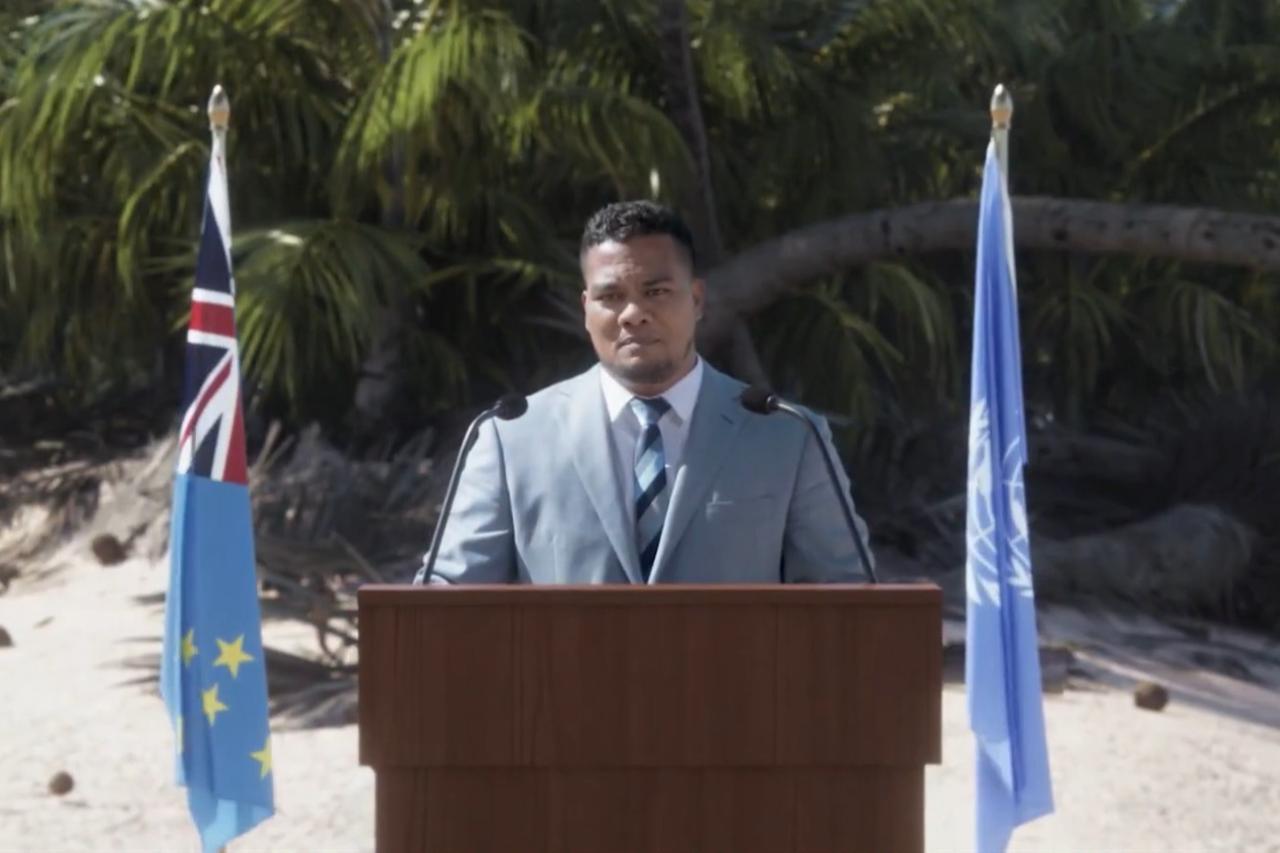


The island nation of Tuvalu on Wednesday said it shared the grave and serious concerns of other regional leaders about a Chinese long-range missile test that landed in the Pacific Ocean near its waters.
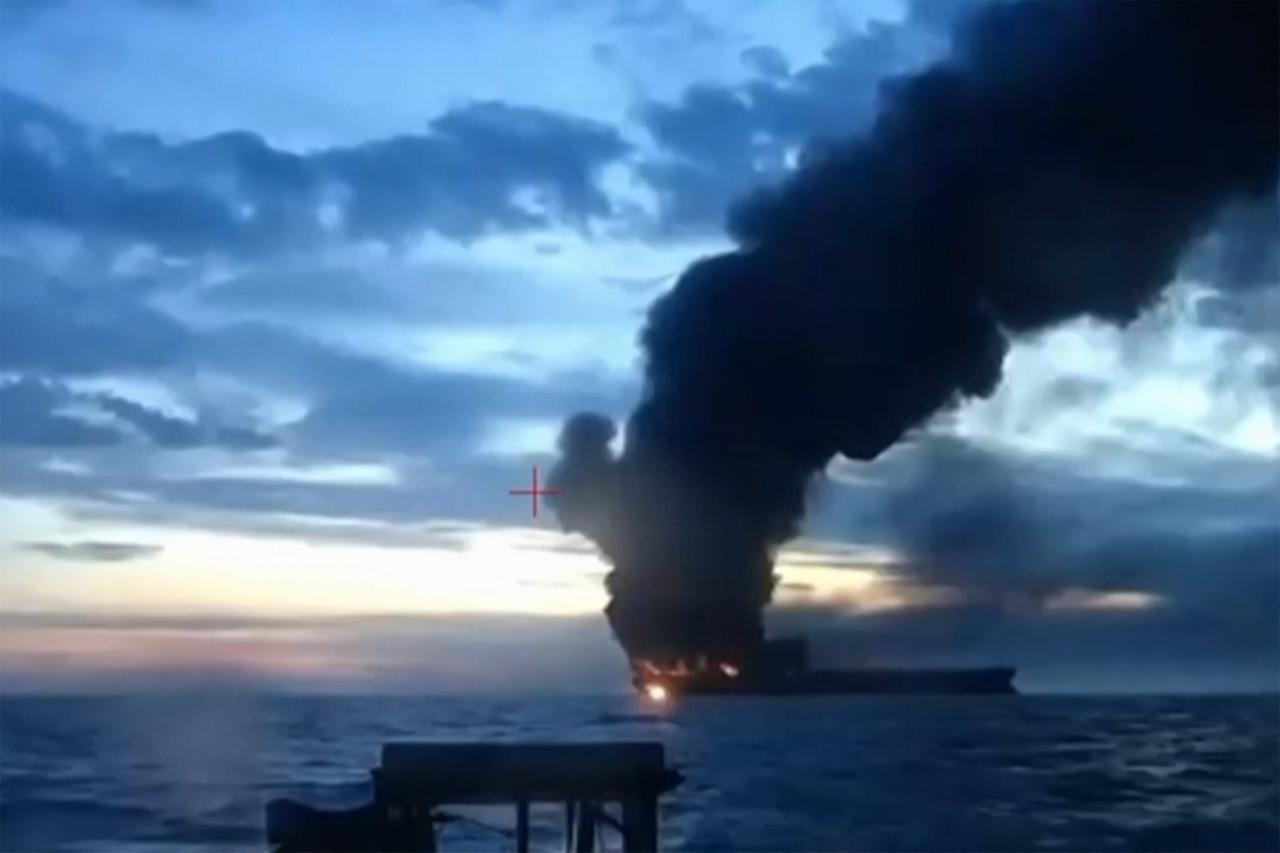
On Monday, a Chinese submarine test-fired a strategic missile carrying a dummy warhead into the ocean between the Solomon Islands, Nauru, and Tuvalu. While the missile is capable of carrying a nuclear payload, this specific test was unarmed.
Tuvalu Prime Minister Feleti Teo stated that the launch ran counter to the region's goal of maintaining a nuclear-free zone, urging superpowers "to refrain from using the Pacific Ocean as a testing ground for their military arsenals."
Tuvalu remains one of the few Pacific nations that maintains diplomatic ties with Taiwan rather than Beijing, a stance that frequently drives regional tension with China.
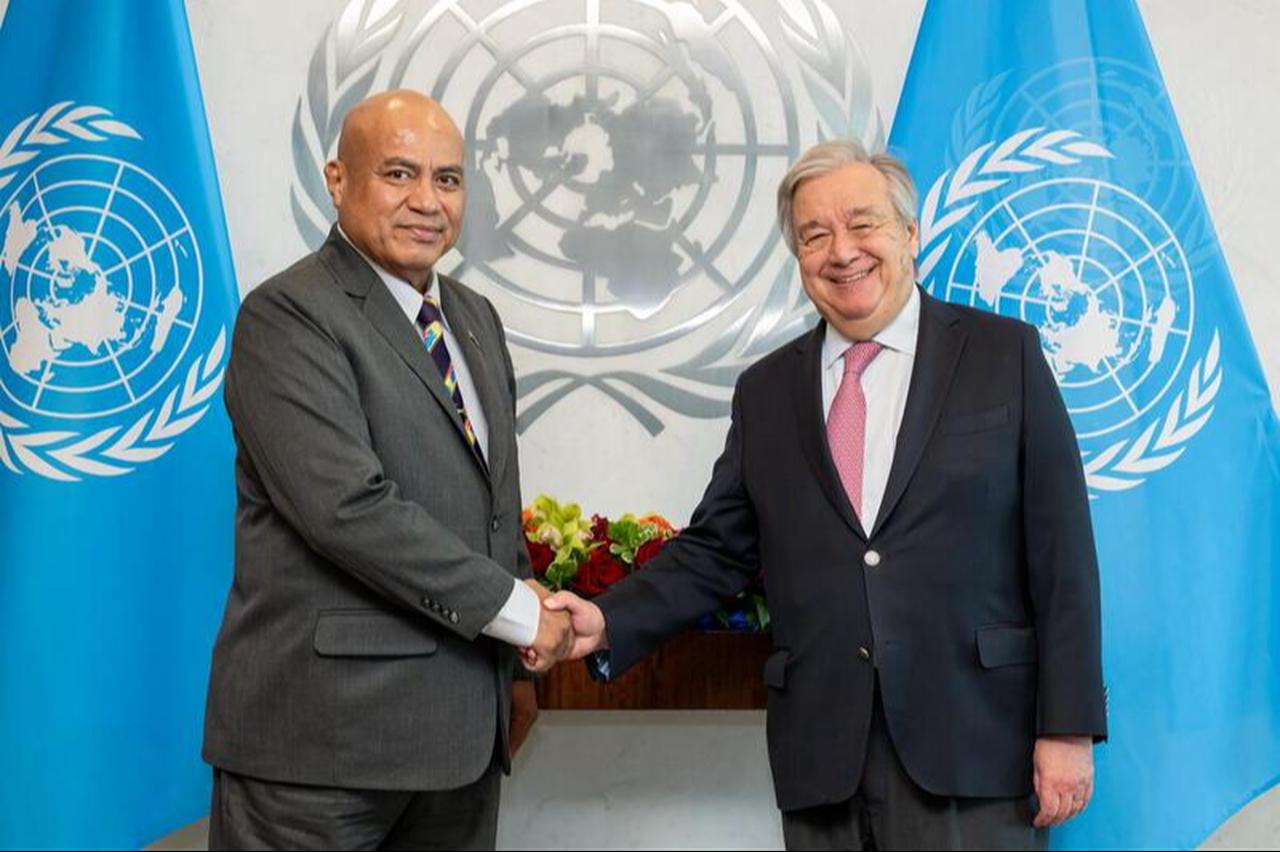

Australian Prime Minister Anthony Albanese said Wednesday that Pacific Island leaders are considering a joint statement condemning the missile test. The Pacific Islands Forum, which has 18 members, was sharing a draft statement for approval, Albanese told reporters in Brisbane before meeting with leaders from Papua New Guinea, Tonga, and Samoa.
"We are hoping that the nations of the Pacific will come together to send a strong message," Albanese said after visiting the Solomon Islands. He called the draft "a very strong statement."
Australia, New Zealand, Japan, and the United States condemned the missile test. Some South Pacific countries that depend on aid and loans from Chinese banks for infrastructure have been hesitant to criticize Beijing publicly. On Tuesday, the Solomon Islands said it had filed a protest over the launch.
Tonga's leaders said they would join the upcoming joint statement, supporting a Pacific-led plan to call the region an "ocean of peace." This proposal aims to limit military competition among outside powers in the Pacific.
Albanese met in Brisbane with the leaders of Tonga, Papua New Guinea, and Samoa to discuss security, and later hosted them at a rugby league match. Australia’s long-standing investment in Pacific rugby programs acts as a soft-power tool to build regional alliances and edge out China in the contest for local government support.
The missile launch happened at the same time as Australia and Fiji signed a defense alliance. This is one of several security agreements Canberra has made with South Pacific nations as it seeks to prevent China from establishing a permanent security presence in the region.
Fiji's government said it had warned China's embassy not to carry out the missile test. Officials also pointed out that it was unusual for a Chinese missile-tracking ship to be docked in Fiji during the launch, saying the timing was hard to explain as part of normal naval activity.
Australia has stepped up its efforts to build security partnerships in the Pacific in recent years, signing several agreements to counter China's influence among the region's smaller island states. Many of these countries face significant economic challenges due to climate change and limited funding options for infrastructure.
Officials familiar with the draft say that once finalized, the Pacific Islands Forum statement would be one of the bloc's strongest collective responses to a single security incident involving an outside power.


 Set as preferred source
 Set as preferred source


 1 min read
 1 min read