Newsletters


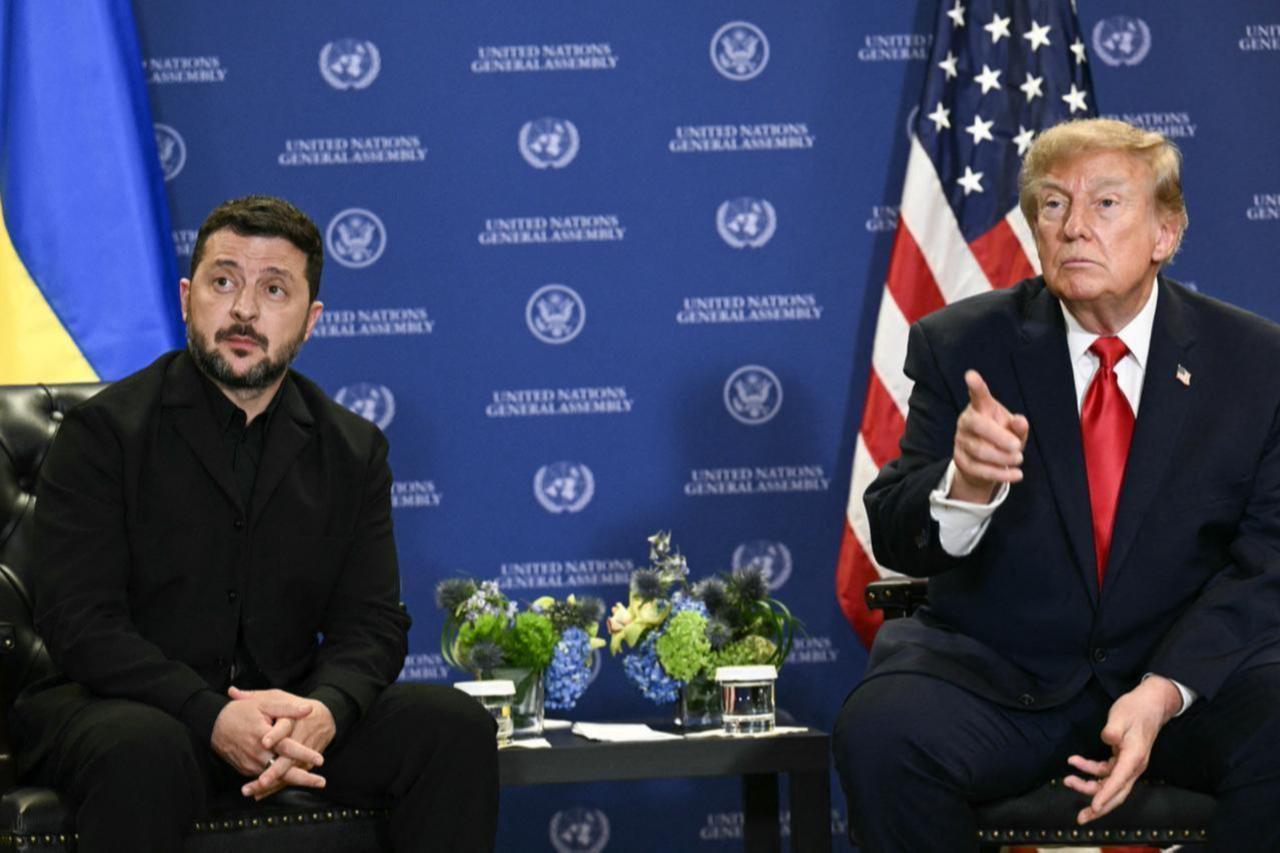


When Donald Trump returned to the White House for his second term, his distrust of Ukrainian President Volodymyr Zelenskyy was no secret. In the president’s eyes, the Ukrainian leader was an icon nurtured by the Democratic establishment, a figure whose endless appeals for aid prolonged a costly war.
Yet, after their tense Oval Office encounter, the two leaders had managed to broker an uneasy truce.
That fragile alignment fractured the moment American gas station prices began to spike. With the Strait of Hormuz still severely choked off by the conflict involving Iran, global oil routes stalled, sending U.S. diesel prices climbing toward a crippling $6 a gallon ahead of the midterms.
Facing fierce domestic pressure over inflation, Trump began pulling every economic lever at his disposal. From his perspective, Ukraine, having received unprecedented billions in American financial and military support, was one of those levers.
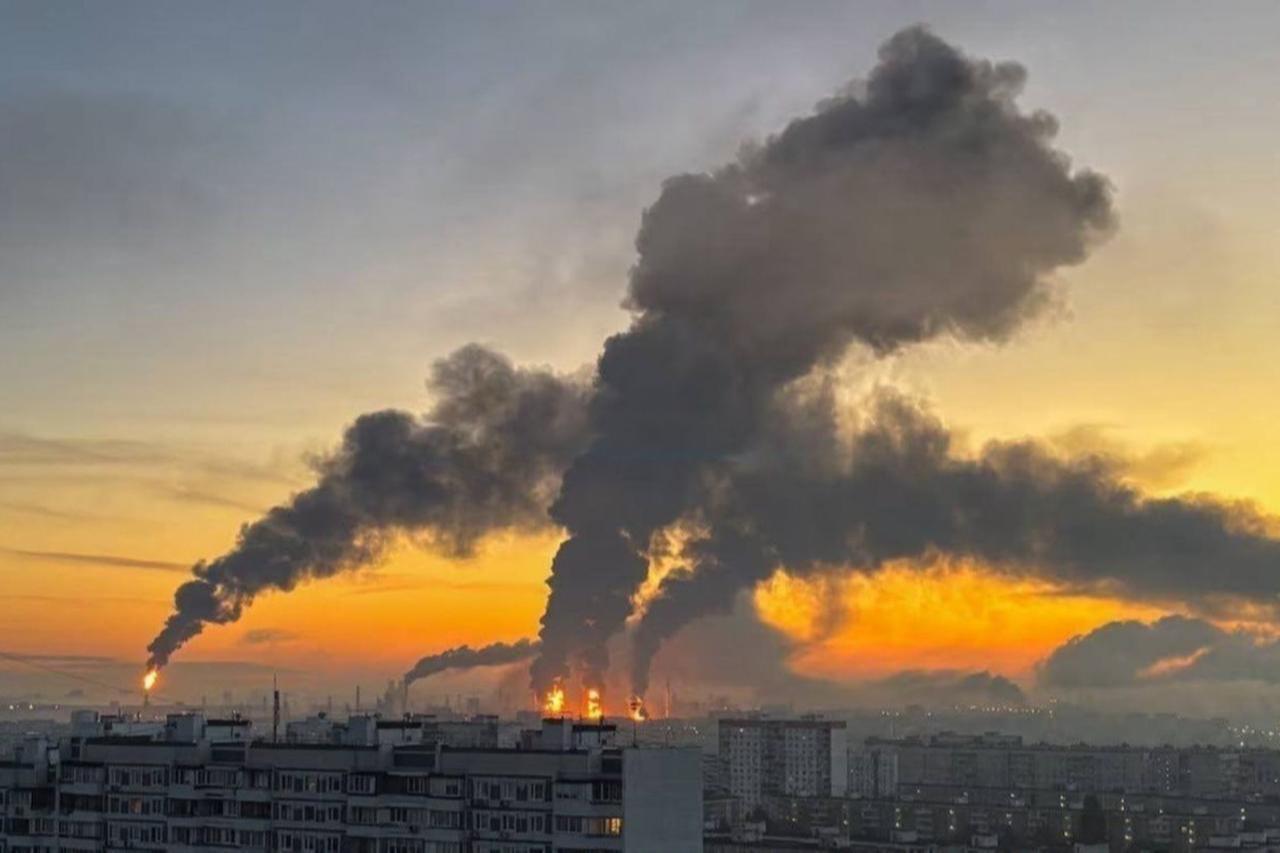
For ten months, Ukrainian drone strikes had relentlessly hammered Russian oil refineries, cutting Moscow’s diesel output by 30%. Trump saw a pragmatic fix: if Kyiv halted these strikes, Russia could release millions of tons of diesel back into global markets, instantly easing the strain on American drivers.
To Washington, it was a logical trade-off for a major beneficiary of U.S. aid. To Kyiv, however, sacrificing its primary military leverage against Moscow was a non-starter. When Zelenskyy refused to play his designated role in the deal, the old resentment came roaring back.
The delicate collaboration between the two men evaporated, and Zelenskyy was once again cast as the primary obstacle standing between American voters and economic relief, as far as the president was concerned.

White House officials framed the proposed energy truce around a simple, transactional pitch: “refinery for refinery.” The logic presented by Trump’s inner circle was straightforward: If both sides agreed to stop targeting oil facilities, it could lay the groundwork for a broader deal to protect power plants and civilian energy grids. But in Kyiv, the math didn’t add up.
Ukraine operates a single oil refinery, one that Russian strikes had already reduced to near-uselessness. Ukraine doesn’t export fuel; it depends almost entirely on imports to keep its military and economy running. What Kyiv desperately needed was a halt to Russia’s brutal bombing campaigns against its electrical infrastructure.
Russia, on the other hand, possesses a vast refinery network that was losing roughly 30% of its diesel output under a sustained, 10-month barrage of precision Ukrainian drone strikes. Pausing those drone attacks meant handing Moscow a massive financial lifeline with zero strategic return for Ukraine.
To force the deal through, Washington turned up the heat. During tense meetings in Miami, U.S. envoys Steve Witkoff and Jared Kushner issued a stark warning to Ukrainian negotiators: keep hitting Russian refineries, and Kyiv could lose access to critical U.S. intelligence sharing.
Further reports suggested Washington privately warned European allies that NATO-brokered arms shipments could be put on ice if Ukraine refused to fall in line. Yet only hours after Trump announced an immediate energy ceasefire on Truth Social, Zelenskyy resumed his combative rhetoric toward the U.S. administration.
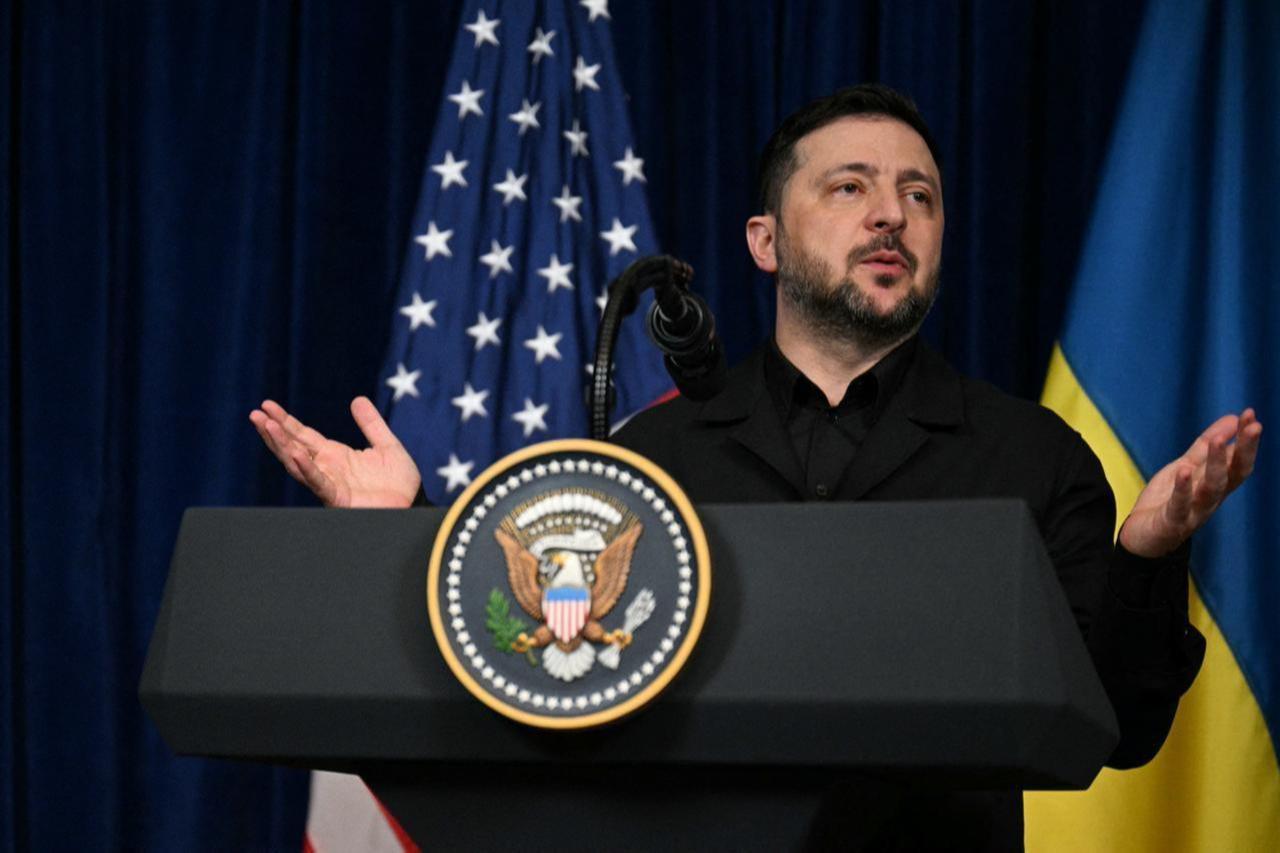
Realizing that the battle for his country’s survival was being fought as much in American living rooms as on the front lines, Zelenskyy made a tactical move: he went straight to Trump’s favorite megaphone, Fox News.
Speaking directly to conservative voters, Zelenskyy pushed back against the White House narrative. The skyrocketing gas prices burdening American families, he argued, weren’t caused by Ukrainian drones taking out Russian oil capacity. The real culprit was the geopolitical chokehold in the Strait of Hormuz stemming from the conflict with Iran. Blaming Ukraine for global inflation, the Ukrainian president insisted, was a convenient scapegoat.
Zelenskyy didn’t stop at defending his military’s strategy on American TV; he launched a direct counteroffensive. He publicly branded the lifting of sanctions on Russian diesel a unilateral “gift” to Vladimir Putin, one that handed Moscow fresh revenue to fund its war machine.
To a president who prided himself on tough, art-of-the-deal diplomacy, Zelenskyy dropped the ultimate rhetorical grenade: he suggested Washington’s rush to appease Moscow made the White House look weak.
By bypassing traditional diplomatic channels and taking his case directly to American airwaves, Zelenskyy had committed the cardinal sin in Trump’s playbook: Challenging the chief executive on home turf.
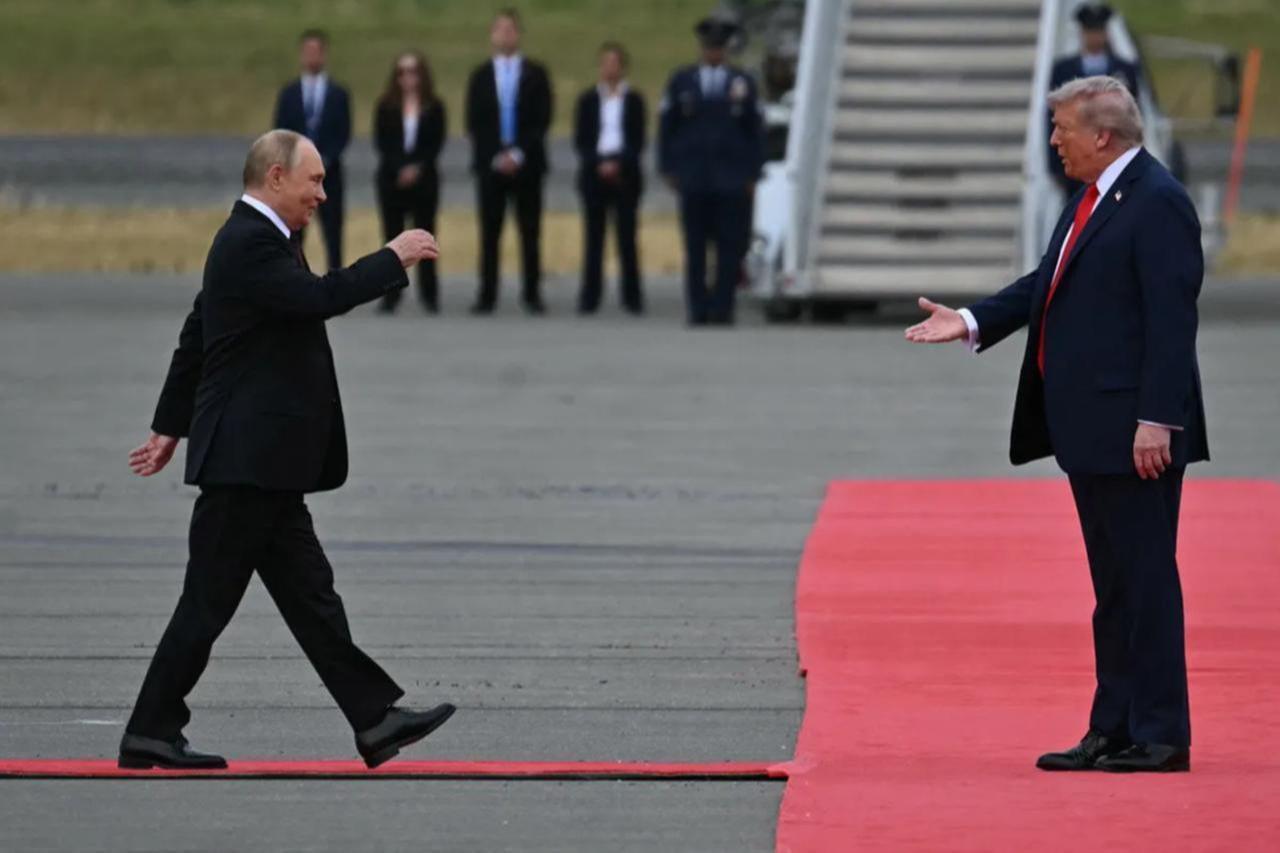
The fallout was swift and merciless. Speaking to reporters outside the White House, President Trump didn’t bother wrapping his frustration in diplomatic boilerplate. Furious that Kyiv had publicly torpedoed his energy truce and questioned his resolve on Fox News, Trump delivered the ultimate verdict, declaring that “Zelenskyy wants to make problems for the world.”
In a cold, definitive tone, Trump said he thinks “it’s time for Ukraine to get a new president.”
For the second time, Trump had effectively written off Volodymyr Zelenskyy, this time over a dispute that began at American gas pumps. From the White House’s perspective, when faced with a choice between easing financial pain for American drivers and accommodating an ally’s strategic leverage, domestic politics would win every single time.
As Washington looks toward December, the geopolitical chessboard has shifted dramatically. Following a 90-minute phone call, Trump and Putin have laid the groundwork for a high-profile rendezvous at the G20 summit in Miami. Sanctions on Russian diesel are suspended through April, fuel flows are recalibrating, and the administration’s focus has pivoted from total victory to pragmatic economic stabilization.
In the latest round of transactional diplomacy, allies are only as valuable as their alignment with domestic realities. As the midterms approach and fuel trucks roll once again, Zelenskyy finds himself outside the room looking in, an ally erased for the second time and sacrificed to the relentless logic of the gas pump because Washington sees him as uncooperative.


 Set as preferred source
 Set as preferred source


 2 min read