Newsletters


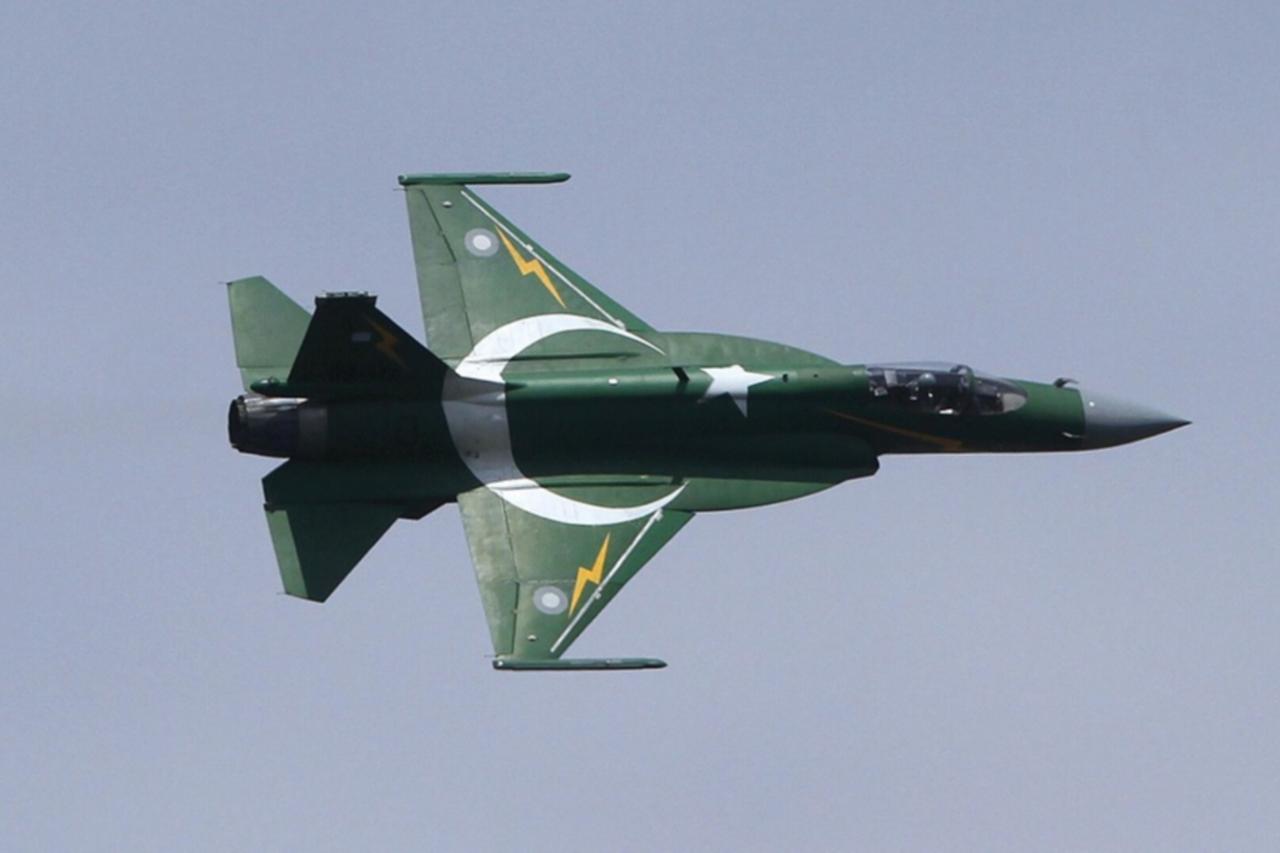


Pakistan’s foreign ministry said on Saturday that claims by Afghan authorities that a Pakistani fighter jet had been shot down and its pilot detained were false.
"That’s a false claim. Totally untrue," foreign ministry spokesman Tahir Hussain Andrabi told AFP, responding to statements from Afghan military and police officials.
Earlier, Afghan officials said a Pakistani aircraft was brought down in the eastern city of Jalalabad.
The crash came a day after Pakistan launched airstrikes on Kabul and Kandahar, the southern city where Taliban Supreme Leader Hibatullah Akhundzada is based.
Those strikes followed a cross-border offensive launched by Afghan forces late Thursday, which the Taliban government said was carried out in response to earlier Pakistani attacks.
Pakistan described its action as retaliation and said on Saturday it would continue military operations, accusing Afghanistan’s authorities of backing militancy.
Pakistan’s information minister said 37 locations across Afghanistan had been targeted since the start of the operation. It was unclear whether additional strikes took place overnight between Friday and Saturday, but officials indicated that operations were ongoing.
Mosharraf Zaidi, spokesperson for Pakistan’s prime minister, wrote on X that the country’s "immediate and effective response to aggression continues."
Zaidi said 297 Afghan Taliban fighters and militants had been killed. Islamabad previously reported that 12 of its own soldiers had died.
Taliban government spokesperson Zabihullah Mujahid said Afghan forces had killed 55 Pakistani soldiers and captured several others, while 13 Afghan troops had died.
Afghanistan’s deputy spokesperson Hamdullah Fitrat said at least 19 civilians were killed in the eastern provinces of Khost and Paktika.
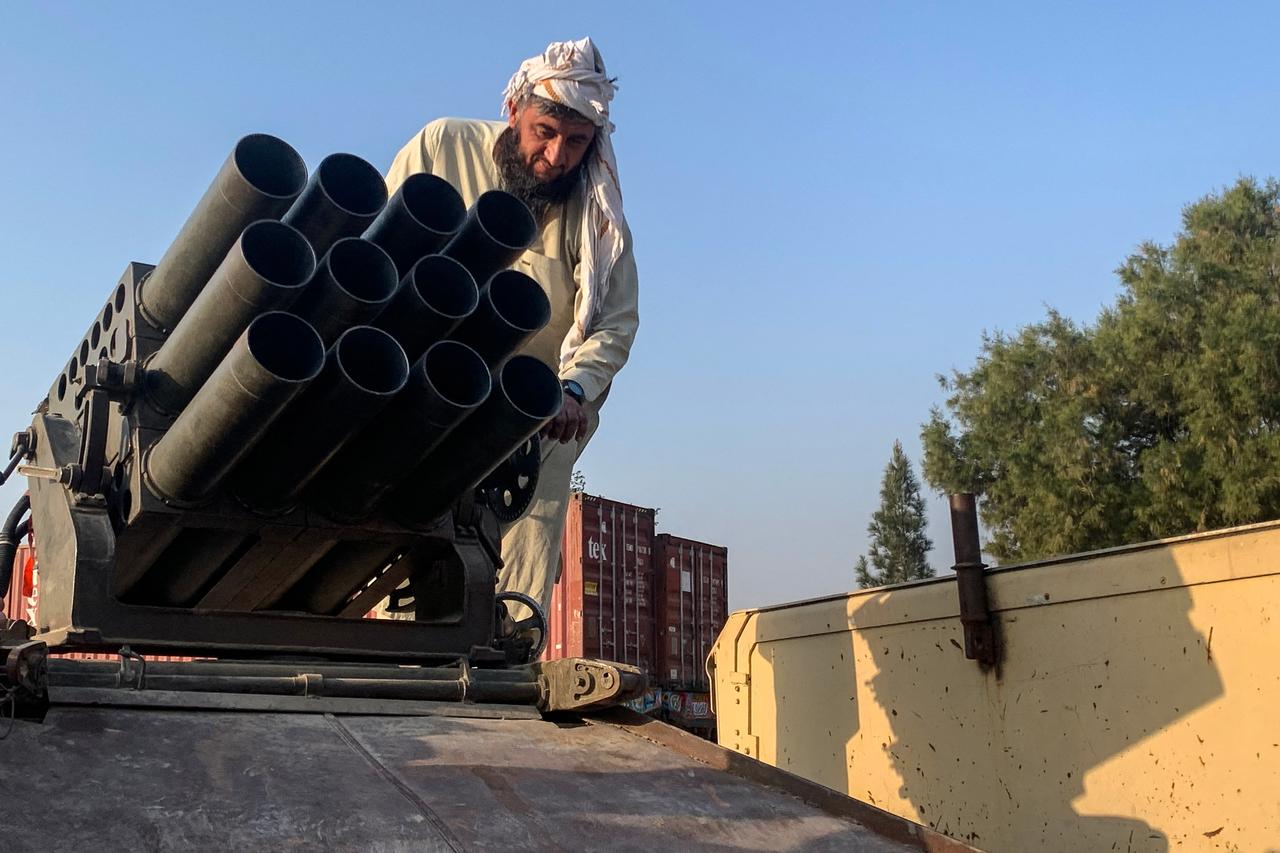

The escalation prompted concern from China, Britain, the United Nations, and the International Committee of the Red Cross, all of which urged de-escalation and renewed dialogue.
Following the Pakistani airstrikes, the United States expressed diplomatic support for Pakistan’s right to defend itself against Taliban attacks, according to Allison Hooker, the under secretary of state for political affairs, after talks with Pakistani officials.
Iran previously offered to help facilitate dialogue, while Saudi Arabia and Qatar sought to ease tensions.
In Geneva, ICRC President Mirjana Spoljaric said humanitarian preparations were underway but stressed that "no humanitarian response can compensate for political will to respect the rules of war and prioritize de-escalation."
Relations between the neighbors have deteriorated in recent months. Land border crossings have been largely closed since deadly fighting in October that killed more than 70 people on both sides.
Islamabad accuses Afghanistan of failing to act against militant groups operating from its territory, including the Tehreek-e-Taliban Pakistan, which has claimed the most recent attacks inside Pakistan. The Taliban government denies harboring militants.
Previous mediation efforts, including talks following a ceasefire brokered by Qatar and Türkiye, did not produce a lasting agreement.
Saudi Arabia recently helped secure the release of three Pakistani soldiers captured in October, but days later, Pakistan carried out strikes in eastern Nangarhar and Paktika provinces that the U.N. mission in Afghanistan said killed at least 13 civilians.


 Set as preferred source
 Set as preferred source


 1 min read
 1 min read