

 Newsletters


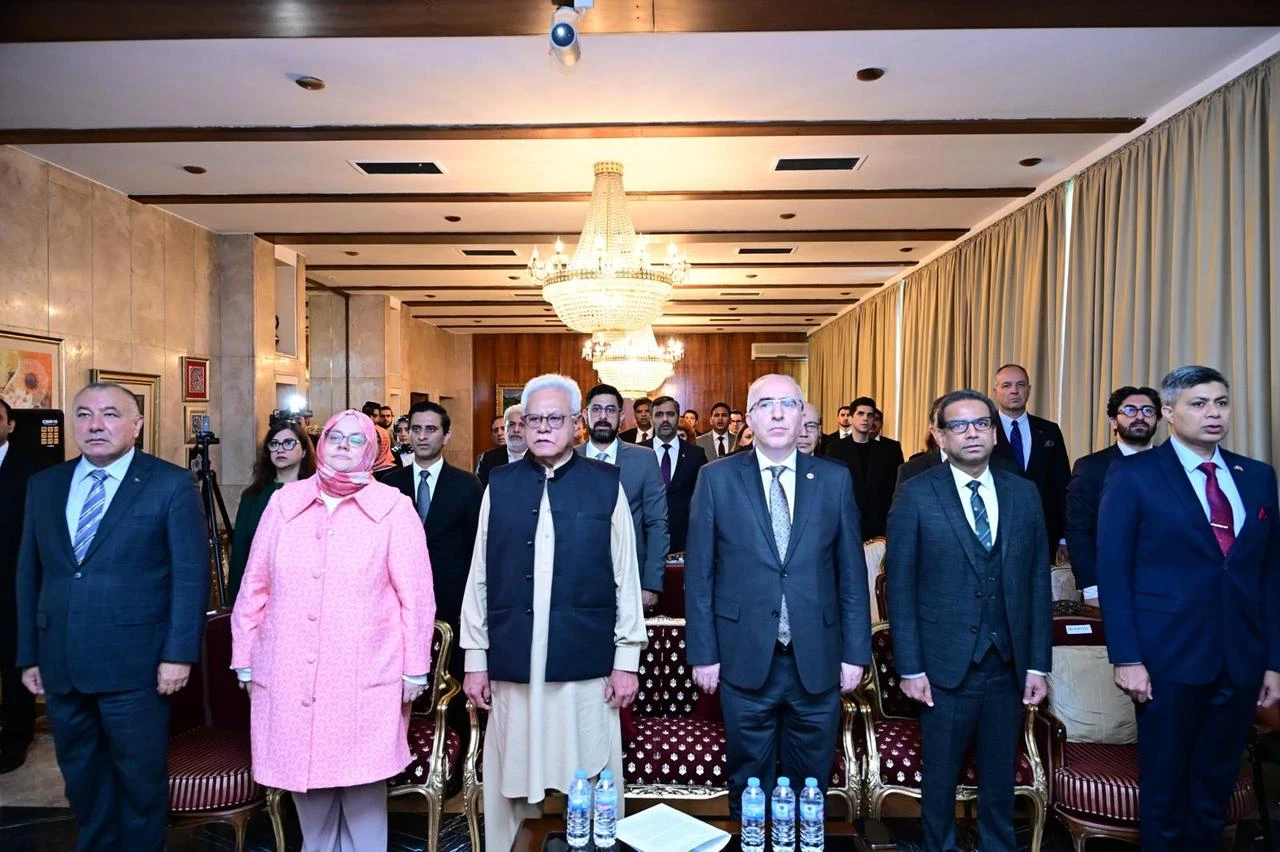
The Embassy of Pakistan in Ankara held a "Kashmir Exploitation Day" commemoration event Wednesday, marking the seventh anniversary of India's Aug. 5, 2019, measures in Jammu and Kashmir.
The program, held at the ambassador's residence, was attended by Statistical, Economic and Social Research and Training Centre for Islamic Countries (SESRIC) Director-General Zehra Zumrut Selcuk, Pakistan's Ambassador to Ankara Yousaf Junaid, Geostrategic Foresight Institute President Guray Alpar, Felicity Party Deputy Chairman Mustafa Kaya and other guests.
Speaking at the program, Junaid said they had gathered to commemorate what he described as a painful event.
"Seven years ago, on Aug. 5, 2019, India unilaterally abolished Jammu and Kashmir's special status," he said.
"This was a systematic step planned to destroy the identity of the Kashmiri people and reduce the region's demographic structure from a majority to a minority," he added.

Junaid said homes had been demolished in the region, press freedom had been restricted, more than 8,000 social media accounts had been shut down and more than 80 journalists had been prevented from meeting with an international delegation.
He said it was not possible to hide the facts in the age of communication.
The ambassador also informed participants about what he described as India's ongoing policies to change the demographic structure of Jammu and Kashmir.
He said those practices included the issuance of about 4 million "illegal domicile certificates" to non-residents, strict restrictions on the press and systematic repression.
Junaid said arbitrary and unilateral legislative arrangements could not change what he called the internationally recognized disputed status of Jammu and Kashmir.
Junaid said the resolutions of the Organization of Islamic Cooperation (OIC) and the broader Islamic world stand with the Kashmiri people.
"As the government and people of Pakistan, we will continue to the end our political, moral and diplomatic support for our Kashmiri brothers and sisters," he said.
"This is not a favor, but a responsibility imposed on us by U.N. resolutions and our brotherhood," he added.
In his closing remarks, Junaid expressed gratitude to the government of Türkiye and the Turkish people for what he called their firm and unwavering support.
He said lasting peace in South Asia would only be possible by recognizing the Kashmiri people's right to self-determination through a plebiscite held under United Nations supervision.
Junaid said developments in Gaza showed how international law is violated.
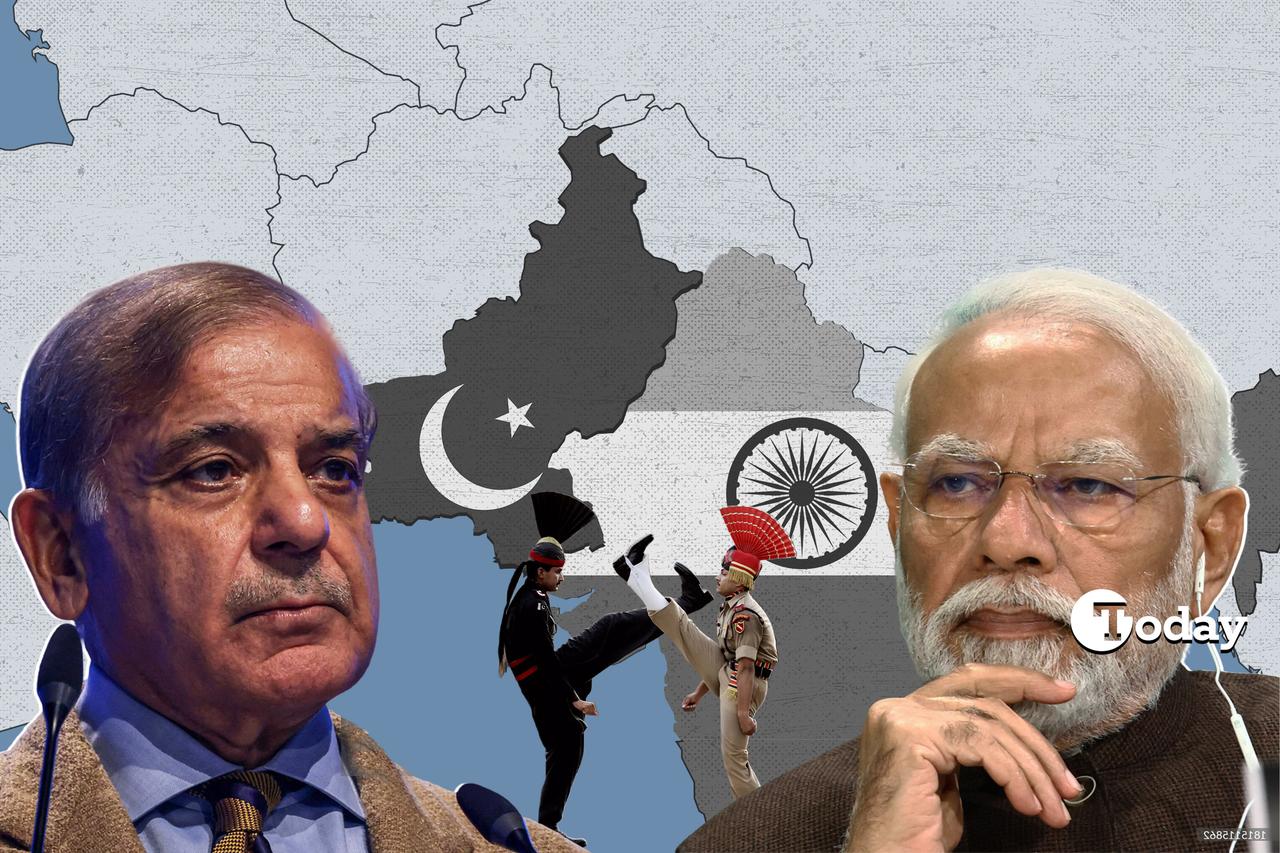
He also said military tension last year between Pakistan and India, both nuclear powers, had demonstrated the sensitivity of the Kashmir issue.
"Therefore, resolving the Jammu and Kashmir issue in line with United Nations resolutions is a vital necessity not only for South Asia but for world peace as a whole," he said.
Kashmir, a Muslim-majority Himalayan region, has been divided between India and Pakistan since their independence from British rule in 1947.
The region is held by India and Pakistan in parts but claimed by both in full. A small sliver of the region is also controlled by China.
India and Pakistan have fought three wars since partition, in 1948, 1965 and 1971, two of them over Kashmir.
Since 1989, some Kashmiri groups have fought Indian rule in Indian-held Kashmir, seeking either independence or unification with Pakistan.
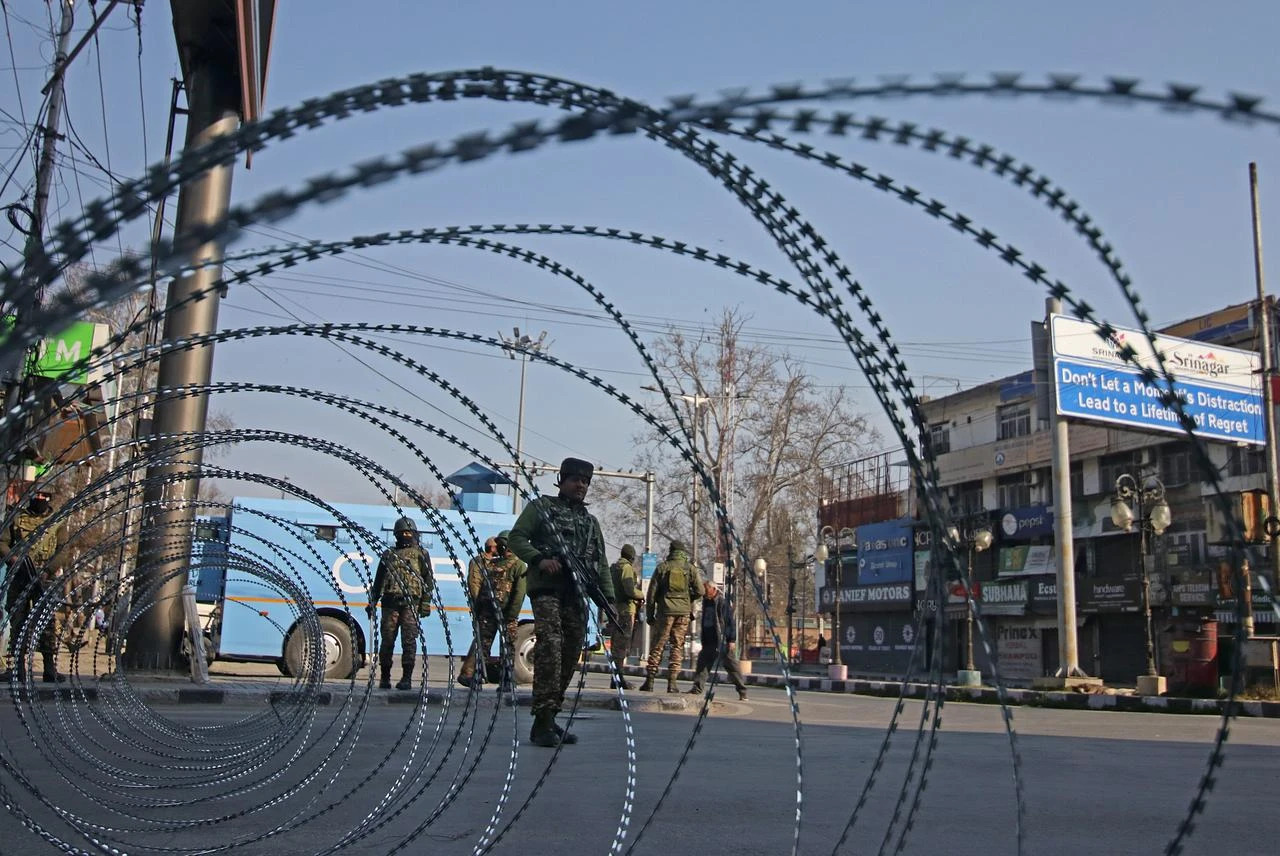
Relations between New Delhi and Islamabad further deteriorated after India revoked Article 370 and other related provisions from its Constitution on Aug. 5, 2019, scrapping Jammu and Kashmir's autonomy.
The region was also split into two federally administered territories.
At the same time, Indian authorities locked down the region, detained thousands of people, imposed movement restrictions and enforced a communications blackout.


 Set as preferred source
 Set as preferred source


 1 min read
 1 min read


