Newsletters


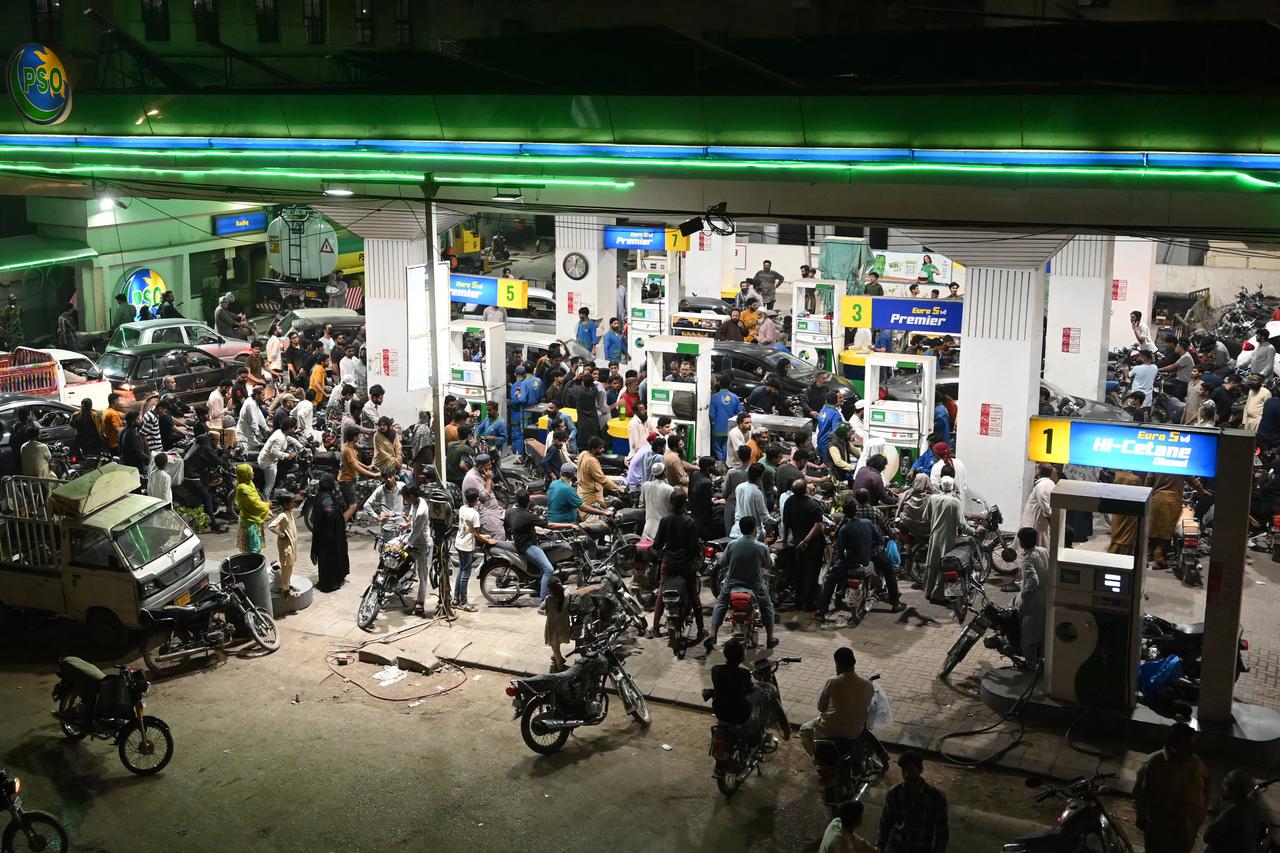


Pakistan has ordered half of its public-sector employees to work remotely and announced a two-week closure of schools to conserve energy amid supply disruptions linked to the escalating Middle East conflict.
Prime Minister Shahbaz Sharif on Monday announced a sweeping package of austerity measures in a national address, directing that 50% of public-sector workers, excluding those in essential services, shift to remote work. Government offices will operate four days a week, with banks exempted from the restriction.
All schools will close for two weeks starting later this week, while higher education institutions will move to online instruction. Fuel allowances for official vehicles will be cut by half for two months, and 60% of government vehicles will be taken off the road. Cabinet members will also forgo their salaries during the same period.
Additional measures include a 25% cut to parliamentarians' salaries, a ban on government vehicle purchases, a reduction in overall government spending, and restrictions on nonessential foreign travel.
Pakistan's cabinet committee on petroleum, which meets daily to review fuel stocks and the evolving regional situation, had been deliberating the measures for days. A senior finance ministry official told Arab News the government had been weighing proposals, including remote work and online classes, before the final decision was made.
A senior official from the Petroleum Division told a Senate committee that the country currently holds around one month's worth of refined petroleum products and more than 10 days' worth of crude oil stocks. Authorities have also imposed a ban on the export of petroleum condensate to secure the domestic supply.
"Pakistan is exploring options to import fuel from Saudi Arabia through the Red Sea to ensure uninterrupted supplies," the official said. In the event of a prolonged conflict, Islamabad may also consider importing fuel from the United States and other countries.
India's Ministry of Petroleum and Natural Gas separately ordered oil refineries to boost liquefied petroleum gas (LPG) production, citing "current geopolitical disruptions to fuel supply and constraints on supply of LPG." The ministry said domestic LPG supply to households has been prioritized, while imported LPG will be directed to essential sectors such as hospitals and educational institutions.
Vietnam's trade ministry has also called on local businesses to encourage employees to work from home as part of efforts to reduce fuel consumption. Hanoi said the country has been among the hardest hit by fuel disruptions since the conflict began, as it is heavily reliant on energy imports from the Middle East.
The U.S. Embassy in Islamabad issued a security alert for American citizens about planned protests in Pakistan on Tuesday, restricting the movement of U.S. personnel starting at noon local time (7 a.m. GMT) on March 10.
The energy crisis traces back to joint U.S.-Israeli strikes on Iran launched Feb. 28, which killed more than 1,200 people, including Supreme Leader Ali Khamenei, in what critics and regional governments have condemned as an act of aggression. Iran retaliated with drone and missile strikes targeting Israel, Jordan, Iraq, and several Gulf countries hosting US military assets.
Iran effectively closed the Strait of Hormuz around March 1. The strategic waterway normally handles around 20 million barrels of oil shipments daily and roughly 20% of the global liquefied natural gas trade, making its disruption a severe threat to energy-dependent nations across Asia and beyond.


 Set as preferred source
 Set as preferred source


 1 min read