Newsletters


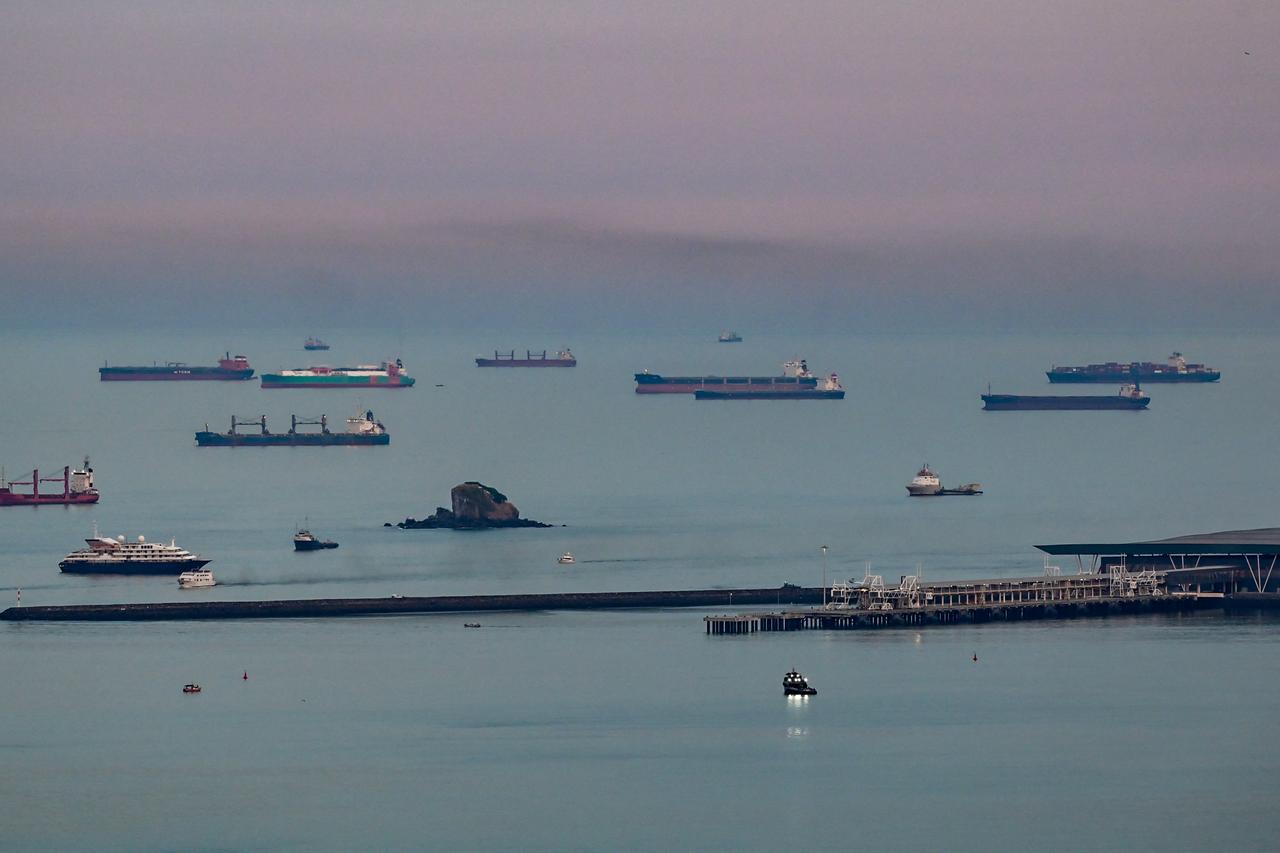


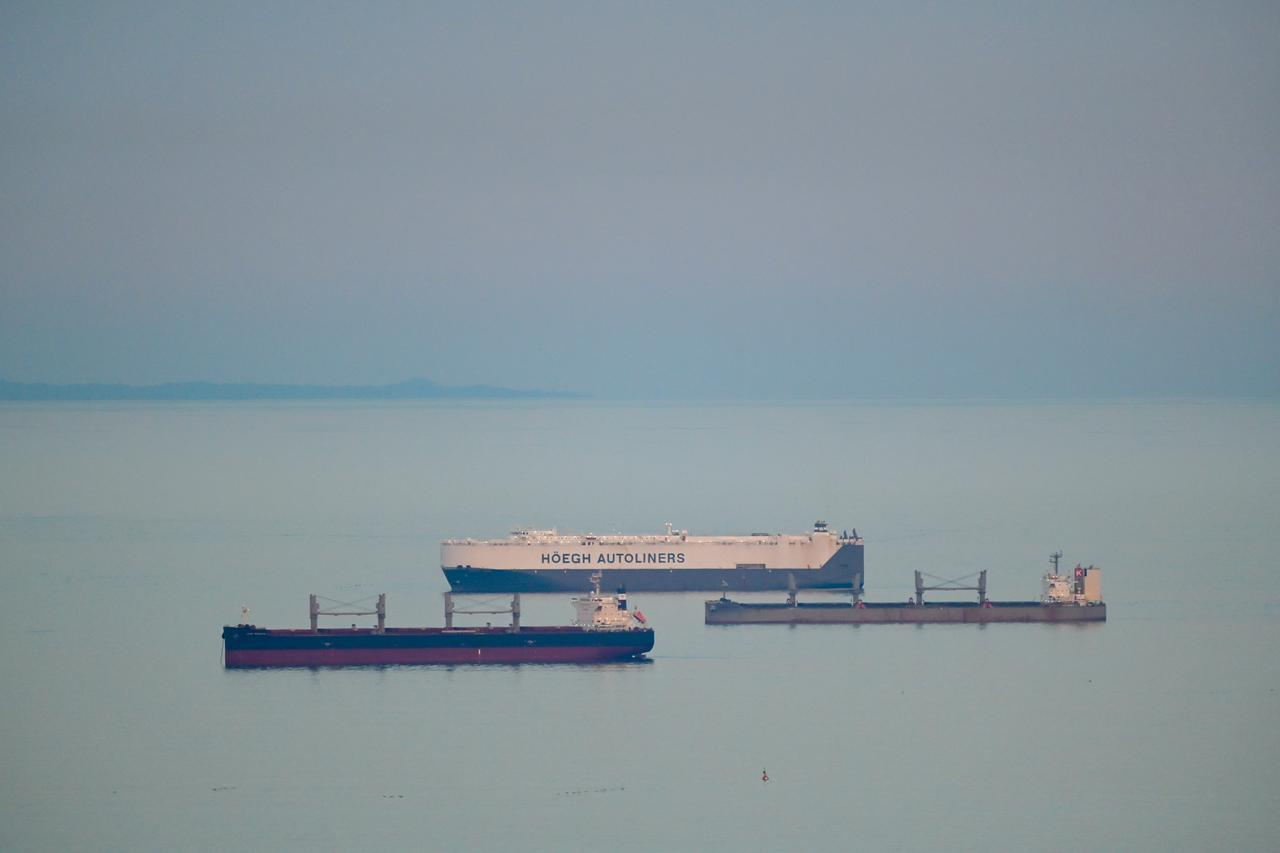
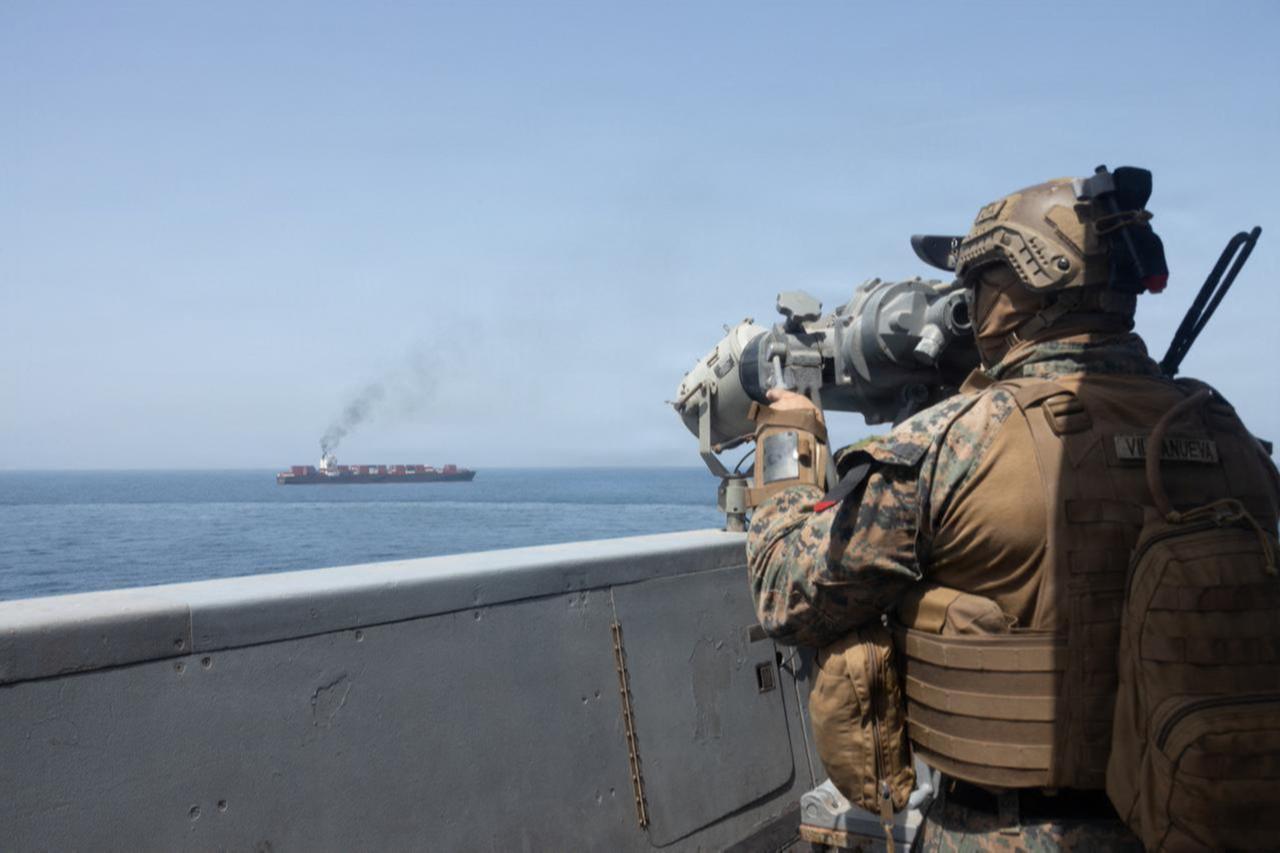
Panama reaffirmed Tuesday the neutrality of the Panama Canal and the need to preserve key maritime transit routes as the Middle East war and Iran’s blockade of the Strait of Hormuz continue to reshape global shipping flows.
The month-long conflict has seen Iran effectively close the Strait of Hormuz, a critical waterway for one-fifth of the world’s oil and natural gas exports from Gulf countries.
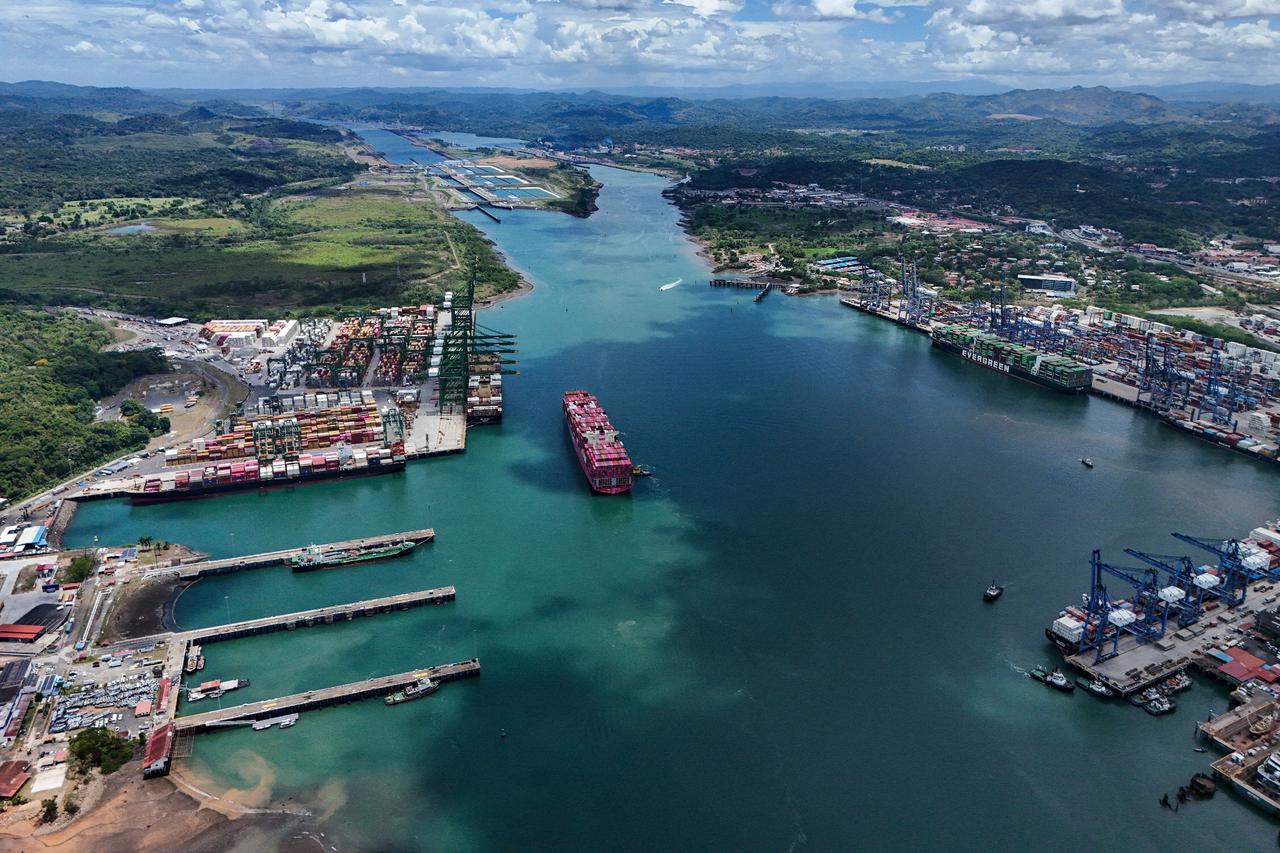
The disruption has prompted a surge in traffic through the Panama Canal, according to canal administrators.

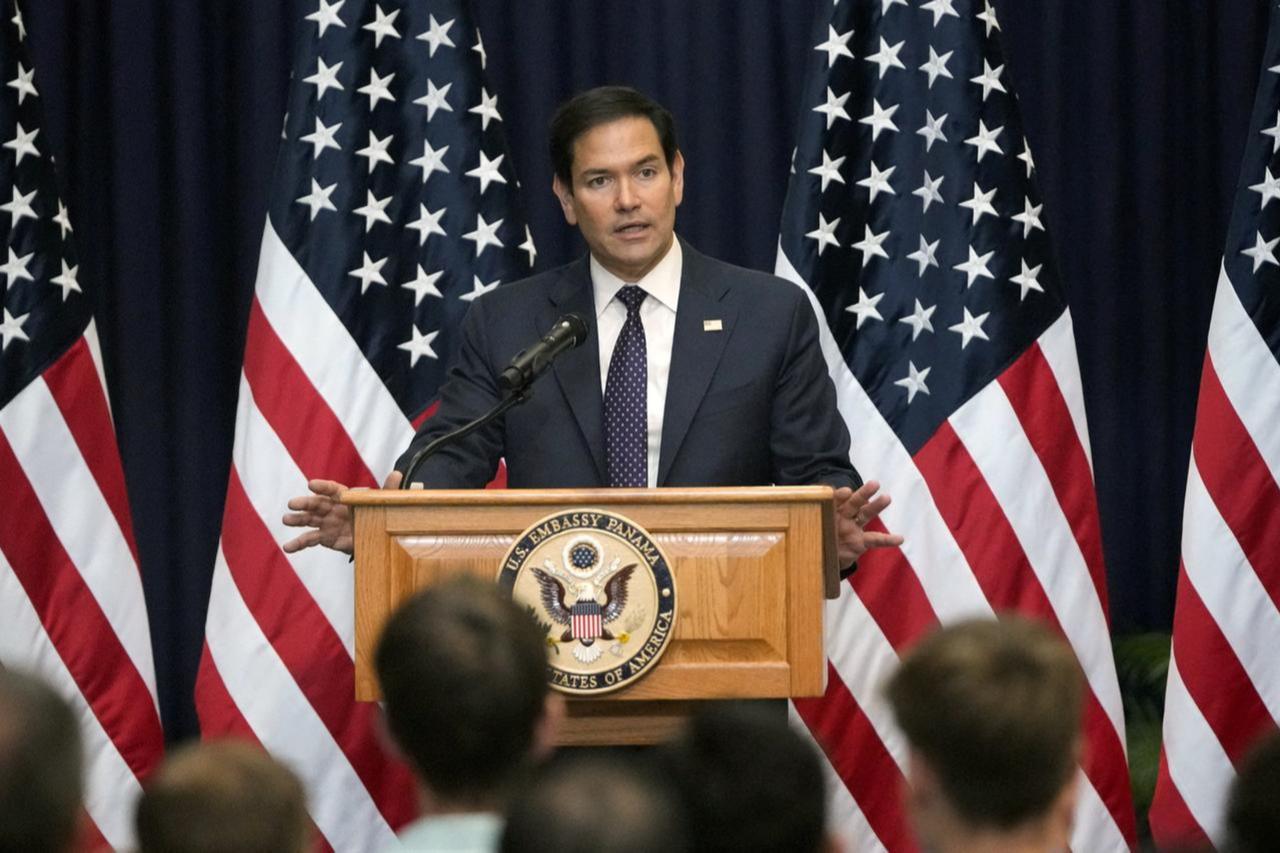
Panamanian Foreign Minister Javier Martinez-Acha reaffirmed the canal’s neutrality during a phone call with Israeli Foreign Minister Gideon Saar.
The two ministers discussed the international situation “marked by tensions in the Middle East,” Panama’s foreign affairs ministry said in a statement.
Martinez-Acha emphasized “the importance of the Panama Canal’s neutrality as a pillar of global trade” and highlighted “the need to preserve stability in key maritime and energy transit routes.”
Iran’s effective closure of the Strait of Hormuz has increased pressure on global shipping routes, including the Panama Canal.
Traffic through the canal has risen from around 34 ships per day in January to as many as 50 ships arriving daily now, according to the canal’s administrators.

About 5% of global maritime trade passes through the Panama Canal.
The canal’s main users are the U.S. and China. The route primarily connects the east coast of the U.S. with China, South Korea and Japan.


 Set as preferred source
 Set as preferred source


 1 min read
 1 min read