Newsletters


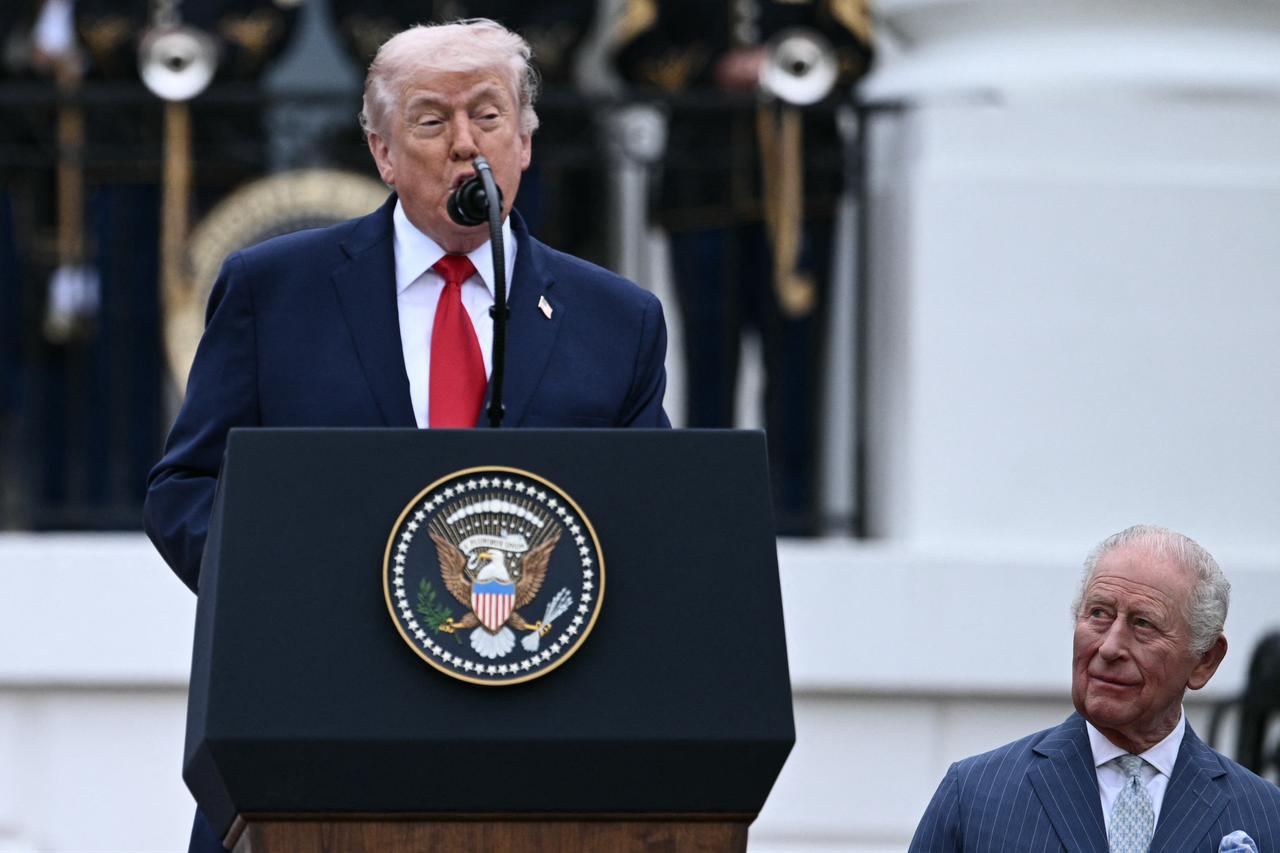


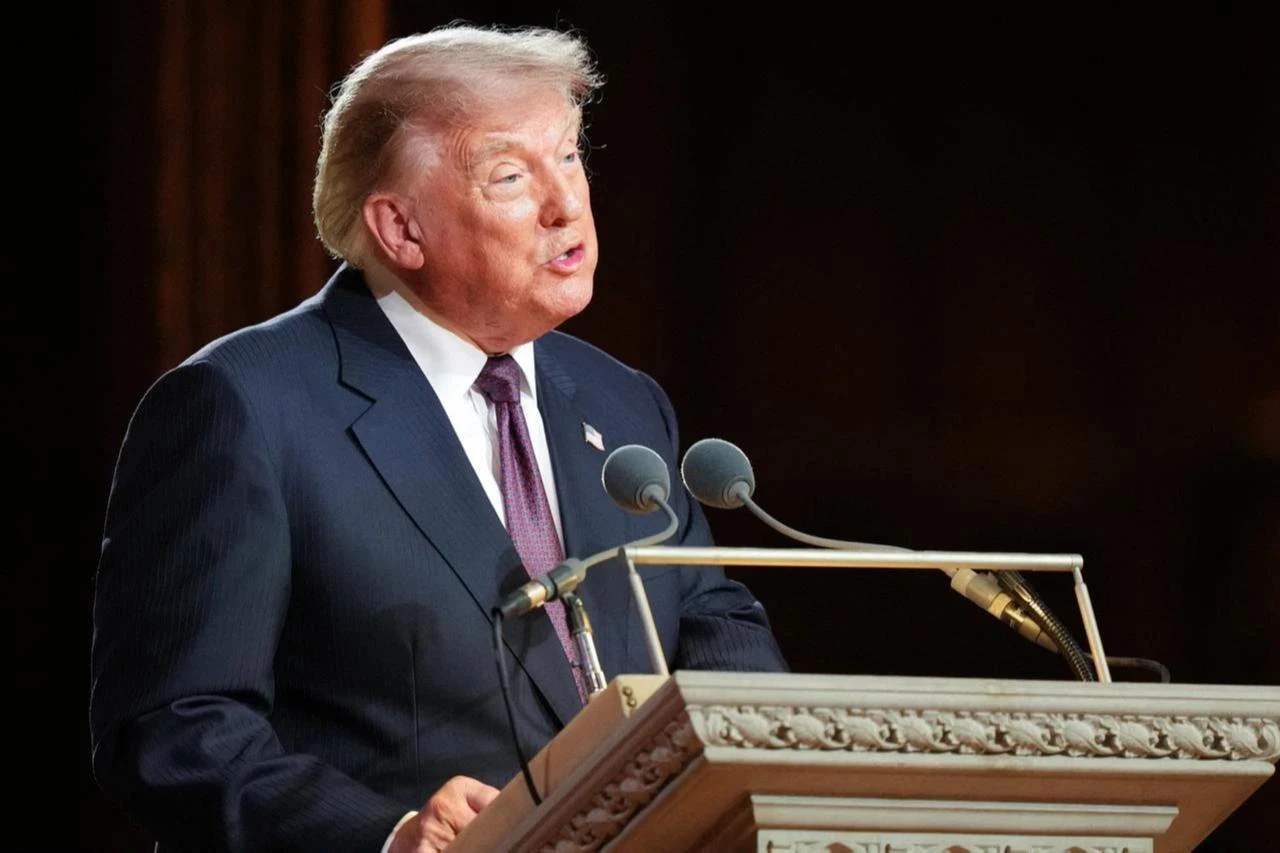
U.S. intelligence agencies are examining what Iran would do if President Donald Trump pulls forces back while claiming a unilateral victory in the ongoing conflict, according to the U.S. officials.
The analysis, ordered by senior administration officials, looks at the consequences of stepping away from a conflict that has killed thousands and become a political liability for the White House, the sources told Reuters.
Earlier analysis said Iran would read a U.S. victory claim plus a pullout as a win; keeping troops in place would be seen as bargaining, not peace.
A fast pullback could ease domestic pressure, sources said, but risks leaving an emboldened Iran to rebuild its nuclear and missile programs.
Just 26% in a Reuters/Ipsos poll last week called the campaign worth the cost, and 25% said it made the U.S. safer.
Trump knows the toll, three people familiar with White House talks said, with advisers warning of deep Republican losses in the midterms. One official called the pressure to end the fighting "enormous."
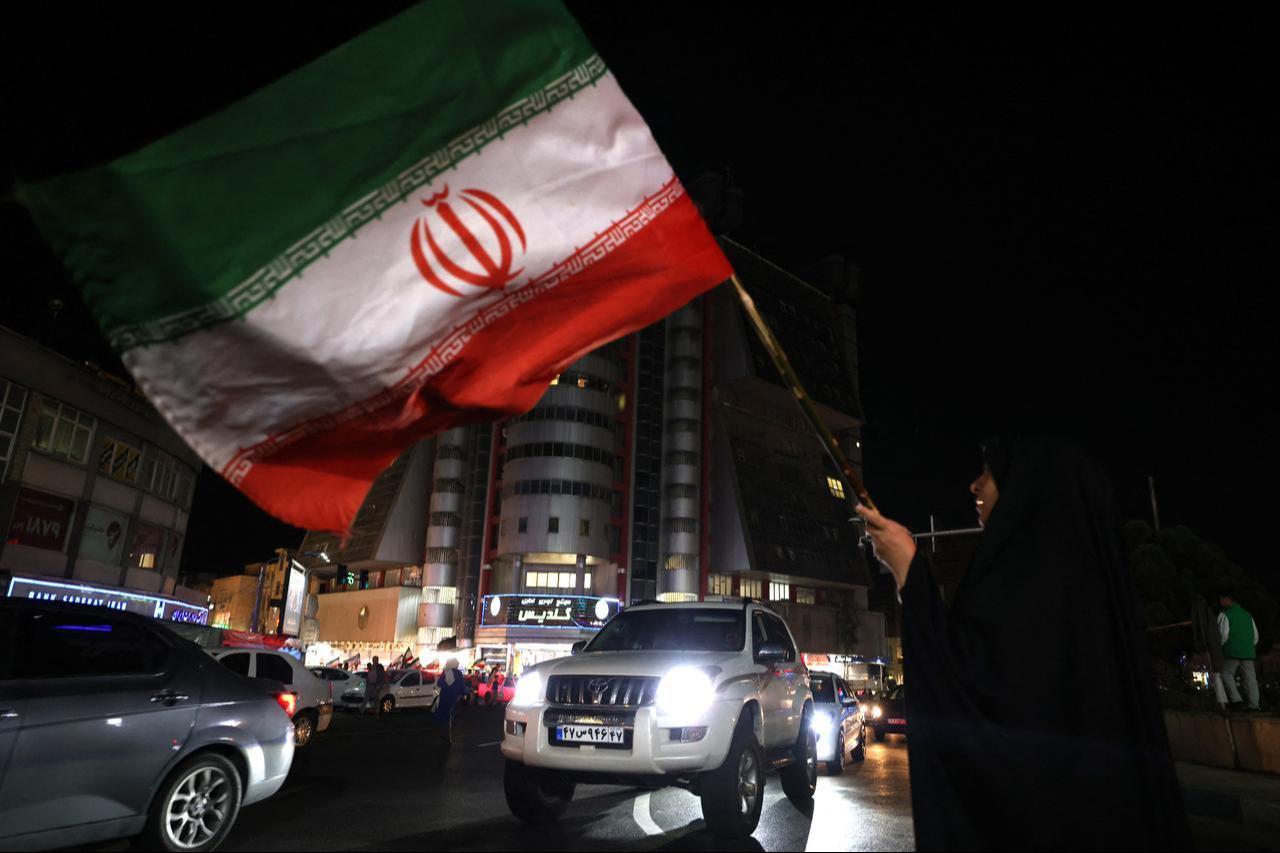

Trump's April 8 ceasefire hasn't reopened the Strait of Hormuz, which Iran shut by attacking ships and mining the waterway that carries 20% of the world's crude, and the blockade is still driving up global energy costs and U.S. pump prices.
Last weekend, Trump scrapped a Pakistan trip by envoy Steve Witkoff and Jared Kushner, saying it would take "too much time" and Iran needs only to call to talk.
Airstrikes remain on the table, the report also noted, though a ground invasion looks less likely than weeks ago. Several reports point to a prolonged U.S. naval blockade of Iranian ports to cut oil revenue.
Iran has used the pause to dig out launchers, drones and munitions buried by early U.S. and Israeli strikes, raising the tactical cost of restarting full-scale war, the report assessed.


 Set as preferred source
 Set as preferred source


 1 min read
 1 min read