Newsletters


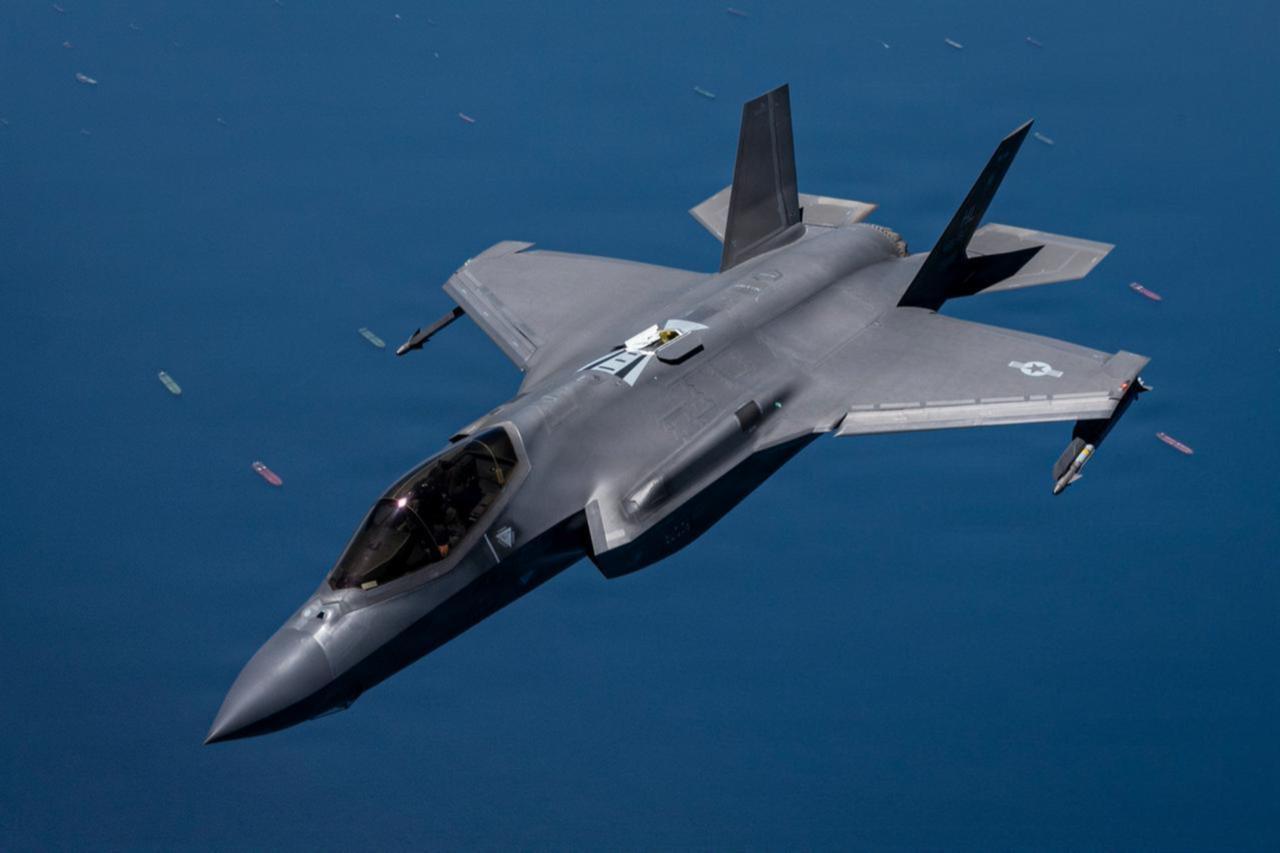


The Pentagon aims to have 80% of its F-35 fighter jets ready for missions by 2030, a senior U.S. general told lawmakers Tuesday, as he warned that maintenance and logistics systems have not kept pace with the rapid growth of the stealth fighter fleet.
Lt. Gen. Gregory Masiello, the F-35 program chief, testified before the Senate Armed Services Committee and described the aircraft as a "cornerstone" of U.S. and allied tactical airpower.
He said the F-35 is now deployed across 42 bases worldwide and aboard 23 aircraft carriers, including 10 U.S. carriers and 13 operated by other countries.
Masiello said the fighter has been used in recent military operations, including Epic Fury and Midnight Hammer, as well as strikes on Iran during the war launched on Feb. 28 by the U.S. and Israel.
"This aircraft is the only one that can strike some of the targets that cannot be struck and can see everything," he said.
Masiello said readiness is his top priority, defining it as the combined result of sustainment, capability and production that makes the aircraft available for operational needs.
"My job is clear: deliver a reliable and affordable system capable of sustaining high operational tempo, with a path to achieving 80% mission-capable rates no later than 2030," he said.
He told lawmakers that the current sustainment system was built for a much smaller fleet.
"Our current sustainment system was built to support a fleet of 700-800 aircraft. To date, the government has accepted over 1,300 F-35 aircraft worldwide," Masiello said. "There is our challenge in readiness."
He said the program has reset F-35 sustainment to a government-managed, data-driven model focused on improving supply chain performance and optimizing maintenance capability.
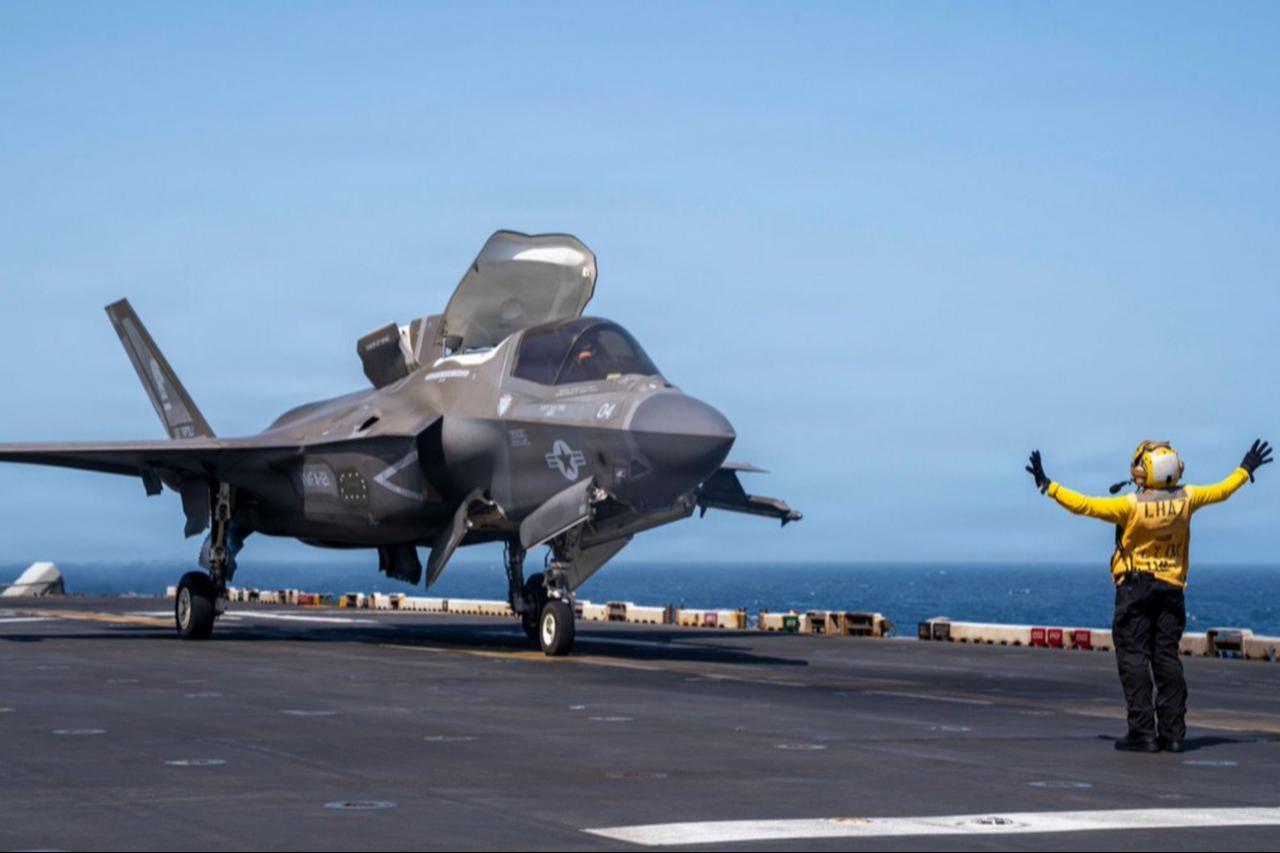

Masiello's remarks came after a recent Government Accountability Office report found that only about 25% of U.S. F-35s were fully mission-capable last year.
The report also found that the fleet's overall mission-capable rate had fallen to 44%, citing rising sustainment costs and persistent shortages of spare parts.
Masiello said the Pentagon is right-sizing spare parts based on validated performance modeling, updating maintenance processes, and modernizing logistics digital systems to improve government control and connect the F-35 with the broader Joint Force.
He said advanced analytics and real-time data platforms are giving sustainment teams better visibility into aircraft status, supply levels and repair cycles.
Supply chain reforms, including partnerships with government and industry providers and modernization of digital tracking tools, are intended to improve delivery of mission-critical parts and reduce aircraft downtime.
Masiello said near-term contract revisions would establish performance metrics to increase accountability and cost savings through incentives and penalties.
Masiello said modernization efforts are focused on delivering capability to the fleet faster.
He said the program is moving from event-driven software releases to predictable, time-based capability delivery after years in which software complexity outpaced integration and test capacity.
"We are breaking that cycle," he said.
He said the program is working to provide the warfighter with all 55 Block 4 capabilities needed to respond to threats.
Technology Refresh-3 provides a foundation for continued Block 4 upgrades, enabling improvements in electronic warfare, weapons integration and mission systems for contested combat environments.
Masiello also highlighted engine and power thermal management modernization, including an engine core upgrade.
He said the work is intended to reduce risk for Block 4, increase power and cooling capacity, improve efficiency and durability, reduce long-term sustainment costs and increase aircraft availability for combat operations.
Masiello said the president's budget request for fiscal year 2027 includes funding to procure 85 F-35 aircraft.
The request includes 38 F-35As for the Air Force, 10 F-35Bs and 17 F-35Cs for the Marine Corps, and 20 F-35Cs for the Navy.
He said the procurement profile reflects alignment between production capacity, service requirements and fiscal constraints.
The program is focused on improving production efficiency and reducing variability across the enterprise to deliver aircraft on cost and on schedule, he said.
Masiello also urged congressional support for multi-year procurement contracts, including F-35 aircraft, engines, modification kits, spare parts and repairs.
He said the F-35 supply base includes 1,900 businesses in 49 states, many of them small businesses that face solvency challenges during gaps between annual contract awards.
He said multi-year procurement authority would provide a long-term demand signal to stabilize suppliers, reduce financial risk and support uninterrupted production of critical parts.
Masiello said the F-35's international coalition includes the United States, seven partner nations and 12 Foreign Military Sales customers.
He said several cooperative partners are increasing their programs of record, while eight countries have joined the Foreign Military Sales program since 2020.
Under the current basing strategy, partners and allies own and operate over 65% of all F-35s stationed across Europe and the Pacific, he said.
"If I look in a few years in Europe, as an example, we will have almost 800 F-35s distributed across multiple nations. Less than 10% of that will be U.S. aircraft," Masiello said.
He said the network of international partners and foreign military sales customers strengthens global interoperability and deterrence while providing financial benefits to U.S. taxpayers.
Masiello said cooperative partner nations offset U.S. research, development, test and evaluation costs by about 20%.
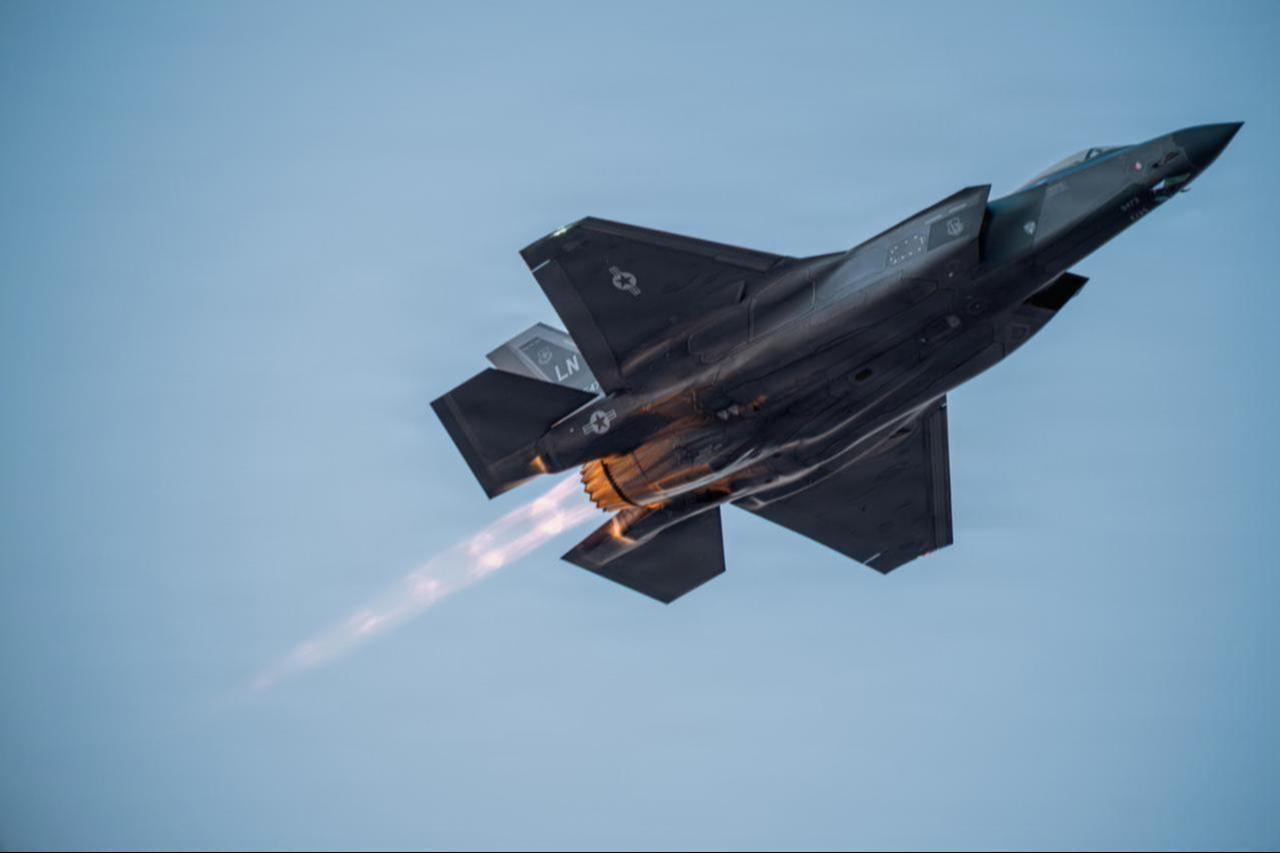
Masiello said the rapid expansion of the international F-35 coalition increases logistical demands through the global sustainment system.
He said the support infrastructure must scale alongside the aircraft's expanding global footprint to maintain operational readiness for both U.S. and allied forces.
"As global security continues to grow more challenging and complex, the Department's focus remains on homeland defense, Indo-Pacific deterrence, enhancing cooperation with allies, and rebuilding a resilient U.S. defense industry," he said.
Masiello said the F-35 remains essential to deterring aggression and maintaining a favorable balance of power for the United States and its allies.


 Set as preferred source
 Set as preferred source


 1 min read

 1 min read