Newsletters


The U.S. Department of Defense (DOD) cannot fully account for its global inventory of about 26 million F-35 parts worth some $31 billion, with records that are inaccurate and incomplete, the Government Accountability Office (GAO) said in a new report.
The parts, ranging from engines and tires to bolts and screws, are held at more than 700 contractor- and government-managed facilities worldwide.
"Although these are DOD-owned parts, DOD does not maintain complete records of the parts," the GAO said.
As of March 2026, the F-35 Joint Program Office (JPO) did not know the status of lost F-35 parts valued at more than $85 million that the GAO first flagged in 2023, the report said.
Records in the program’s accountable property system, the Enterprise Logistics Management System (ELMS), "remain unreliable, since they do not reflect real-time changes and are inaccurate and incomplete," the GAO said.
ELMS does not interface with the two prime contractors’ property management systems, and data for parts in the joint spares pool may be more than three months old.
The GAO found that about 17,000 parts in maintenance or repair status, worth about $1.3 billion, had not been entered into ELMS as of March 2026, a figure Defense Department officials said could reach $2.5 billion.
In a December 2025 contractor data list, only 29% of records contained serial numbers and 43% National Stock Numbers, while almost 6% showed an acquisition cost of $0.01 or less.
Contractor-managed facilities hold about 30% of the parts and government-managed facilities the remaining 70%.
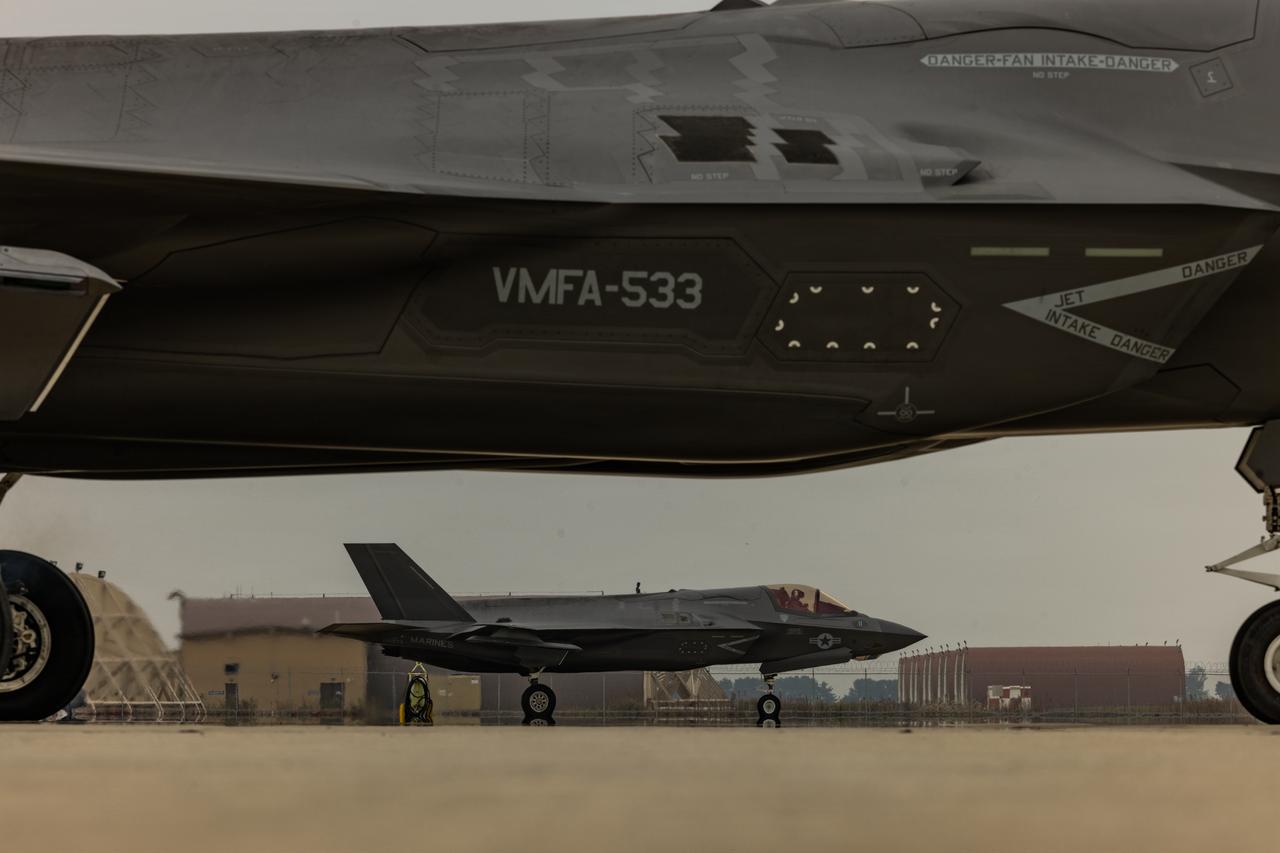

The JPO has spent at least $17 million on physical inventories since fiscal 2020, but they "did not adequately verify the existence and validate the completeness of F-35 parts," the GAO said.
One prime contractor whose data was used in the fiscal 2025 inventory had a property management system rated “disapproved” by the Defense Contract Management Agency (DCMA).
Prime contractors also lack visibility of parts held beyond the subcontractor level, and parts in transit or under repair may not be tracked, the report said.
JPO officials said a full wall-to-wall inventory is not feasible because warehouses cannot pause production and resources are lacking to visit all facilities.
In March 2026, the Pentagon comptroller asked the Defense Contract Audit Agency to help establish an auditable baseline, with a first full inventory targeted for March 2027.
The GAO reported in 2023 that one prime contractor lost more than 1 million F-35 parts worth over $85 million from May 2018 to October 2022, of which about 940,000 parts worth over $66 million had yet to be reported for adjudication.
Under a one-time bulk reporting process, the contractor submitted about $28 million in losses incurred from 2012 to 2025, and the DCMA has so far found it financially liable for about $6 million. Because the JPO did not keep records of outstanding losses, it cannot determine whether the $28 million includes any of the $85 million, the GAO said.
Since September 2025, the JPO has tracked losses at government-managed facilities in an ad hoc spreadsheet, which listed 57 cases as of April 2026.
Seven lacked unit costs, and 24 cases worth almost $400,000 were reported more than a year after discovery, despite a 30-day requirement.
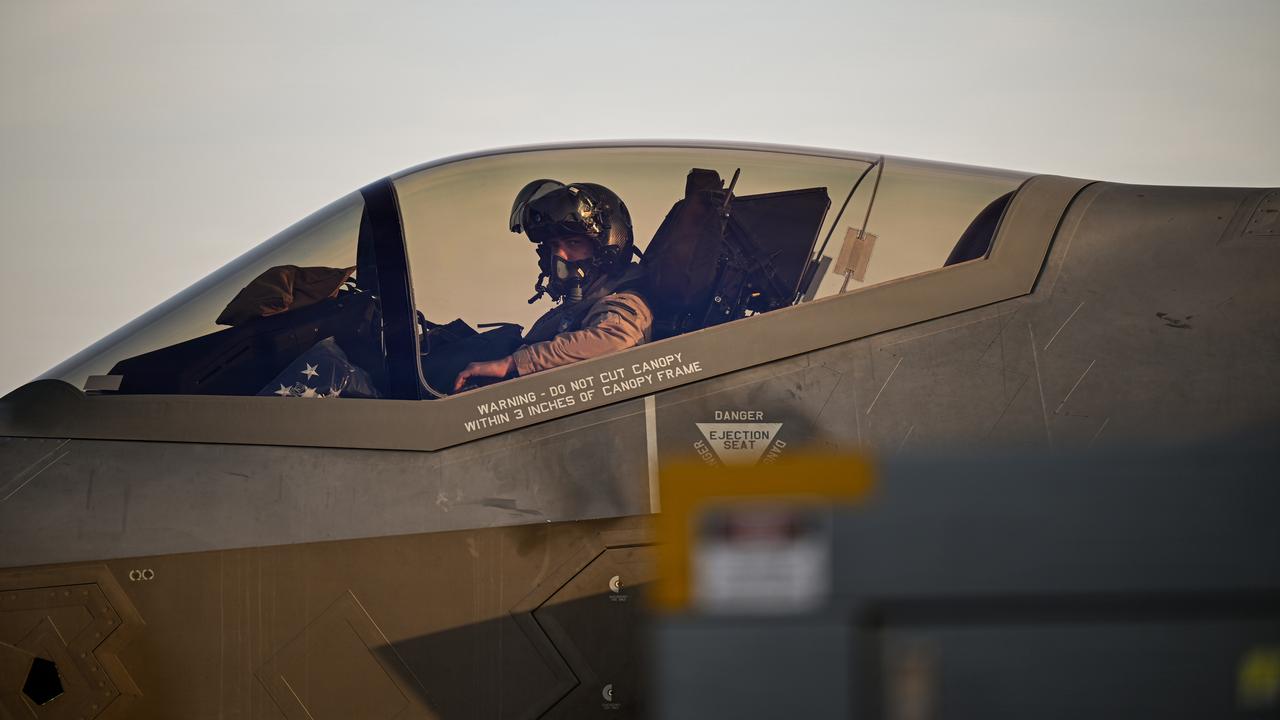
"Without accurate data in its APSR and properly executed inventory procedures for F-35 parts, DOD management will not have the information it needs to support warfighter readiness and reliable financial reporting," the GAO said. Without monitoring losses, the JPO’s ability to detect "fraud, waste, or theft" will be reduced, it added.
The F-35 is the Pentagon’s most costly weapon system, with life-cycle costs estimated at more than $1.9 trillion. The program’s material weakness has contributed to the Defense Department receiving a disclaimer of opinion in each of its eight full financial audits from fiscal 2018 to 2025, while law requires an unqualified opinion by Dec. 31, 2028.
The GAO said 26 of 34 recommendations it and the Defense Department’s inspector general have issued on F-35 financial management remain open.
It also found the JPO has not built a fully functioning property accountability program, with no program-specific procedures or training for accountable property officers and no consensus on how many are needed.
The Pentagon is pursuing a Global Support Solution Reset strategy calling for about $13.7 billion in added investment, partly to bring F-35 parts supply to needed levels, but "may not be able to identify what parts it needs and in what quantities," the GAO said, as questions persist over the F-35 parts inventory.


 Set as preferred source
 Set as preferred source


 1 min read
 1 min read