Newsletters


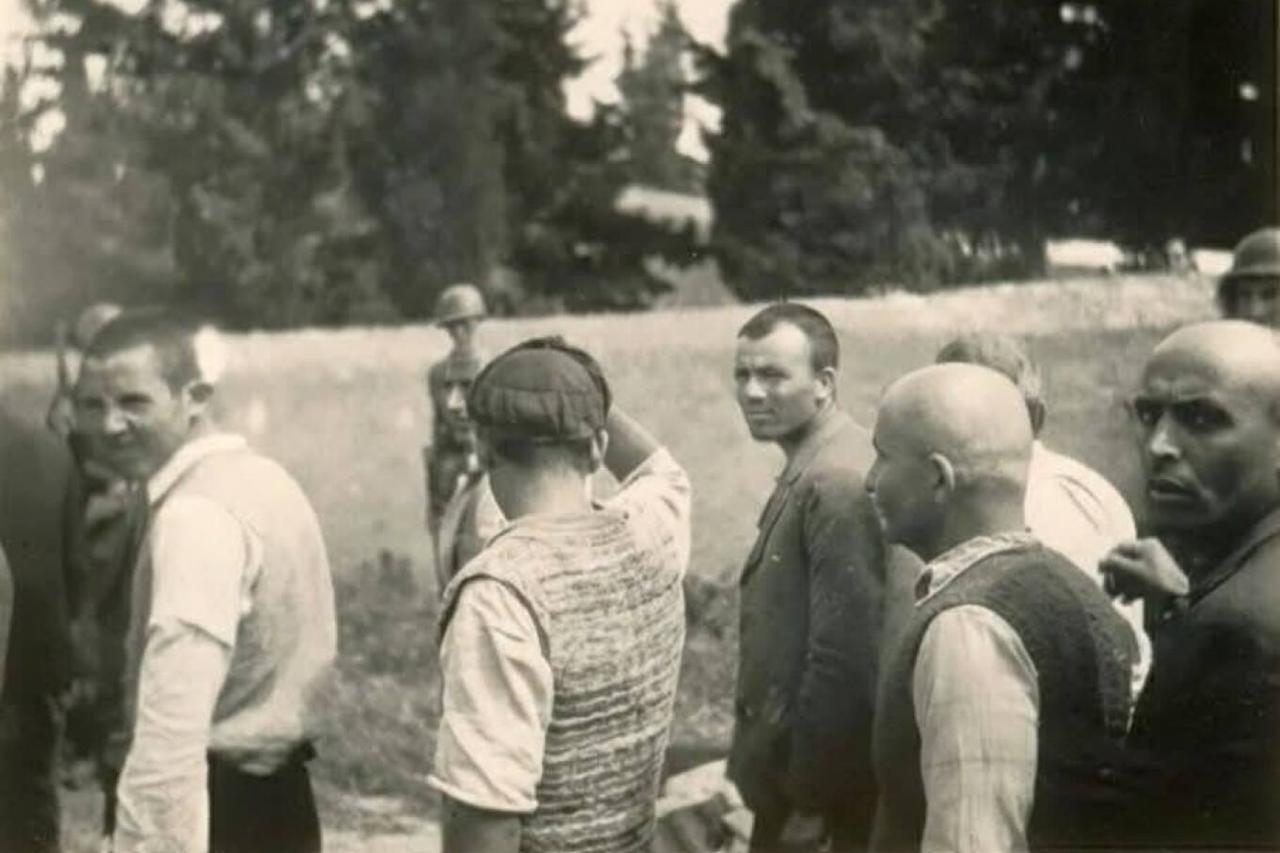


A long-buried chapter of Nazi rule in Greece has resurfaced after execution photos appeared on eBay.
Photographs believed to show the execution of 200 Greek resistance fighters by Nazi occupation forces in 1944 have surfaced publicly for the first time, triggering political reaction, public debate and vandalism at a memorial site in Athens.
The images, which appeared in an online auction on eBay, led to strong interest from historians, calls from Greek authorities to acquire the material, and damage to the Kaisariani execution memorial shortly after their release. The Belgian seller later withdrew the photos from auction.
The authenticity of the photographs remains unverified.
If confirmed, the images could provide rare visual evidence of one of the most significant Nazi war crimes committed in Greece during World War II.
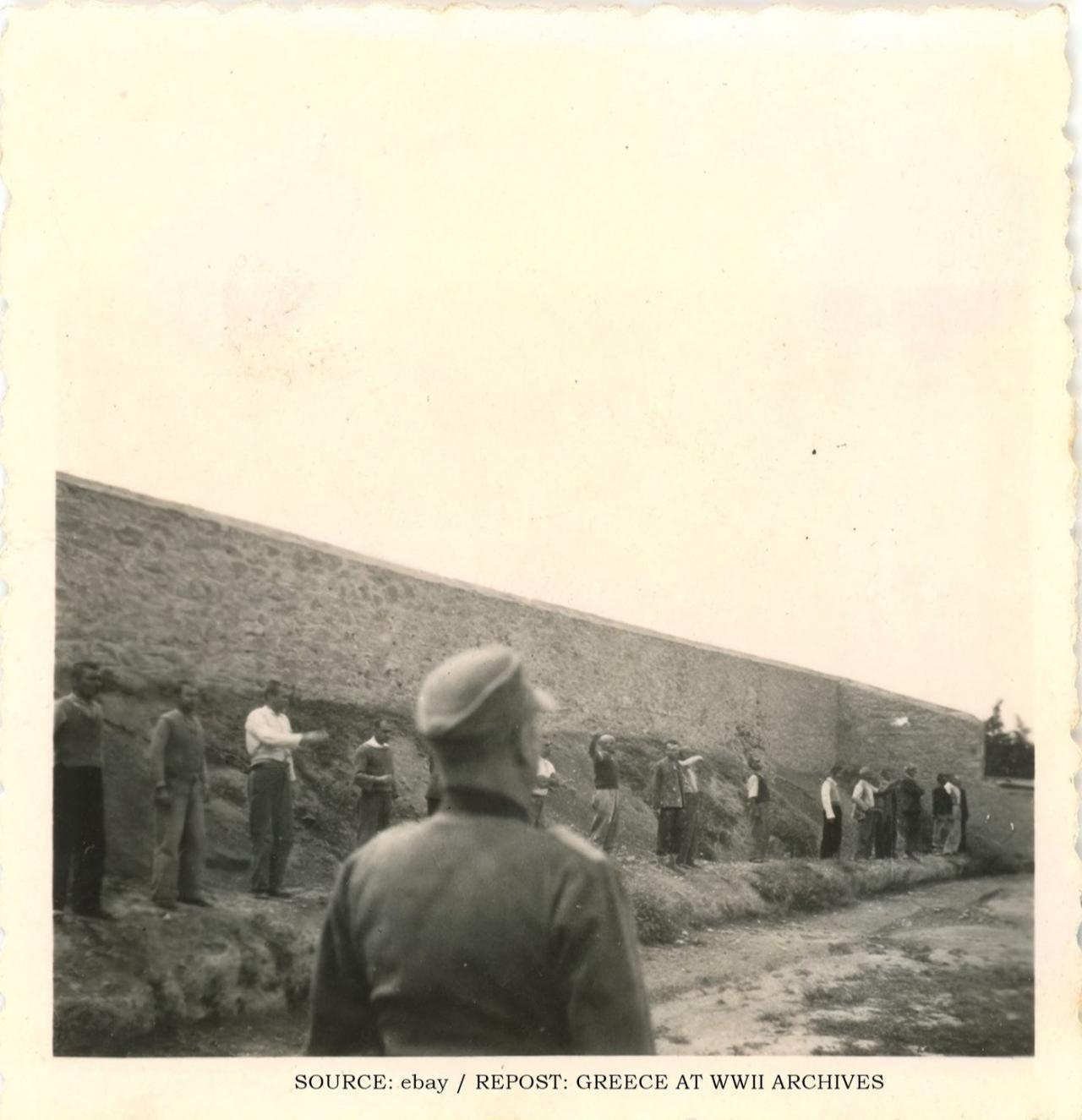

The photographs allegedly depict the execution of 200 Greek resistance fighters at the Kaisariani shooting range in Athens on May 1, 1944.
The material surfaced 82 years after the event and had previously been unknown.
According to the auction description, the images were found in an album attributed to a German officer stationed in Malakasa during the occupation period.
The photographs were offered for sale by a Belgian seller on eBay, while the identity of the photographer remains unknown.
The images drew attention after the Facebook page “Greece at WWII Archives” published them online, sparking debate over both their authenticity and the commercial sale of historical material linked to war crimes.
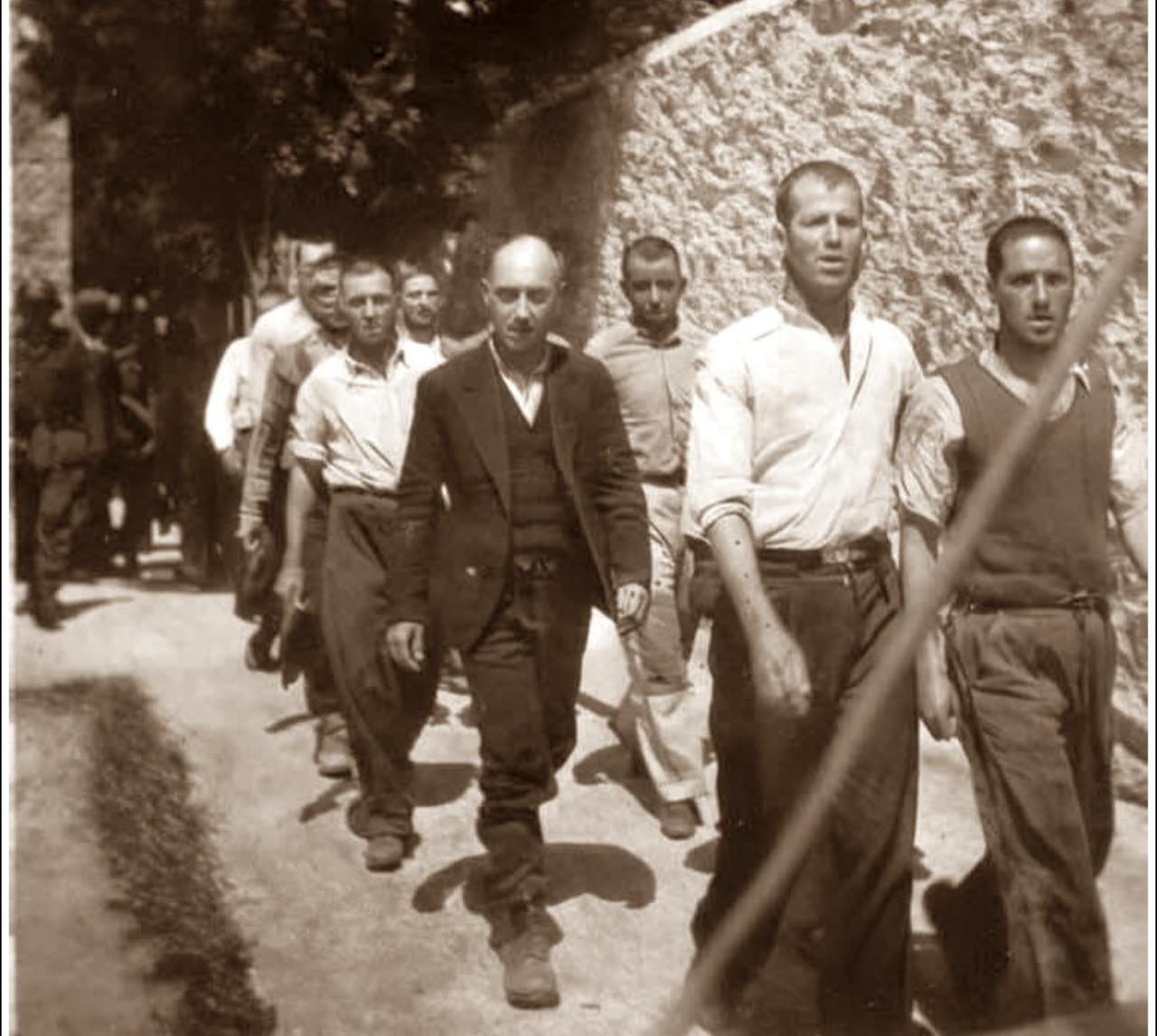
Historians and researchers expressed strong interest in the material, although no official archive or institution has confirmed its authenticity.
The mass execution in Kaisariani stands among the largest Nazi atrocities in Greece. Most victims were political prisoners, many transferred from the Haidari concentration camp.
German forces carried out the killings on International Workers’ Day as retaliation for the death of a German general and other officers in an ambush in Laconia on April 27, 1944.
If verified, the photographs could help document the execution in greater detail and possibly assist families or researchers in identifying victims.
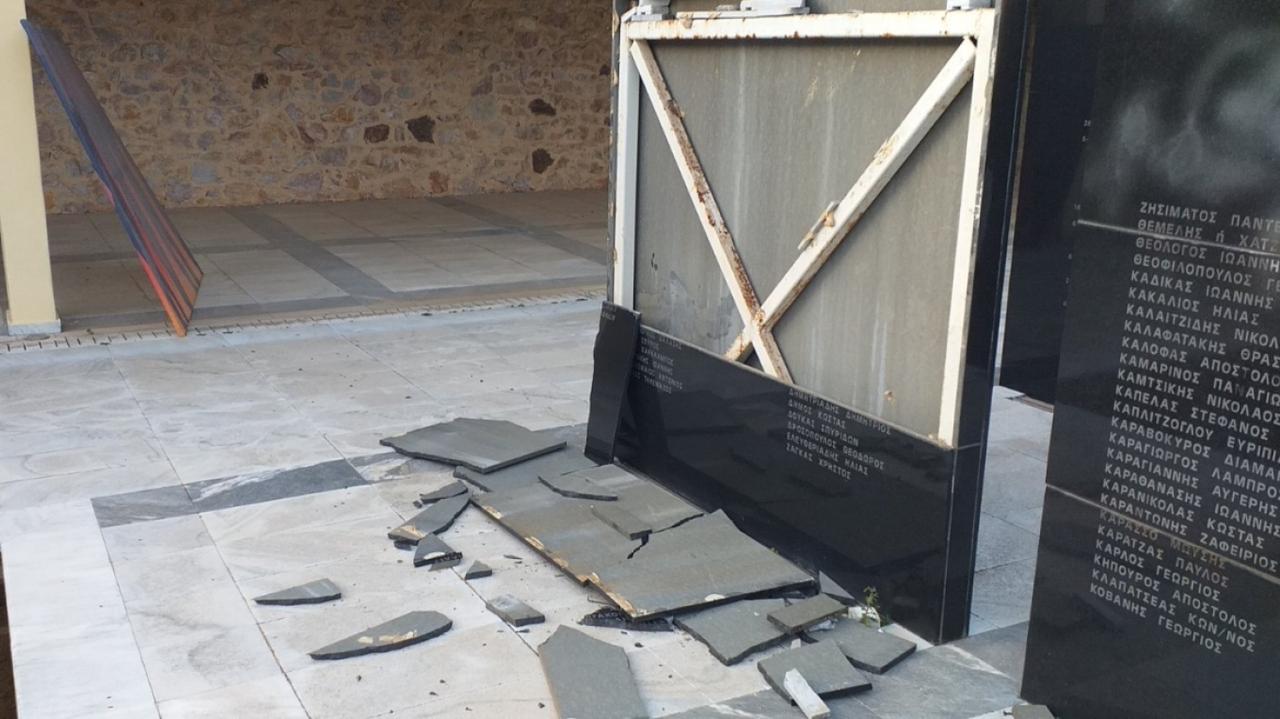
Hours after the photographs became public, unknown individuals vandalized the Memorial of the 200 at the Kaisariani shooting range.
The attack caused serious damage to a marble plaque describing the 1944 execution. Authorities blocked access to damaged sections and placed protective barriers at the site.
The Kaisariani municipal authority condemned the incident, stating that “historical memory does not fade no matter how much it bothers some.”
Officials said restoration work would begin immediately and pledged to strengthen protection and promotion of the historic site. The municipality also said it would continue efforts to preserve the memory of the victims.
The development comes at a time of growing domestic debate over Greece’s increasingly close relations with Israel.
Athens has expanded cooperation with Israel in defense, security and energy in recent years, a policy that has drawn criticism from opposition parties and prompted public protests related to the war in Gaza, although officials have not connected the vandalism to these issues.
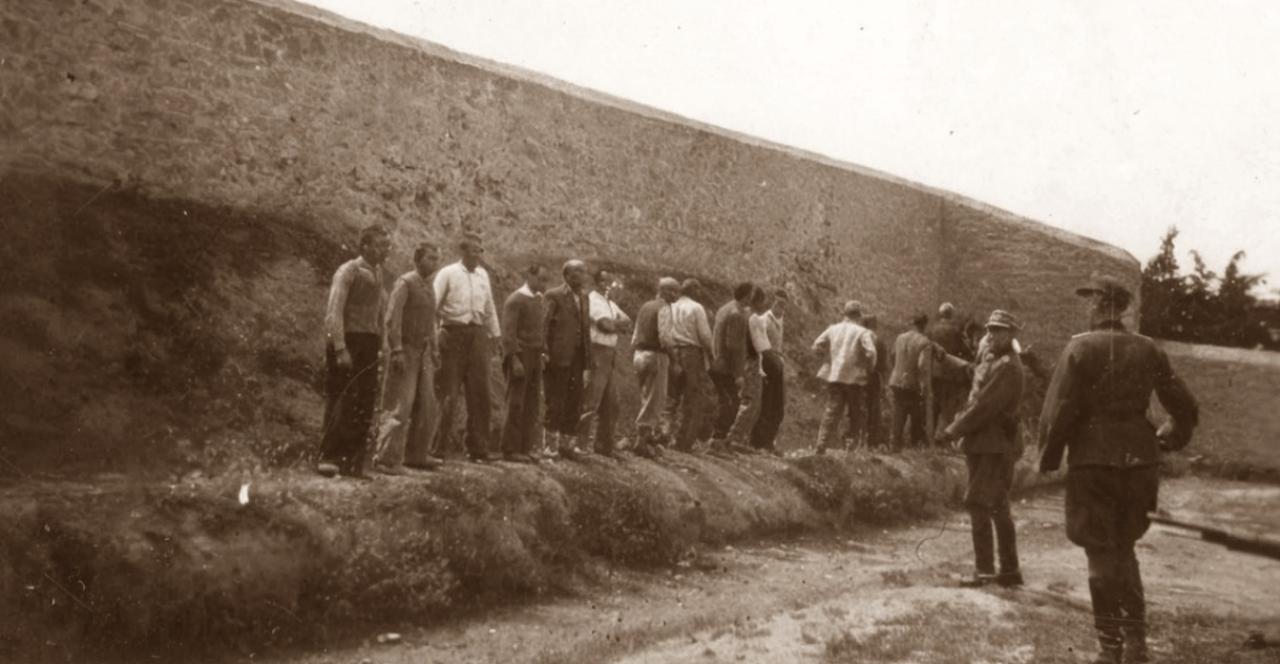
The Belgian company Crain’s Militaria, which listed the photographs, later removed them from eBay.
A representative said the decision followed public reaction and damage to the Kaisariani memorial. The seller stated he was “deeply shocked” by the incident and acknowledged the sensitive historical nature of the images.
He said many private collectors had expressed interest in purchasing the photographs but stressed that no decision had been made about their future. The company also said it remains open to discussions with Greek authorities regarding the material.
The seller requested recognition of his legal ownership rights and claimed that altered versions of the images circulated online without copyright protection, distorting victims’ faces and fueling debate about authenticity.
One individual in the photographs has reportedly already been identified by relatives as Vasilis N. Papadimas, an engineer arrested by Italian forces in 1941, though the broader verification process continues.
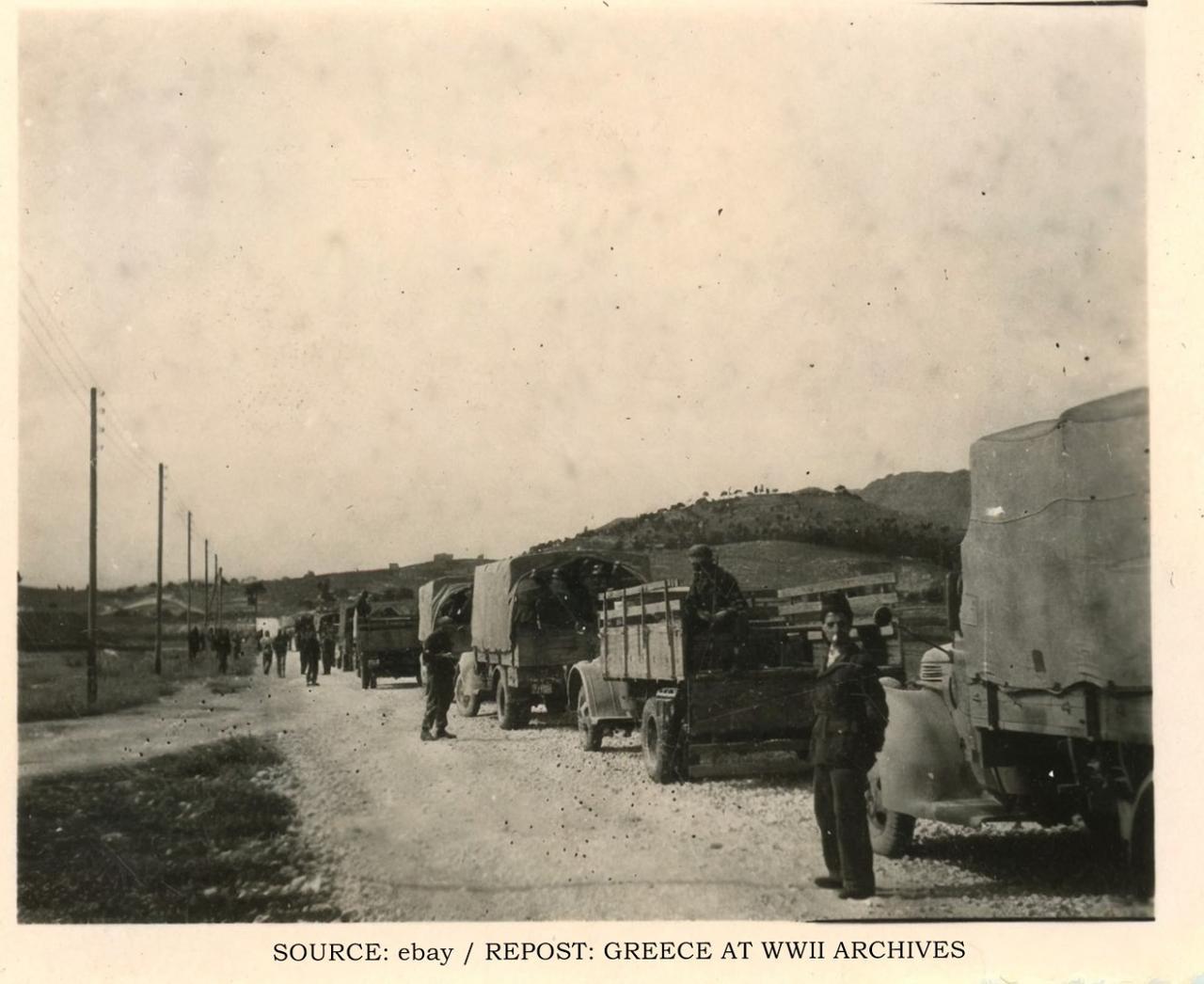
Greek officials have expressed interest in acquiring the photographs if experts confirm they are genuine.
Government spokesperson Pavlos Marinakis, citing information from the Culture Ministry, said the images “must be acquired, provided they are authentic.” The ministry has launched procedures to verify the material and explore possible acquisition.
Parliament Speaker Nikitas Kaklamanis also said the Greek Parliament may attempt to purchase the photographs if no legal restrictions exist under international rules governing the trade of war-related material. However, he clarified that the Culture Ministry holds primary responsibility for the process.
Authorities plan to examine the authenticity of the images through expert review before any decision.
If confirmed as authentic, the images would represent a significant visual record of the Nazi occupation of Greece.
At the same time, their appearance in a commercial auction has raised questions about ownership, preservation and the appropriate handling of sensitive historical material.


 Set as preferred source
 Set as preferred source


 3 min read