Newsletters


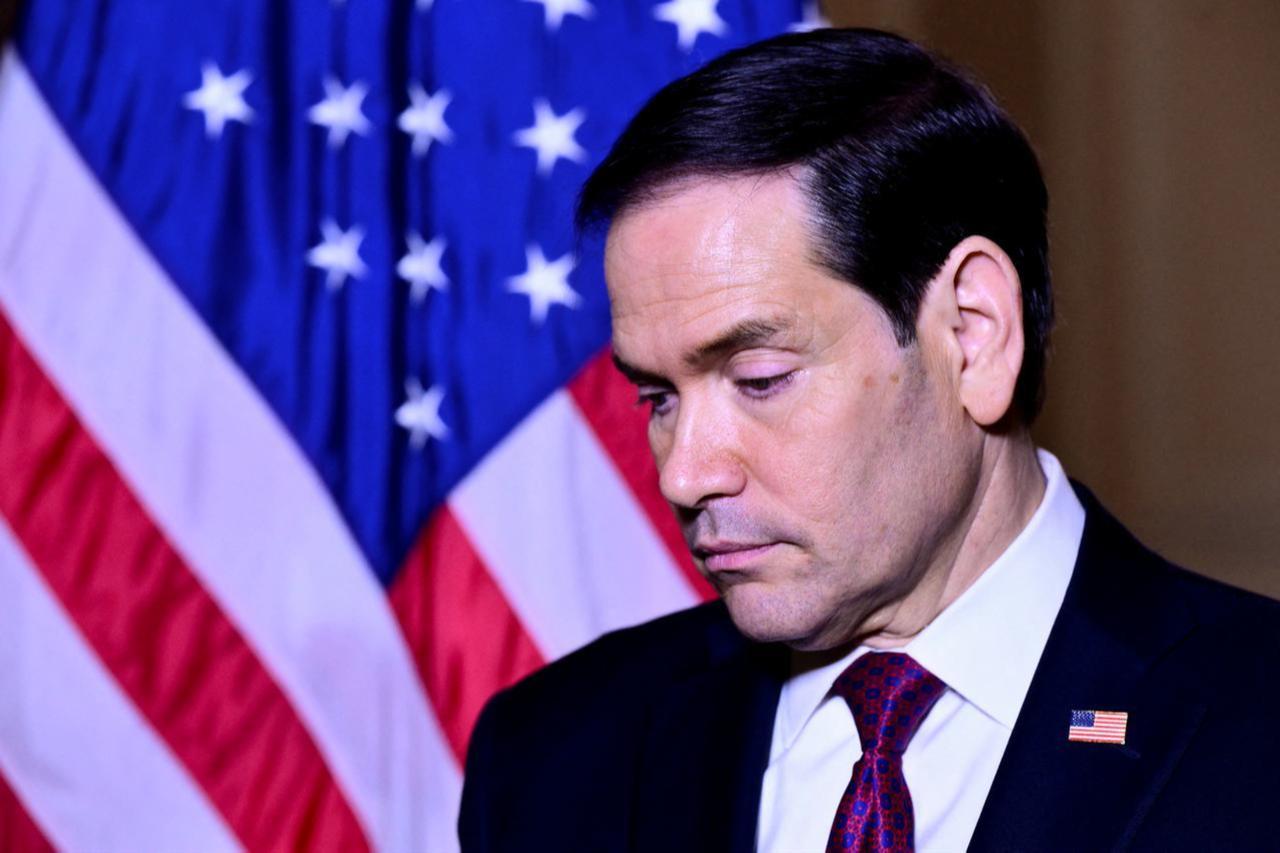


Cuba has told the United States it accepts a $100 million humanitarian aid offer, Secretary of State Marco Rubio said Thursday, though he expressed doubt about whether the two governments would agree on the terms needed to put the money to work.
"They say they've accepted it," Rubio told reporters. "We'll see if that means it" will work out — a remark that underscored the fragile and conditional nature of the emerging agreement between Washington and Havana.
The standoff over the aid package has unfolded against a deepening humanitarian crisis in Cuba, where the national power grid suffered a major failure that stripped electricity from the island's eastern provinces, from Guantanamo to Ciego de Avila. Cuba produces barely 40 percent of the fuel needed to power its economy, and supplies delivered by a Russian vessel in late March had run out by mid-May.
The State Department publicly announced the $100 million offer on May 14, framing it as direct humanitarian assistance to be distributed through the Catholic Church and other independent organizations, with no involvement from the Cuban government.
The administration conditioned the aid on Cuba committing to what it called meaningful reforms, and warned that Havana would be accountable to its own people if it stood in the way.
Cuba's response was cautious. President Miguel Diaz-Canel said his government would accept the assistance only if it came, as he put it, "in full conformity with the universally recognized practices for humanitarian assistance," while also arguing that Washington could do more by simply lifting sanctions.
Cuban Foreign Minister Bruno Rodriguez had initially dismissed an earlier, private version of the offer as a fabrication before softening his position and saying Havana was willing to hear the details.


 Set as preferred source
 Set as preferred source


 2 min read