Sign in
 Newsletters


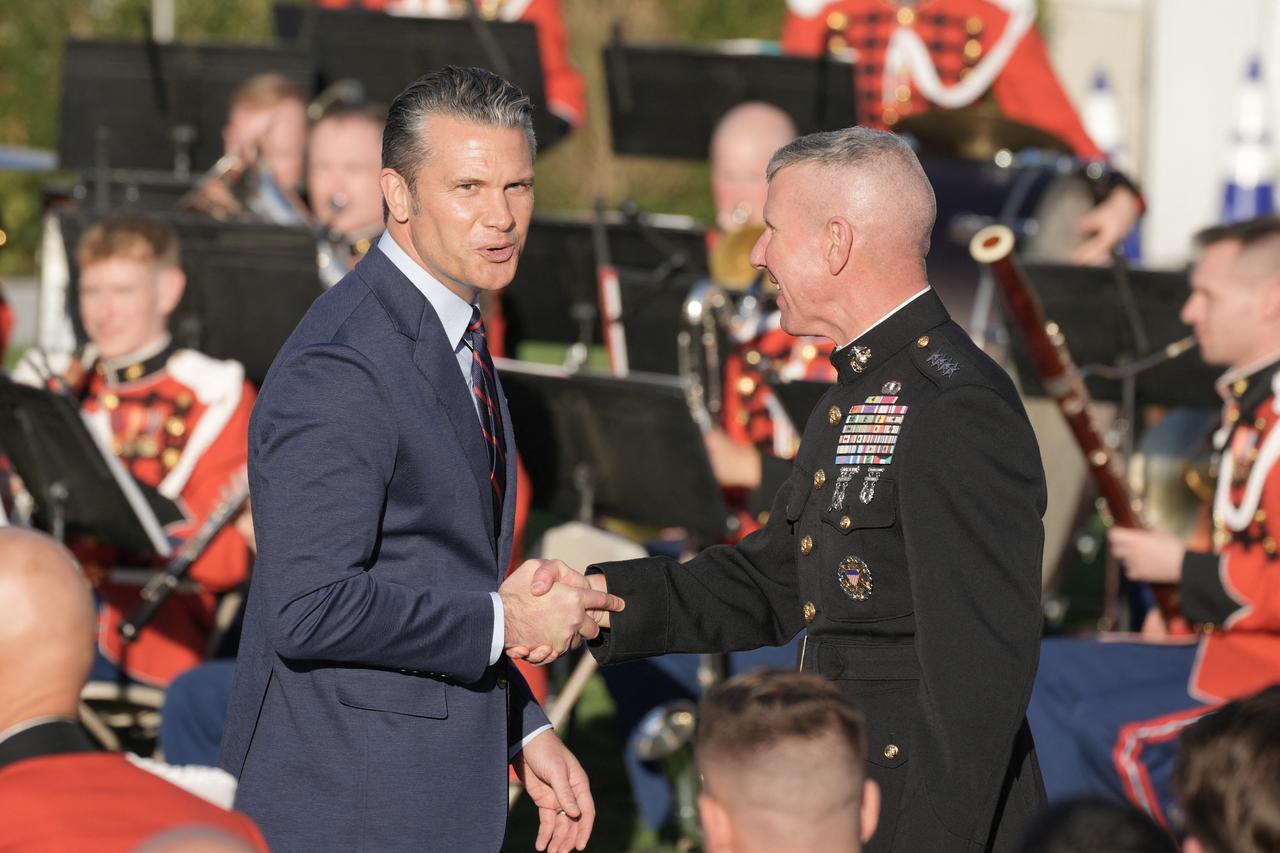


United States Defense Secretary Pete Hegseth has imposed new restrictions on military cooperation with Canada through a classified directive circulated last week, The Washington Post reported Friday, marking another point of tension between the longtime allies amid an escalating trade and political dispute.
The newspaper cited officials familiar with the directive who spoke on condition of anonymity because of the sensitivity of the matter. The Washington Post said it had not reviewed the classified memorandum.
One official said the restrictions would likely be viewed by Canadian authorities as a "slap in the face," raising questions about how military cooperation between the two countries could be affected.
The precise scope of the restrictions was not disclosed.
Pentagon spokesperson Sean Parnell said the Defense Department was “taking steps to ensure its engagements with Canada advance tangible U.S. defense objectives and ultimately support a reinvigorated defense relationship.”
He said Washington was prioritizing bilateral cooperation that strengthens the defense of both countries and the wider hemisphere while helping Canada meet its NATO commitments.
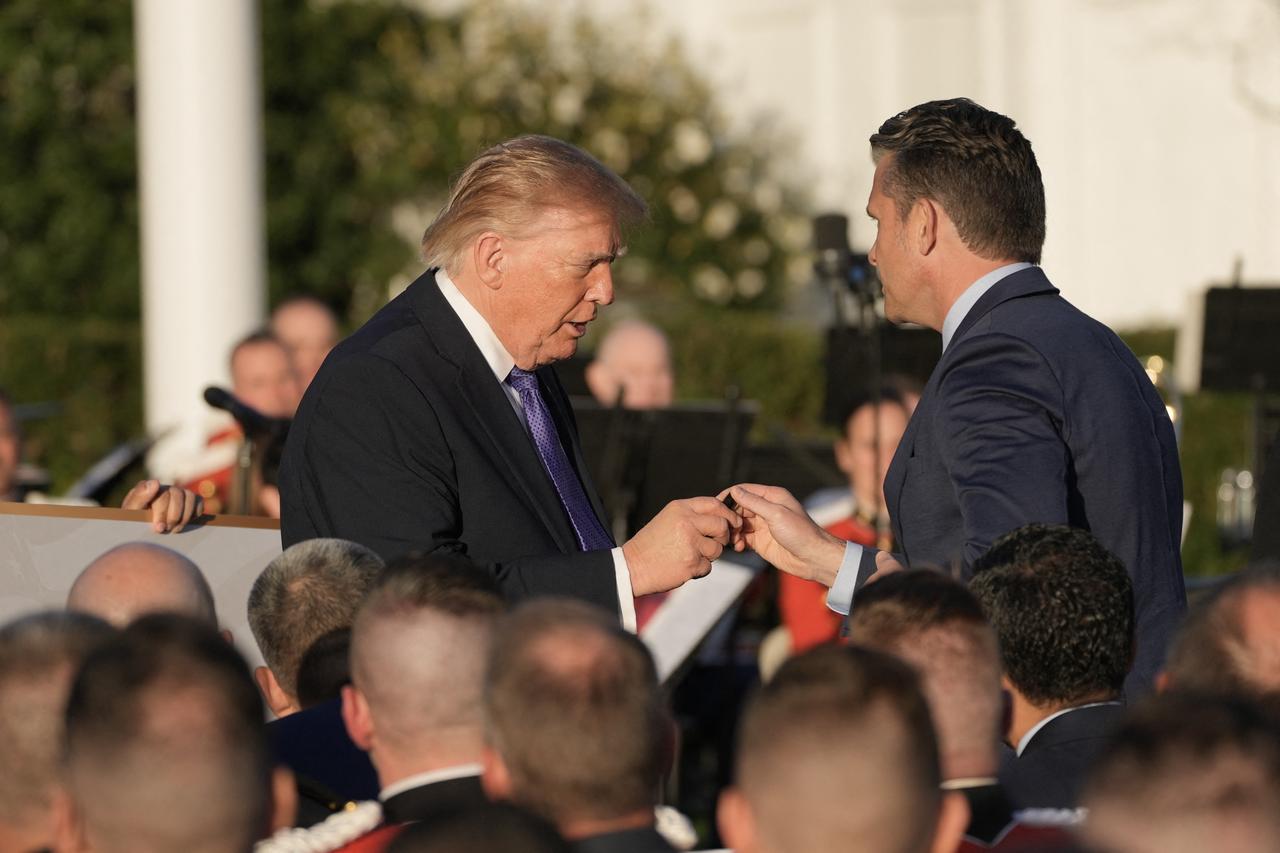

Parnell emphasized that Hegseth's directive would not affect defense intelligence sharing or military cooperation through NATO and the North American Aerospace Defense Command (NORAD).
The United States and Canada are founding members of NATO and coordinate daily through NORAD, headquartered in Colorado, to protect their shared airspace and maritime approaches.
However, an official from one of the Five Eyes intelligence-sharing countries said U.S. officials had already been sharing less information across several platforms over the past year.
The official said Washington had not formally indicated that intelligence-sharing arrangements would change.
The Five Eyes alliance comprises the United States, Canada, the United Kingdom, Australia and New Zealand.
The White House referred questions about the directive to the Pentagon, while the Canadian Embassy in Washington did not respond to the newspaper's request for comment.
Canada's Department of National Defense also did not immediately respond to a request for comment from Anadolu.
The reported restrictions come amid a broader deterioration in relations between Washington and Ottawa since President Donald Trump returned to the White House.
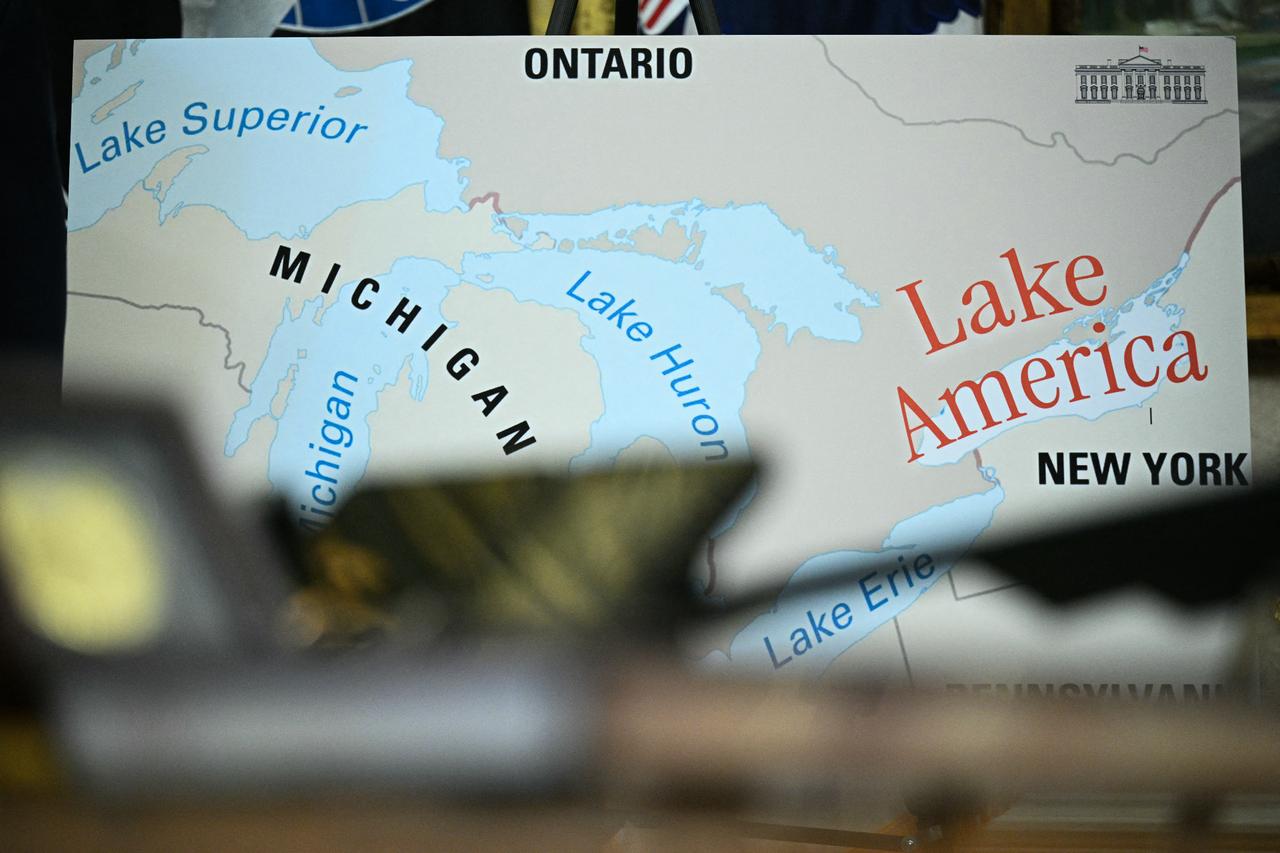
Trump has repeatedly criticized Canada's defense spending and suggested that the country should become the 51st U.S. state, remarks that Canadian officials have rejected.
His administration has also imposed tariffs on Canadian steel, aluminum and other products, prompting retaliatory measures from Ottawa.
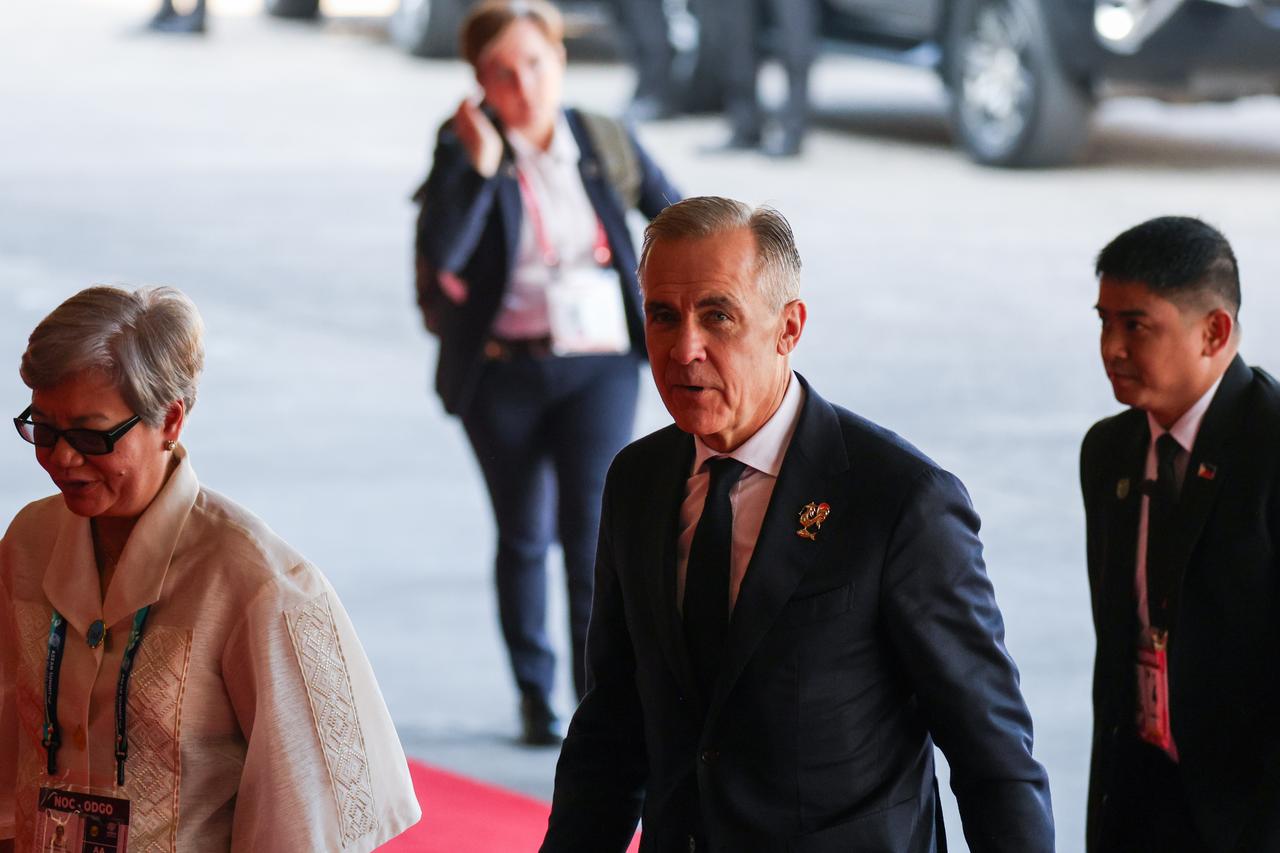
Canadian Prime Minister Mark Carney has sought to reduce the country's reliance on U.S. defense equipment while increasing domestic military spending.
In March, Carney announced that Canada had raised its defense expenditures to 2% of gross domestic product, meeting NATO's previous spending benchmark.
The alliance subsequently adopted a new target for members to spend 5% of GDP on defense and related security requirements by 2035.
Hegseth has also faced criticism from Canadian officials. In August, Canadian Defense Minister David McGuinty described a social media post by his American counterpart as beneath the dignity of his office.
Speaking at the White House on Friday, Trump described Carney as "very nice" but expressed frustration over Canada's position in ongoing trade negotiations.
"For some reason they feel emboldened," Trump said, adding, "and we can't let them feel that way anymore."
The dispute comes despite decades of close military cooperation between the two countries, which share a 5,525-mile border.
Canadian forces have fought alongside U.S. troops in several conflicts, including Afghanistan, where at least 158 Canadian service members were killed and more than 2,000 wounded.
The reported Pentagon directive adds a new dimension to the dispute, although its operational consequences remain unclear because the restrictions have not been publicly detailed.


 Set as preferred source
 Set as preferred source


 2 min read
 1 min read