Newsletters


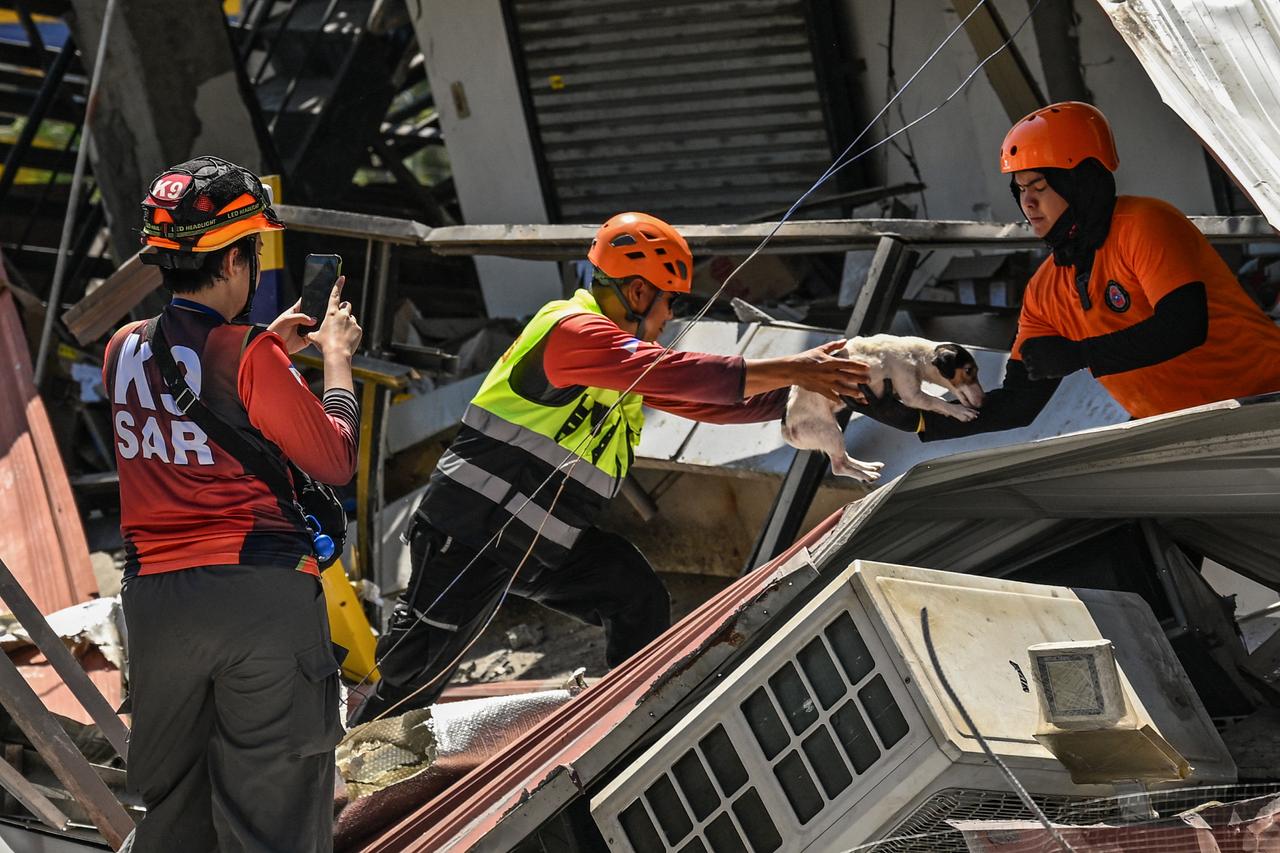


The death toll from a powerful 7.8-magnitude earthquake in the southern Philippines rose to 37 on Tuesday, with four people still missing as rescue teams searched damaged communities across Mindanao island, local media reported.
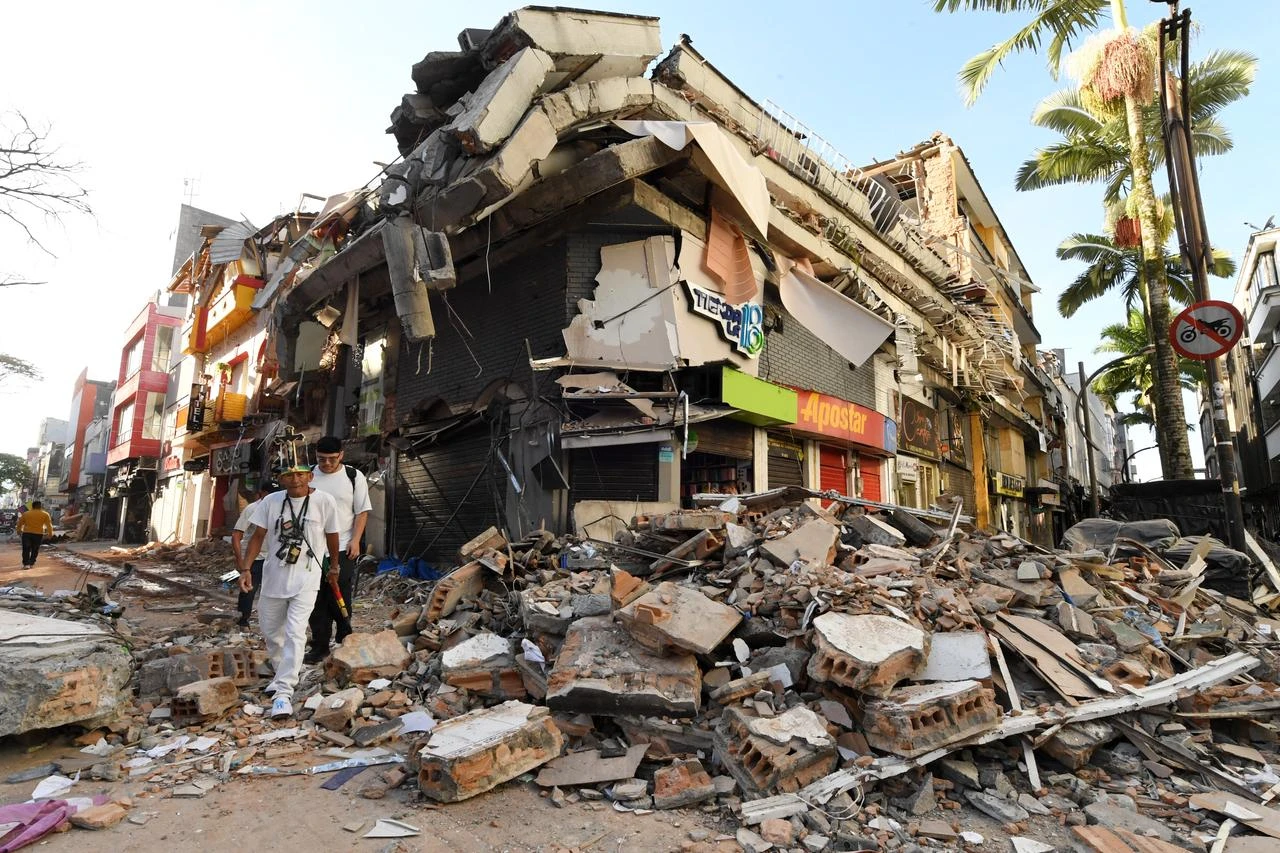
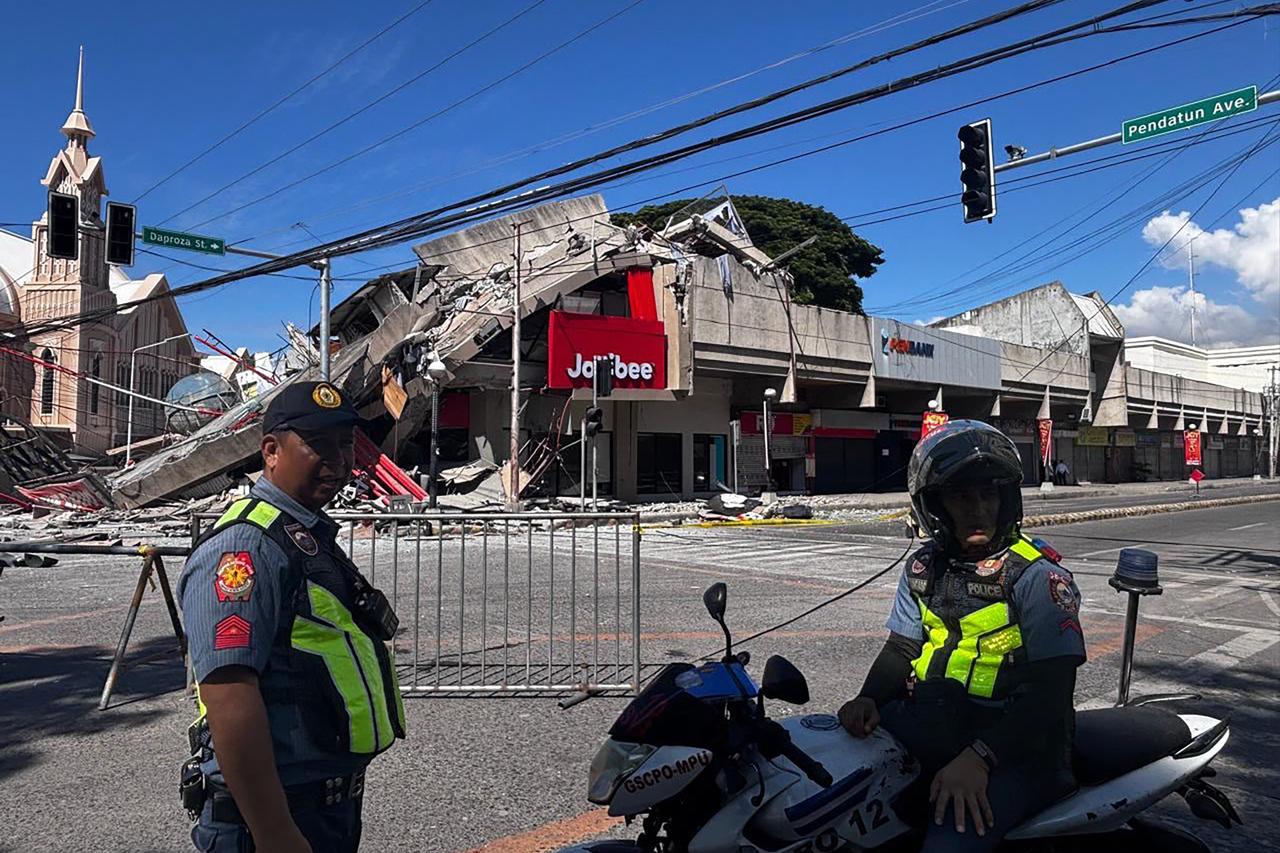
The earthquake struck at 7:37 a.m. local time on Monday off the coast of Sarangani province. It caused widespread damage, toppling buildings, disrupting electricity and water services and triggering landslides in several areas, according to Philstar.
Around 88,000 people were affected across southern Mindanao, including 22,690 who were displaced, officials said. Many residents remained in open areas because of continuing aftershocks and concerns over the safety of damaged buildings.
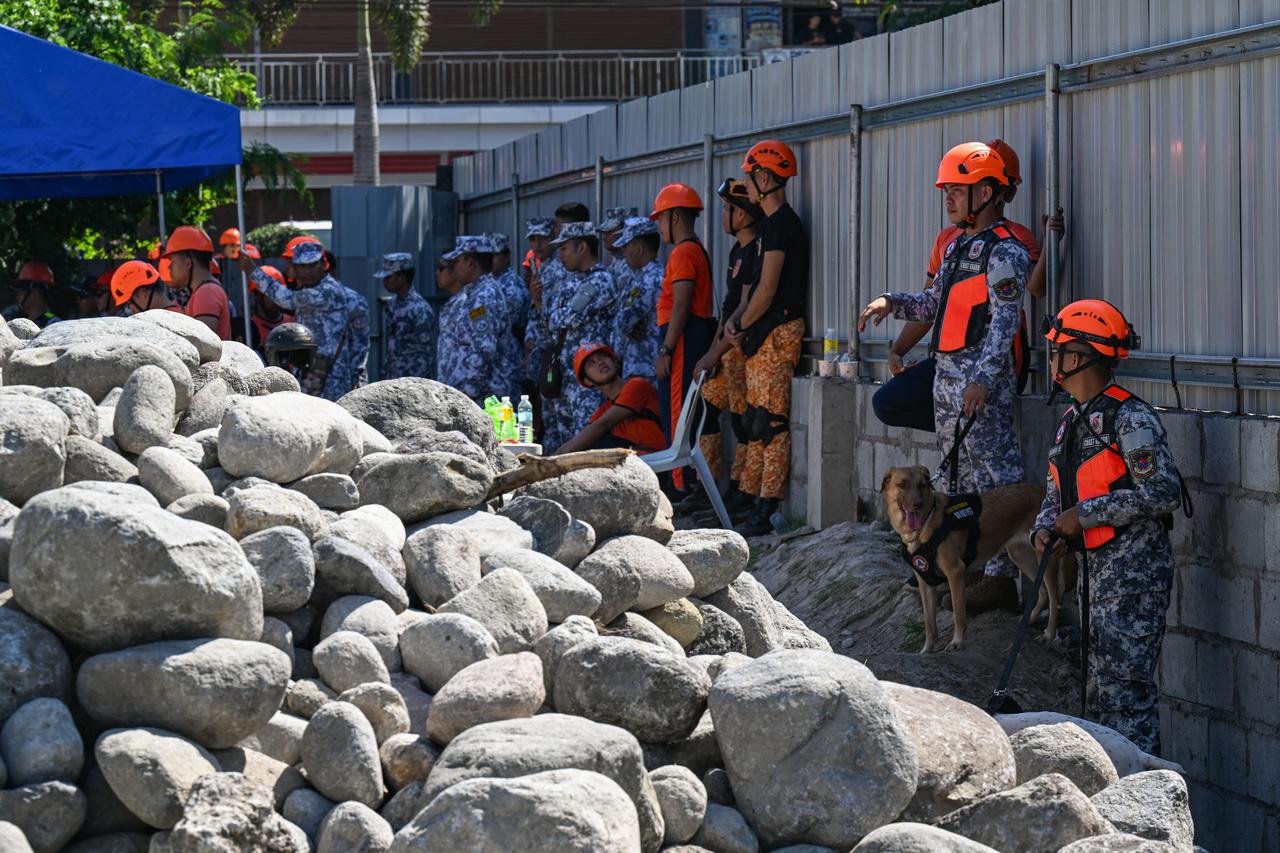
Search, rescue and retrieval operations were focused on the city of General Santos and Sarangani province, among the hardest-hit locations.
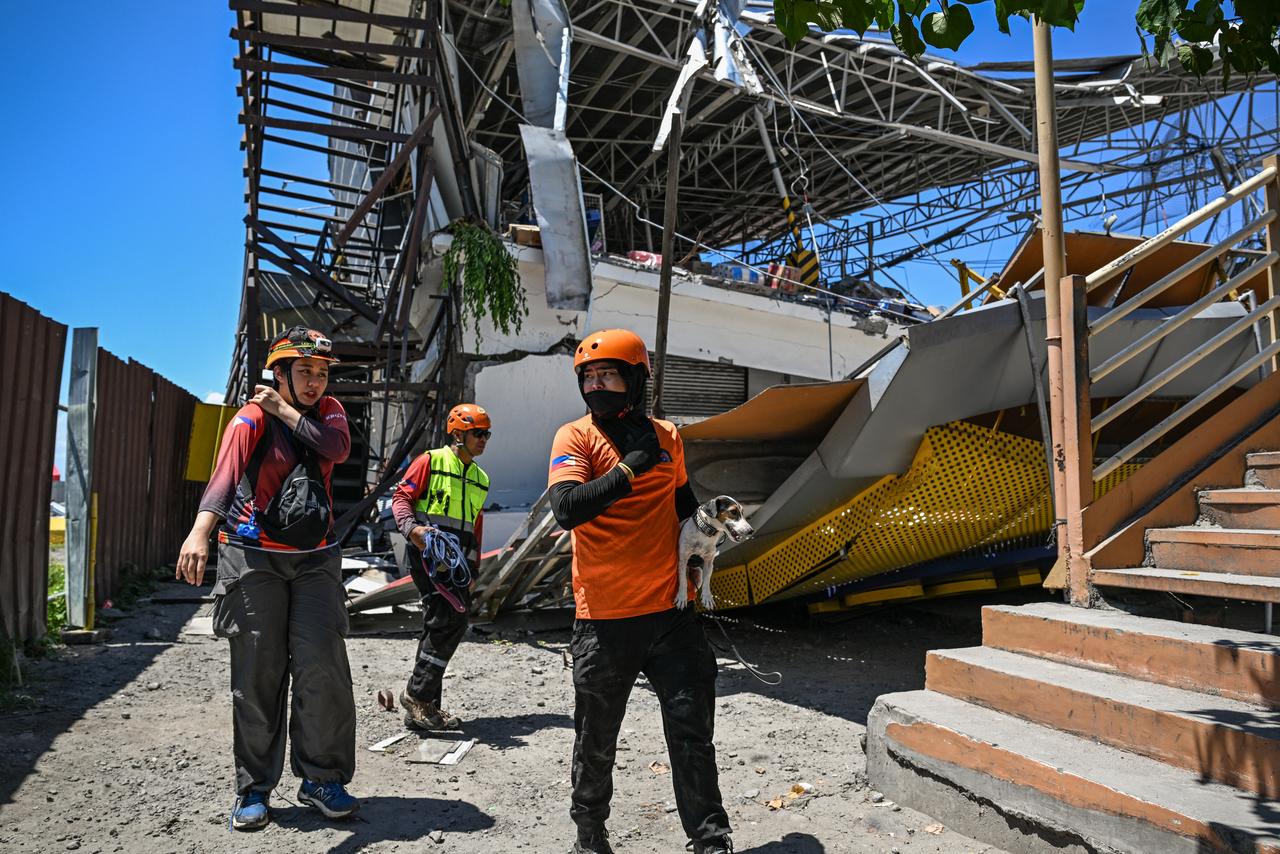

Office of Civil Defense Deputy Spokesperson Diego Mariano said 33 deaths were recorded in the Soccsksargen region.
The fatalities included 18 in Sarangani, 12 in General Santos and three in South Cotabato. Four additional deaths were reported in the neighboring Davao Region.
The spokespersonof the Office of Civil Defense, Junie Castillo, said most victims were killed by falling debris as buildings and other structures collapsed during the earthquake.
Authorities reported at least 479 injuries, including 456 in Region 12 and 23 in the Davao Region.
Four people remained missing as rescue teams continued searching affected communities.
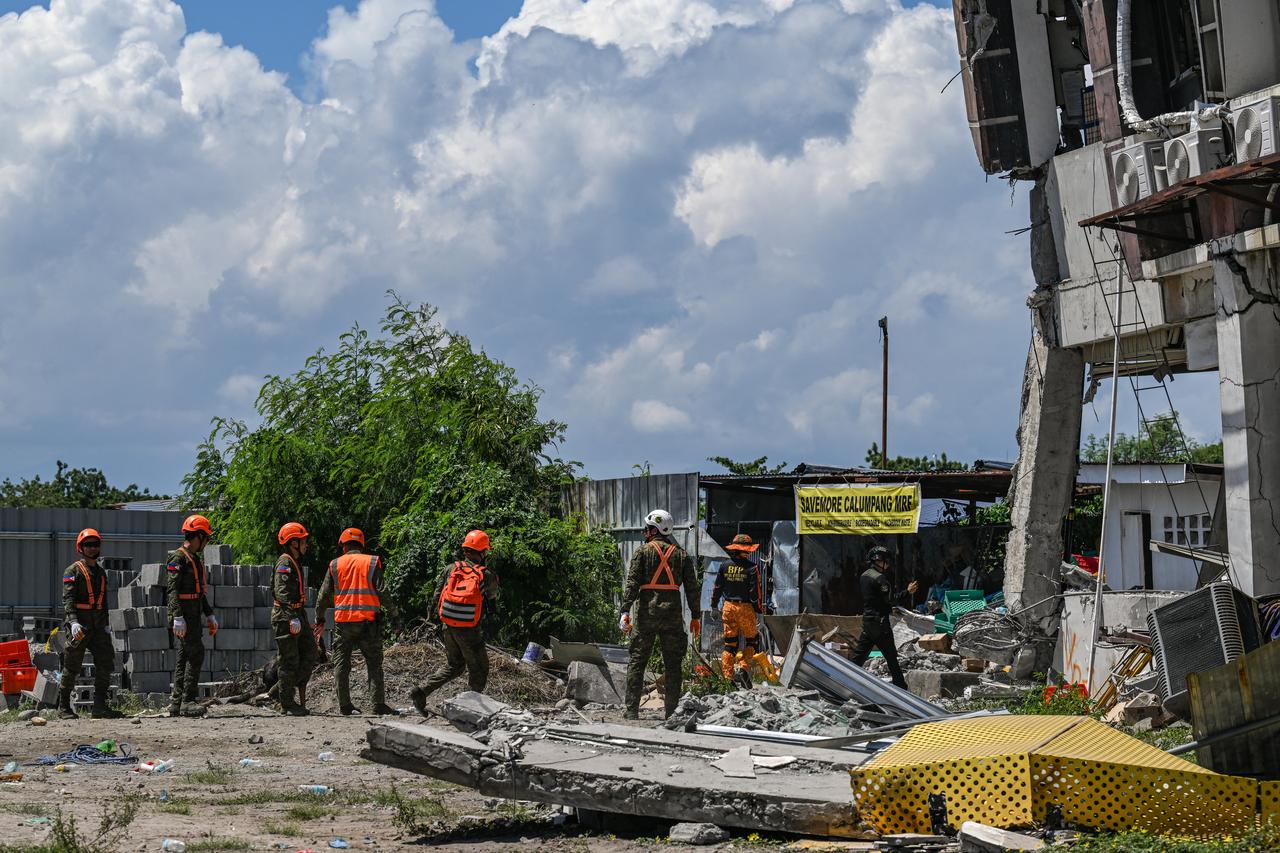
Officials said 1,889 homes were damaged, including about 1,500 that were completely destroyed.
Property losses were estimated at 15 million pesos, or about $243,607, though assessments remained underway and the figures could change.
Authorities also reported damage to nine bridges and 19 roads. Infrastructure losses were estimated at more than 900 million pesos, or $14.6 million.
The Office of Civil Defense said it was planning to establish a tent city for residents unable to return home because of structural damage and continuing safety concerns.
Power and water services were disrupted in parts of Mindanao, while landslides affected several areas.
The Department of Education reported significant damage to schools across Mindanao.
An initial assessment found that 1,159 classrooms in 231 public schools across five regions had been damaged.
Officials continued assessing schools and other public infrastructure as aftershocks complicated inspections and rescue operations.
A strong 6.1-magnitude aftershock struck the region about two hours after the main earthquake, according to the U.S. Geological Survey.
A 5.1-magnitude earthquake was also recorded on Tuesday as aftershocks continued, raising concerns about further damage and slowing rescue work.
After the earthquake, the U.S. Pacific Tsunami Warning Center said tsunami waves exceeding 3 meters, or 10 feet, above normal tidal levels were possible along some coastlines.
Authorities in the Philippines and Indonesia urged residents in vulnerable coastal communities to move to higher ground as a precaution.
The Philippine Institute of Volcanology and Seismology later cancelled the tsunami warning after observing wave heights that were too small to cause damage.


 Set as preferred source
 Set as preferred source


 2 min read
 1 min read