Newsletters


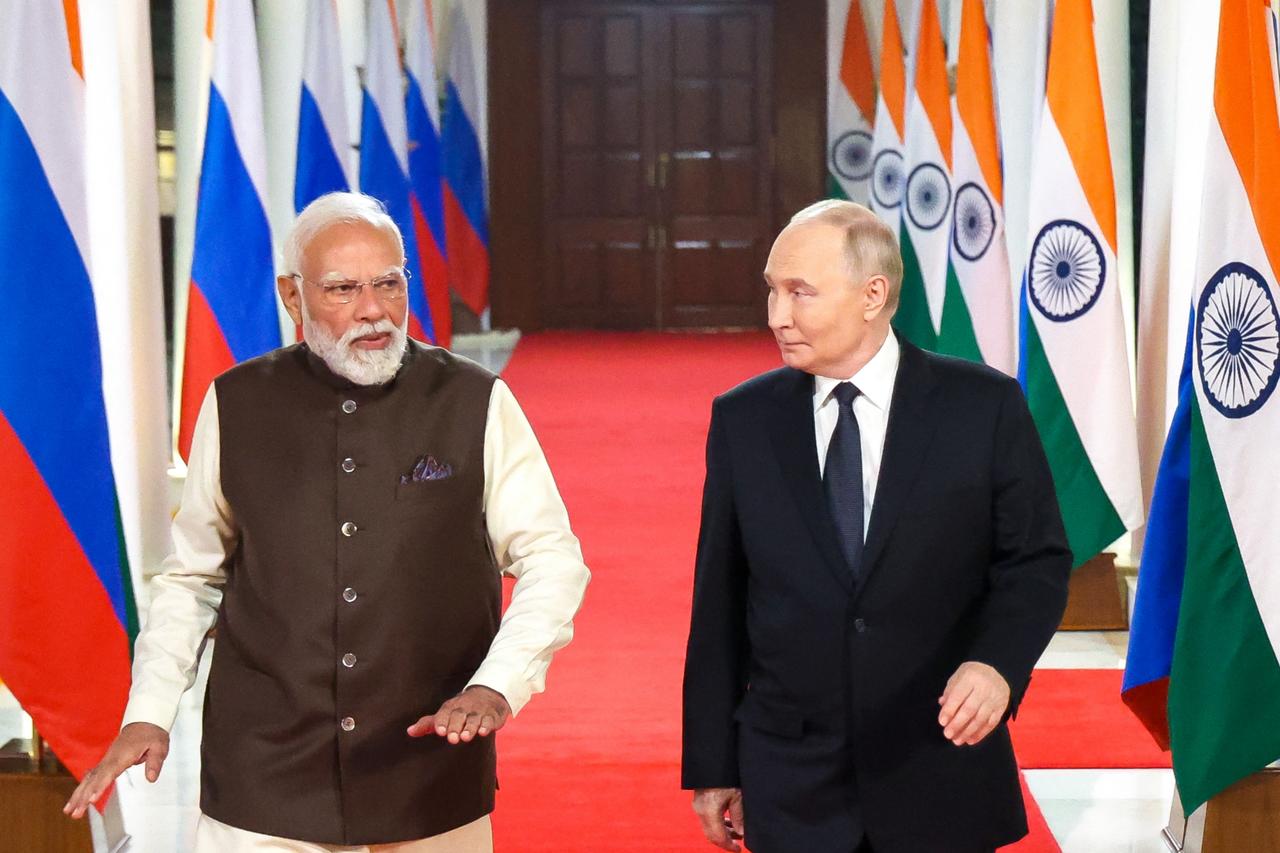


Russian President Vladimir Putin arrived in India on Thursday for his first visit since the start of the Ukraine war, seeking to deepen defense and trade relations with New Delhi amid heightened pressure from Washington over Russian oil imports.
The two-day trip includes a private dinner with Indian Prime Minister Narendra Modi and a co-chaired summit on Friday, which will serve as the 23rd annual India–Russia bilateral meeting.
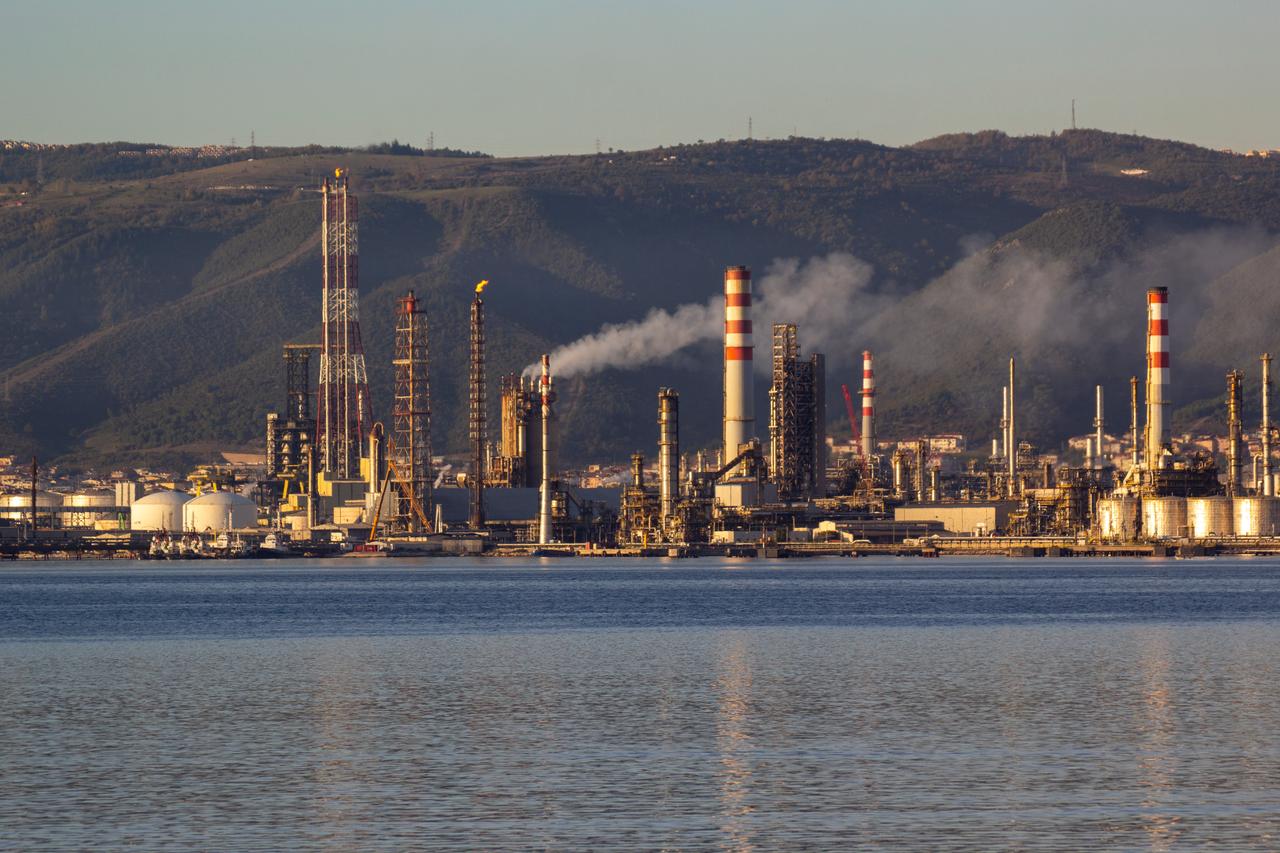
Putin’s visit takes place as India faces renewed U.S. tariffs over its energy dealings with Moscow. Washington imposed a 50% tariff on most Indian goods in August, citing Delhi’s continued purchases of Russian crude oil. Although India has recently scaled back oil imports from Russia, the Kremlin is now pushing to expand other areas of cooperation, including defense and technology.
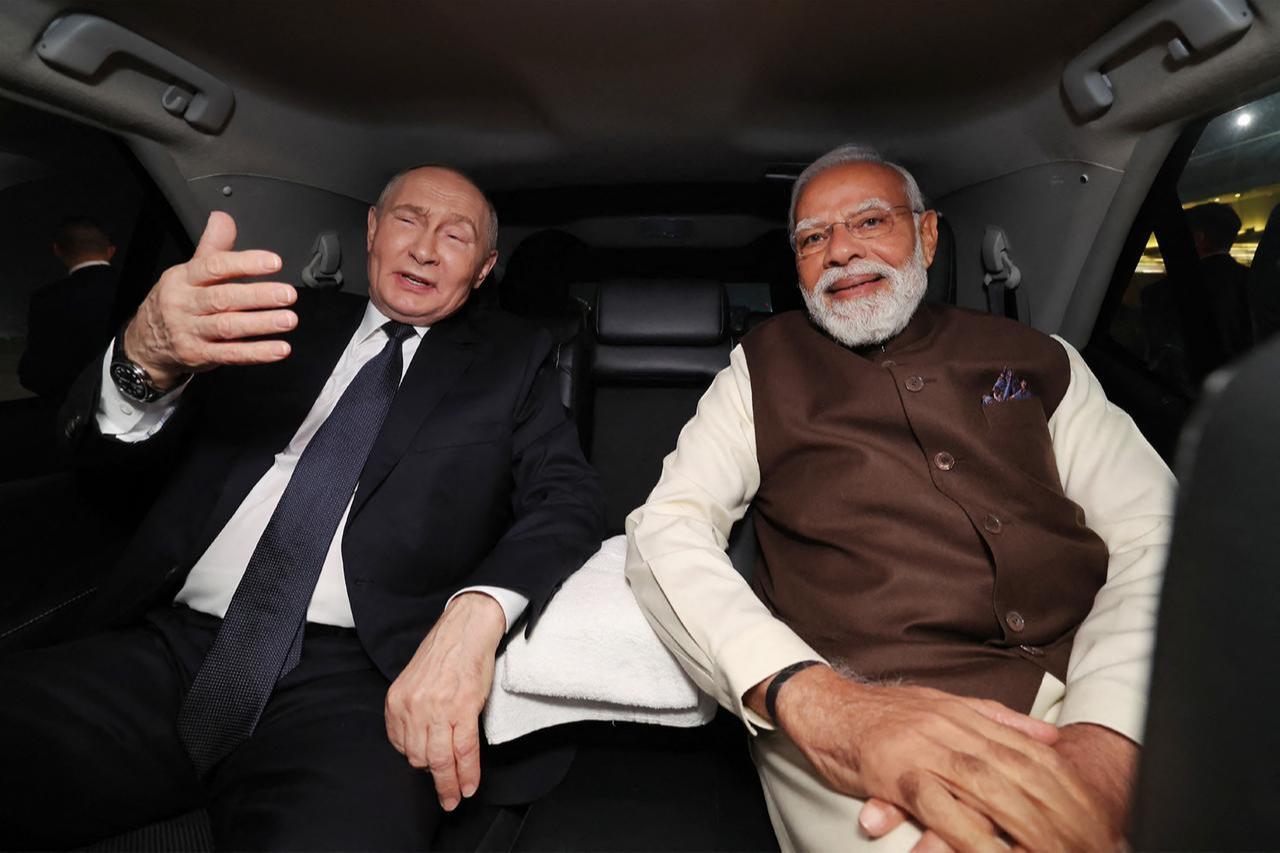
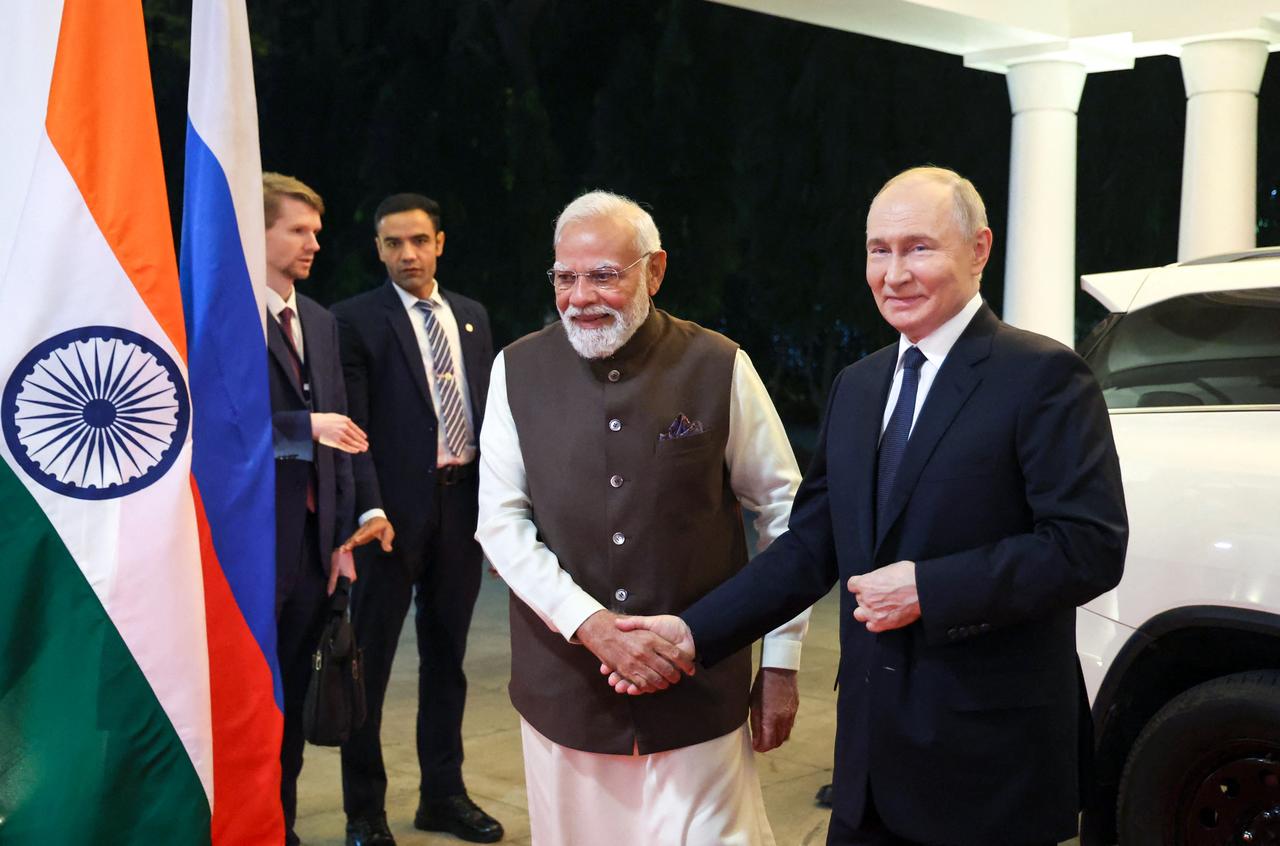
Upon landing in New Delhi, Putin was greeted by Modi at the airport. The two leaders traveled together to the prime minister’s residence, where they held a private dinner ahead of Friday’s official engagements.
In a post on social media platform X, Modi described Putin as a "friend" and reiterated that India-Russia ties are "time-tested," stressing that the relationship has benefited both populations over the decades.
The Russian delegation includes Defense Minister Andrei Belousov, with expected discussions around expanding India’s procurement of Russian S-400 air defense systems and a potential joint production deal for Russia’s Su-57 stealth fighter jets.
Kremlin spokesperson Dmitry Peskov noted that expanding defense cooperation "has an important place on the agenda" and underscored Moscow’s aim to boost bilateral business ties "without allowing anyone to interfere."

Bilateral trade between the two countries surged to $68.7 billion in fiscal year 2024–25, nearly six times the pre-pandemic level. However, Indian exports to Russia accounted for only $4.88 billion of that total, prompting New Delhi to press for greater market access.
India is seeking to boost its exports in key sectors such as pharmaceuticals, automobiles, marine products, and IT services. Multiple agreements and memorandums of understanding are expected to be signed in areas including shipping, healthcare, fertilizers, and connectivity.
A senior Indian foreign ministry official, speaking anonymously, acknowledged the need to address the growing trade deficit “one way or the other,” while stressing that the bilateral relationship remains one of the most stable globally.
Putin is also scheduled to attend a business forum alongside Indian business leaders, with both sides aiming to raise annual trade to $100 billion in the coming years.
In an interview with Indian broadcaster India Today, Putin commented on the ongoing negotiations led by U.S. President Donald Trump regarding the Ukraine conflict, describing the effort as "complex" but worth pursuing.
"This is a complex task and a challenging mission that President Trump took upon himself," he said in remarks translated by the channel. "Achieving consensus among competing parties is no easy task, but President Trump, truly, I believe—he sincerely tries to do this. I think we should engage with this effort rather than obstruct it."
On Friday evening, Indian President Droupadi Murmu will host Putin for a presidential dinner before the Russian delegation departs.
While defense and energy issues dominate headlines, the broader context of the visit reflects a balancing act by New Delhi. India continues to pursue strategic autonomy—managing ties with the West, including the U.S., while maintaining long-standing relations with Russia, a key player in the BRICS and Shanghai Cooperation Organization blocs.
Despite mounting global tensions, Indian officials have downplayed the geopolitical framing of the summit, with one foreign ministry source calling it “just another annual meeting” between trusted partners.


 Set as preferred source
 Set as preferred source


 1 min read
 1 min read