Newsletters


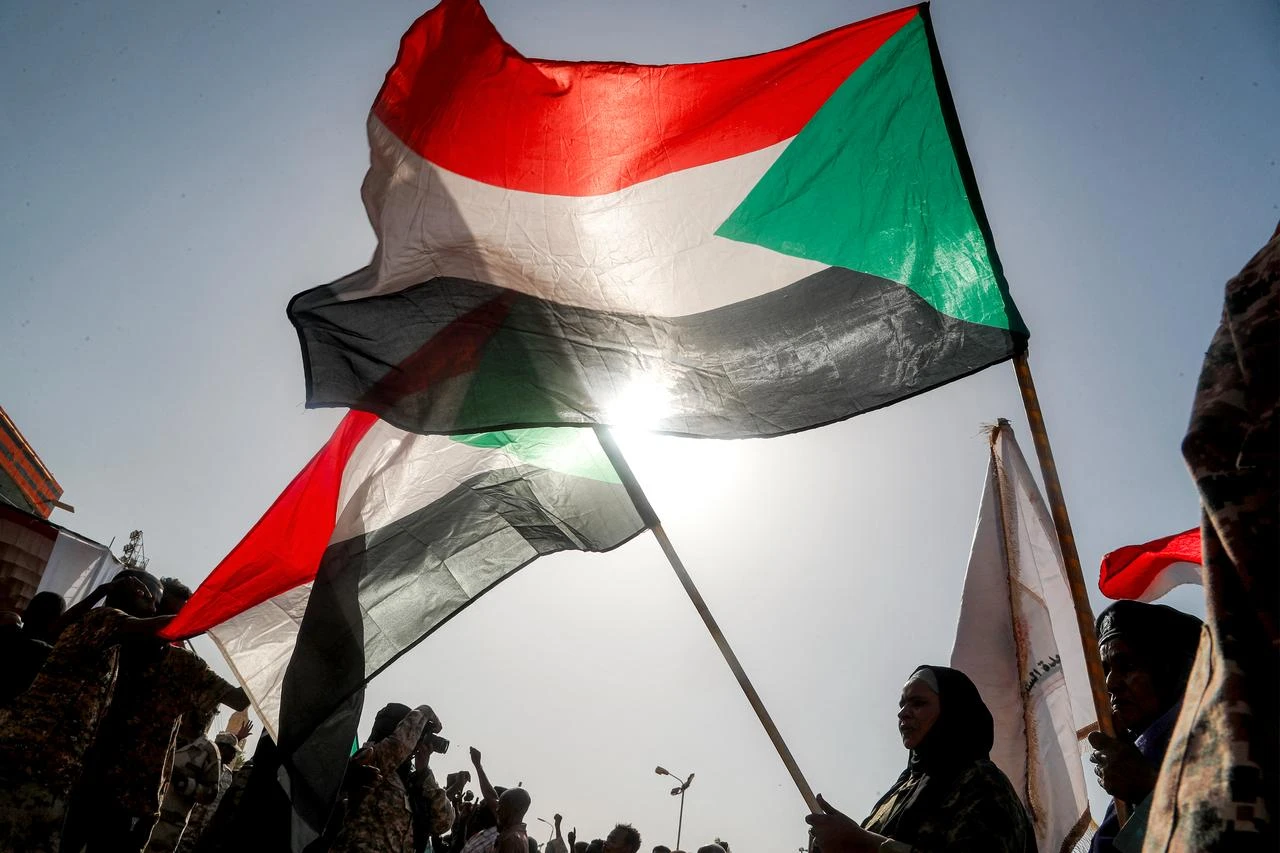


Sudan's paramilitary Rapid Support Forces (RSF) committed crimes against humanity and ethnic cleansing during their 18-month siege and ultimate capture of el-Fasher in North Darfur, Amnesty International said Wednesday,
It called on the international community to immediately deploy an international protection force and halt all arms supplies to the conflict's parties.
"The war in Sudan is a war on civilians. The world was warned of the horrors that civilians in El Fasher confronted as the RSF laid siege to the city. It is a stain on the conscience of humanity," Amnesty Secretary General Agnes Callamard said.
The report, titled "City Under Siege, Children Under Fire: Rapid Support Forces' Crimes Against Humanity in North Darfur," documents killings, torture, rape, sexual slavery, forced displacement, imprisonment, enslavement, extermination and persecution committed against civilians in and around el-Fasher between early 2024 and October 2025, when the RSF launched its final offensive and seized the city.
El-Fasher was the last stronghold of the Sudanese Armed Forces in the Darfur region.
Amnesty said it interviewed 247 people for the report, including 208 survivors, 169 adults and 39 children, who experienced or witnessed conflict-related abuses.
The organization also analyzed 89 videos and extensive satellite imagery from North Darfur.
A letter was sent to RSF leader Gen. Mohamed Hamdan Dagalo on June 10 detailing the findings; no response had been received by the time of publication.
The RSF maintained a brutal siege on El Fasher from May 2024 to October 2025, restricting the entry of food and humanitarian supplies while shelling the city almost daily.
Famine spread, forcing residents to eat ambaz, a byproduct of peanut oil production normally used as animal feed.
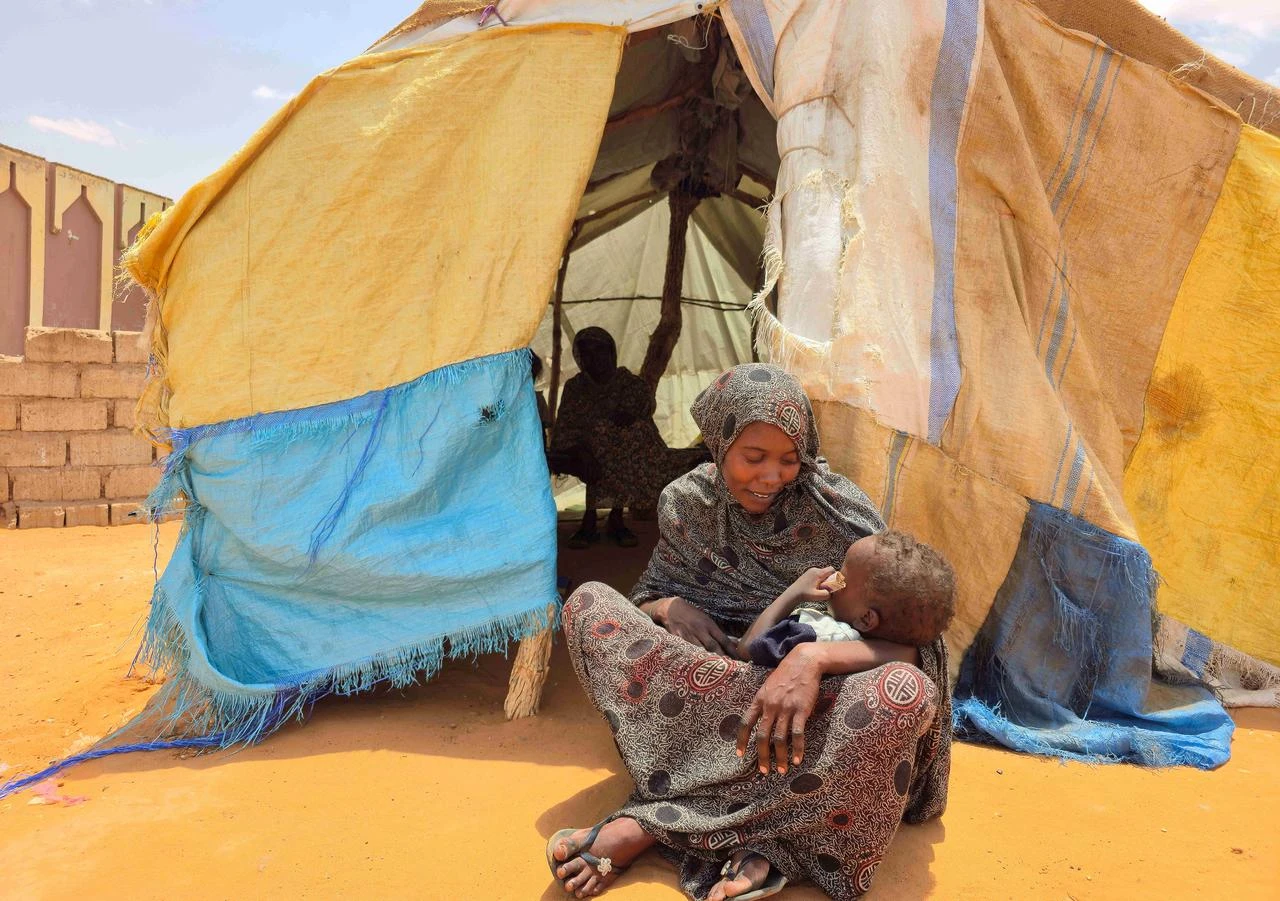
Women described giving birth in sweltering underground bomb shelters, in hospitals that were shelled, or while fleeing violence. Unable to obtain adequate nutrition themselves, many could not produce enough milk to feed their newborns.
Rashida, a 39-year-old woman, lost her youngest child, a one-year-old twin, in August 2025. "He was getting very weak, not taking milk. He became very thin," she said.
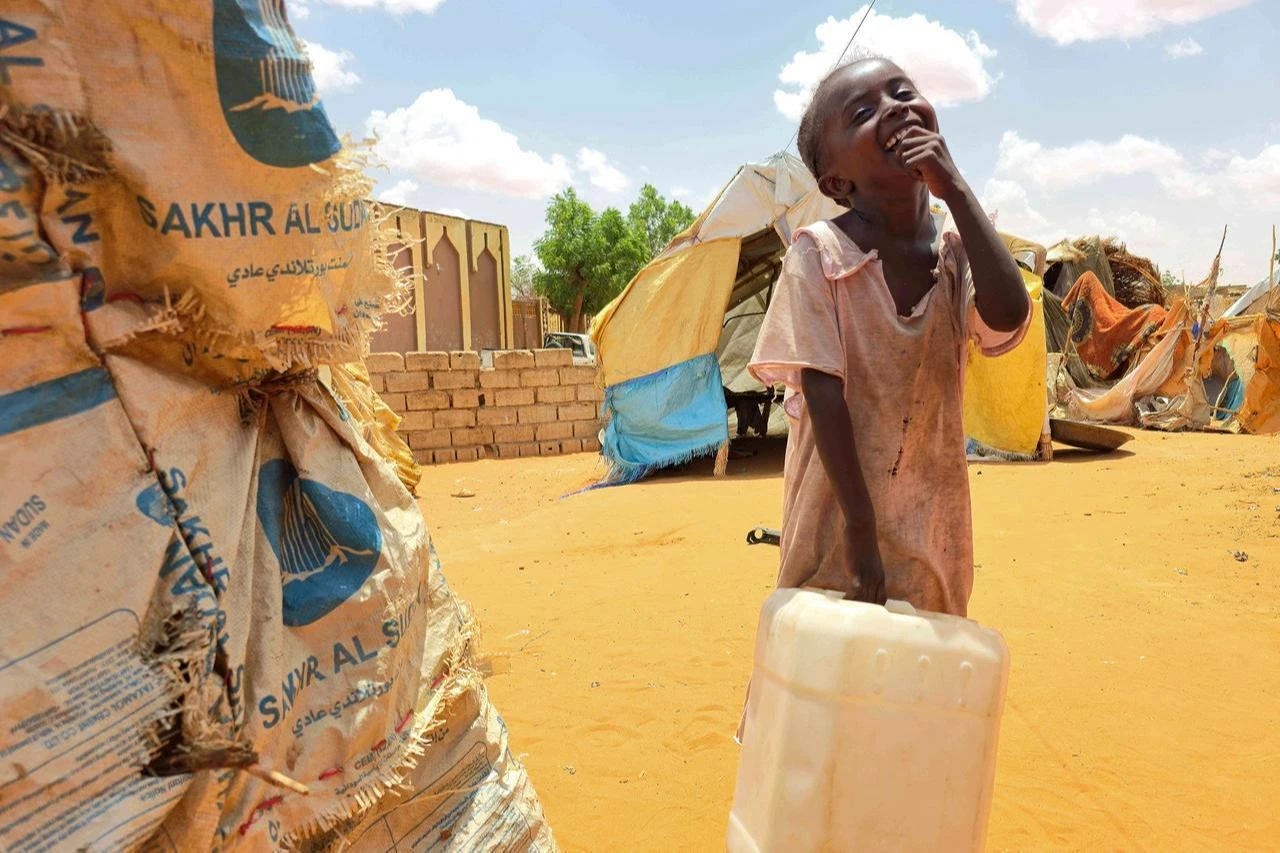

On Oct. 26, 2025, the RSF launched its final offensive on el-Fasher. When civilians attempted to flee, they encountered a 57-kilometer (35.42-mile) network of berms.
"A massacre followed," Amnesty said. Hundreds were executed and many others were tortured or detained. Amnesty interviewed 70 survivors of the assault, nearly all of whom witnessed executions, rape, other torture or hostage-taking.
One 58-year-old woman estimated she saw more than 1,000 dead bodies.
"The people who were shot were thrown inside the berm. (The RSF) said they would fill in the berm with the bodies," she said.
Zubeida, a 15-year-old girl, survived a massacre of approximately 25 people at the berm only because she identified herself as half-Arab and falsely claimed her father was in the RSF.
She witnessed the execution of men and boys, the killing of women who resisted rape, and the shooting of young children.
"I am the only survivor," she said.
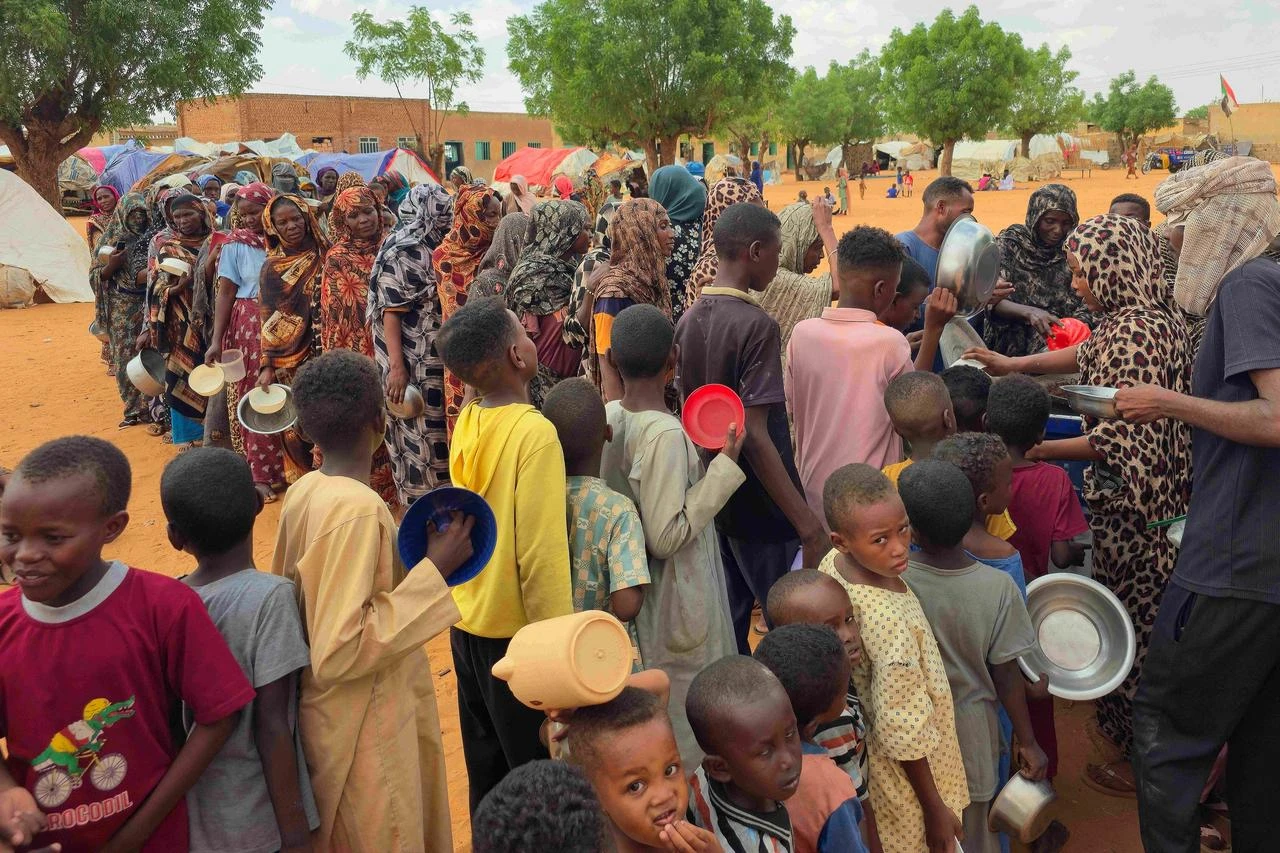
Among those who remained in el-Fasher, Amnesty documented mass killings at Saudi Maternity Hospital, interviewing 18 people who were present, including staff, patients and relatives, who witnessed the RSF kill scores of people there.
Amnesty said attacking the hospital, a protected object under international law, constitutes a war crime.
Amnesty said the RSF routinely used the Arabic term "falangay," indicating slavery or servitude, during attacks on civilians of non-Arab ethnicity, and committed the crime against humanity of persecution based on ethnic identity.
The destruction of towns and villages between December 2024 and March 2025, including Abu Zerega, populated by non-Arab ethnic groups, was consistent with ethnic cleansing of the Zaghawa people from areas near el-Fasher, the report concluded.
Yagoub, a 17-year-old Zaghawa boy, was at his family farm near Abu Zerega when the RSF attacked in December 2024.
After being captured, he was beaten and shot in the leg.
"Then one of them approached on a camel and said, 'This is the child of a falangay'... and he just shot me in the leg," he told Amnesty. He now walks with crutches. Eight of his cousins, including four boys aged between 11 and 17, were killed in the same attack.
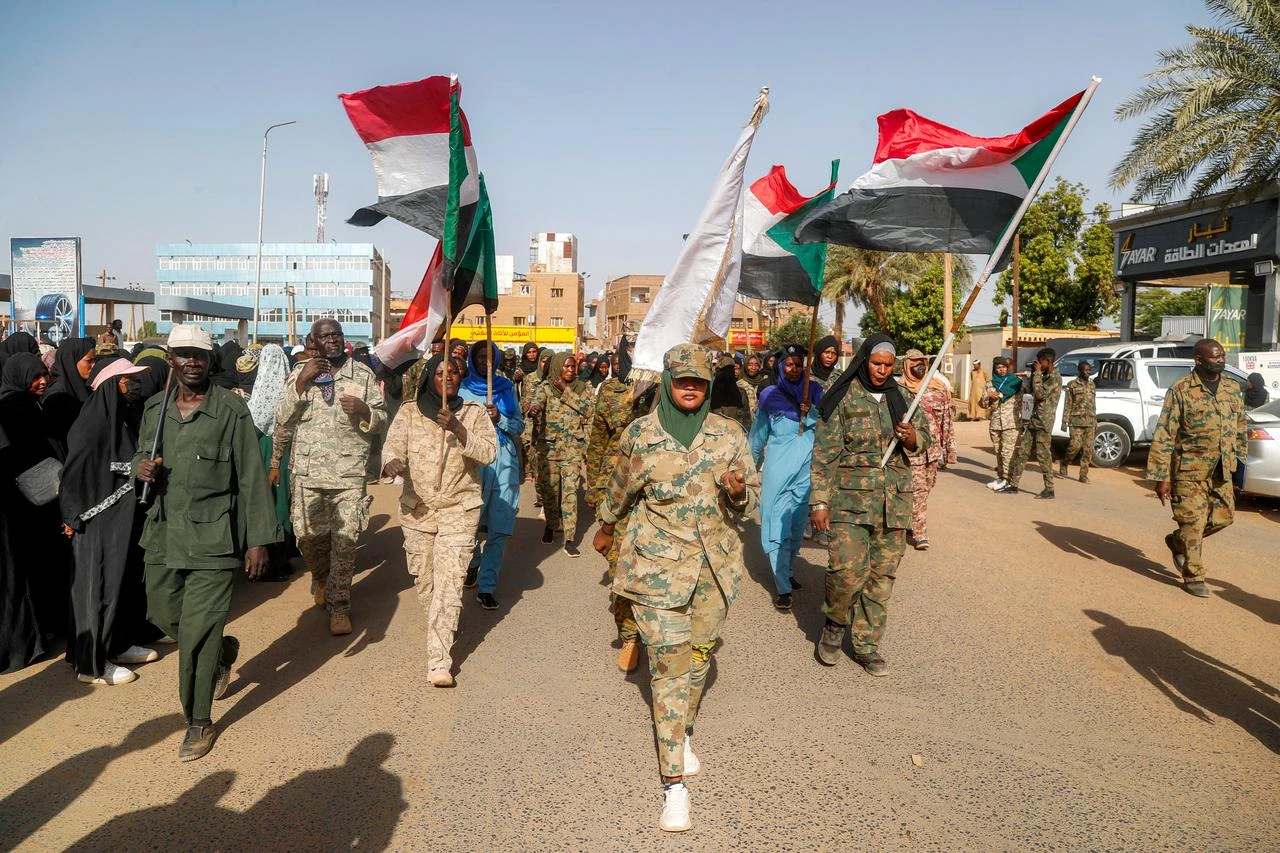
Amnesty interviewed 26 survivors of sexual violence, including 20 female survivors of rape, among them three girls under 18 and one young woman who was raped when she was 17.
Tasneem, a 13-year-old Zaghawa girl, was abducted in early April 2025 when RSF fighters attacked her village.
She watched the RSF shoot her father dead before she was transported approximately 350 kilometers to el-Daein. "The first time I was raped it was three people. I was blindfolded... They held me down... They said this is happening to you because your boys fought us, boys of the falangayat," she told Amnesty.
Amnesty also documented detention of civilians at Mina al-Bari detention center, where nine men interviewed said they were held in shipping containers kept closed most of the time, deprived of food and water.
"My body was drying out completely... (The RSF) told me, 'We don't care if you die,'" one man said.
Another described being left for dead and then returned to the container: "After a while, they realized we were still alive. They tortured us again and took us back inside the container."
Amnesty also found widespread RSF recruitment and use of boys, either from aligned Arab ethnic groups or abducted from non-Arab communities, used for fighting, intelligence-gathering and herding livestock.
Amnesty named three RSF commanders, it said, who bear responsibility for serious violations of international law.
Nine of the 19 verified videos of a large massacre near the berm, approximately 12 kilometers northwest of el-Fasher, show RSF commander al-Fateh Abdullah Idris, known as "Abu Lulu," executing captives in civilian clothing.
Major General Gedo Hamdan Ahmed Mohamed, known as "Abu Shouk," directed interrogations and participated in torture at Mina al-Bari detention center.
Lt. Col. Abbas Khater Bakhit was seen ordering torture of prisoners and facilitating payments.
Amnesty said the scale and repetition of these violations "suggest that those in positions of authority knew, or should have known, what was occurring, and failed to stop it or hold anyone accountable."
Separately, a U.N. independent fact-finding mission said in February that the RSF's seizure of el-Fasher showed "hallmarks of genocide" against non-Arab communities.
Amnesty called for an immediate nationwide ceasefire, deployment of an independent and adequately resourced international protection force, continued support for International Criminal Court investigations and U.N.- and African Union-backed fact-finding missions, and prosecution of the commanders identified in the report.
Callamard said: "The international community must move beyond statements of concern and take concrete steps to protect civilians, breaking the cycle of impunity."
Amnesty also called on all countries to immediately stop providing arms and ammunition to all parties of the Sudan conflict. It specifically urged that no arms be supplied to the UAE, described as the RSF's chief backer, until it can be brought into compliance with the U.N. embargo. It also called on the U.N. Security Council to expand the existing arms embargo on Darfur to the rest of the country.
Sudan has been engulfed in conflict since April 2023, when fighting erupted between the Sudanese Armed Forces and the RSF over plans to integrate the paramilitary force into the military.
The war has triggered one of the world's worst humanitarian crises, killing tens of thousands and displacing nearly 13 million people.


 Set as preferred source
 Set as preferred source


 2 min read
 1 min read