Newsletters





U.S. President Donald Trump would be "very, very disappointed" if Israel does not adhere to its end of the Gaza peace plan, a U.S. official said, applying public pressure on Washington's ally.
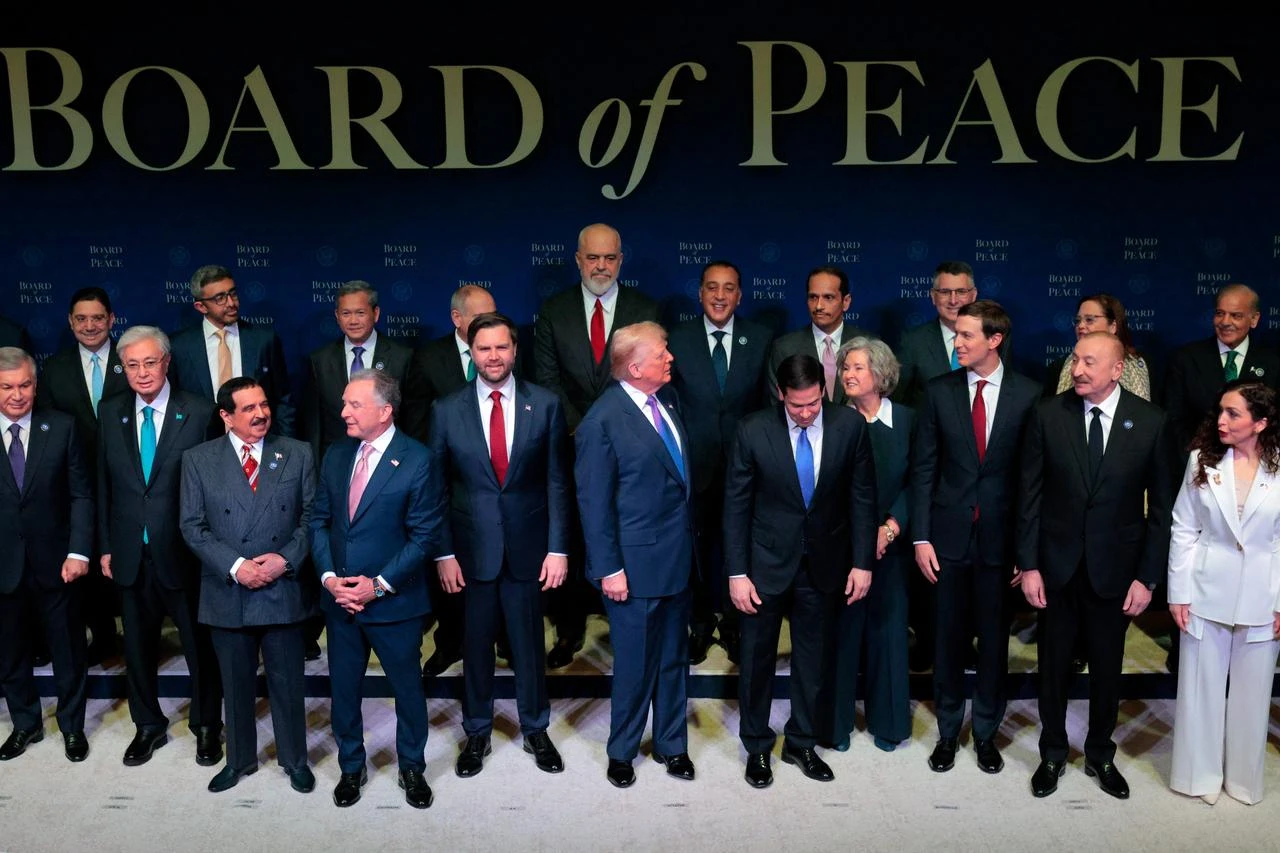
Meanwhile, the Board of Peace published its 15-clause roadmap for implementing the deal, and as Israel insisted there will be "no withdrawal whatsoever" from the Yellow Line without Hamas's genuine disarmament.
The warning underscores the fragility of the sequencing at the heart of the agreement.
Hamas has approved a written deal it says is conditional on Israel acting first, with Israeli Prime Minister Benjamin Netanyahu yet to publicly comment, and his main election rival is questioning whether Israel is even "a partner" to the arrangement.
"We're not asking Israel to do anything other than agree to the 20-point plan that they agreed to initially, and so we're very confident they will adhere to it. If they don't, obviously President Trump would be very, very disappointed," the official reportedly told reporters Thursday night.
"With all the different issues they have going on, it seems like they're, you know, this is not something I think (Israel wants) to escalate as an issue right now. So we believe that they'll continue to be a good partner in this and comply," the official said.
On the timing of Hamas's disarmament, the official stressed doing things right over strict deadlines: "I think over the next couple weeks, we'll continue to refine the details of everything, and I think we can see progress in the next month or two."
Netanyahu has not publicly commented on Trump's announcement, while members of his right-wing coalition have voiced opposition.
An Israeli political source cited by Israeli media pushed back on reports of progress: "Israel has reiterated that there will be no withdrawal whatsoever of the IDF from the current yellow line without the genuine disarmament of Hamas."


The Board of Peace published the July 30 roadmap for "completing the implementation" of Trump's plan, built on phased, performance-based progression: every transition between phases is conditioned on verified completion of the prior phase's commitments, certified by a new International Verification Committee (IVC) of guarantors, Board and International Stabilization Force (ISF) representatives, "rather than to predetermined dates."
Under the roadmap, Israel "shall fully complete, without delay" its remaining Sharm el-Sheikh commitments, particularly the cessation of military operations, while Hamas and the factions halt all military activity.
Implementation mechanisms are to be prepared within 14 days of all parties' approval, after which the National Committee for the Administration of Gaza (NCAG) enters the Strip.
The document anchors "One Authority, One Law, One Weapon" across four decommissioning clauses covering police, heavy weapons and tunnels, personal arms and militia weapons, stipulating that at the process's end "only the NCAG will hold, store or control any weapon" in Gaza, that no weapon will be transferred to Israel or any non-Palestinian party, and that decommissioning is linked "step-for-step" to the phased Israeli withdrawal.
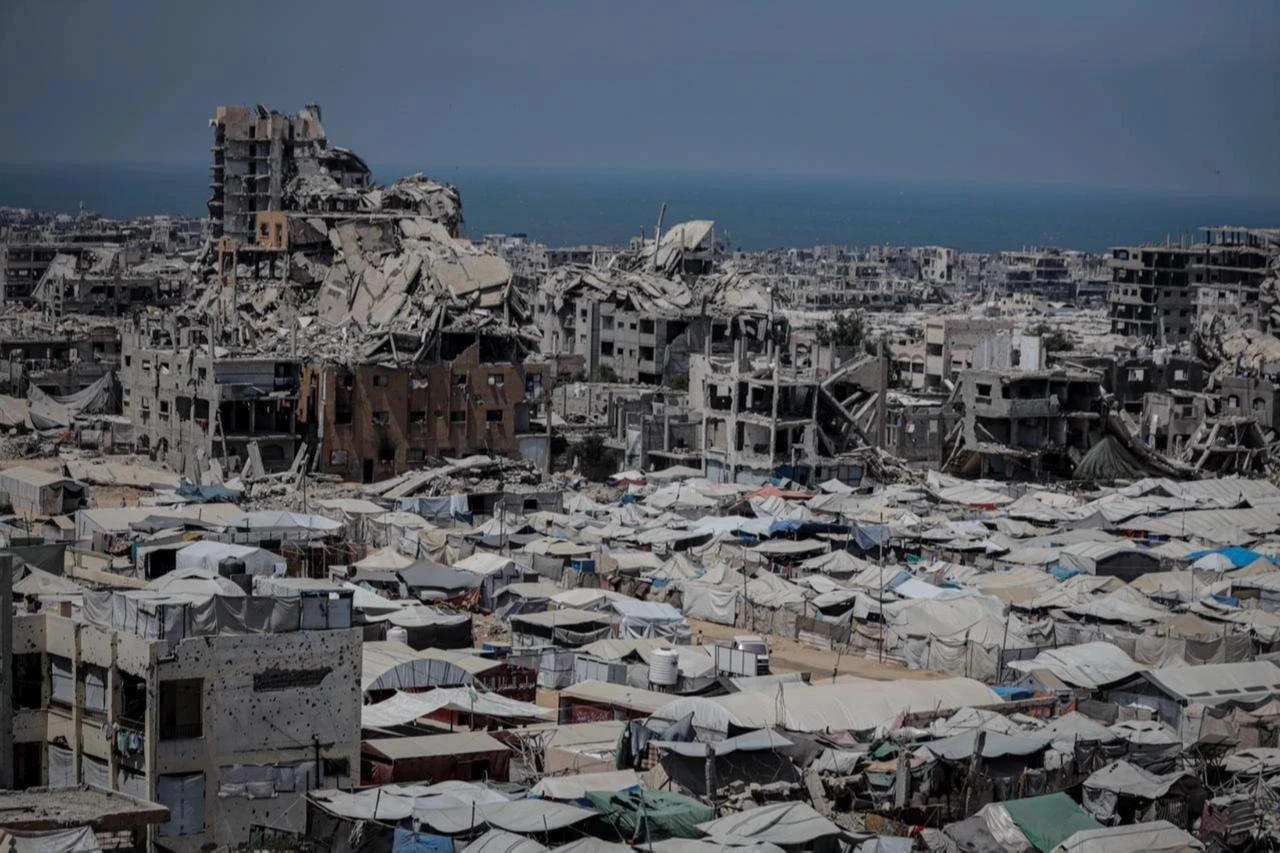
The ISF will separate Israeli forces from the NCAG-controlled areas without policing Palestinians, the roadmap's non-displacement pledge is reaffirmed, and reconstruction proceeds under Board and NCAG supervision, with legitimate past obligations assessed up to $400 million over three years.
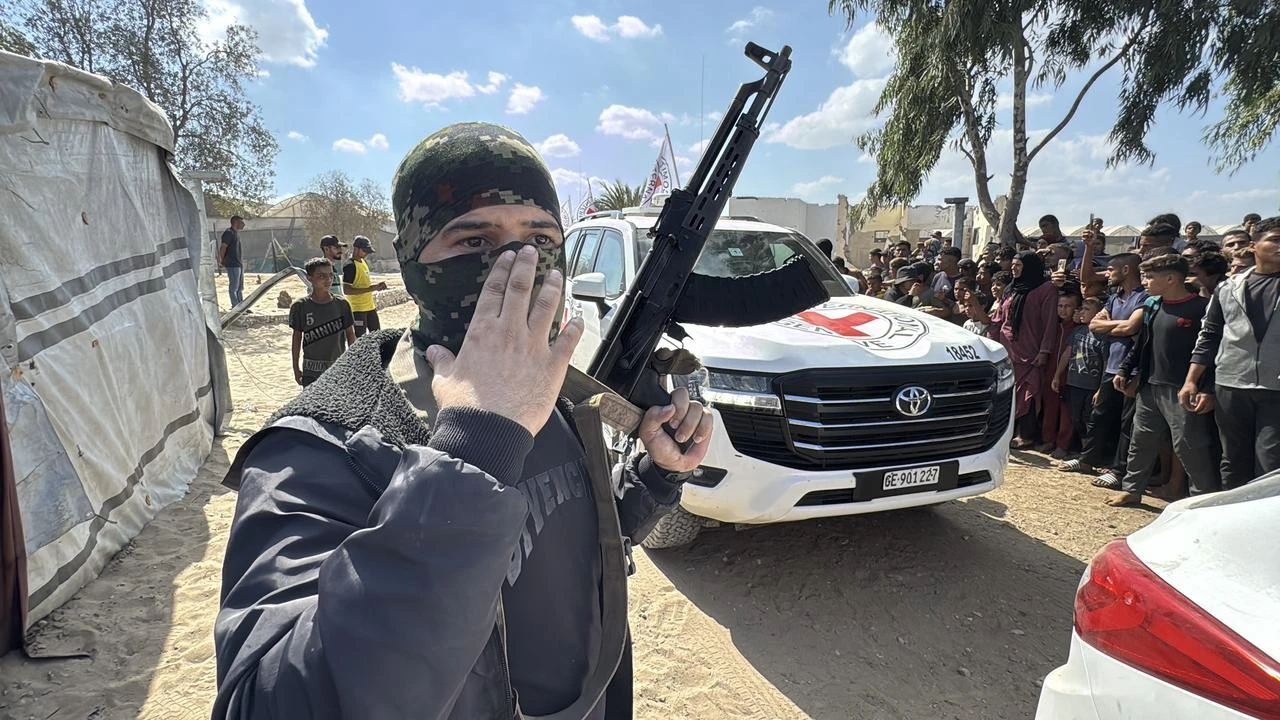
Hamas has approved the "clear, written agreement" as a single integrated package of reciprocal commitments conditional on Israel completing the first phase, senior official Ghazi Hamad told Türkiye's state-run Anadolu Agency (AA).
"If Israel does not implement (its obligations under the agreement), we will not implement ours either," Hamad said, adding that heavy weapons would pass to NCAG responsibility as the other provisions, gradual Israeli withdrawal to a full pullout, the NCAG assuming duties, international deployment, and the dismantling of armed groups he said operate on "Israel's behalf", are carried out under ongoing international oversight.
Hamad called the deal "painful and difficult," saying Hamas had hoped for better but accepted it to spare Gaza further destruction amid what he called an ongoing "genocide" and to thwart what he described as plans to displace Palestinians.
He noted Israel has not officially announced its approval, and said Hamas's delegation will meet mediators, U.S. representatives and Nikolay Mladenov, whom he identified as the Board of Peace's high representative, in the coming days to finalize mechanisms and timelines following consultations to secure a unified Palestinian position.
Hamas said Friday that Israel's commitment to stop the killings and end its attacks is "the essential gateway" to advancing implementation of the Gaza ceasefire agreement and setting a timeline for measures agreed under its second phase.
In a statement on Telegram, the group said it and other Palestinian factions had engaged "responsibly and positively" with negotiations and mediators' proposals to complete implementation of the second phase of the ceasefire agreement, describing the process as the result of "Palestinian national consensus."
"The occupation's commitment to stopping the killing and ending its attacks is the essential gateway and the first step toward moving forward with implementation and establishing the framework and timetable for what has been agreed," Hamas said.
The group stressed that implementation of the second phase remains conditional on Israel fulfilling "all provisions of the first phase."
Hamas said its approval of including the issue of "heavy weapons" in the agreement was conditional on ending "all forms of aggression," Israel's withdrawal from the Gaza Strip, early recovery efforts, the administrative committee assuming its duties, the deployment of international protection forces, the dismantling of "armed gangs and militias formed by the occupation," reconstruction, guarantees of Palestinians' right to self-determination, and the establishment of an independent Palestinian state.
Hamas also paid tribute to what it described as the steadfastness of Palestinians in Gaza and said it would continue working with other Palestinian factions "for our people and to safeguard all of their rights."
Gadi Eisenkot, seen as Netanyahu's main rival ahead of the October elections, said anything less than the "destruction of Hamas's military-political power" is a total failure, with "every agreement... examined solely by the test of achieving the war's objectives."
"The fact that the prime minister chooses not to present the agreement to the Israeli public raises major question marks as to whether Israel is a partner to it or whether an agreement is once again being imposed on Israel without its involvement," the former military chief said, adding that the war's "objectives have not been achieved" despite the military paying "heavy prices."


 Set as preferred source
 Set as preferred source


 1 min read

 1 min read