Newsletters


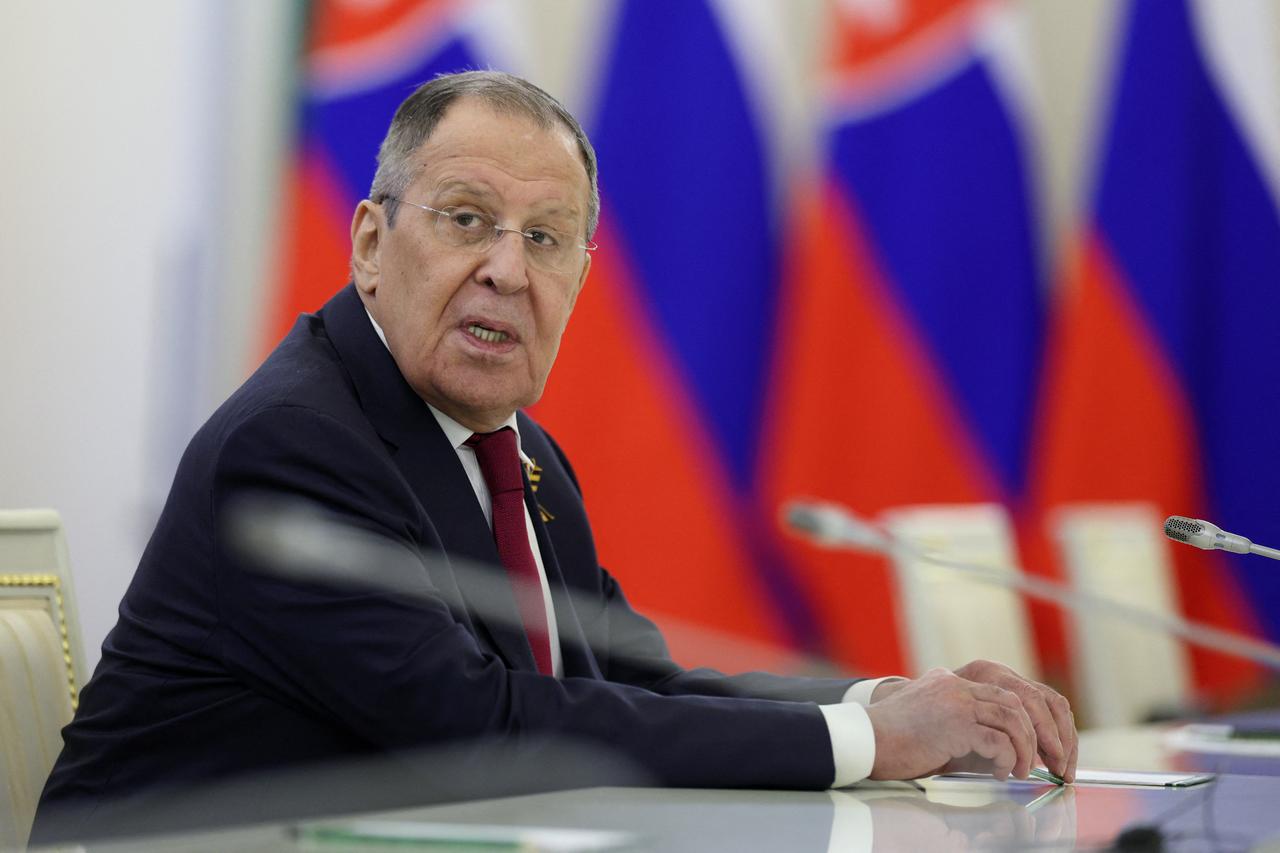


Russian Foreign Minister Sergey Lavrov said Friday that India could help mediate relations between Iran and Arab states, citing New Delhi’s BRICS presidency, dependence on regional oil supplies and diplomatic experience.
Speaking after the BRICS foreign ministers’ meeting in New Delhi, Lavrov said India could play a long-term intermediary role between Tehran and its Arab neighbors as efforts continue to end the conflict triggered by the U.S.-Israeli joint military attack on Feb. 28.
Lavrov said India, as BRICS president, could offer its “good offices” and invite Iran and the Emirates to hold talks to avoid hostility.
“India, for example, holds the BRICS presidency. It is directly dependent on oil supplies, including from this region. Why not offer its good offices as the BRICS presidency and invite Iran and the Emirates to talk first and avoid hostility,” he said.
Lavrov argued that outside actors were fueling tensions to create further instability between Iran and Arab countries, adding: “And we should act with precisely the opposite goal.”
He said Pakistan was currently helping establish dialogue between the U.S. and Iran to resolve the immediate crisis, while India could take on a longer-term role.
“In the long term, India, given its extensive diplomatic experience and authority, could play the role of such an intermediary between Iran and its Arab neighbors,” Lavrov said.
 2 min read
Lavrov also described Russia’s relations with Armenia as “close, allied,” but complex, accusing the West of trying to “subjugate” Yerevan and weaken its economic and trade ties with partners in the Commonwealth of Independent States and the Eurasian Economic Union.
He said EAEU members could discuss efforts to draw Armenia into the “Western orbit” at the bloc’s summit in May, and expressed disappointment that Armenian Prime Minister Nikol Pashinyan would not attend.
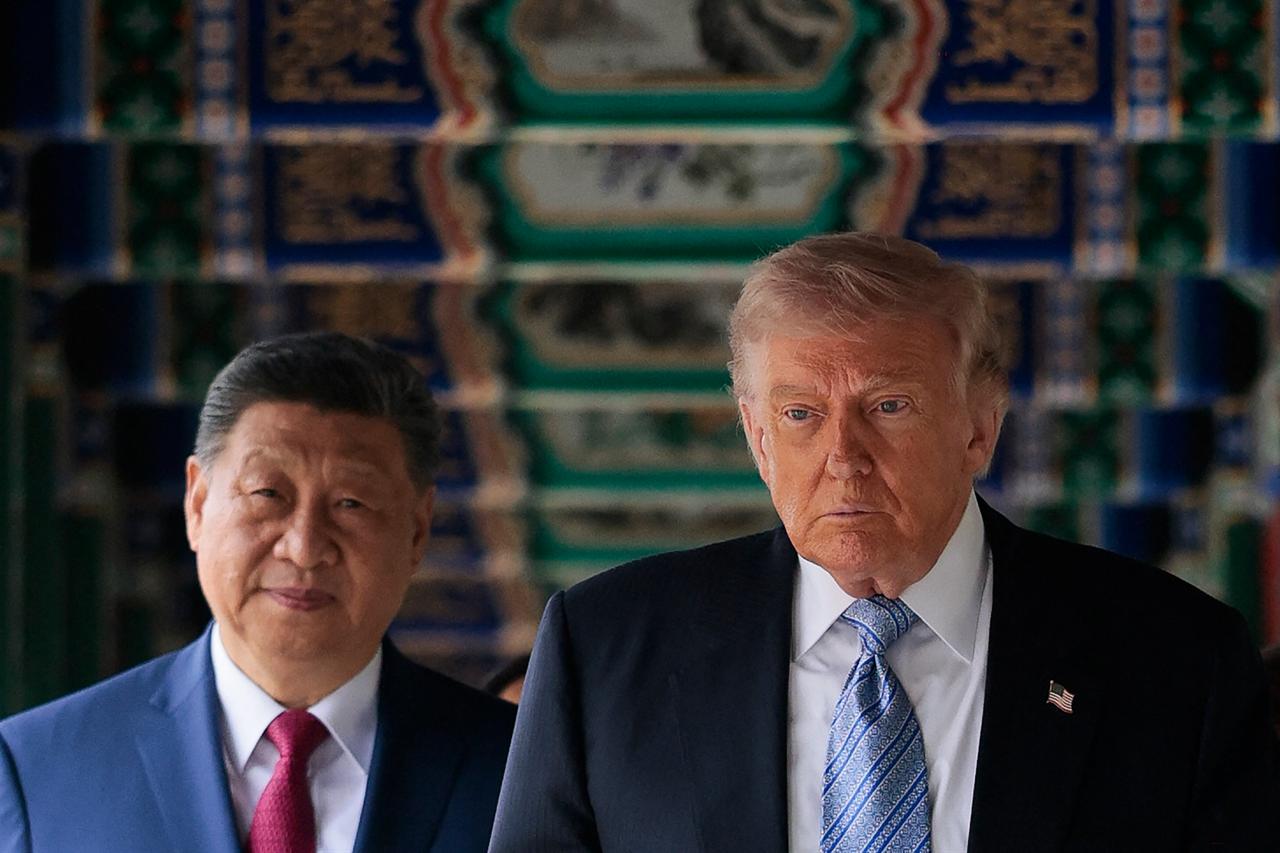
On U.S.-China ties, Lavrov said Russia would welcome any agreement between Beijing and Washington on American energy supplies, adding that Moscow does not interfere in other countries’ trade relations or ask China to coordinate its economic plans with Russia.
Lavrov said many countries remain interested in joining BRICS despite pressure from Western countries, including the U.S., which he said has “publicly declared BRICS to be practically the main enemy of progress.”
He said BRICS would not rush to expand membership because the bloc doubled its ranks several years ago and needs time to adapt to working in a larger format.
Lavrov added that BRICS countries would oppose “Western attempts” to divert the agenda of the upcoming G20 summit toward what he called “scandalous topics.”


 Set as preferred source
 Set as preferred source


 1 min read