Newsletters


European intelligence officials have raised the possibility of an imminent Russian test of NATO, with one senior spy chief warning that a potential attack could come within "months, not years," according to interviews conducted separately by The Guardian.
The warnings follow comments from Polish Prime Minister Donald Tusk, who told parliament that intelligence assessments suggested Russia might launch a drone or missile attack on NATO territory in the coming months as part of an effort to demonstrate that "Article 5 is more theoretical than practical."
French President Emmanuel Macron called Tusk's warnings "sound and well-documented" and summoned party leaders and 2027 presidential candidates to an emergency meeting in Paris on Friday to discuss the growing threat, saying he had ordered measures to protect France's critical infrastructure from Russian "hybrid attacks."
Michal Koudelka, head of the Czech Republic's BIS security service, said in a rare interview at the agency's Prague headquarters that a small-scale incursion into NATO territory bordering Russia could be part of the Kremlin's plans.
"It's possible. It could involve a limited incursion, false-flag provocations, a massive influence campaign," Koudelka said, adding this scenario could unfold within "months, not years," though "a lot of people are doing everything they can to make sure this doesn't happen."
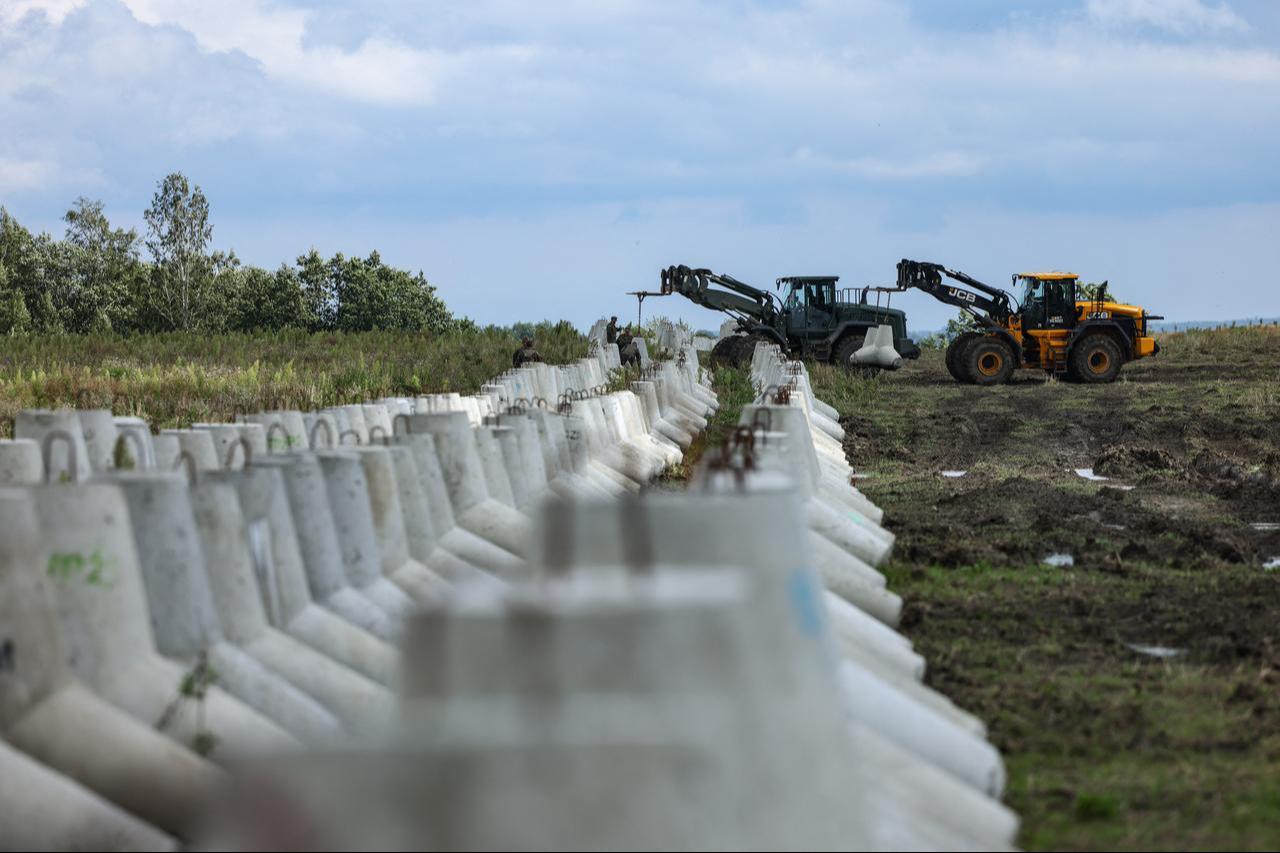

Officials in the Baltic states, which border Russian territory, struck a more cautious tone, citing Moscow's stretched resources in Ukraine and warning that overstating the prospect of attack could play into the Kremlin's hands.
"We don't see indications of an imminent attack," said Normunds Mezviets, director general of Latvia's VDD state security service, though he acknowledged signs Moscow was preparing for "more decisive action" in Europe.
"It's still an open question if they have direct and concrete plans or if it's just within the context of their overall attempts to spread fear and uncertainty in western society," he said.
Estonia's foreign ministry secretary general, Jonatan Vseviov, criticized "panic on social media" over a possible attack, writing on X: "If there is reason to fear an attack, rest assured: we will make that clear. Until then, keep calm, carry on and support Ukraine."
Mezviets said it was nonetheless a positive development that Western Europe had woken up to the Russian threat.
"Before 2022, we constantly warned our western European partners about the threat from Russia, but most of the time our voices were not listened to. In 2022, the approach of our partners changed. They said it turns out the Balts and the Poles had been right," he said.
Neither Mezviets nor Koudelka would discuss specific intelligence underlying their assessments, nor comment on whether a surprise trip by CIA Director John Ratcliffe to Moscow last month, during which he stopped in Riga, was partly intended to warn the Kremlin against attacking NATO.
Following that visit, Kremlin spokesman Dmitry Peskov dismissed rumors of a Russian attack on NATO, saying: "It has nothing to do with reality and nothing to do with the intentions of the Russian Federation."
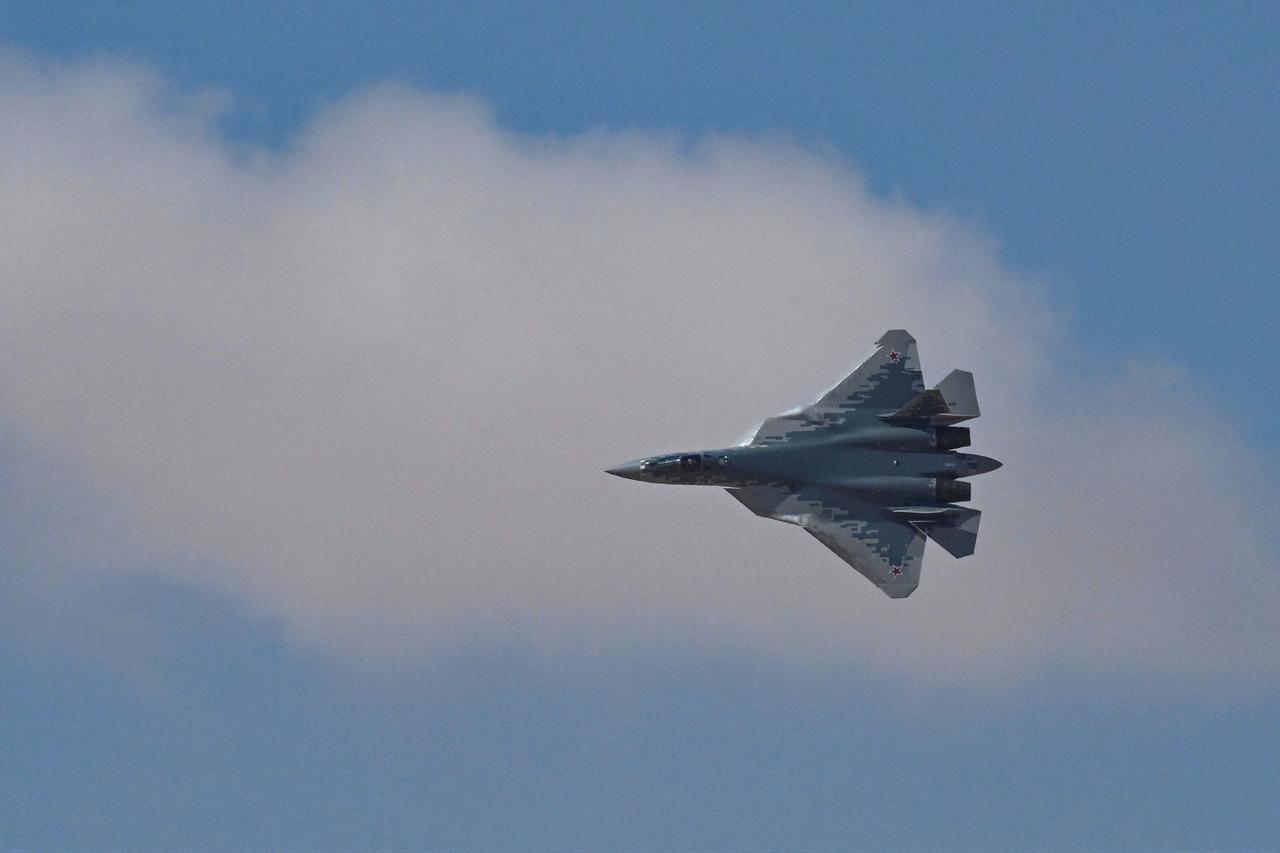
Western officials say Moscow's targeting of European states has intensified in recent months as the Ukraine front line has become largely static.
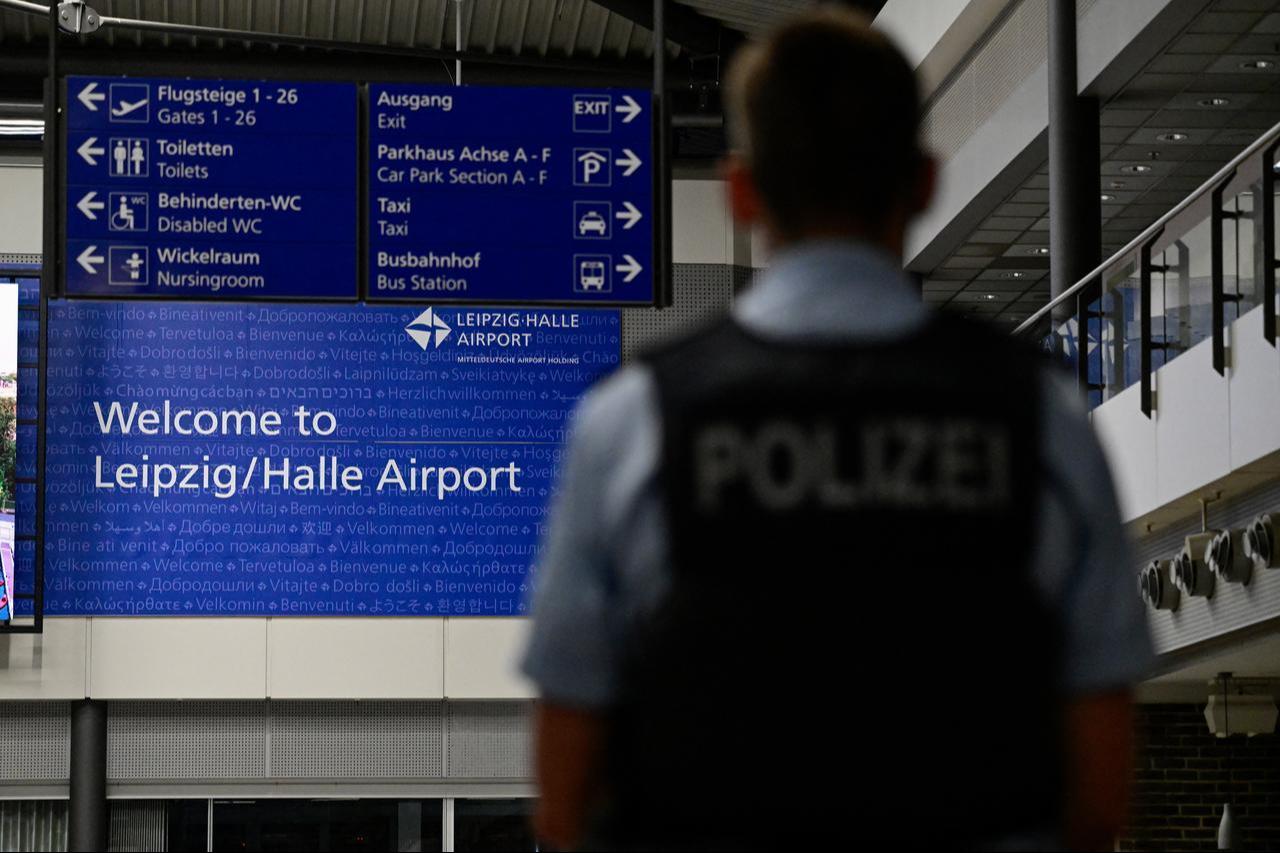
This month, Germany blamed Russia for an incident at Leipzig airport that the EU said bore the hallmarks of "state-sponsored terrorism."
Security expert and journalist Philip Ingram told the Daily Mail that such incidents are likely to become increasingly common. He cited Russia's history of assassinations and nerve agent attacks such as Novichok, as well as the polonium-210 poisoning in London.
He also pointed to suspected sabotage at London warehouses, explosives-laden drones at Leipzig, and unexplained drone activity near Ireland, over U.S. Air Force bases in the U.K. and above critical infrastructure and military sites in Germany, Denmark, Sweden and other countries.
He said threats had also been made against arms company executives in Scandinavia and Germany and against British firms supplying Ukraine, with cyberattacks becoming an increasingly prominent tool.
"The West, Nato, Europe, the United Kingdom and the United States haven't responded robustly to the Russians," Ingram said, calling for tougher sanctions and increased support for Ukraine.
"I think we need to be more aggressive in the way we're dealing with Russia... the only way to properly stop Putin is to topple Putin," he added.
Koudelka described the Kremlin's current approach as "escalate to de-escalate," aimed at exploiting weak points in European societies to undermine support for Ukraine's war effort.
"They believe if they escalate enough, then European countries will decide not to support Ukraine," he said.
Normunds Mezviets said Russia was shifting from randomized sabotage and arson meant to spread panic toward more specific targets tied to Western support for Ukraine.
"We see them looking to attack railway infrastructure, Ukraine support infrastructure. Right now we see a move towards defence industry targets," he said, adding, "If you do this then the psy-op effect is reached anyway, so you get both things in one."
Thomas Nilsson, head of Sweden's military intelligence and security service, described the armed drone incident at Leipzig airport as a "gamechanger."
"To have an armed UAV drone sent in to a busy airport in the middle of Europe … If you have attacks that could result in losses of life or losses of very critical infrastructure that have a huge implication for society, I think that is a gamechanger," he said, adding that Moscow's goals include reducing support for Ukraine, introducing splits within NATO, and alarming European populations.
"I think Moscow would love NATO to have endless discussion about Article 4 consultations, but coming up with no actions," he added.
Koudelka said the sabotage campaign also strains intelligence resources, since uncertainty often lingers over whether incidents are deliberate, noting, "Now every fire or every malfunction needs to be investigated by intelligence services as a potential terror attack, and that is a good result for them."
Despite renewed U.S. efforts to restart Russia-Ukraine negotiations, including CIA Director Ratcliffe's Moscow visit and further trips by envoys Steve Witkoff and Jared Kushner to Moscow and Kyiv, European intelligence officials remain skeptical Moscow is negotiating in good faith.
"I haven't seen any signs that there is a serious consideration in Moscow about real negotiations," Nilsson said, adding, "My assessment is that they are still thinking that they could achieve their strategic objectives, so they are just playing negotiation theatre."


 Set as preferred source
 Set as preferred source



 3 min read