Newsletters


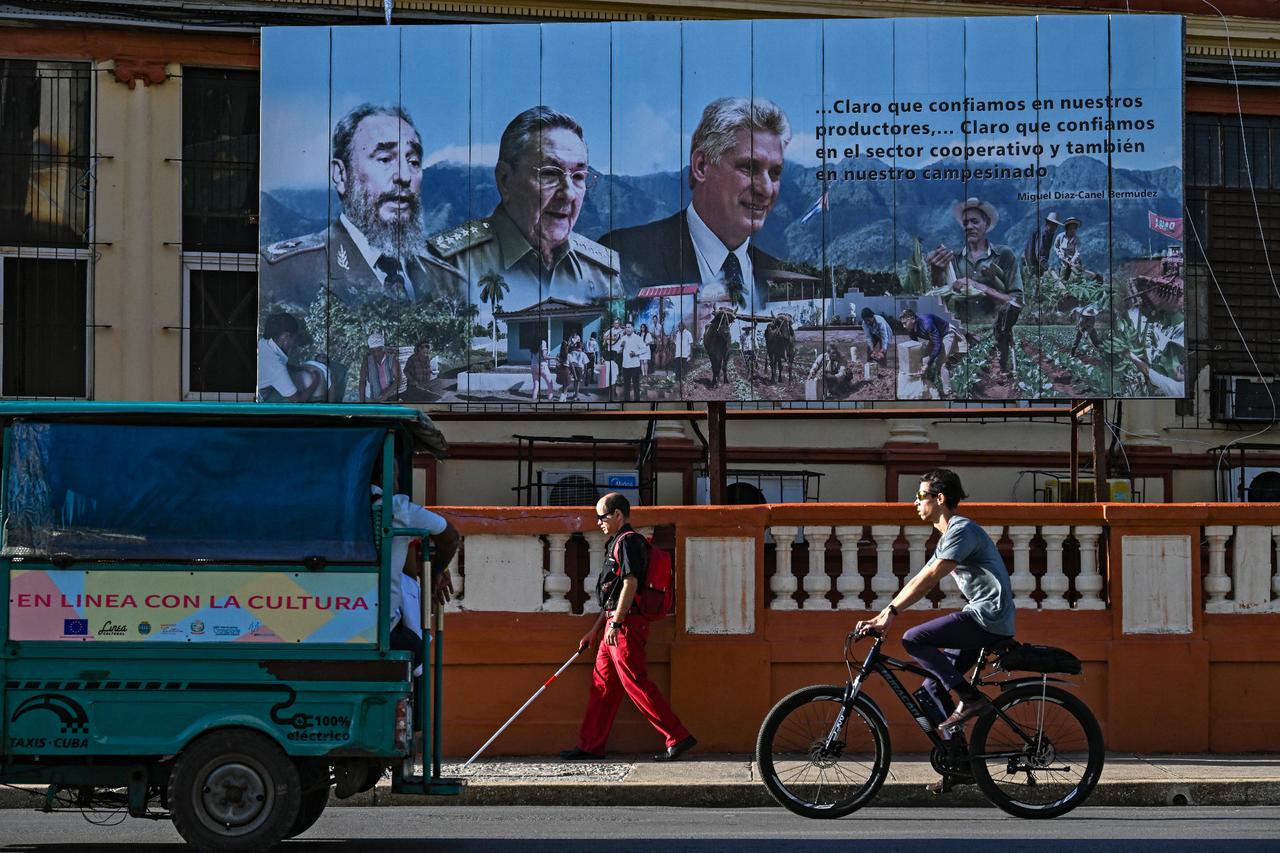


The United States unsealed a federal criminal indictment Wednesday against Raul Castro, Cuba's former president and the brother of revolutionary leader Fidel Castro, charging him with murder and conspiracy in connection with the 1996 shooting down of two civilian aircraft flown by anti-Castro pilots that killed four people.
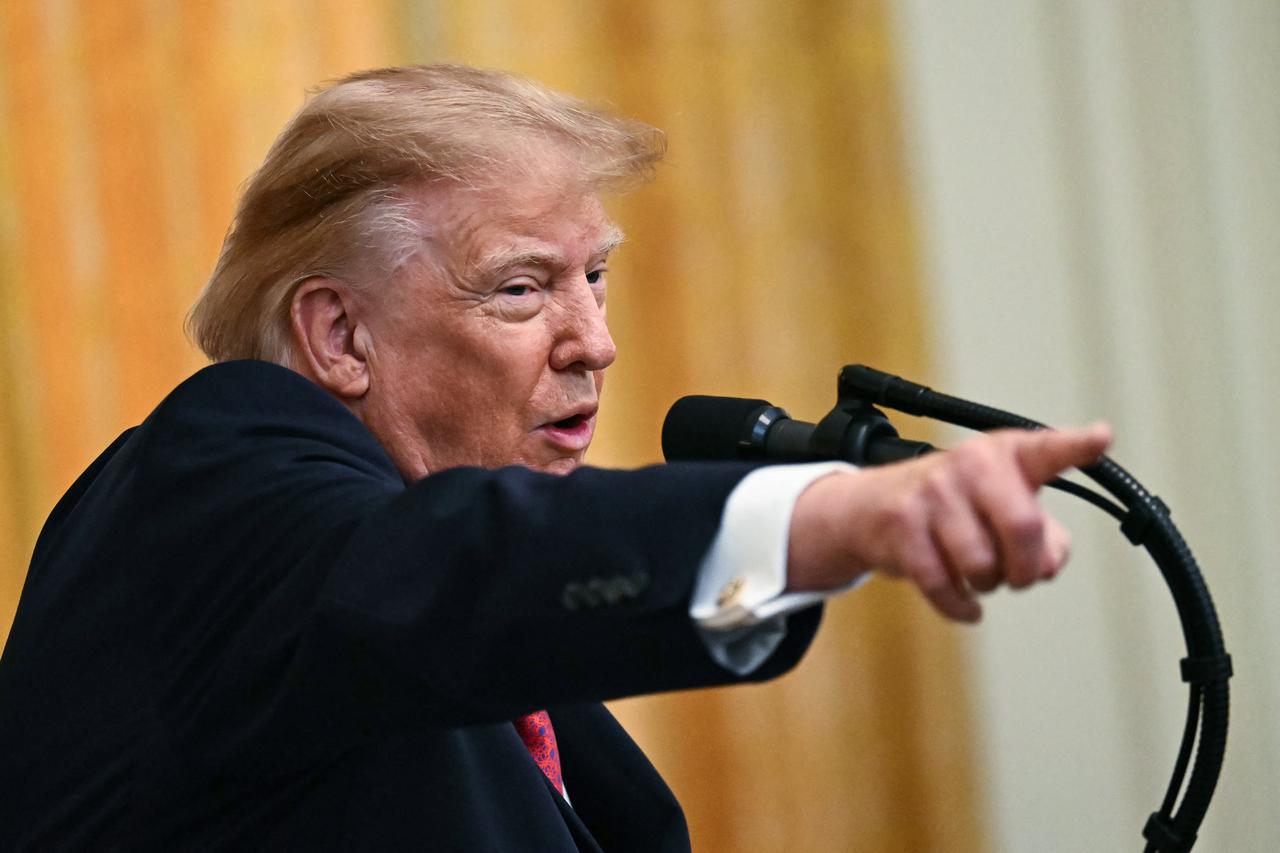
The move deepened speculation that the Trump administration is laying the groundwork for a more aggressive posture toward the communist-governed island.
The charges, filed in a federal court in Florida, include murder, conspiracy to kill Americans, and destruction of aircraft. Acting Attorney General Todd Blanche framed the indictment as a matter of long-deferred justice.
"For nearly 30 years, the families of four murdered Americans have waited for justice," he said at a Miami news conference. He added that Washington expected Castro to face imprisonment, "by his own will or by another way," a remark widely interpreted as suggesting U.S. authorities would seek to detain him by force if he did not surrender.
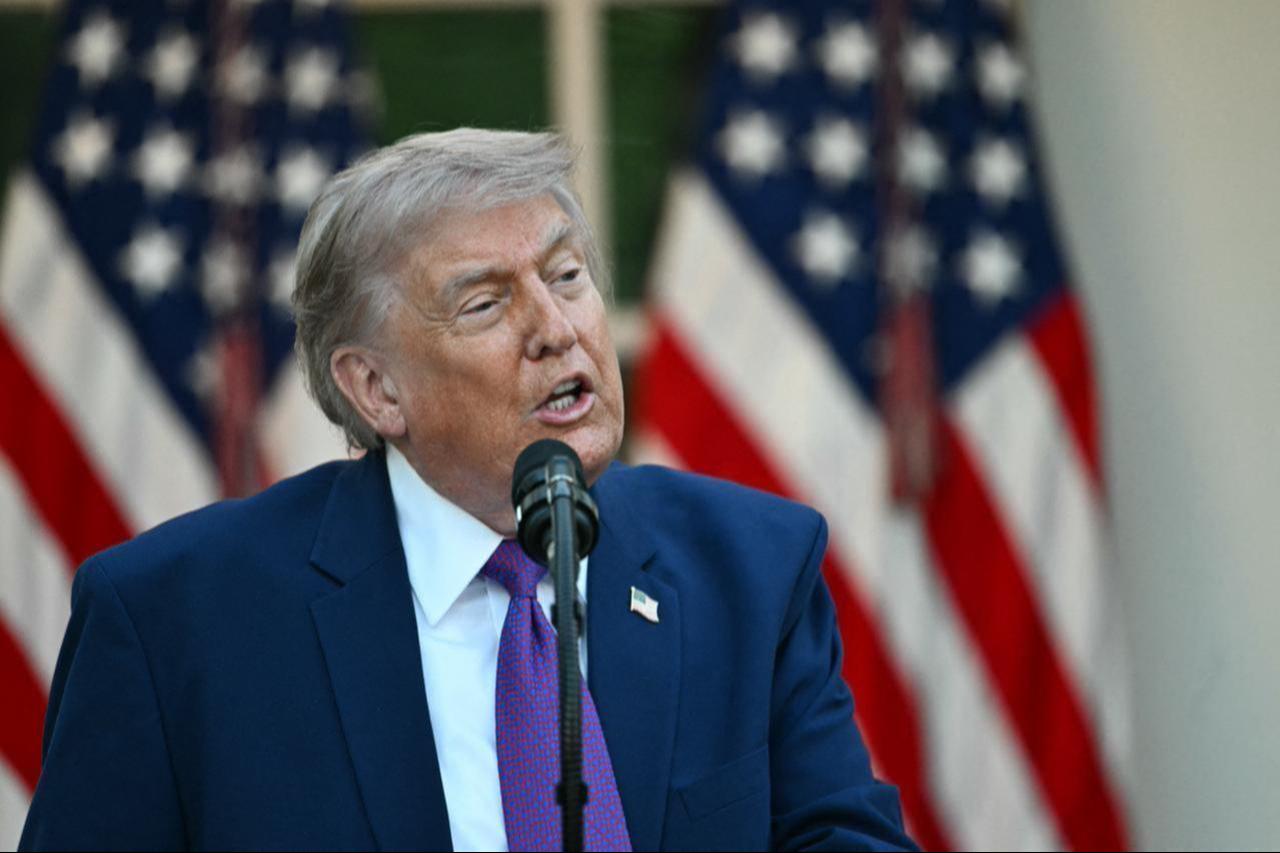

Secretary of State Marco Rubio, a Cuban-American from Florida, issued a video address in Spanish to the Cuban people on the same day Cuban Americans in the United States observe the island's independence, delivering a pointed message to Havana while offering what he described as an opening.
"President Trump is offering a new path between the U.S. and a new Cuba," Rubio said. He called for a Cuba where citizens could "choose who governs your country and vote to replace them if they are not doing a good job."
Rubio singled out Gaesa, the military-backed conglomerate estimated to control some 70 percent of the Cuban economy, accusing it of functioning as a state within the state that enriches a narrow elite at the expense of ordinary Cubans.
"The only role played by the so-called 'government' is to demand that you continue making 'sacrifices' and repressing anyone who dares to complain," he charged.
The indictment and Rubio's remarks follow a pattern increasingly familiar from the Trump administration's approach to leftist governments in Latin America.
Earlier this year, Trump cited a domestic U.S. indictment to justify military action that removed Venezuelan President Nicolas Maduro, a close partner of the Cuban government.
That ouster has already reverberated in Havana: the loss of free Venezuelan oil has deepened an economic crisis on the island. Trump has openly suggested Cuba could be next, saying earlier this month that Washington would be "taking over" the island "almost immediately."
Four Republican members of Congress appeared alongside law enforcement officials Wednesday. Representative Mario Diaz-Balart of Florida said the change in administrations had made the indictment possible.
"We have a different president now, a president who is not willing to look the other way." Representative Nicole Malliotakis of New York called Castro personally responsible for many of the regime's abuses. "We hope this will be a turning point for the Cuban people," she said.
Cuban President Miguel Diaz-Canel rejected the charges as politically motivated, saying in a post on social media platform X that the indictment was a "political move with no legal basis."
He argued the charges were designed to build a pretext for military action, accusing Washington of "fabricating" a file to justify what he called "the folly of a military aggression against Cuba."
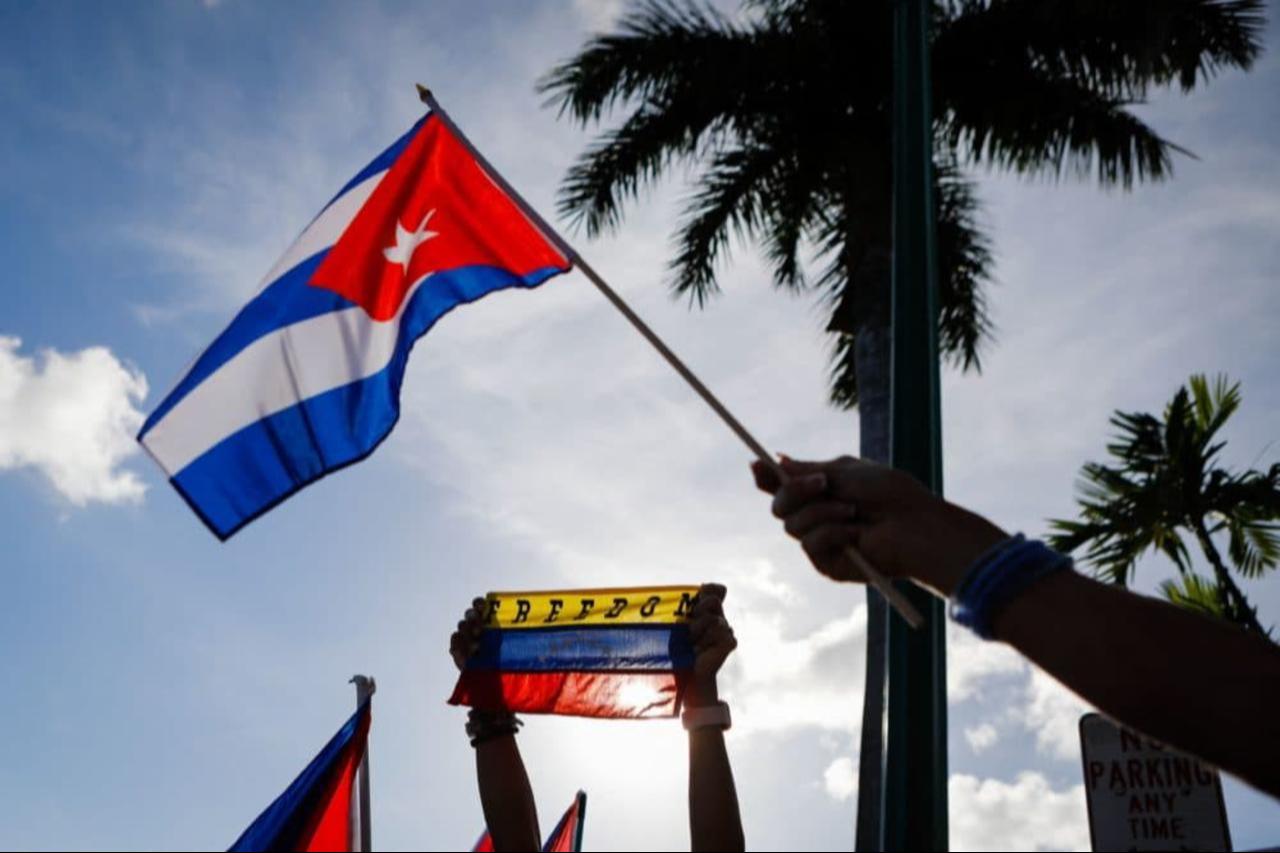
The date of the announcement was not without symbolic weight on either side. While Cuban Americans marked the island's independence on May 20, Diaz-Canel used the occasion to invoke the Platt Amendment, a 19th-century clause in Cuba's pre-revolutionary constitution that permitted U.S. military intervention in the island's internal affairs. "Intervention, interference, dispossession, frustration: that is what May 20th signifies in Cuba's history," he wrote.


 Set as preferred source
 Set as preferred source


 1 min read
 1 min read