Newsletters


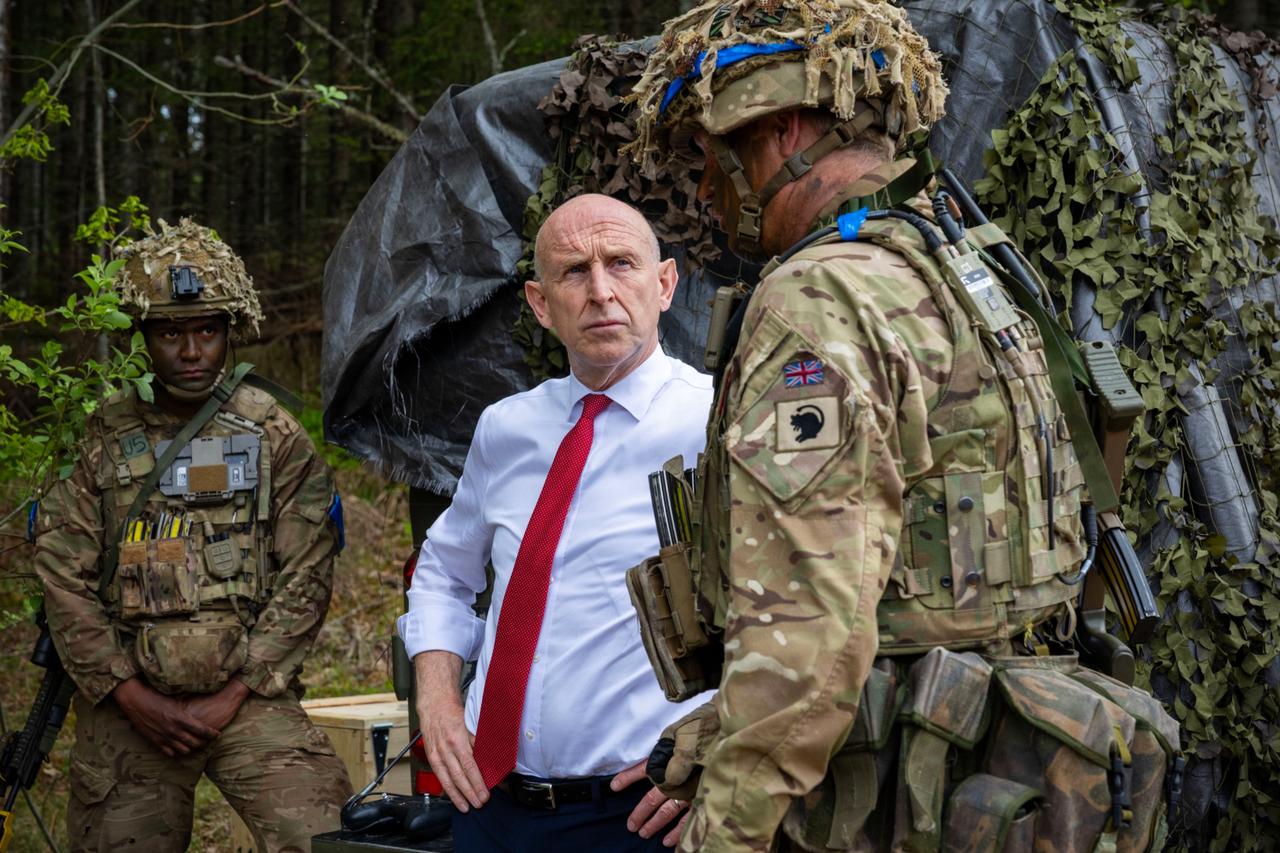


A Royal Air Force (RAF) Dassault Falcon 900LX carrying the United Kingdom (U.K.) Defense Secretary John Healey had its GPS signal jammed, believed to be by Russia, while returning from southeast Estonia on Thursday, The Times reported.
The attack disabled the aircraft's GPS for the entire three-hour flight, caused parts of the cockpit dashboard to malfunction, and forced pilots to switch to inertial navigation systems.
The incident came days after Russian jets dangerously intercepted an RAF Rivet Joint surveillance aircraft over the Black Sea, and amid reports that RAF spy flights over the Black Sea have been suspended for five weeks.
Healey was traveling with political and military advisers, a three-star lieutenant general, two photographers, and a Times reporter. Passengers were told the aircraft could still operate safely. An RAF pilot said it was a situation he had not experienced "in a long time."
The satellite signal could not be restored without shutting down and rebooting the jet, impossible while airborne, so pilots used inertial navigation systems for the remainder of the flight.
"This is reckless Russian interference, but the RAF is well prepared to deal with this activity," a UK defense source speaking to The Times said, noting that the jamming could have potentially affected civilian aircraft in the area.
It was not confirmed whether Healey was deliberately targeted, but the flight path was visible on public aircraft tracking websites. GPS-jamming equipment can be deployed by Russian aircraft and drones, but is most commonly deployed by ground-based systems.
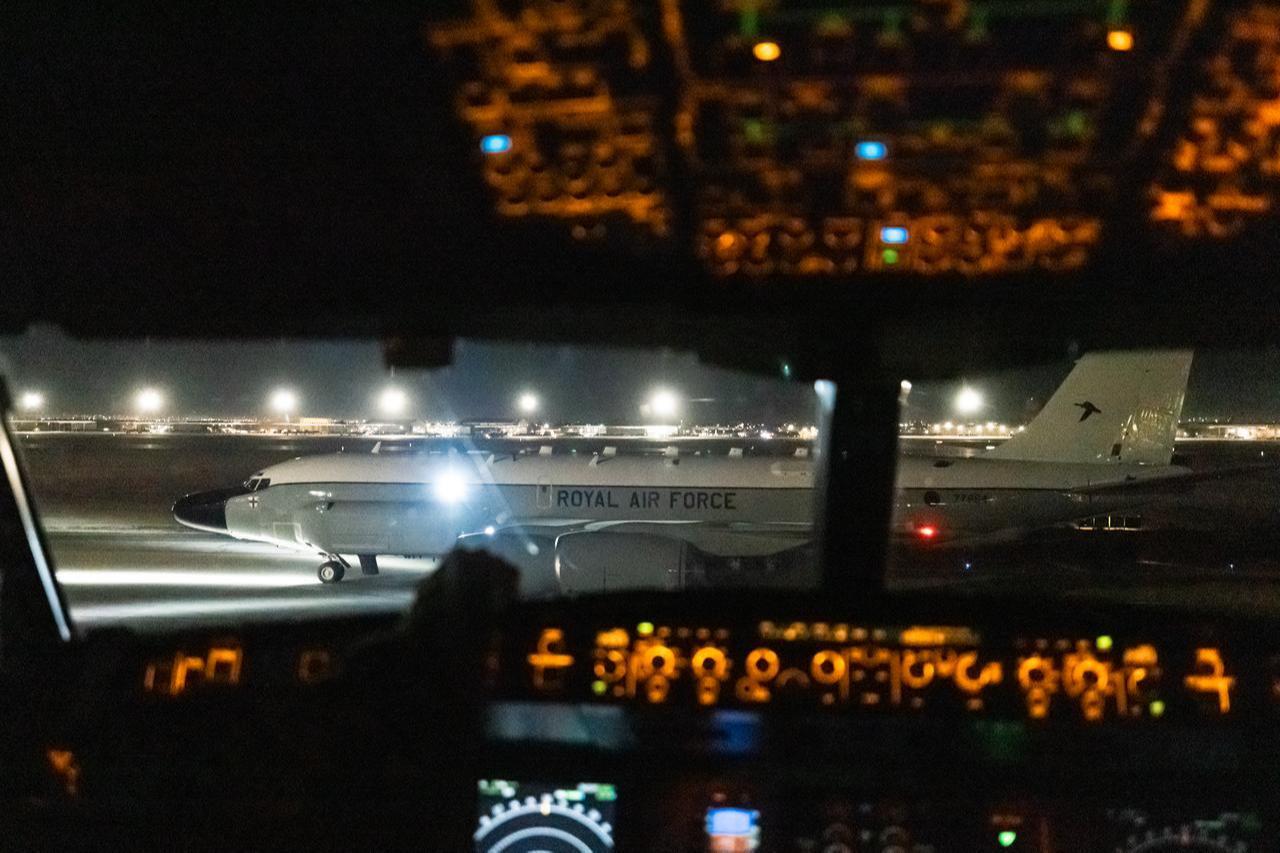

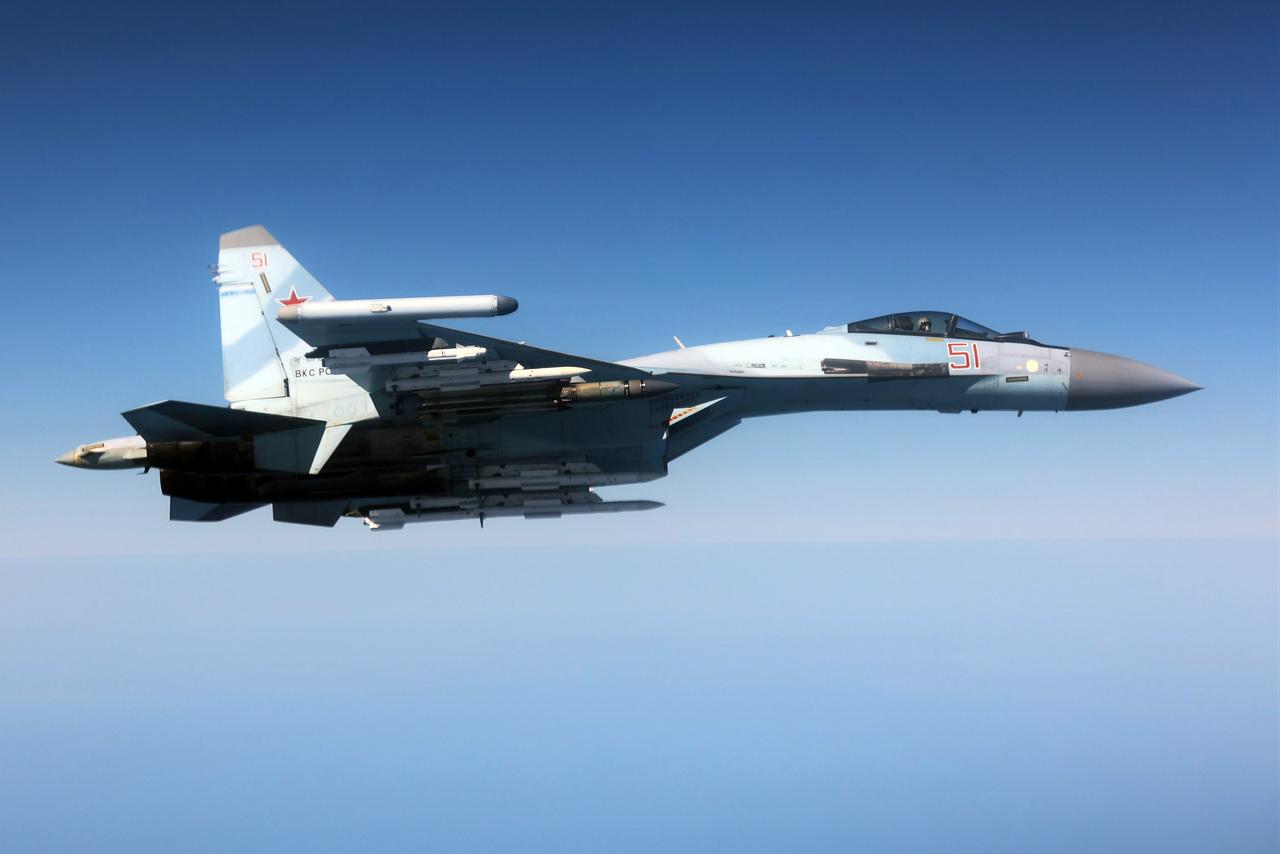
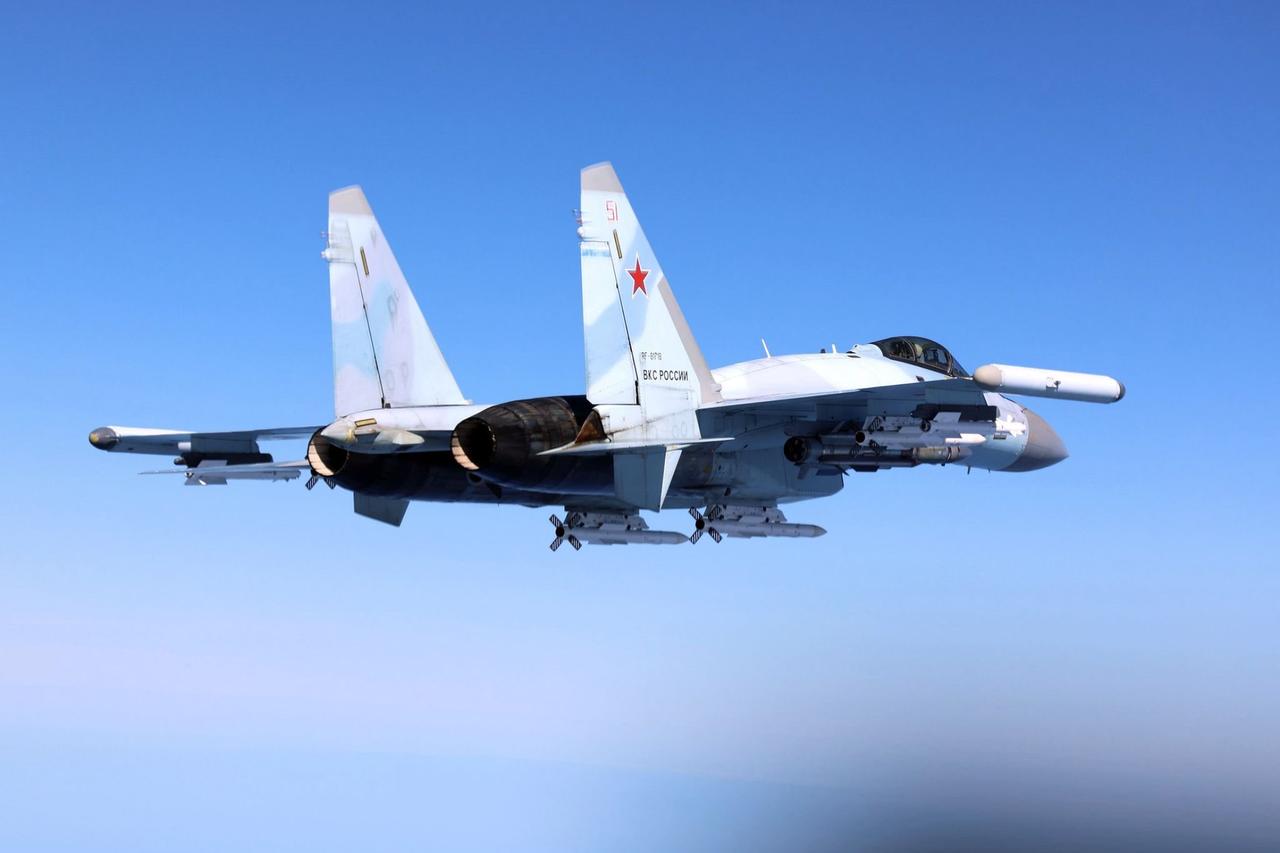
The jamming incident occurred days after the U.K. Ministry of Defense (MoD) disclosed that a Russian Su-35 fighter had flown so close to an unarmed RAF Rivet Joint surveillance aircraft over the Black Sea that it triggered the plane's emergency systems and disabled its autopilot.
A Su-27 carried out six passes in front of the Rivet Joint, getting as close as six meters from its nose. The MoD described it as the most dangerous Russian action against a British Rivet Joint since a Russian pilot fired a missile at one over the Black Sea in 2022.
Healey praised the RAF crew's professionalism following the interceptions, saying the behavior was "unacceptable." However, publicly available flight-tracking data cited by the Daily Mail shows no RAF Rivet Joint surveillance aircraft have flown over the Black Sea for the past five weeks, since April 21.
Military sources cited by Daily Mail said Rivet Joints normally make two visits a week to the region and do not switch off their transponders in international airspace.
Defense analyst Tim Ripley told the Mail the apparent suspension showed "the RAF is taking the latest Russian threat seriously."
In 2024, an RAF jet carrying then-Defense Secretary Grant Shapps had its GPS jammed for approximately 30 minutes while flying near Kaliningrad.
During his Estonia visit, Healey was briefed by Lieutenant General Zac Stenning, Commander Land Forces, and Brigadier Oli Dobson, commander of the 4th Light Brigade, at a location near Voru in southeast Estonia, approximately 25 miles (40.2 kilometers) from Russian forces, including the 76th Guards Air Assault Division, the unit responsible for the Bucha massacre in Ukraine.
Healey was told that British forces have fewer than a fifth of the first-person-view drones they would need to properly defend the border, and that they would last only about one week in a conflict with Russia.
He acknowledged the shortfall but argued that stockpiling obsolete drone models was counterproductive.
"We've got to have factories that are always on, producing, developing, and refining in the way that we see Ukraine requiring in its fight with Russia," he said.
British troops in the area operate under constant electronic warfare conditions, with suspected enemy operatives and Orlan surveillance drones tracked overhead.
Soldiers conducting covert operations wear boiler suits to disguise themselves and carry devices that emit warnings when incoming drones are detected.
The 4th Light Brigade is developing AI-enabled targeting software that can reduce the kill chain from 15 people over several hours to a single soldier striking a target within four minutes.


 Set as preferred source
 Set as preferred source


 1 min read
 1 min read