

 Newsletters


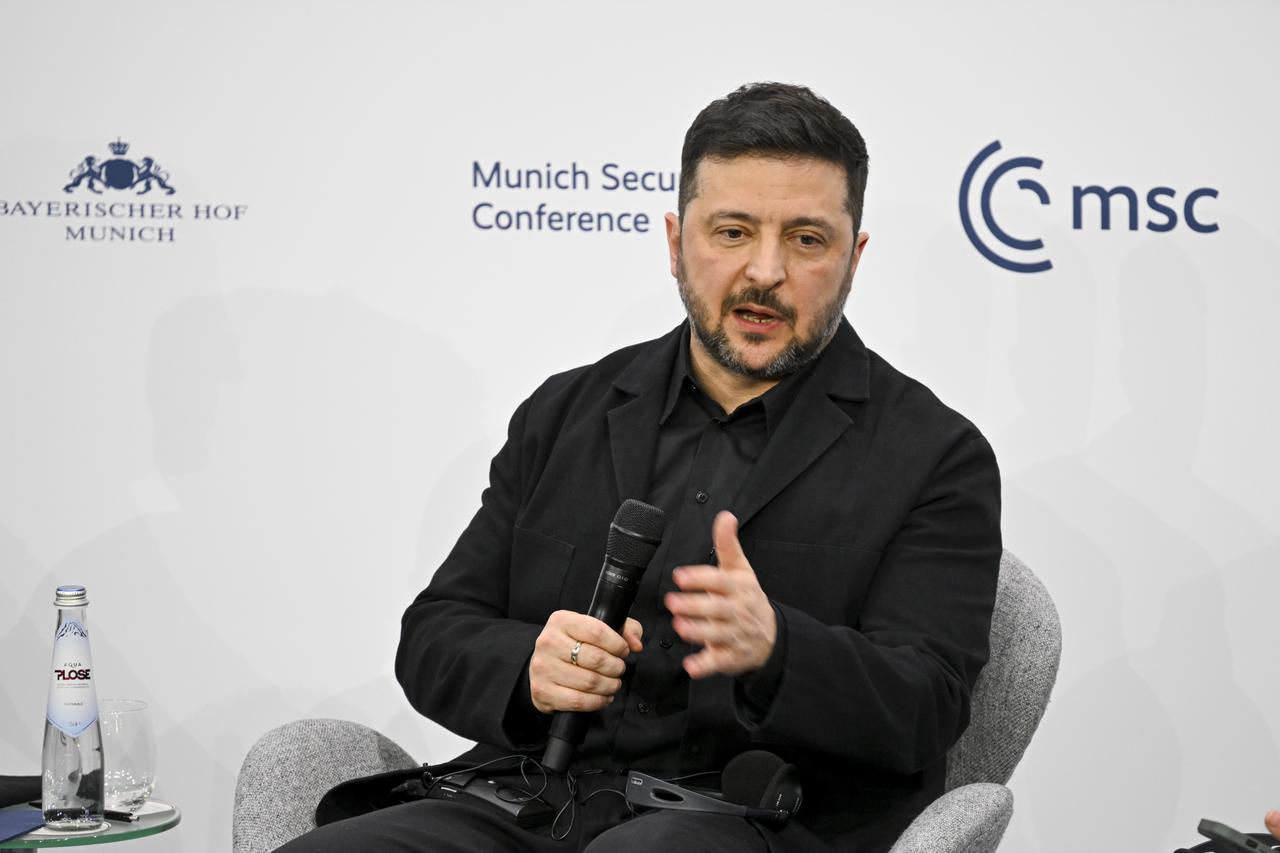


Russia is ready to discuss the possibility of introducing temporary U.N.-supervised external management in Ukraine as a potential solution to the conflict, Deputy Foreign Minister Mikhail Galuzin said Sunday.
Speaking to the Russian state news agency TASS, Galuzin said the United Nations has relevant experience in other countries.
“Generally, Russia is ready to discuss with the U.S., European and other countries the possibility of introducing temporary external management in Kyiv,” he said.
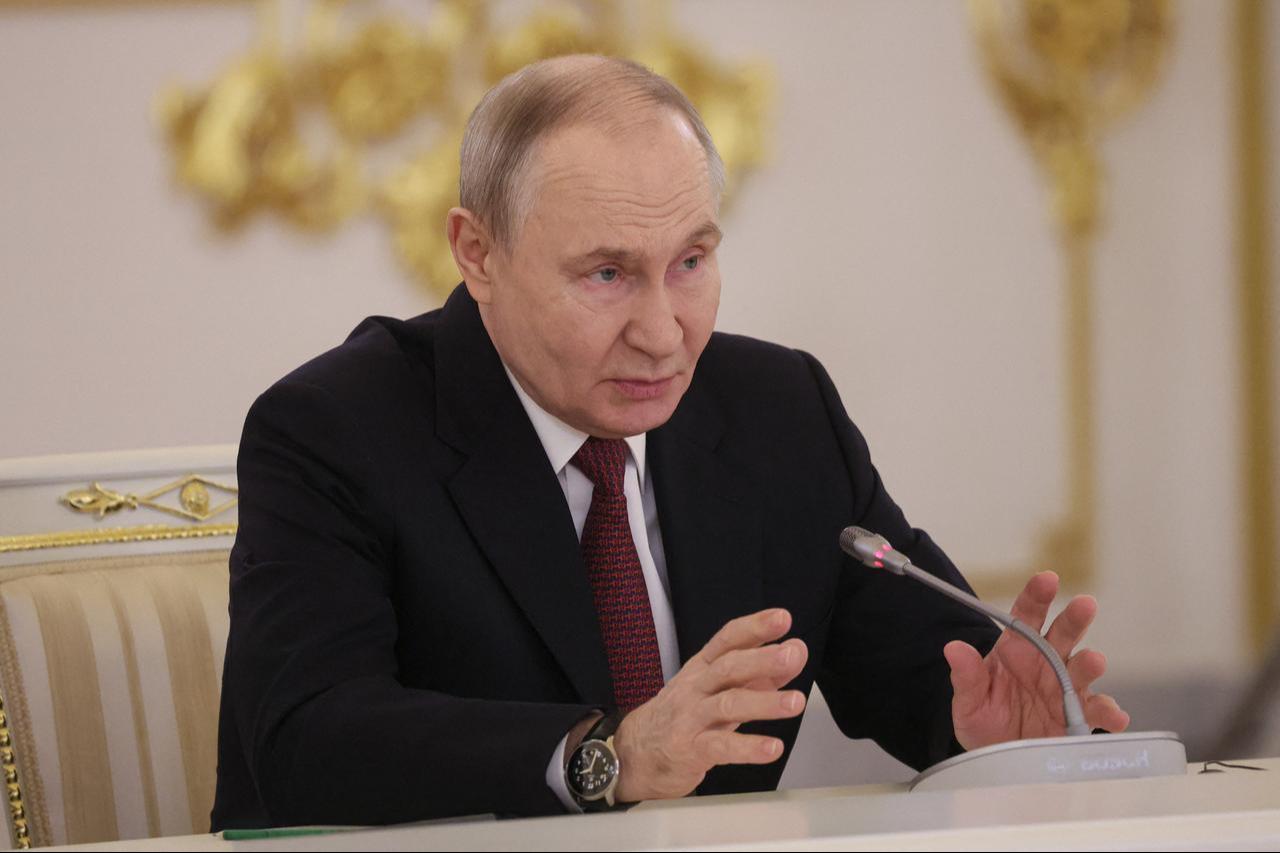

Galuzin argued that U.N.-supervised control would enable “democratic elections” in Ukraine and the signing of a “full-fledged peace treaty.”
He noted that similar U.N. transitional administrations were previously established in Eastern Slavonia, East Timor and Cambodia, among other places.
According to Galuzin, transferring territories under temporary U.N. administration usually involves several stages, beginning with an agreement between the parties to the conflict.
He said the sequence and specific content of subsequent actions could be subject to negotiations.
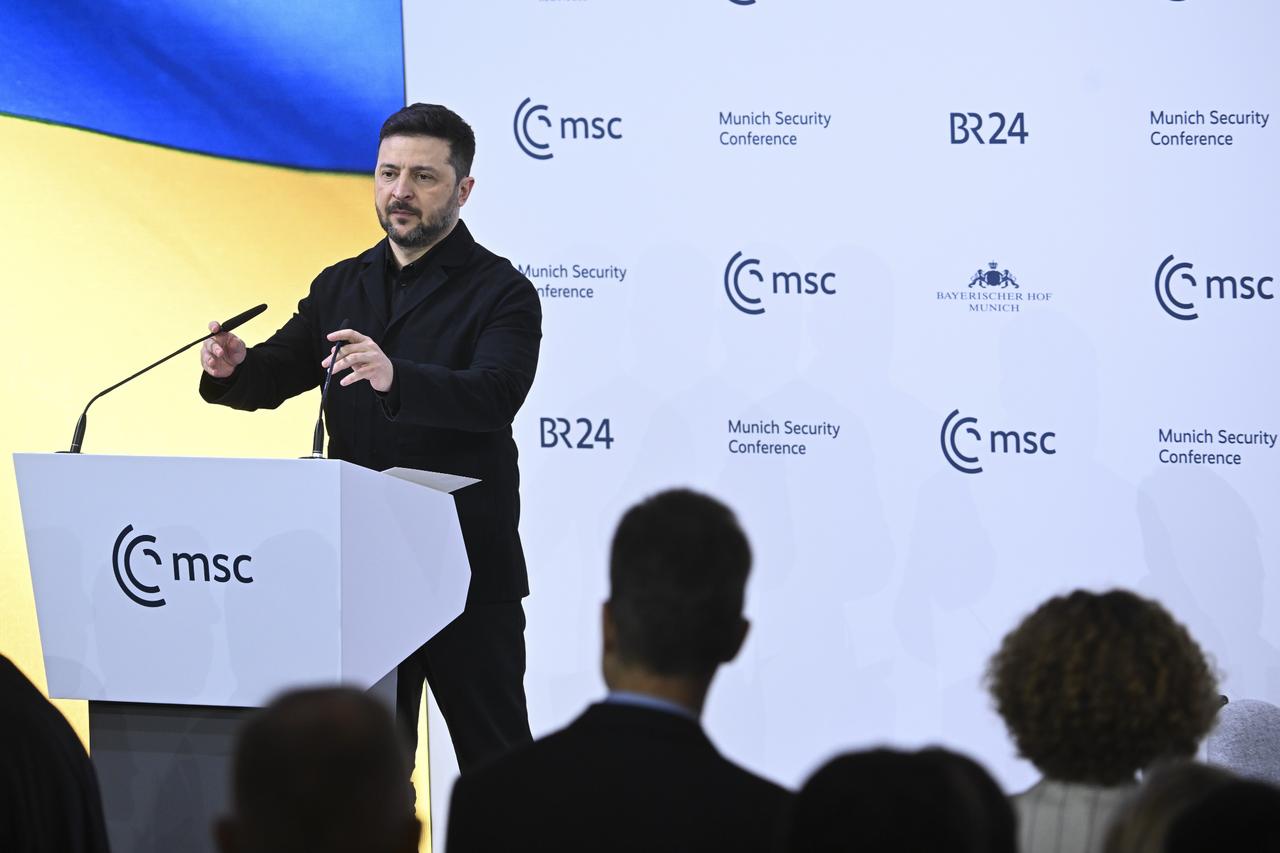
Ukraine has previously rejected the idea of U.N.-supervised external control and has dismissed Russia’s claims regarding the legitimacy of its leadership after President Volodymyr Zelenskyy’s term expired in May 2024.
Galuzin called on Kyiv to hold elections, saying Russia is ready to ensure there are no strikes on voting day in Ukraine. Zelenskyy has demanded a two-month ceasefire before holding a vote.
He described alleged Ukrainian attacks on Russian regions during elections in recent years as “attempts to disrupt the vote,” adding that Russia would not “stoop” to similar actions.
Galuzin accused Zelenskyy of election fraud, saying it reflected “a desire to remain in power.”
He also said a working group has been established in Ukraine to prepare for elections, but claimed, “No one is taking any real, practical steps to organize them.”
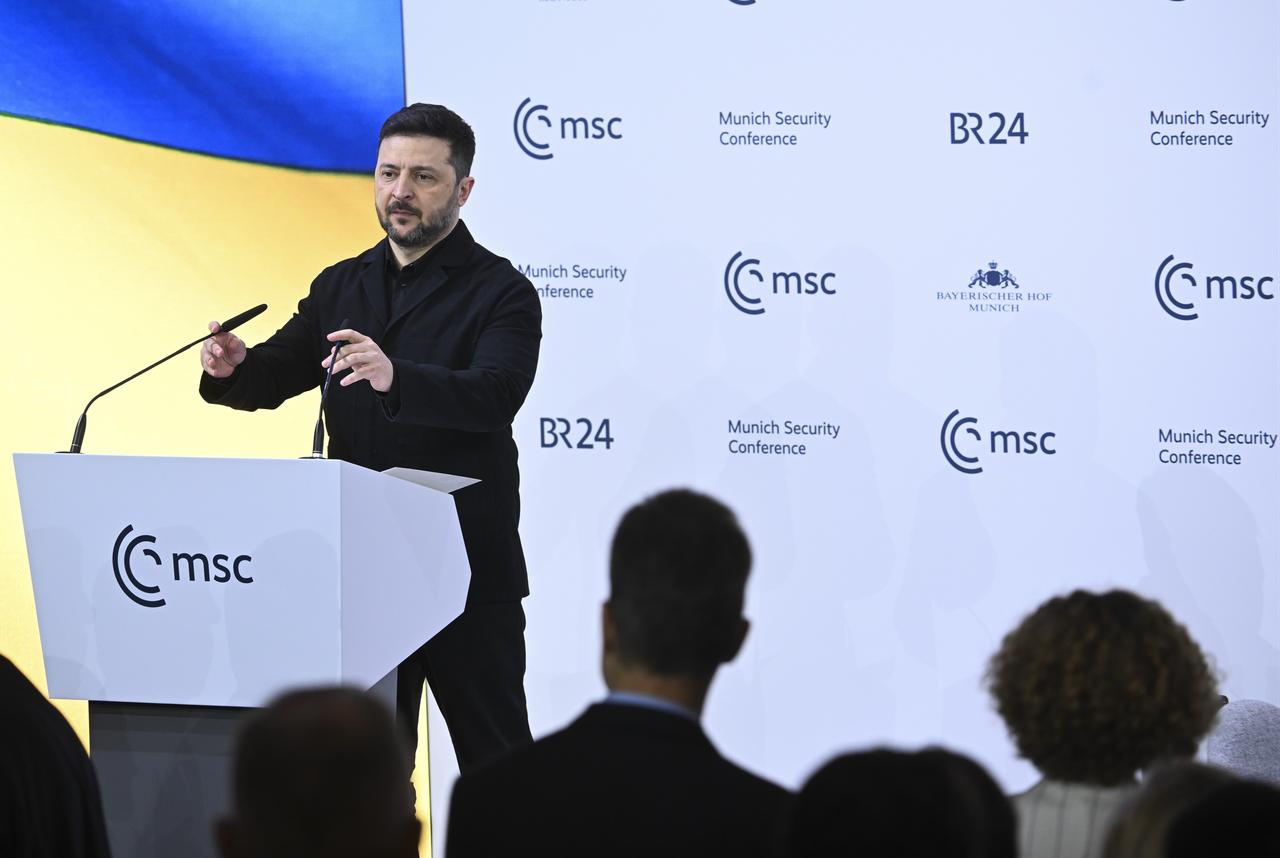
Galuzin rejected the possibility of European participation in a Ukrainian settlement, saying Europe has deprived itself of a place at the negotiating table due to ideological bias and refusal of direct dialogue with Russia.
“Brussels, by refusing direct dialogue with our country, has essentially deprived itself of a place at the negotiating table,” he said.
Responding to reports that the EU is considering appointing its own negotiator for dialogue with Moscow, Galuzin said the initiative remains under discussion within the bloc and comes from individual politicians rather than EU institutions.
He said “official Brussels” is “rather cool” toward the idea and described “Eurocrats” as incapable of negotiation, accusing them of operating in the language of ultimatums and seeking unilateral concessions to inflict maximum damage on Russia.
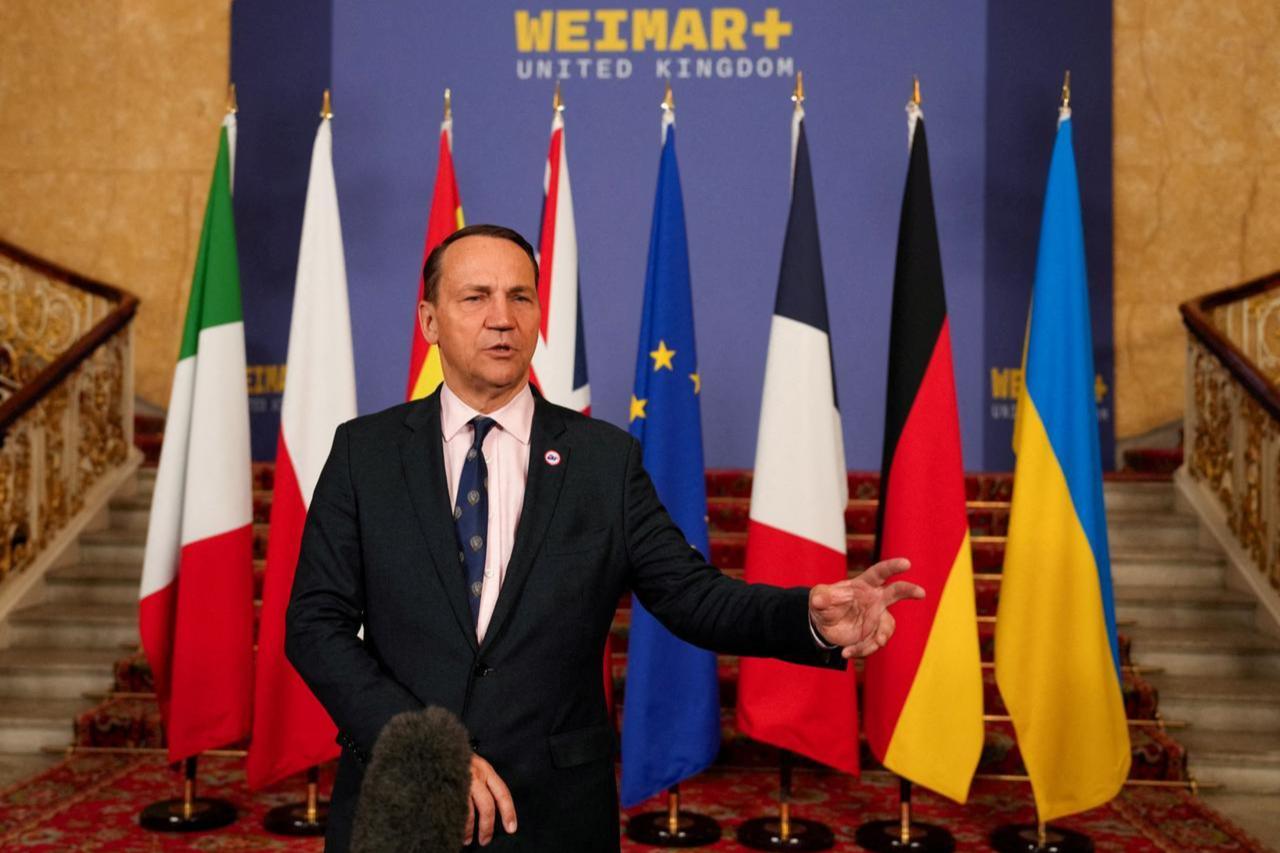
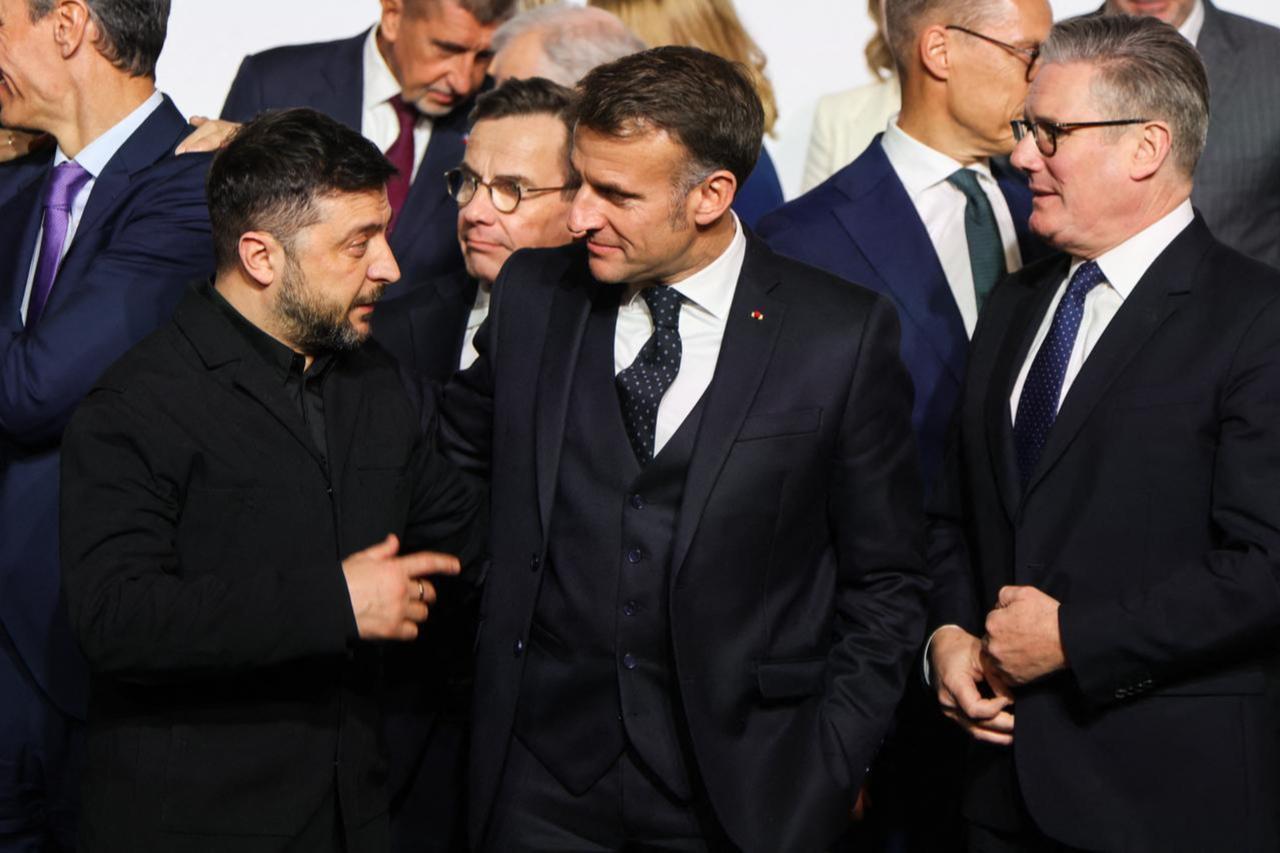
EU countries are said to be considering appointing a special representative for Ukraine talks, with Finnish President Alexander Stubb mentioned as a possible candidate, amid concerns Brussels is being sidelined.
The next round of negotiations on a Ukrainian settlement is scheduled for Feb. 17-18 in Geneva in a trilateral Russian-American-Ukrainian format.
Galuzin said Russia, the U.S., and Ukraine have agreed to conduct the talks “without leaks.”


 Set as preferred source
 Set as preferred source


 1 min read
 1 min read


