Sign in
 Newsletters


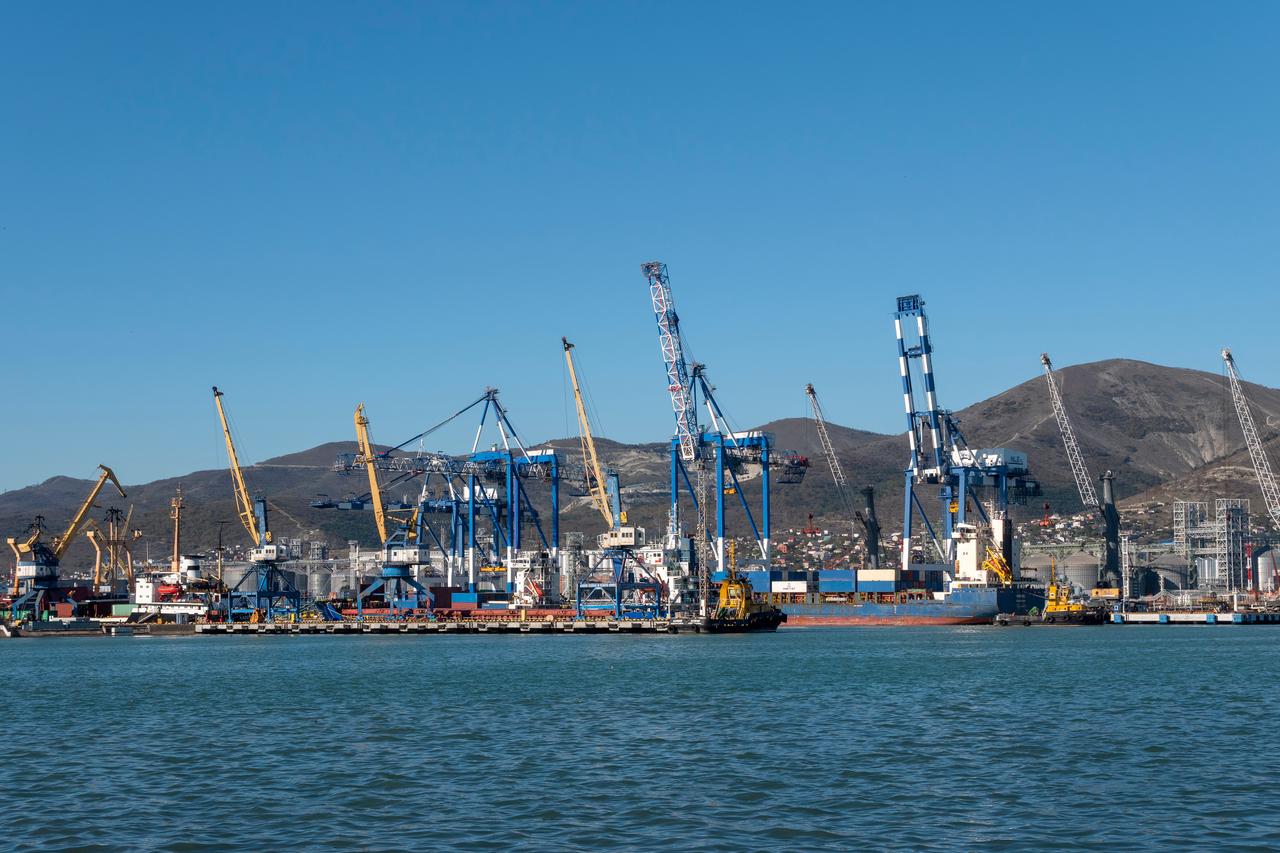


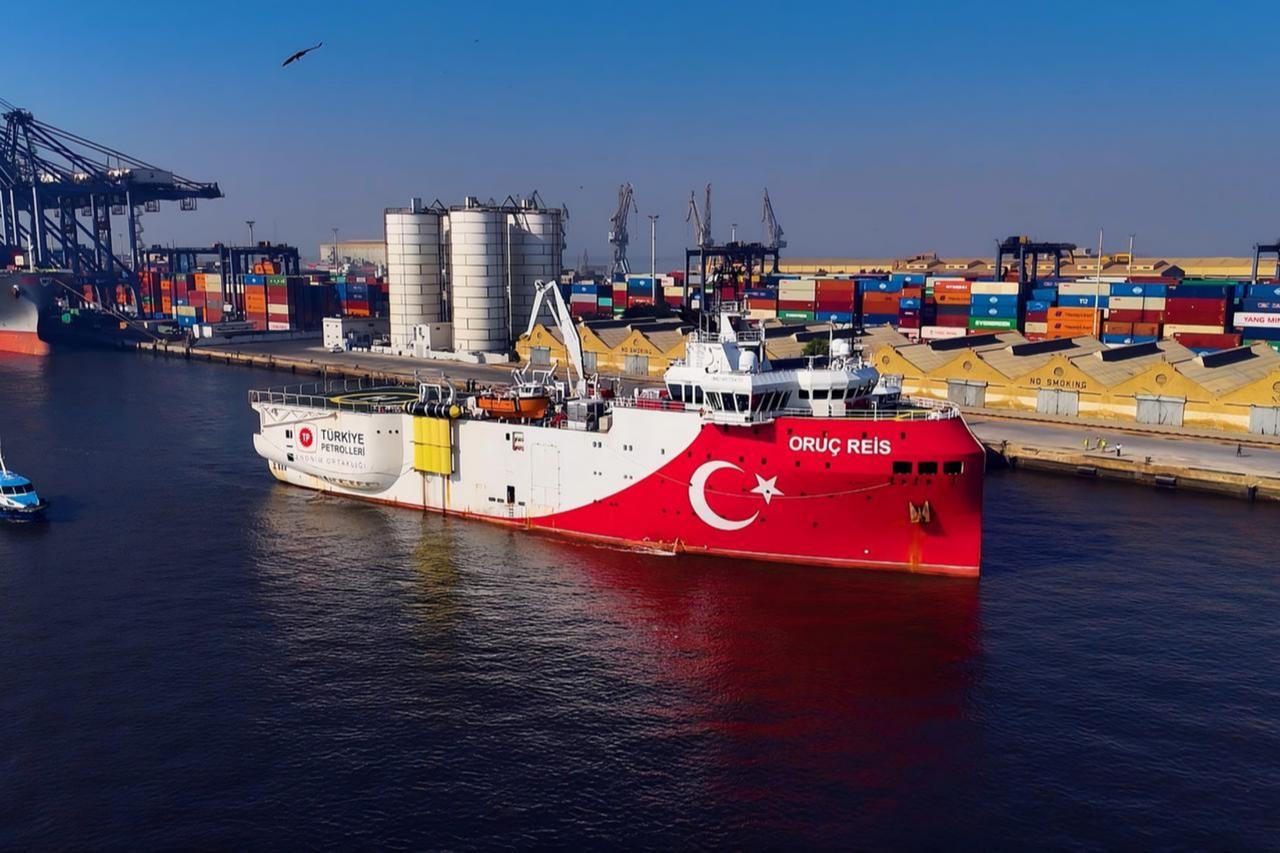
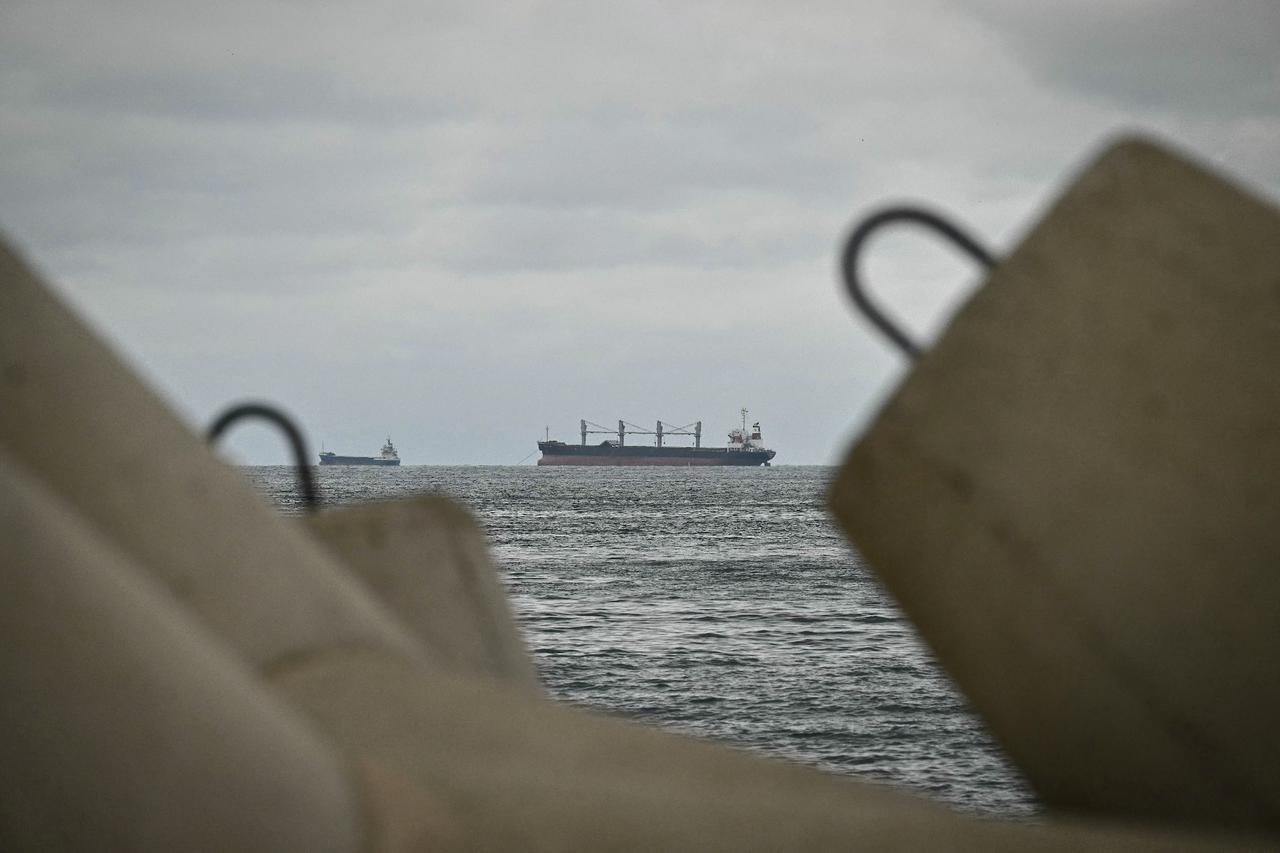
Türkiye is working on a new mechanism to ensure the safe passage of commercial vessels through the Black Sea and prevent disruptions to global food and agricultural supplies, its permanent representative to the United Nations said.
Ahmet Yildiz outlined the initiative Monday during a U.N. Security Council briefing on Ukraine's critical energy infrastructure and Black Sea food lifelines.
"We are now working on developing an effective mechanism that aims to ensure the safety of navigation for commercial vessels in the Black Sea, aiming at uninterrupted flow of food and agricultural products,” Yildiz told the council.
He added that Türkiye wants to build on the experience of the Black Sea Grain Initiative, arguing that a similar arrangement would benefit all parties, particularly countries heavily dependent on food and agricultural imports.
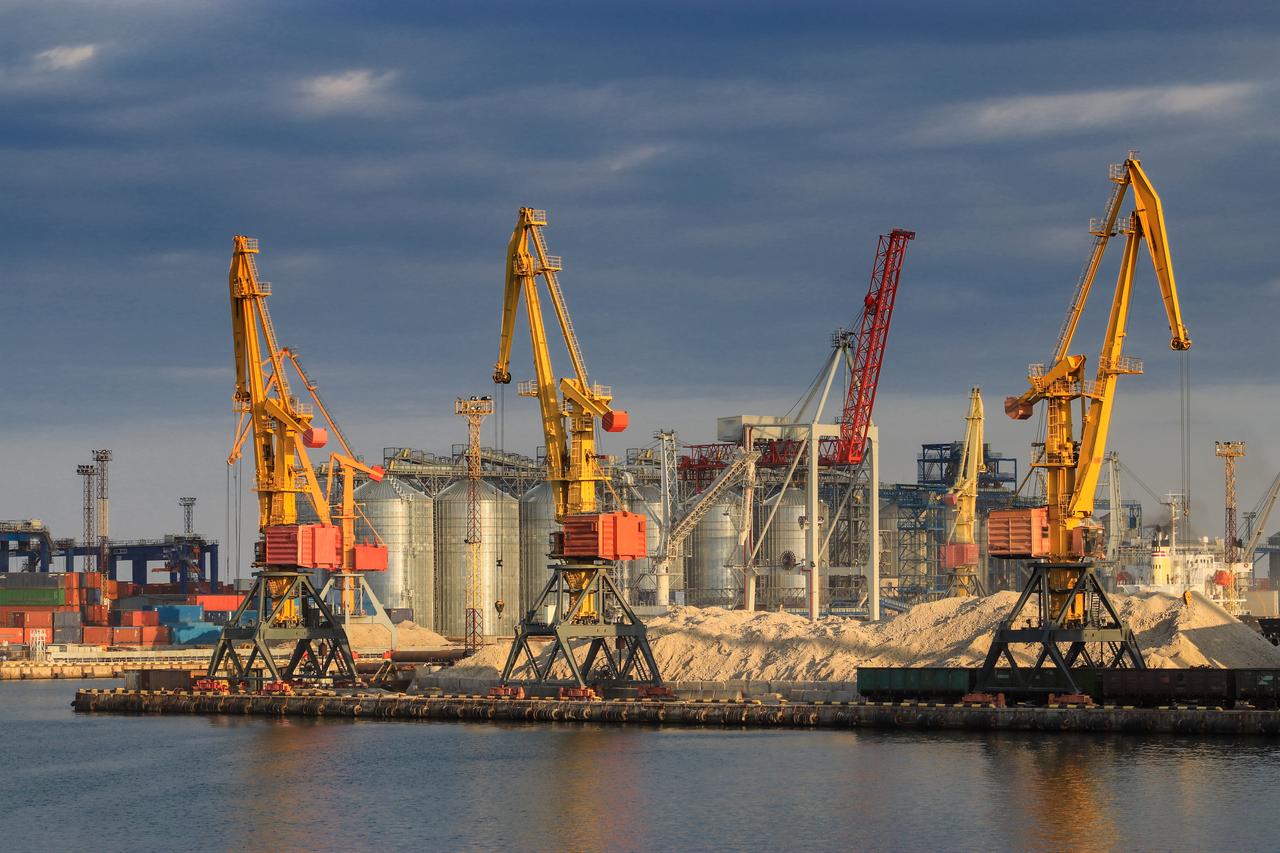
The Black Sea Grain Initiative, brokered by Türkiye and the United Nations and signed in Istanbul on July 22, 2022, by Russia and Ukraine, established a maritime humanitarian corridor allowing commercial vessels to carry grain, other foodstuffs and fertilizers from designated Ukrainian ports to international markets.
The agreement helped restore agricultural exports disrupted by the war and eased pressure on global food supplies. However, Russia withdrew from the arrangement in July 2023, prompting Ukraine to establish an alternative export corridor running along the coastlines of Romania and Bulgaria.
Yildiz recalled that the initiative also helped prevent the conflict from spreading into the maritime domain. He stressed that Ankara would use its strategic geographic position, contacts with the parties involved and experience in mediation to push for lasting stability in the waterway.
Foreign Minister Hakan Fidan revealed earlier on Nov. 16 that Ankara had put forward several proposals to restore grain shipments and protect navigation in the Black Sea, with some elements finalized during diplomatic meetings in Brussels.
"We are also working on how to ensure the safety of navigation in the Black Sea and how to bring wheat needed by poorer countries around the world to global markets. We have made some proposals in this regard. We actually finalized part of those proposals today," Fidan told reporters.

Türkiye has sought to contain the regional fallout from the war since its outbreak, with Yildiz pointing to Ankara's decision to invoke Article 19 of the Montreux Convention.
The provision allows Türkiye to close the Turkish Straits to warships belonging to countries at war, a measure Ankara has implemented throughout the conflict.
Yildiz reaffirmed that Türkiye had applied the treaty "faithfully and impartially and will continue to do so."
He also highlighted the Mine Countermeasures Black Sea Task Group, a joint naval demining initiative established by Türkiye, Romania and Bulgaria, as an example of regional cooperation that can deliver lasting results.
With the longest coastline along the Black Sea, Türkiye supports combining regional ownership with international cooperation to address maritime security challenges, he added.
Beyond maritime security, Yildiz reiterated Ankara's support for Ukraine's independence, sovereignty and territorial integrity, describing a negotiated settlement as the only viable way forward.
Welcoming recent diplomatic engagement in Abu Dhabi, he urged Russia and Ukraine to pursue direct negotiations toward a just and lasting peace based on international law and the U.N. Charter.


 Set as preferred source
 Set as preferred source


 1 min read
 1 min read