Newsletters


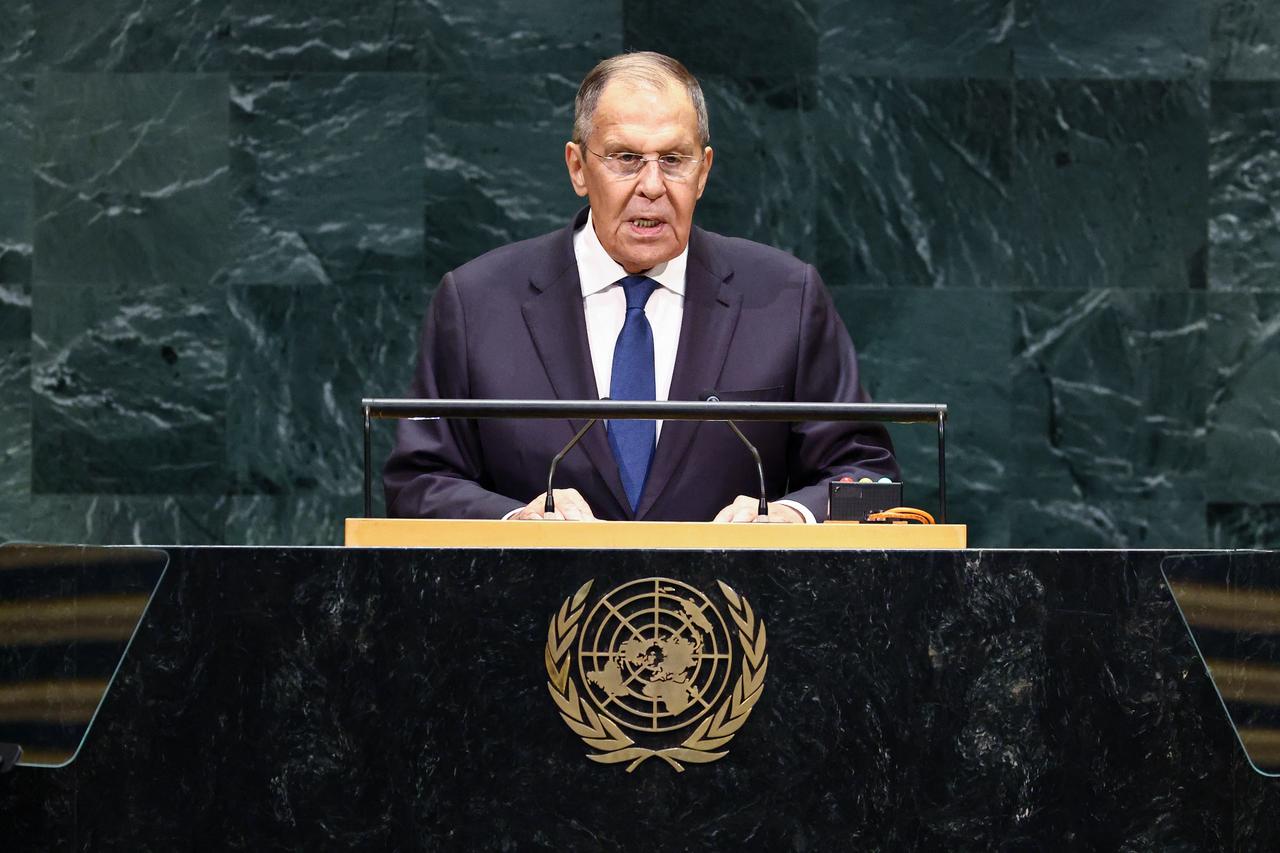


Russian Foreign Minister Sergey Lavrov said Moscow would consider allowing its S-400 air defense systems to be transferred to a third country, but only with explicit Russian consent and guarantees that the equipment would not be redirected again, addressing recent reports that the systems could end up in the United Arab Emirates.
Speaking at a press conference on the sidelines of the United Nations General Assembly session in New York, Lavrov responded to questions from media asking whether Russia's position had shifted following reports that S-400 systems could be handed over to the UAE, and whether Moscow was involved in discussions between Ankara and Washington on the matter.
"We consider all kinds of proposals," Lavrov said. "I won't comment on this right now, but such possibilities exist, only with our clear approval."
He added that any country receiving the systems would need to maintain friendly relations with Russia and provide assurances that the S-400s would not be sent on to another location.
Lavrov pointed to what he described as a pattern among European countries, which he said have sent weapons purchased from other nations to Ukraine despite earlier commitments not to retransfer them.
"If we receive a request and are given guarantees that such violations will not occur, we are ready to approve the transfer of the S-400 systems to another country," he said.
Asked directly by CNBC-e whether the UAE was a possible destination for the systems, Lavrov said Russia was not currently weighing specific options.
"We are not considering options right now," he said. "When a request comes in, we can look at exactly what our Turkish colleagues want to do. They may not have a plan yet."
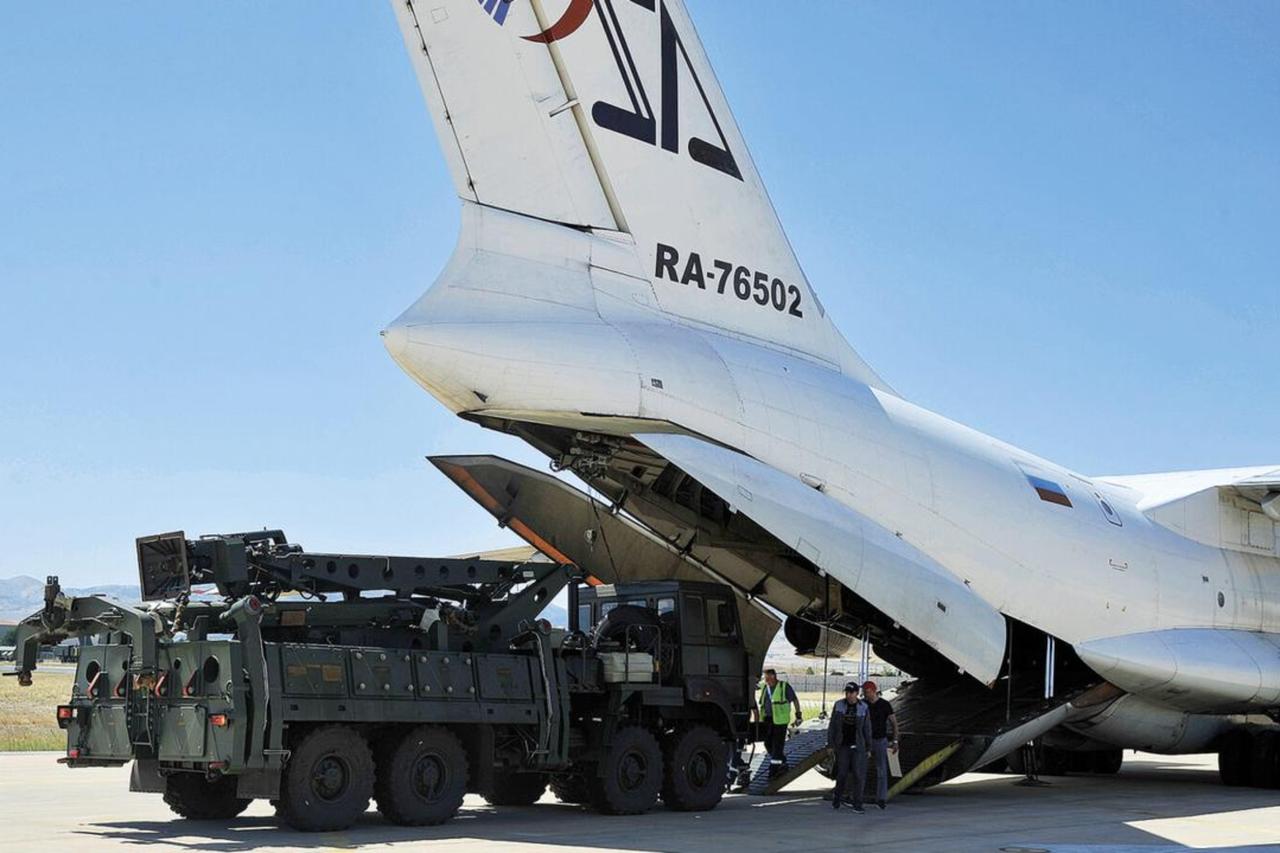
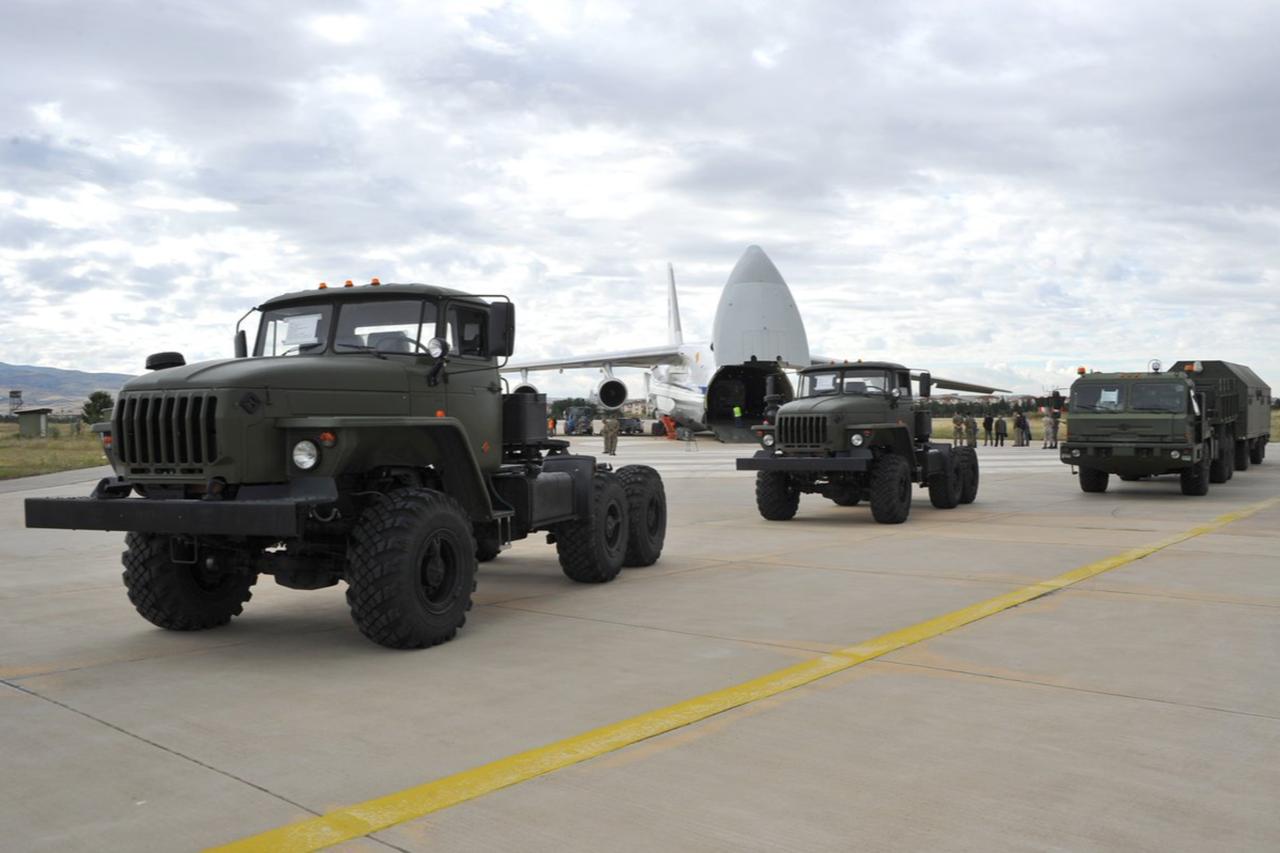
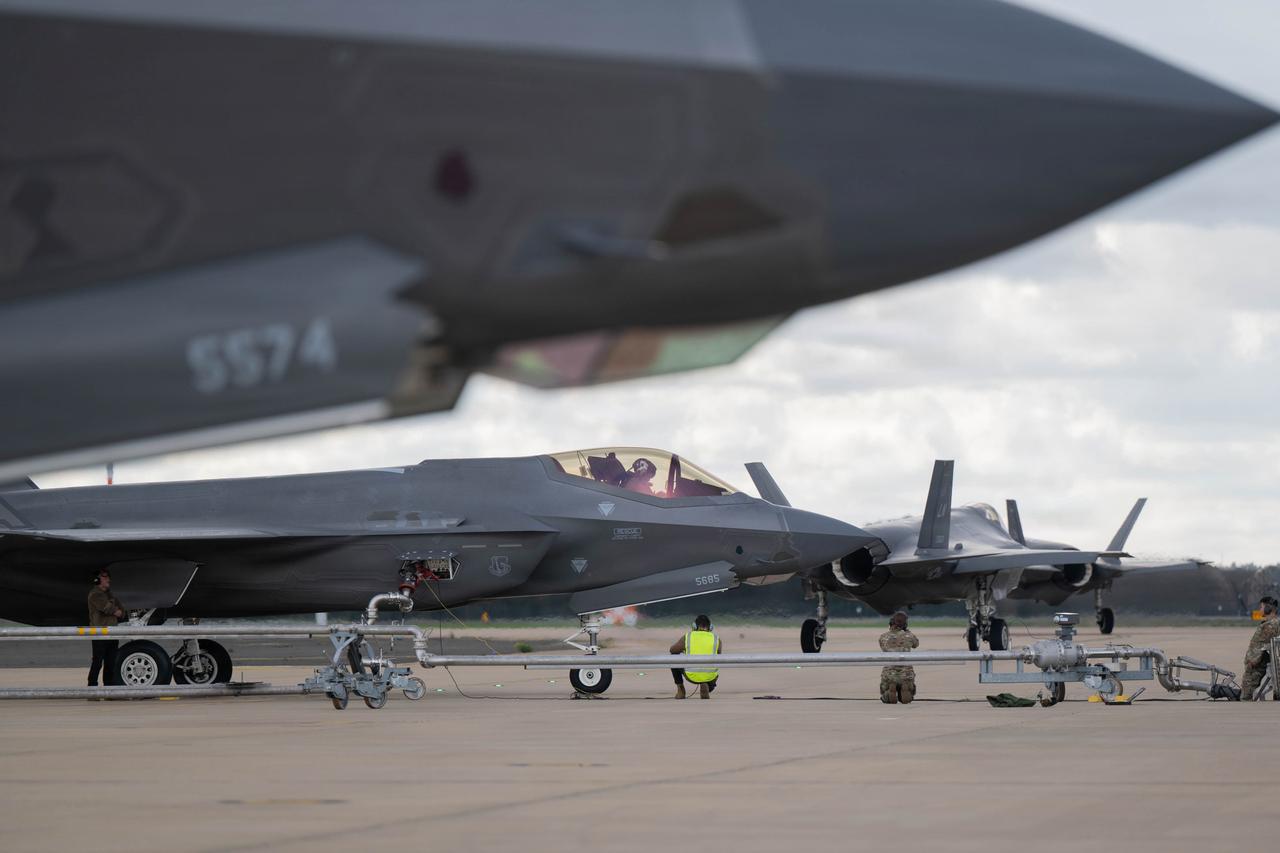
Türkiye acquired the Russian-made S-400 missile defense systems in 2019, a purchase that led the United States to remove Türkiye from the F-35 fighter jet program and impose sanctions under the Countering America's Adversaries Through Sanctions Act.
The systems have remained a persistent point of friction in Türkiye-U.S. relations in the years since.
Lavrov's remarks came during a round of diplomatic engagements tied to the UN General Assembly's annual high-level session in New York, where world leaders and foreign ministers gather each September to address the assembly and hold bilateral meetings.


 Set as preferred source
 Set as preferred source


 1 min read
 1 min read