Newsletters


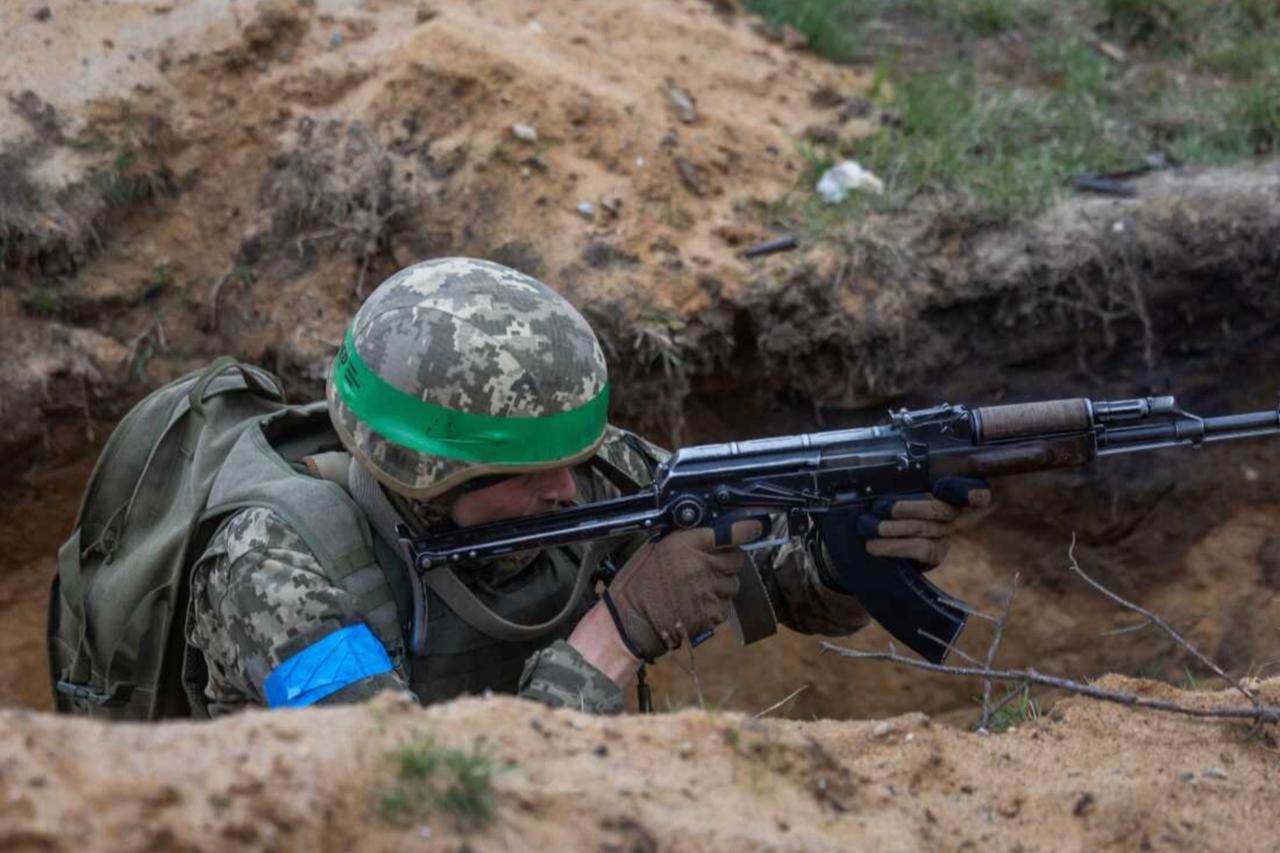


Russian Deputy Foreign Minister Sergei Ryabkov warned Tuesday that strategic risks of a direct confrontation between Russia and NATO are mounting, citing what he described as escalatory rhetoric from European capitals and provocative moves in the nuclear sphere, in an interview with Russian state news agency TASS.
"As a result of this escalation of tensions, including blatantly provocative moves in the nuclear sphere, strategic risks are increasing, as is the danger of a head-on clash between NATO and our country, with potentially catastrophic consequences as a result," Ryabkov said.

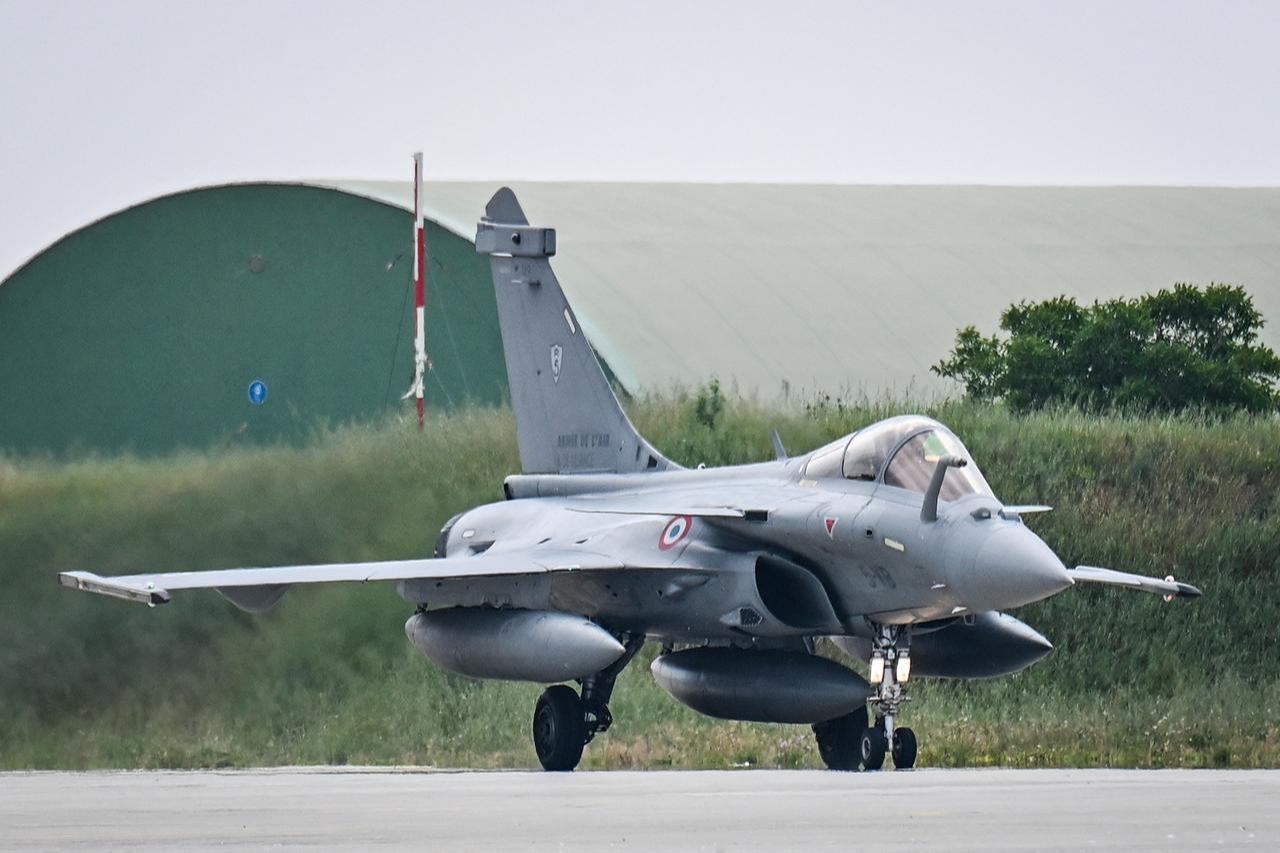
Ryabkov specifically cited Finland's intention to host nuclear weapons and France and Poland's plans to hold a deterrence exercise over the Baltic Sea simulating nuclear strikes on Russian targets.
"Russia has unequivocally expressed its strong criticism of such preparations by the Europeans," he said.
"Such steps are being accompanied by hostile anti-Russian rhetoric and are an element of the broader process of Europe's accelerated militarization, directly targeting this country," he added.
Ryabkov said Russia could not ignore the strengthening of NATO's overall nuclear component resulting from Europe's development of its own nuclear capabilities alongside the U.S. nuclear umbrella, and that this would be factored into Russian military planning.
He said France's expansion of the operational zone of its national nuclear forces onto the territory of European allies meant those countries were drawing closer scrutiny from Russian strategic forces.
"As a result of France expanding the operational zone of its national nuclear forces onto the territory of these European countries, they become the object of closer attention from our military responsible for ensuring strategic deterrence," Ryabkov said.
"Obviously, as a result, the overall level of security of these states, to put it mildly, does not increase," he added.
The full text of the interview is set to be published on May 20, TASS said.
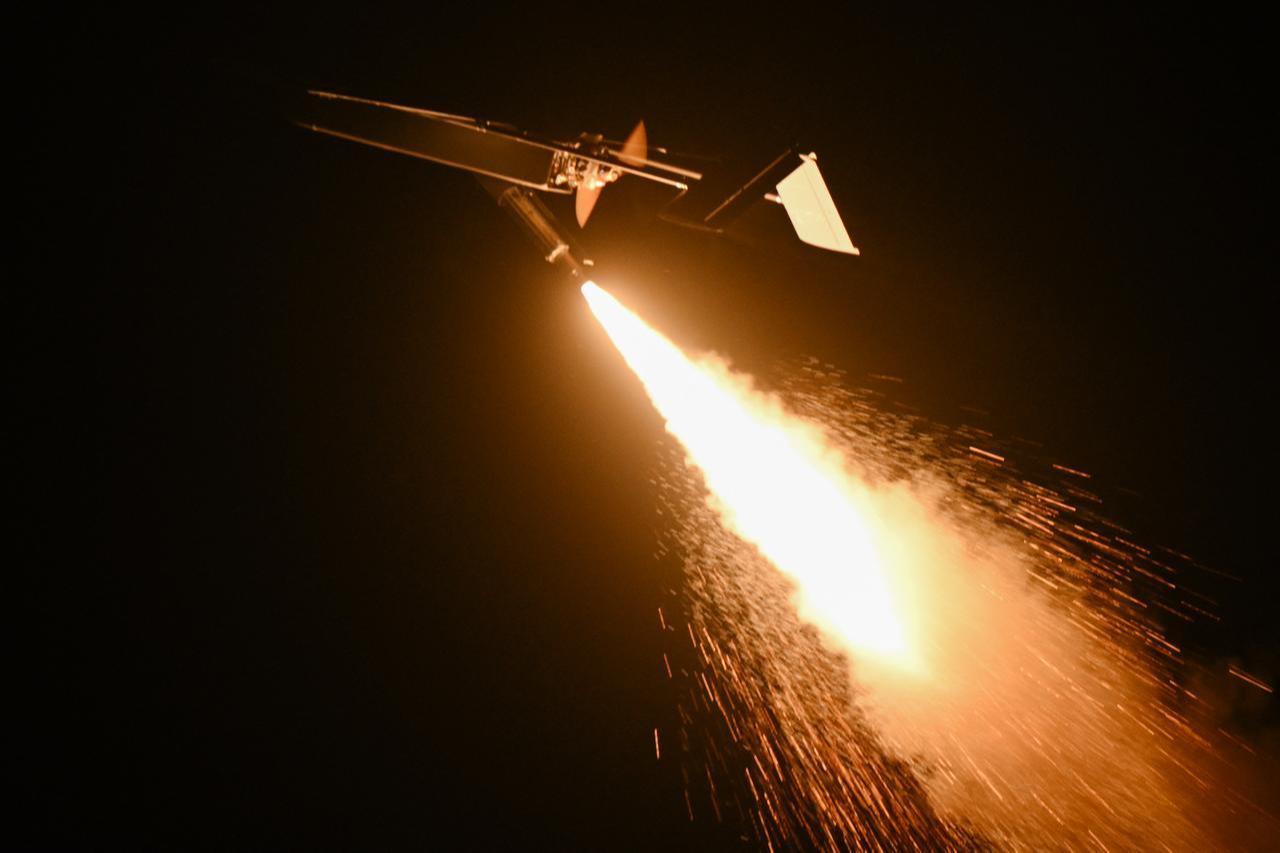
Russia's Foreign Intelligence Service, the SVR, claimed Tuesday that Ukraine is preparing a new wave of drone strikes against Russian regions using Latvian territory to launch unmanned aerial vehicles.
The SVR alleged that Ukrainian personnel from Ukraine's Unmanned Systems Forces had already been deployed to Latvian military bases, including Adazi, Selia, Lielvarde, Daugavpils, and Jekabpils.
The agency claimed Kyiv intends to launch drones directly from Latvian territory rather than only using air corridors previously provided by Baltic states, in order to reduce flight time and increase strike effectiveness.
"According to the information received, Kyiv does not intend to limit itself to using the air corridors that the Baltic countries had provided to the armed forces of Ukraine. Drones are also planned to be launched from the territory of these states," the SVR said. Moscow also claimed Latvia agreed to support the operation despite concerns over possible retaliation.
The SVR warned that drone launch sites could be identified by analyzing wreckage.
"It would be worthwhile to remind that the coordinates of decision-making centers on Latvian territory are well known, and the country's NATO membership will not protect accomplices of terrorists from just retribution," the agency said.
NATO Military Committee Chair Adm. Giuseppe Cavo Dragone told alliance military chiefs that member states can no longer assume a period of stability.
"A sailor repairs the sails when the sea is calm. We no longer have calm seas. We are already in the storm. So, our task is not simply to move faster, but to make better decisions while maintaining coherence, cohesion, and strategic direction," Dragone said.
Dragone said NATO remains on constant alert "24 hours a day, 7 days a week" across all strategic fronts, including the eastern flank, southern neighborhood, and the High North, including the Arctic.
"Since we last met in this format, in January, new crises arose. Existing crises have deepened. And, the security environment has become even more demanding," he said.
Beyond Ukraine, Dragone pointed to persistent instability across NATO's southern neighborhood, pressure on global trade routes, risks to energy flows, and ongoing hybrid threats including cyberattacks, sabotage, disinformation campaigns, and the misuse of emerging technologies. "In warfare, deterrence, and defense, the ability to understand, decide, and act faster increasingly shapes outcomes," he said.


 Set as preferred source
 Set as preferred source



 4 min read