Newsletters


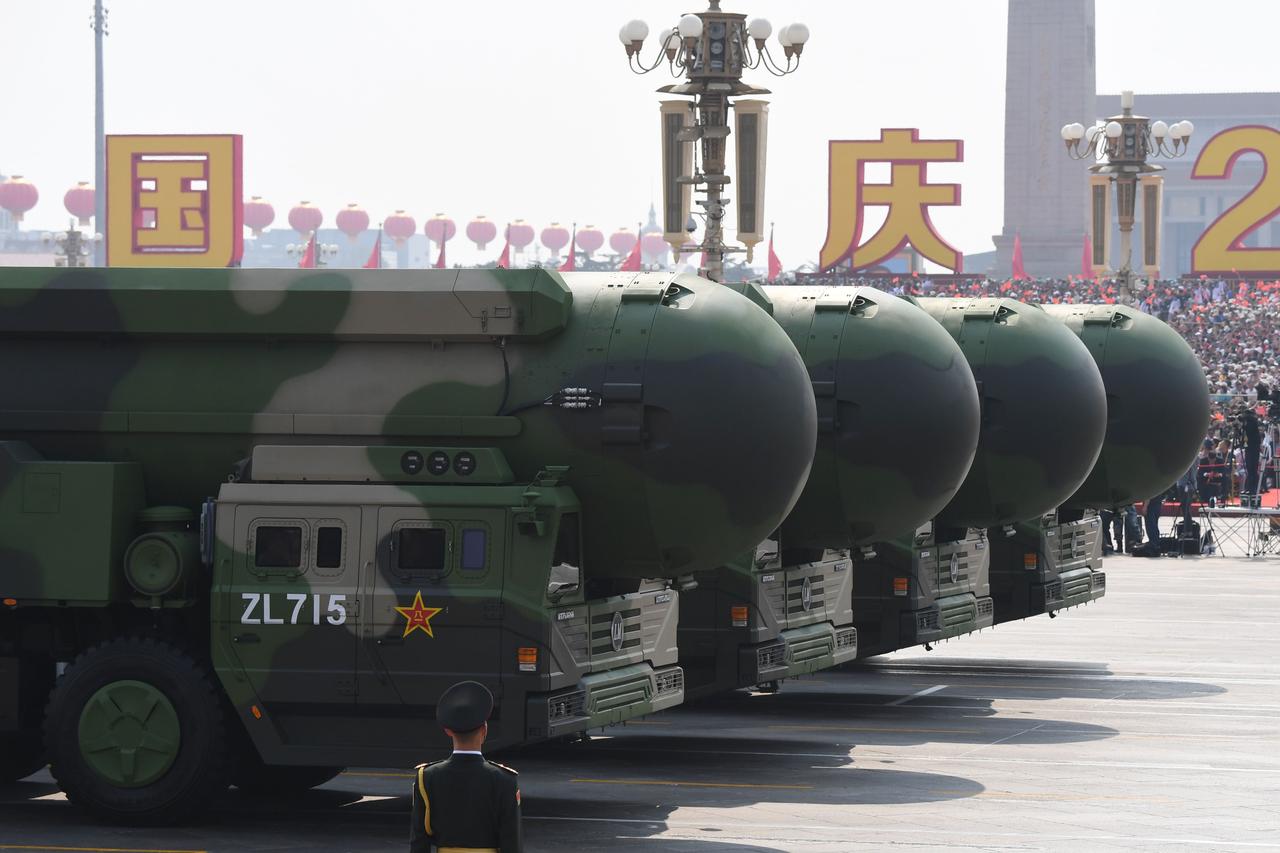


China has been secretly expanding its nuclear weapons infrastructure in Sichuan province in recent years, according to a CNN investigation based on satellite imagery and government documents, as global arms control agreements weaken and geopolitical tensions rise.
The developments center around sites in and near Zitong County, where satellite images show extensive construction, including the demolition of villages and the building of new facilities linked to nuclear weapons production.
In one case, residents in Sichuan were evicted from their homes in 2022, with authorities citing it as a “state secret.”
More than three years later, satellite imagery shows the village flattened and replaced with structures supporting nuclear-related activities.
One of the most significant additions is a large dome-shaped structure near the Tongjiang River, measuring about 36,000 square feet. The reinforced facility is surrounded by concrete and steel, equipped with radiation monitors, blast doors and ventilation systems designed to contain radioactive materials such as uranium and plutonium, according to experts cited by CNN.
The site, known as Site 906, is located within a long-established nuclear weapons base and is protected by multiple layers of security fencing. Nearby tunnels and infrastructure suggest further underground or concealed operations.
Other facilities in the region, including Site 931, have also expanded, with nearby villages such as Baitu and Dashan cleared to make way for development. Roads and transport links connecting the network have been upgraded, indicating a broader modernization effort.
Experts who reviewed the findings said the scale and nature of construction point to a significant overhaul of China’s nuclear weapons program.
Jeffrey Lewis, a scholar at Middlebury College, described the changes as a “reconfiguration” of the nuclear complex, adding that the new infrastructure suggests “a much bigger capacity to produce.”
Renny Babiarz of AllSource Analysis said the facilities may indicate “new processes” and technologies being introduced. At the same time, analyst Decker Eveleth noted that the modernization could create uncertainty about China’s production capabilities.
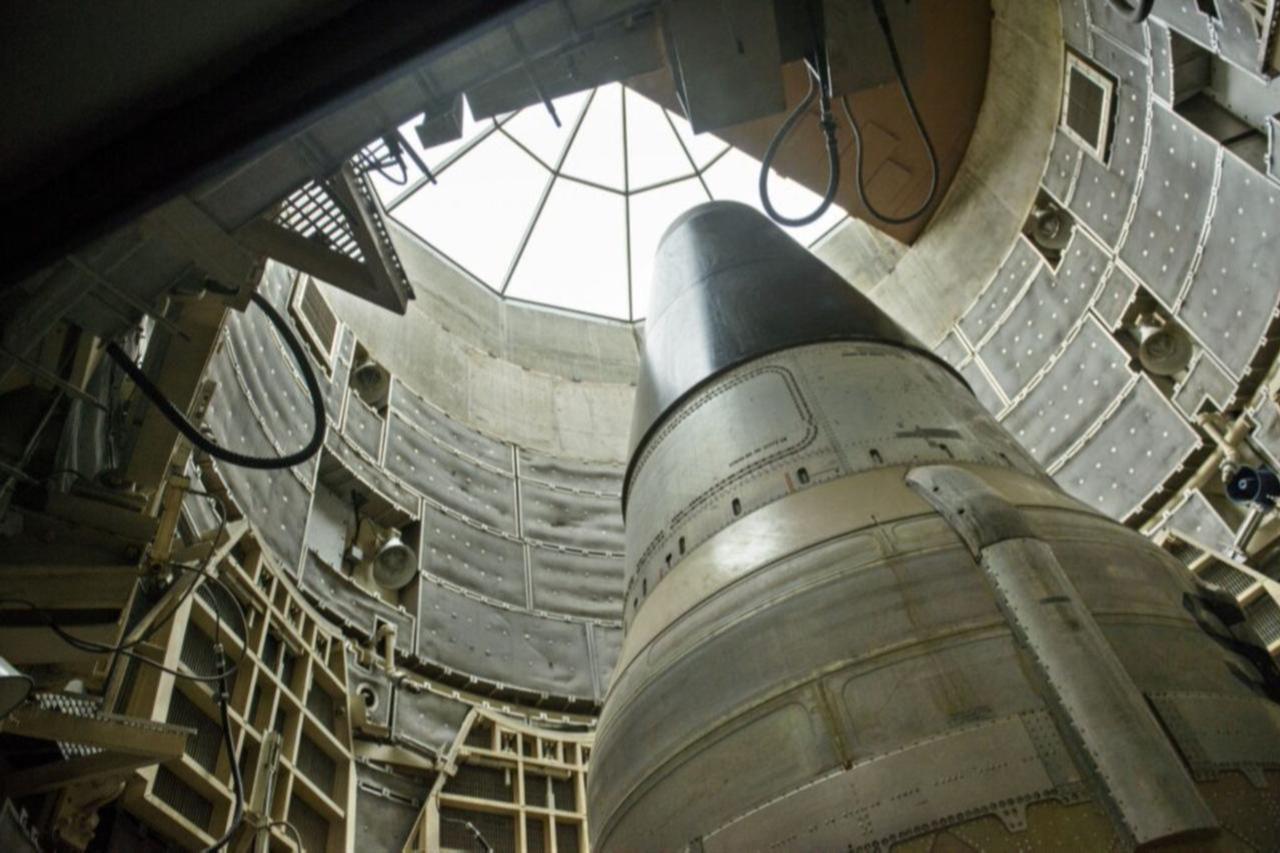
China currently has just over 600 nuclear warheads, according to the Pentagon, compared with significantly larger stockpiles held by the U.S. and Russia. However, it is described as the fastest-growing nuclear arsenal in the world.
U.S. officials have accused China of violating restrictions on nuclear testing, though Beijing has denied the claims. Chinese defense ministry spokesperson Jiang Bin said such allegations “distort facts,” reiterating that China follows a policy of self-defense and no first use of nuclear weapons.
China’s Foreign Ministry said it was “not aware” of the specific findings in the CNN report.
The expansion aligns with directives issued by Chinese President Xi Jinping in 2021 to accelerate the development of “high-level strategic deterrence.” The country has also developed early warning systems to detect incoming missile threats.
The area known as “Science City,” located about 40 miles (64.3 kilometers) southwest of Zitong, has also undergone major redevelopment, with over 600 buildings demolished in 2022 to make way for new research facilities tied to the nuclear program.
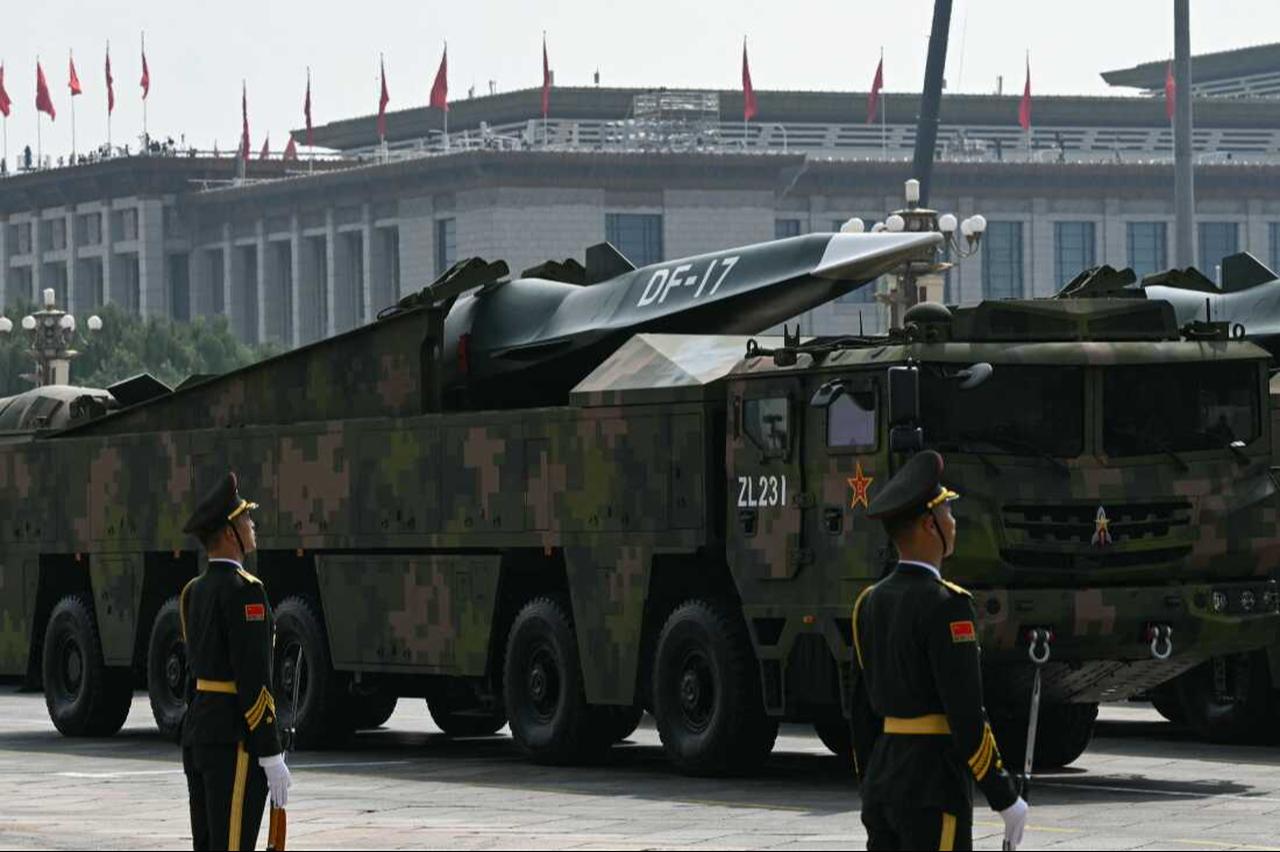

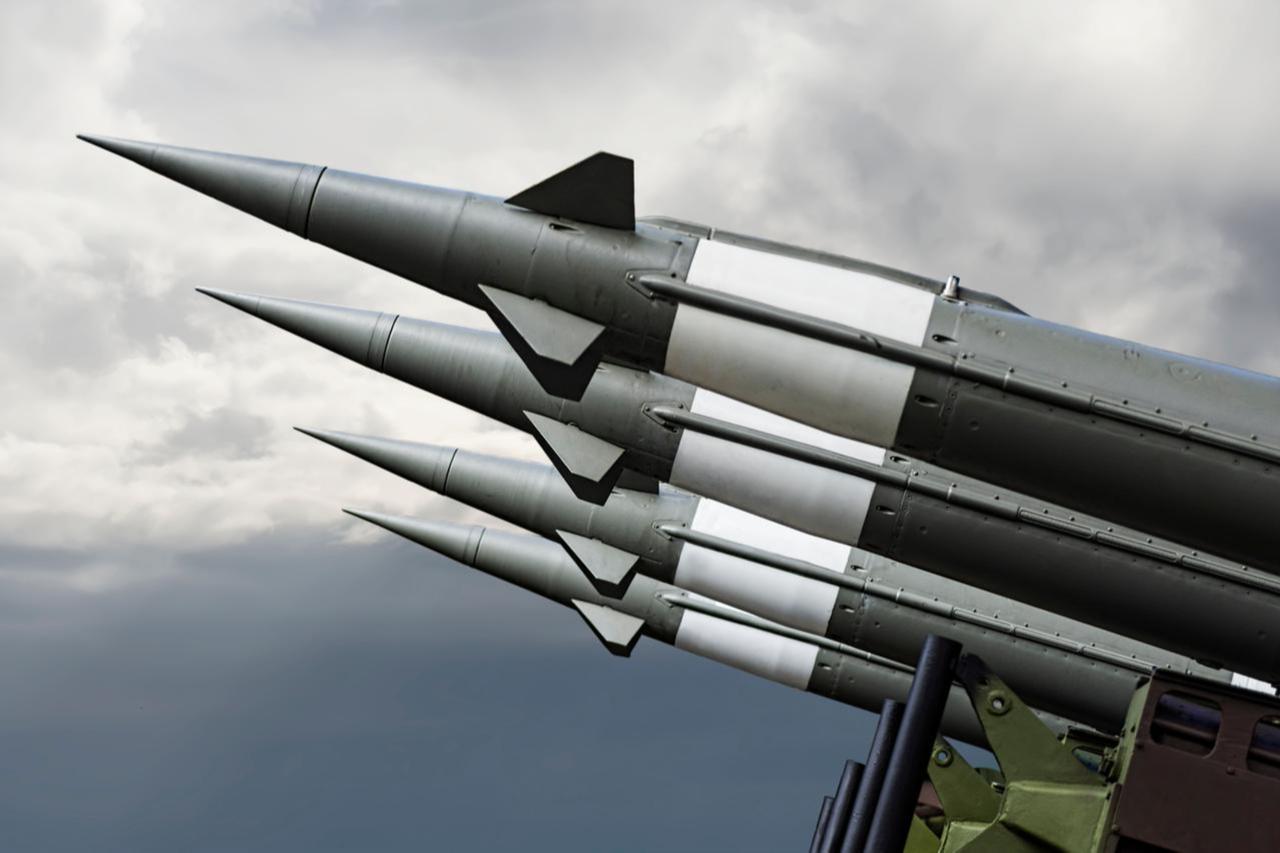
Analysts warn that China’s expanding capabilities could contribute to a new global arms race involving three major nuclear powers: China, the U.S., and Russia.
Some experts caution that perceptions of China’s capabilities may drive further escalation.
“We’re going to match what we think they’re doing,” Lewis said, warning that miscalculations could increase risks.
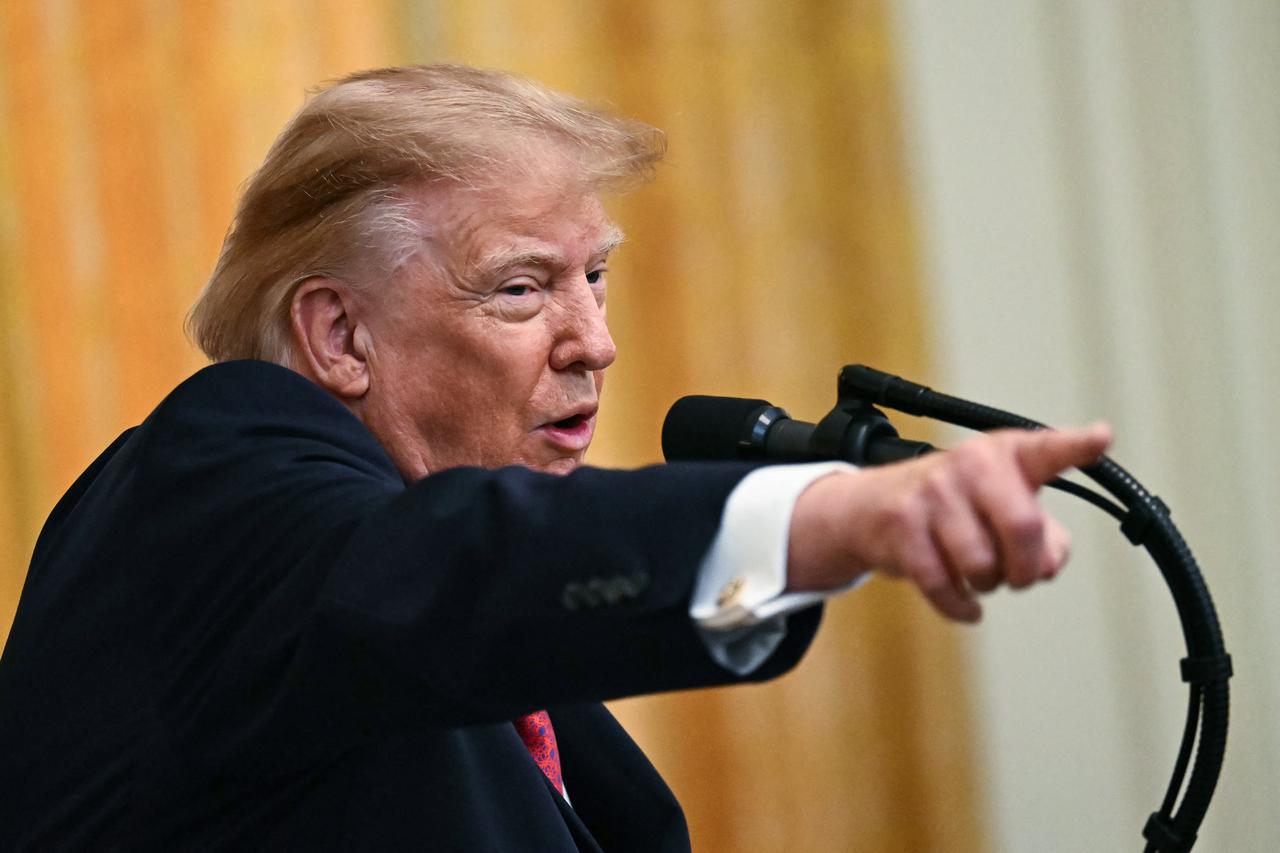
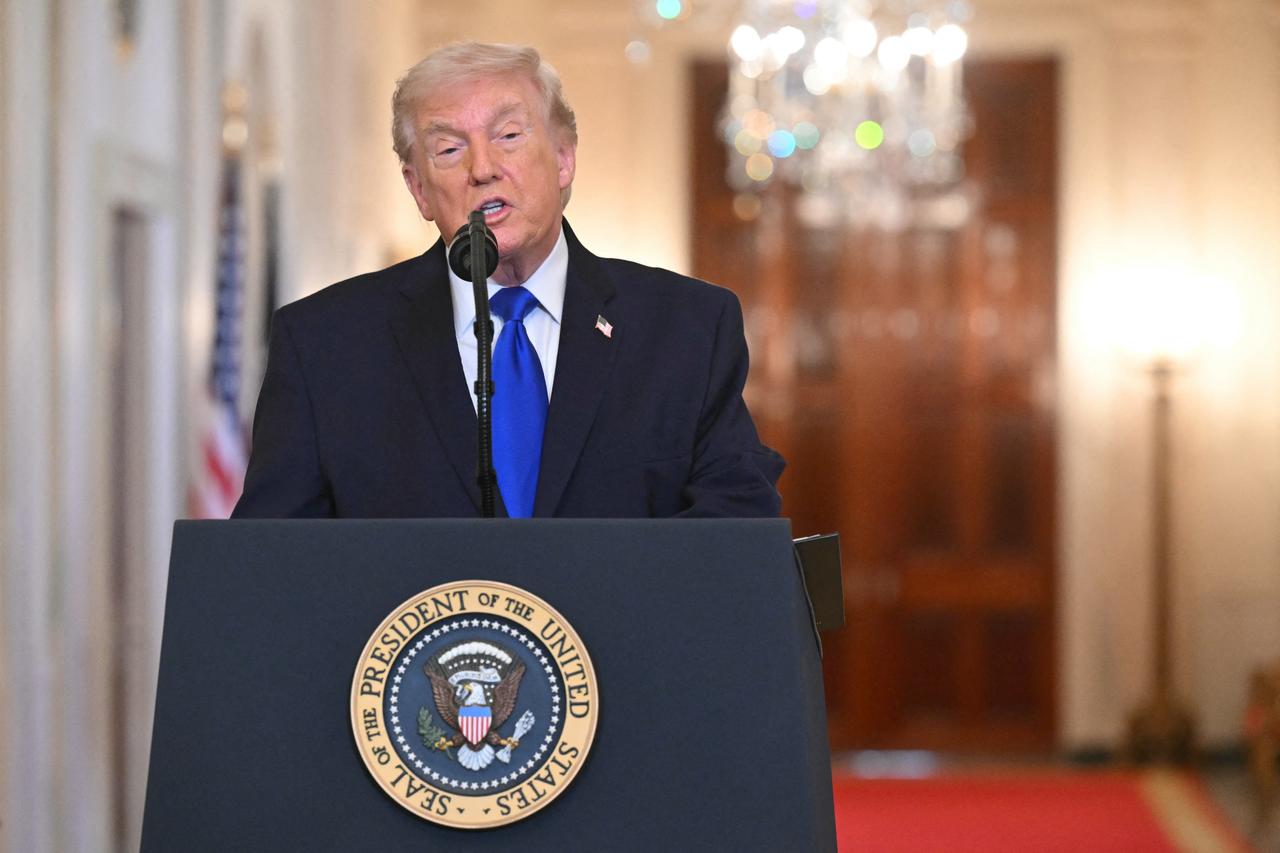
The developments come as arms control frameworks weaken, including the expiration of the New START treaty between the U.S. and Russia. U.S. President Donald Trump is expected to raise nuclear issues during a planned visit to Beijing.
Experts also say ongoing conflicts, including the U.S. and Israel’s war on Iran, may reinforce China’s determination to expand its arsenal.
Despite the possibility of dialogue, analysts suggest Beijing is unlikely to engage in meaningful arms reduction negotiations, even if it signals openness to broader discussions on strategic security.


 Set as preferred source
 Set as preferred source


 1 min read
 1 min read