Newsletters


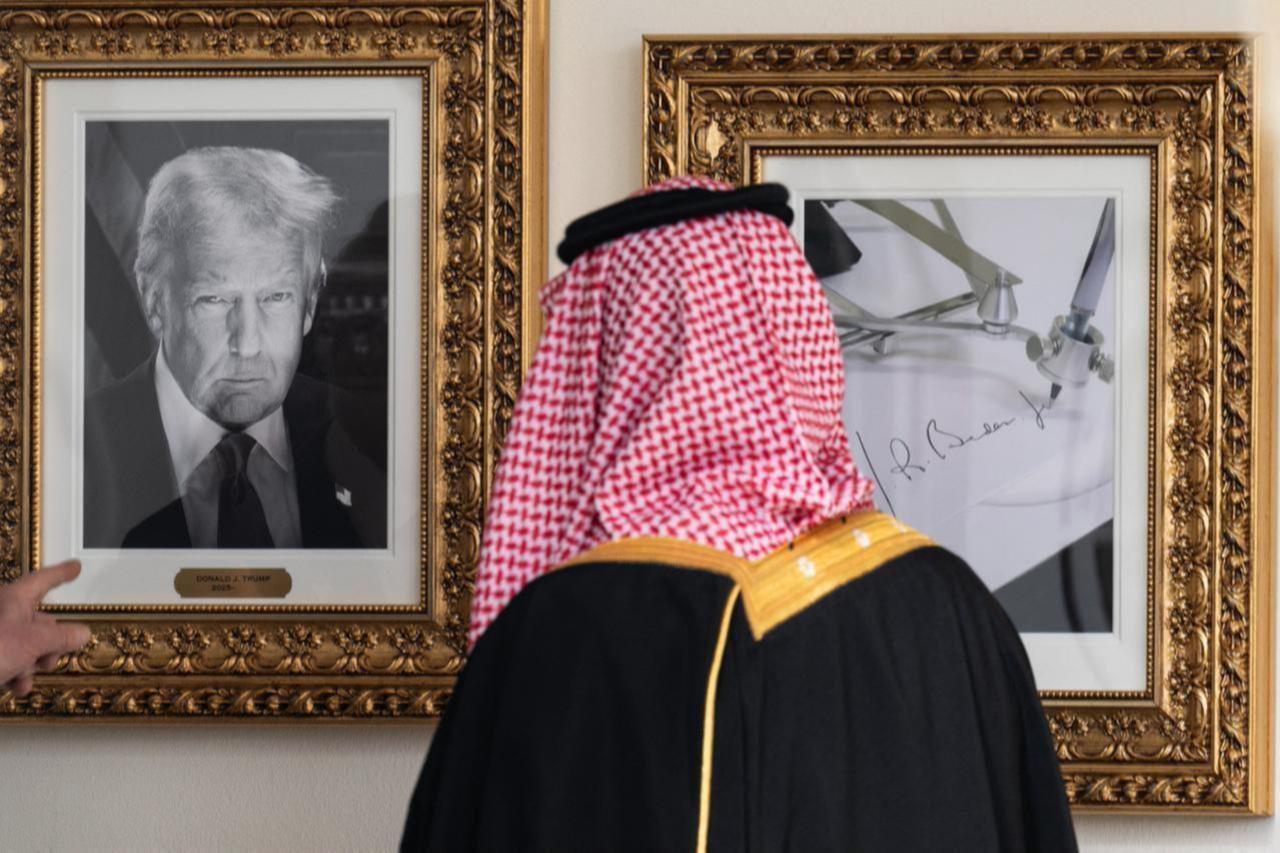


Saudi Arabia, Qatar and Oman led an urgent diplomatic campaign that persuaded US President Donald Trump to abandon plans for military strikes against Iran, senior officials said Thursday, as tensions over Tehran's violent suppression of mass protests threatened to spiral into regional conflict.
The three Gulf nations mounted what a senior Saudi official described as a "long, frantic, diplomatic last-minute effort" to convince Trump to step back from the brink, warning that an attack would trigger catastrophic consequences across the Middle East. The intervention came as the United States repositioned military personnel and issued security warnings at facilities throughout the Gulf, while Iran vowed retaliation against American targets in response to strike threats.
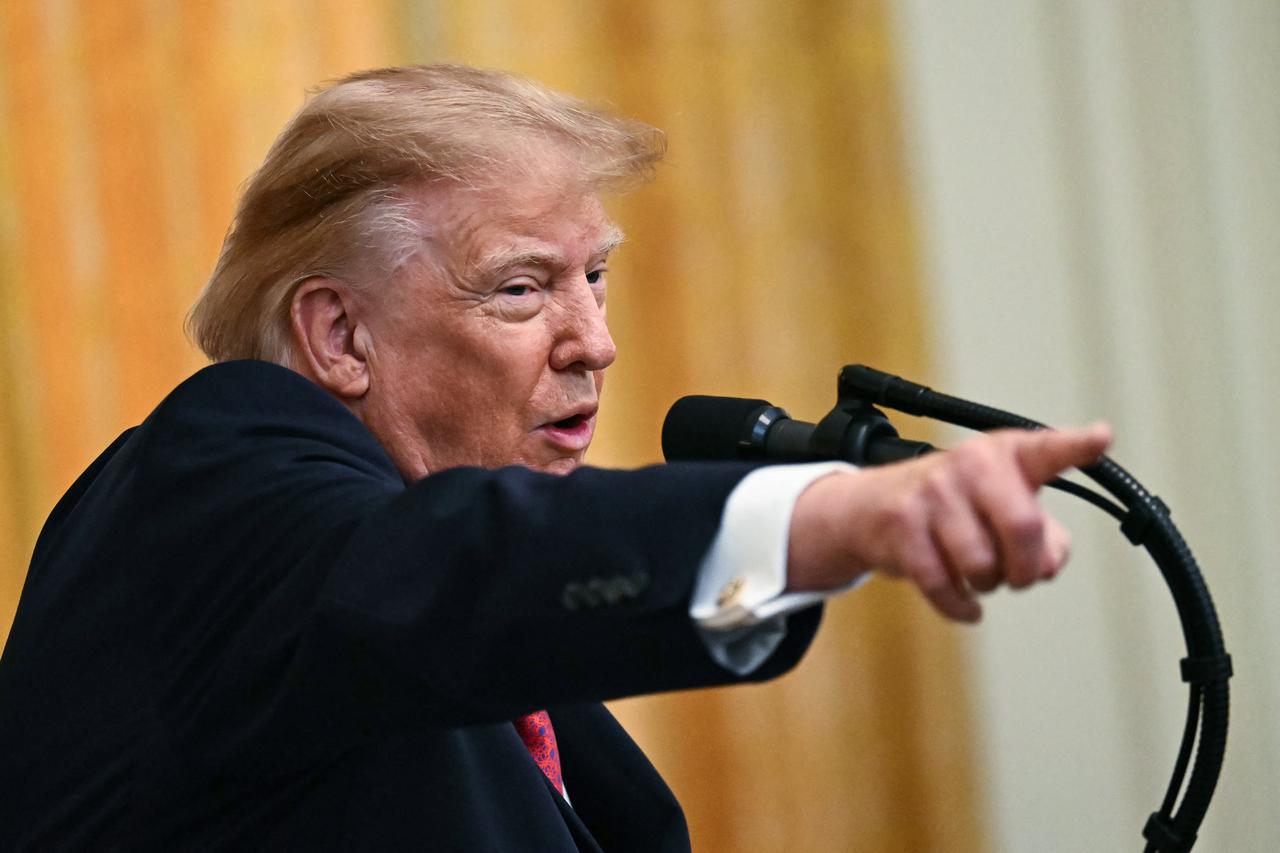
Trump reversed course Wednesday after receiving assurances from what he called "very important sources on the other side" that Iran would halt executions of protesters arrested during demonstrations that rights groups say have left more than 3,400 dead. The crisis had escalated over several days as the US president repeatedly threatened military intervention if Tehran proceeded with death sentences against demonstrators.
"We told Washington that an attack on Iran would open the way for a series of grave blowbacks in the region," the Saudi official told AFP on condition of anonymity. "It was a sleepless night to defuse more bombs in the region."

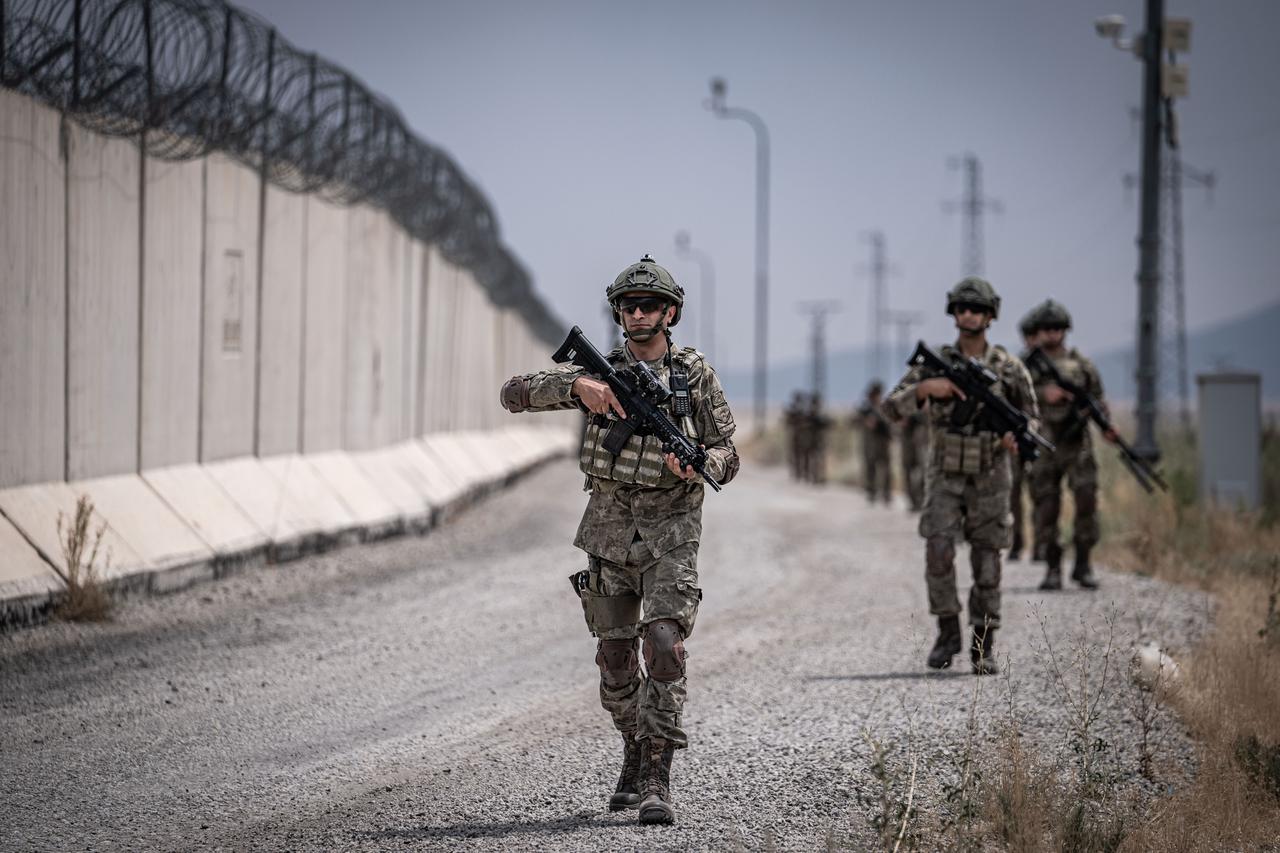
The diplomatic scramble unfolded as the United States moved some personnel out of a major military base in Qatar and warned staff at embassies in Saudi Arabia and Kuwait to exercise heightened caution. Multiple American military installations and assets positioned throughout the Gulf region made the area particularly vulnerable to Iranian retaliation, raising alarm among neighboring states about potential spillover from any US-Iran confrontation.
Saudi Arabia informed Tehran on Wednesday that it would not permit its airspace or territory to be used for attacks against Iran, according to two sources close to the kingdom's government. The message underscored Gulf states' determination to avoid being drawn into direct hostilities despite their traditional alliance with Washington.
A second Gulf official said regional powers conveyed a parallel warning to Iran that any strikes on American facilities in the Gulf would damage relations with countries in the region. Iranian Foreign Minister Abbas Araghchi and Saudi Arabian counterpart Faisal bin Farhan discussed the crisis Thursday, with Araghchi emphasizing the importance of condemning foreign interference while pledging Iran would defend itself against external threats.
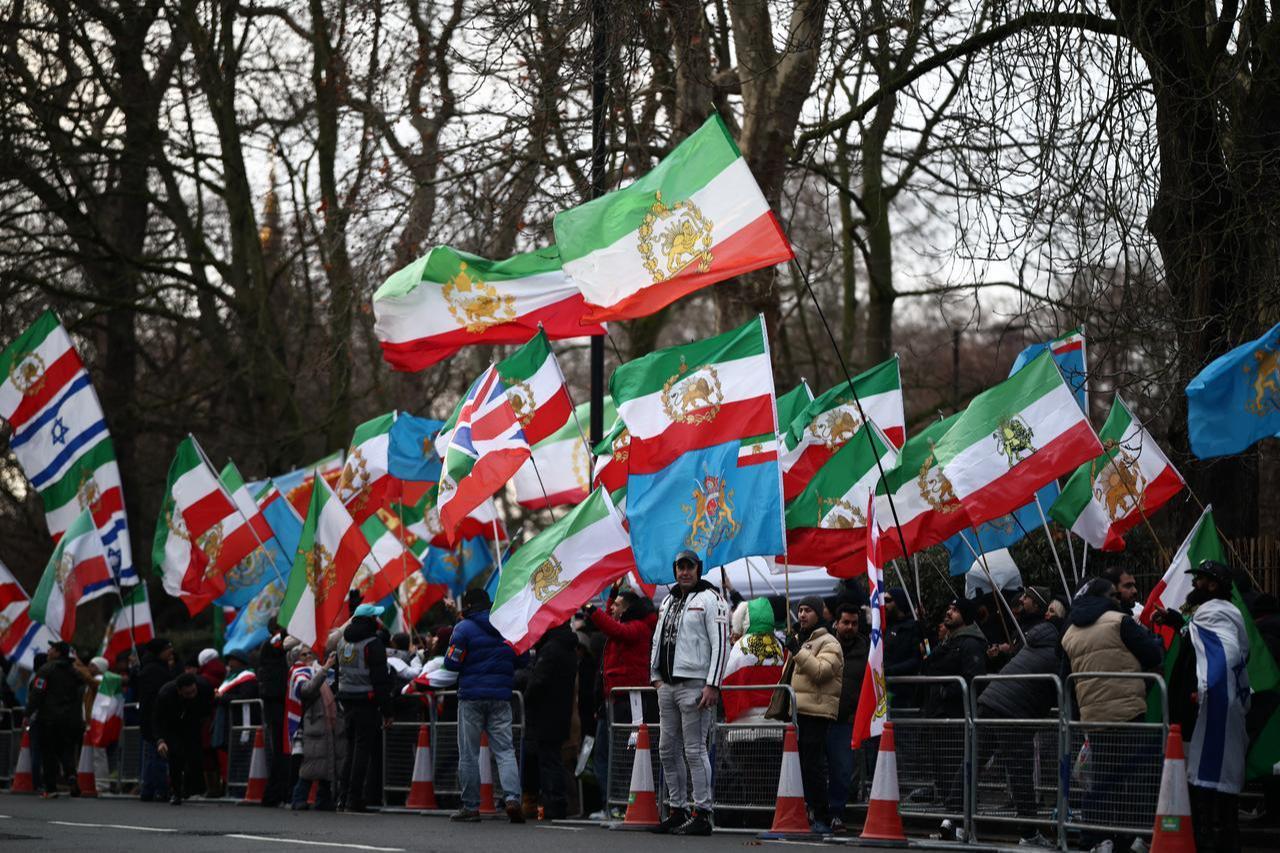
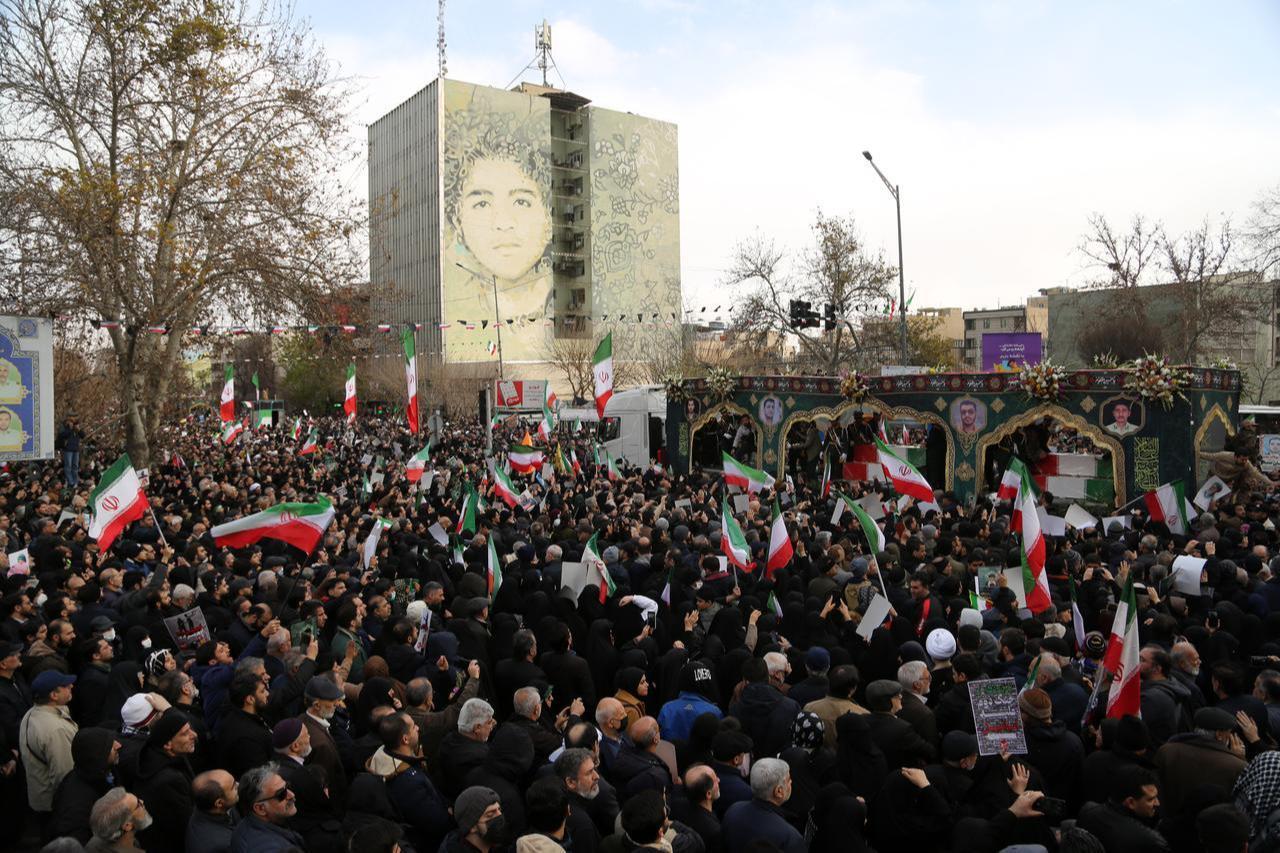
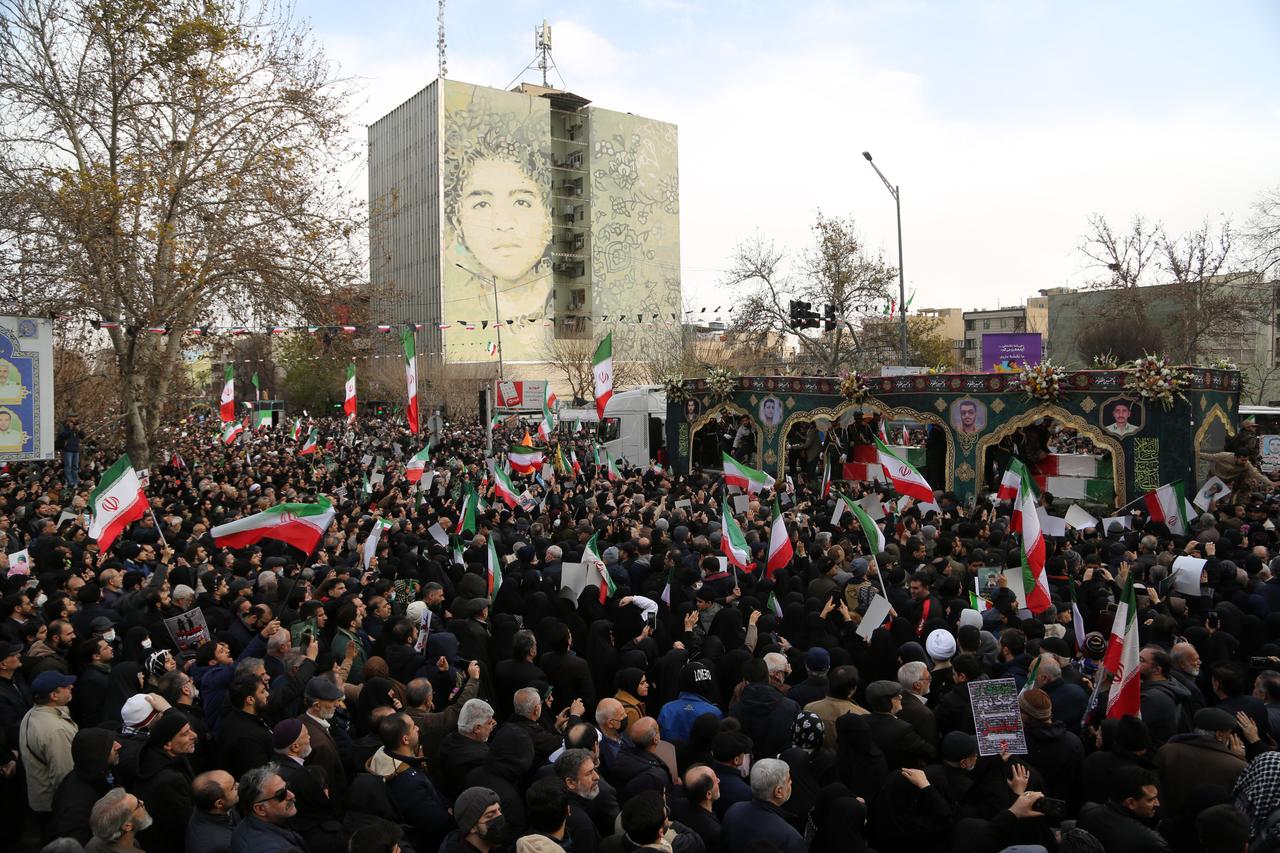
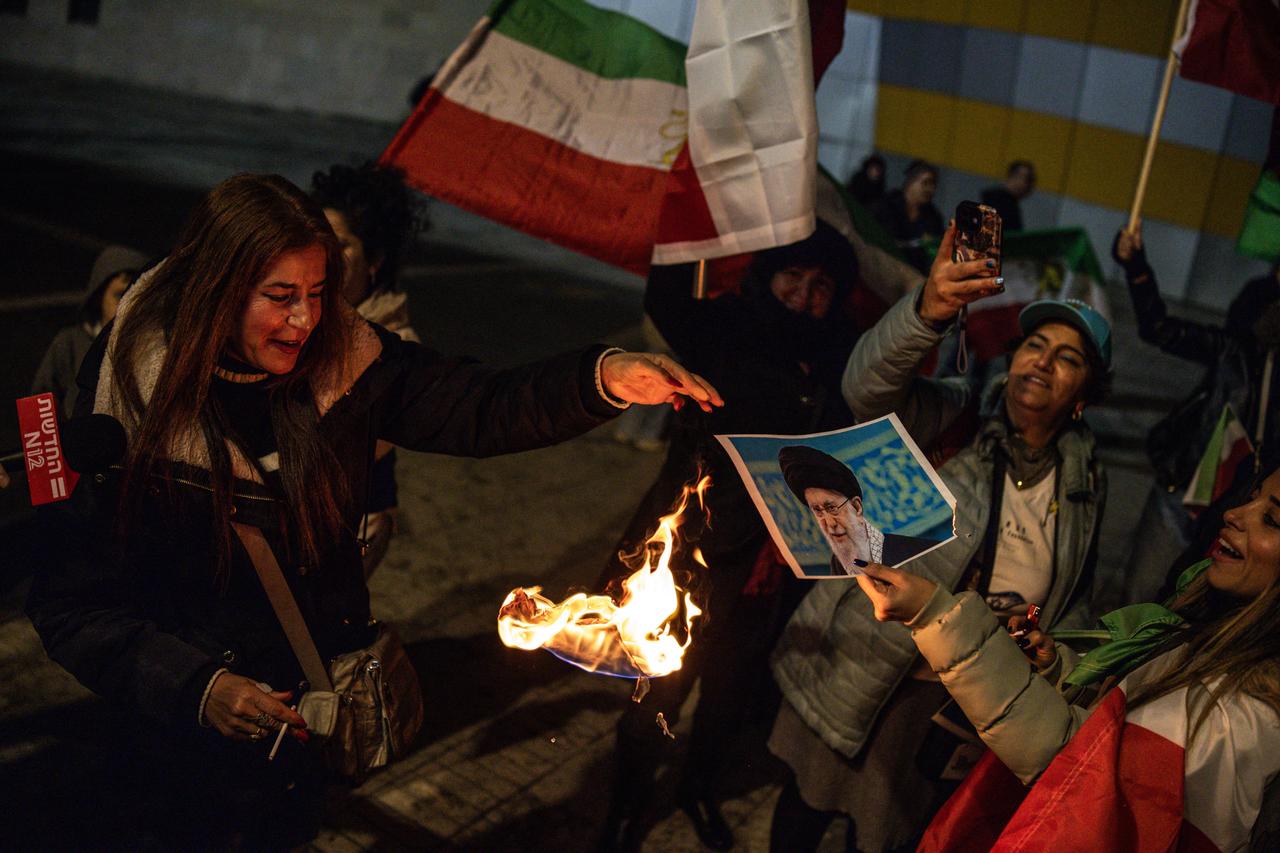
The diplomatic crisis emerged from Iran's crackdown on anti-government demonstrations that erupted last week in what became some of the largest protests since the 1979 Islamic Revolution. The Norway-based Iran Human Rights organization reported Wednesday that security forces had killed at least 3,428 protesters, warning the final death count would likely climb much higher.
Iranian authorities have denounced the demonstrators as rioters backed by Israel and the United States, promising swift justice that activists fear will result in mass executions. Trump had focused attention on Erfan Soltani, a 26-year-old protester imprisoned in Karaj outside Tehran who rights groups said faced imminent execution Wednesday.
The Iranian judiciary said Thursday that Soltani has not been sentenced to death and faces charges of propaganda against the Islamic system and acting against national security, crimes that carry prison terms rather than capital punishment under Iranian law. Araghchi told Fox News there would be "no hanging today or tomorrow," prompting Trump to post on Truth Social that the development represented "good news" and express hope it would continue.
Protests appeared to diminish in recent days following the nearly week-long internet blackout and intensified security response. The US-based Institute for the Study of War, which has tracked demonstration activity despite the communications shutdown, recorded no protests Wednesday but noted the government continues deploying repressive measures that impose significant costs on the regime.
Videos from the height of the unrest verified by AFP showed bodies wrapped in black bags lined up at the Kahrizak morgue south of Tehran as distraught relatives searched for loved ones. The Iranian Red Crescent reported Thursday that one staff member was killed and five wounded while on duty in northwestern Iran, though the aid organization did not specify circumstances surrounding the casualties.
Araghchi said the government maintains full control and described an atmosphere of calm after what he characterized as three days of terrorist operations. A UN Security Council meeting on Iran requested by the United States was scheduled for Thursday evening.


 Set as preferred source
 Set as preferred source


 1 min read
 1 min read