Newsletters




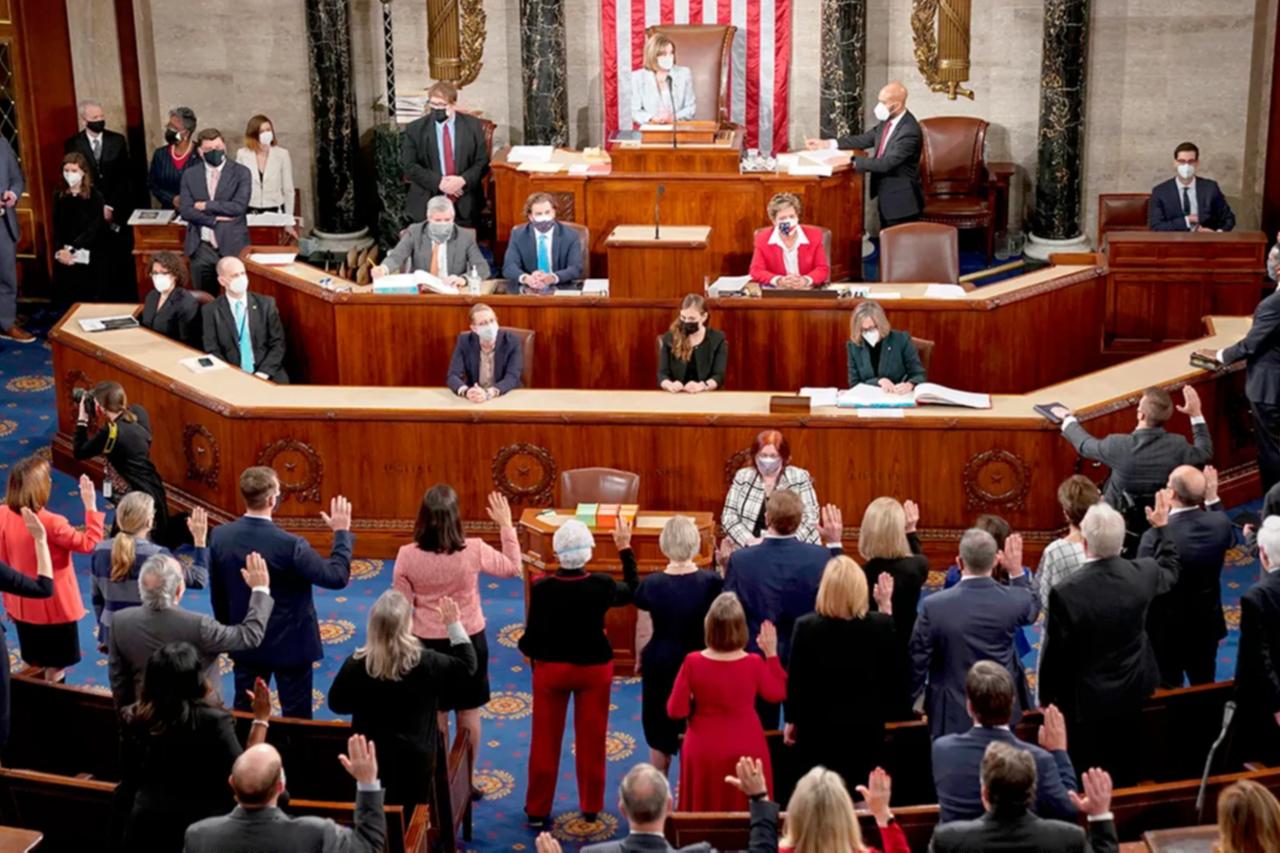
The US Senate voted 77-20 on Wednesday to dismantle sweeping sanctions imposed on Syria during its civil war, sending legislation to President Donald Trump that would permanently lift restrictions American officials now say are blocking the country's economic recovery.
The repeal of the 2019 Caesar Civilian Protection Act, tucked into Congress's sprawling 3,000-page annual defense authorization bill worth $900 billion, comes as a shift in Washington's approach to Damascus one year after rebels toppled longtime dictator Bashar al-Assad. The House of Representatives approved the measure last week, and Trump has 10 days to sign it into law.
The Caesar Act had authorized sanctions against anyone supporting Syria's military or conducting business with the government, particularly targeting the construction, engineering, energy and aviation sectors. Trump signed the bipartisan measure during his first term as punishment for Assad and his Russian and Iranian allies over a war that killed more than 500,000 Syrians across 14 years of conflict.
But Syrian officials, along with European and Middle Eastern allies, warned that lingering uncertainty over the sanctions' status was deterring the massive foreign investment needed to rebuild the shattered nation. The United Nations has estimated Syria requires more than $200 billion for reconstruction, including repairs to thousands of kilometers of damaged infrastructure, removal of unexploded ordnance, and delivery of food and medical supplies to its population.


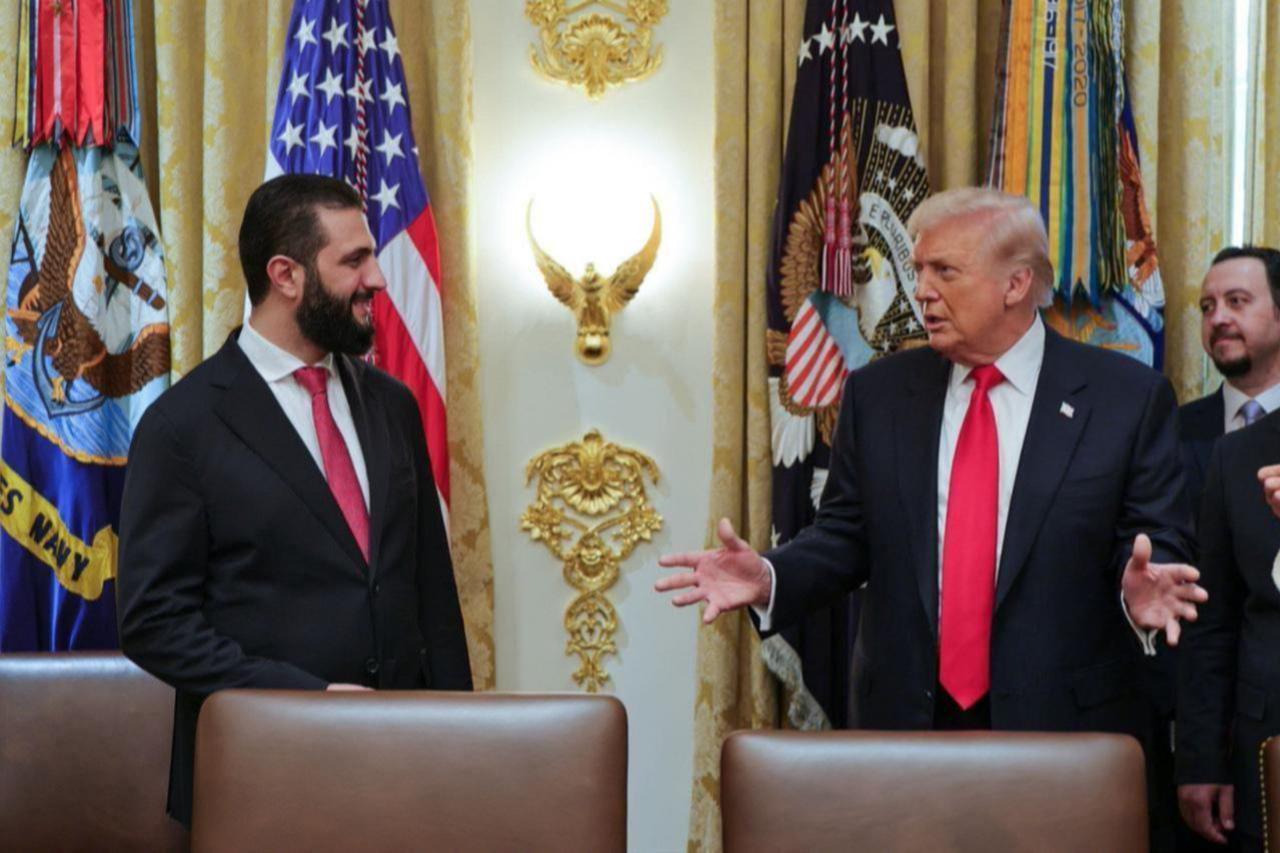
Trump had issued two six-month waivers suspending enforcement of the Caesar Act, including one last month following a historic White House visit by Syria's new president, Ahmed al-Sharaa. The administration in May pledged to lift all sanctions on the country. However, temporary relief measures failed to provide the certainty that major investors and international partners demanded before committing billions of dollars to long-term projects.
"Serious investors and partners will not commit billions under continued uncertainty, which is why Congress moved forward with full repeal," Senator Jeanne Shaheen, the New Hampshire Democrat who sponsored the repeal legislation, told the Financial Times.
Shaheen and Representative Joe Wilson, a South Carolina Republican who co-led the effort, argued in a Foreign Policy opinion piece published Tuesday that providing Syrians an opportunity to rebuild their economy would also prevent Iran from exploiting instability and reduce operational space for the Daesh group.
The Israeli government and several Republican lawmakers opposed the measure, contending that full sanctions removal would eliminate Washington's leverage over Sharaa. The Syrian president has impressed American and European officials with his unlikely transition to international statesman and stated commitment to building a united, peaceful and stable Syria.
However, Sharaa's nascent government faces severe challenges consolidating control amid sectarian violence, territorial disputes with powerful militias, Israeli military incursions, and ongoing operations against Daesh fighters in territory east of Damascus. The White House announced Saturday that Daesh militants killed three U.S. military personnel during a patrol in the central city of Palmyra.
Trump defended Sharaa as a "strong man" uninvolved in the attack, which occurred in an area the Syrian government does not fully control. Yet the president on Tuesday expanded a blanket ban on US entry to include Syrians, citing the country's lack of adequate central authority to issue passports and insufficient screening procedures.
The final legislation does not include automatic sanctions reimposition mechanisms that some Republican opponents had sought. Instead, it requires the president to report to Congress every six months for four years on the Syrian government's progress on security and governance issues, including steps to eliminate the Daesh threat and measures protecting ethnic and religious minorities.
The president may consider imposing targeted individual sanctions if Damascus fails to meet certification requirements for a full year, though such action remains discretionary rather than mandatory.


 Set as preferred source
 Set as preferred source


 1 min read


 1 min read