Newsletters


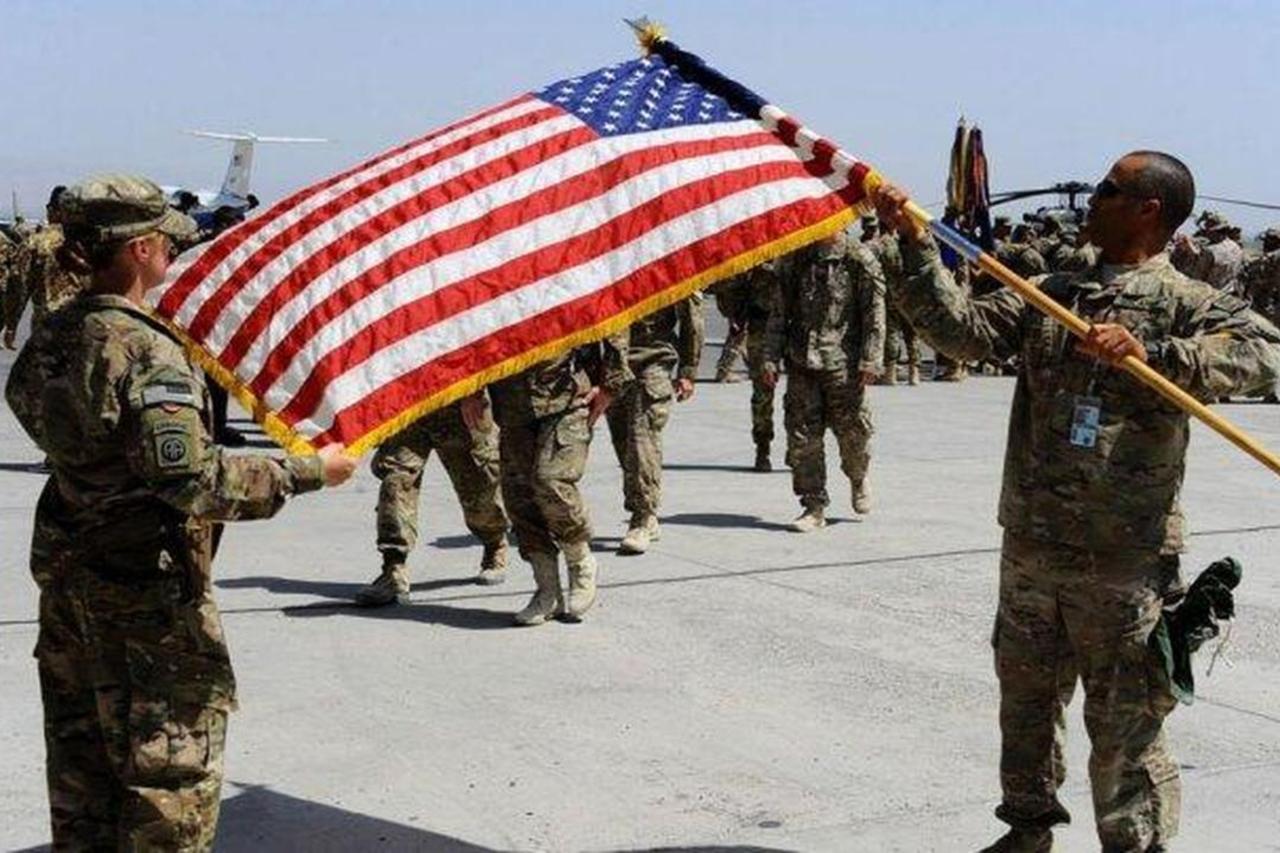


A seventh American service member has died in the war with Iran, the Pentagon announced Sunday, as the conflict's mounting human toll underscores the intensity of Tehran's retaliatory campaign and raises hard questions about how prepared Washington was for the fight it started.
The service member, whose identity is being withheld while the military notifies family, was seriously wounded on March 1 when Iran struck a Saudi military base where American forces were stationed, U.S. Central Command said.
The service member died from those injuries while being prepared for transfer to a U.S. military hospital in Germany for more advanced care, officials said.
The death came just a day after President Trump traveled to Dover Air Force Base in Delaware for one of the grimmest duties a commander in chief can perform: witnessing the return of fallen troops.
In a solemn ceremony Saturday, Trump stood as the remains of the first six Americans killed in the conflict arrived home, all Army Reservists who died when an Iranian drone struck Shuaiba port in Kuwait on March 2.
The six soldiers, all assigned to the 103rd Sustainment Command based in Des Moines, Iowa, were identified by the Pentagon as Maj. Jeffrey O'Brien, 45, of Indianola, Iowa; Capt. Cody Khork, 35, of Winter Haven, Florida; Chief Warrant Officer 3 Robert Marzan, 54, of Sacramento, California; Sgt. 1st Class Nicole Amor, 39, of White Bear Lake, Minnesota; Sgt. 1st Class Noah Tietjens, 42, of Bellevue, Nebraska; and Sgt. Declan Coady, 20, of West Des Moines, Iowa.
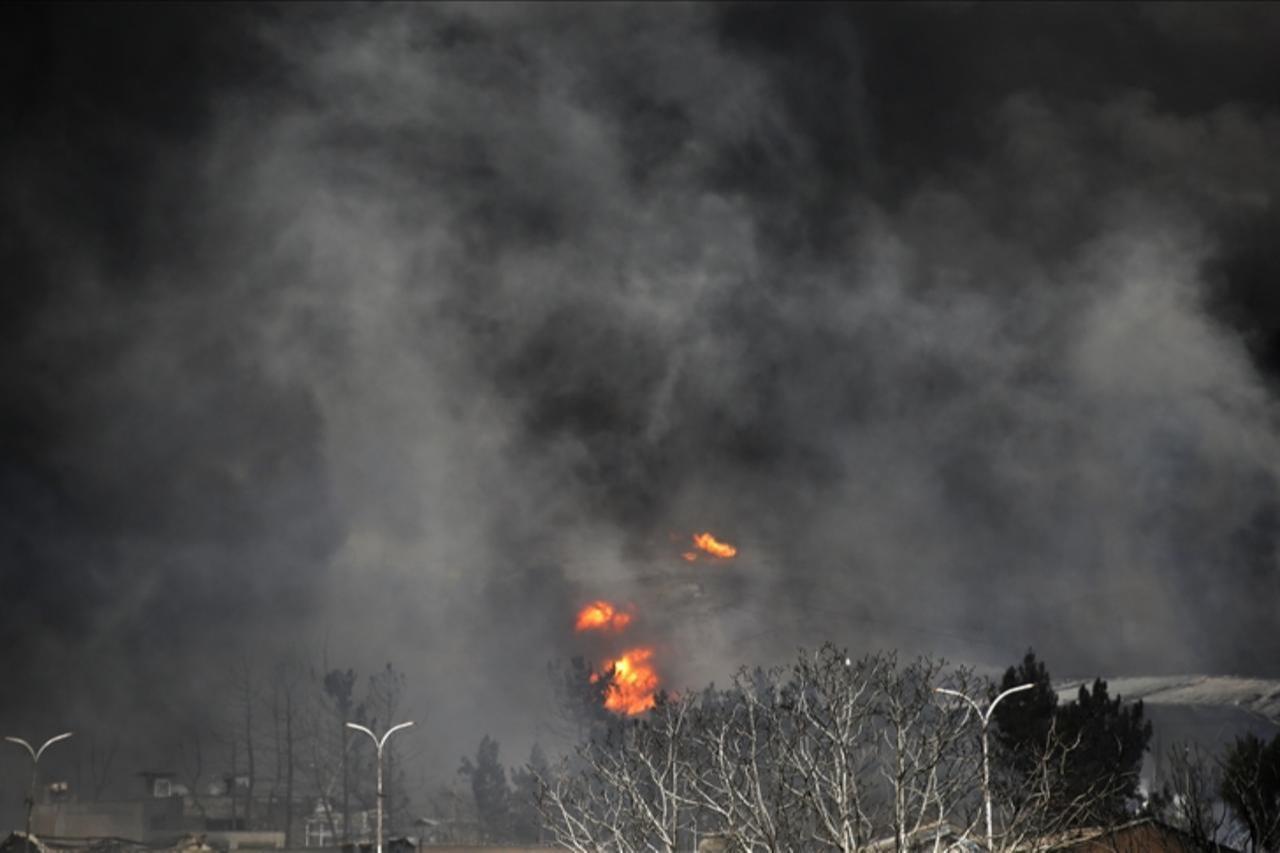

Since the war began on Feb. 28, when the United States and Israel launched joint strikes against Iran, Iranian retaliatory attacks have killed at least 20 people across multiple countries, including the seven American troops, as well as people killed in Israel and in other nations in the region. But it is Iran that has suffered the vast majority of casualties.
Earlier last week, the Red Crescent Society reported nearly 800 people had been killed in Iran, though it has not updated that figure in recent days. By Friday, Iran's ambassador to the United Nations put the death toll at over 1,300.
The war was launched with the stated goal of destroying Iran's missile capabilities, preventing it from obtaining a nuclear weapon, and ultimately achieving regime change. The opening strikes killed Iran's supreme leader, Ali Khamenei, along with other top officials, in Israeli attacks carried out with intelligence support from the CIA.
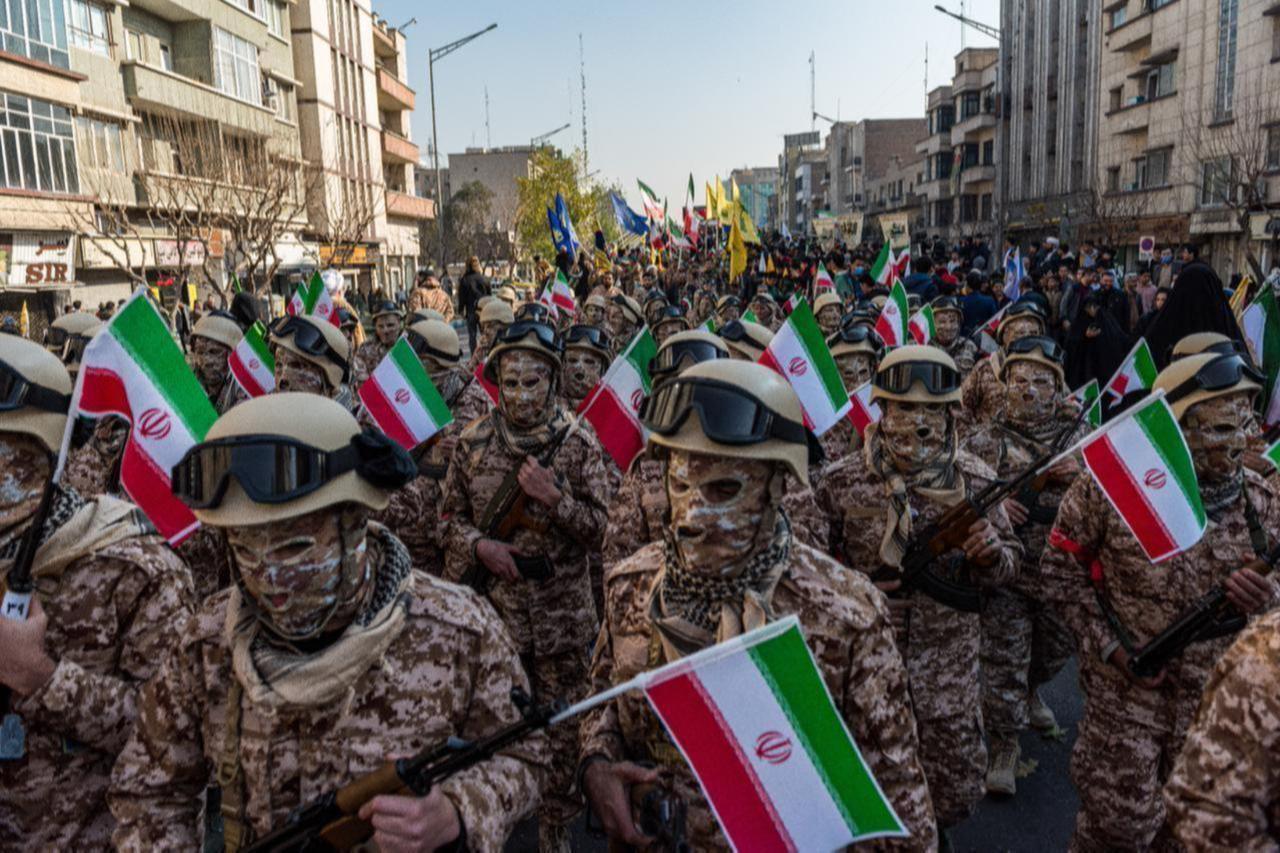
Yet even with its supreme leader dead and its command structure under sustained assault, Iran has continued to strike back in ways that U.S. military officials said caught the Trump administration off guard. For the United States, the grim toll in the first week of fighting signaled that Iran was more prepared for war than anticipated, those officials said.
The nature of Iran's response has also shifted in ways that complicate American force protection. In past confrontations, Tehran typically provided warning before launching retaliatory strikes and telegraphed which bases housing U.S. troops it intended to target, a pattern that allowed Washington to minimize casualties, as was the case during Iran's January 2020 missile strikes on Al Asad Airbase in Iraq.
But since the start of this war, Iran's attacks have been widespread and far less predictable, hitting targets across Saudi Arabia, Kuwait, Qatar, Bahrain, and the United Arab Emirates.
Trump and other administration officials said multiple times last week that they expect more U.S. casualties. At Saturday's dignified transfer, Trump called the fallen soldiers heroes "coming home in a different manner than they thought they'd be coming home," and pledged to keep American war deaths "to a minimum."
The conflict has already expanded well beyond the initial U.S.-Israeli strikes on Iran, drawing in Hezbollah, which launched missiles at Israel, and prompting retaliatory Israeli strikes in Lebanon. Gulf Arab states that host American forces have faced repeated waves of drones and missiles, transforming what the administration characterized as a targeted operation into a widening regional war now entering its second week with no clear path to resolution.


 Set as preferred source
 Set as preferred source


 1 min read
 1 min read