Newsletters


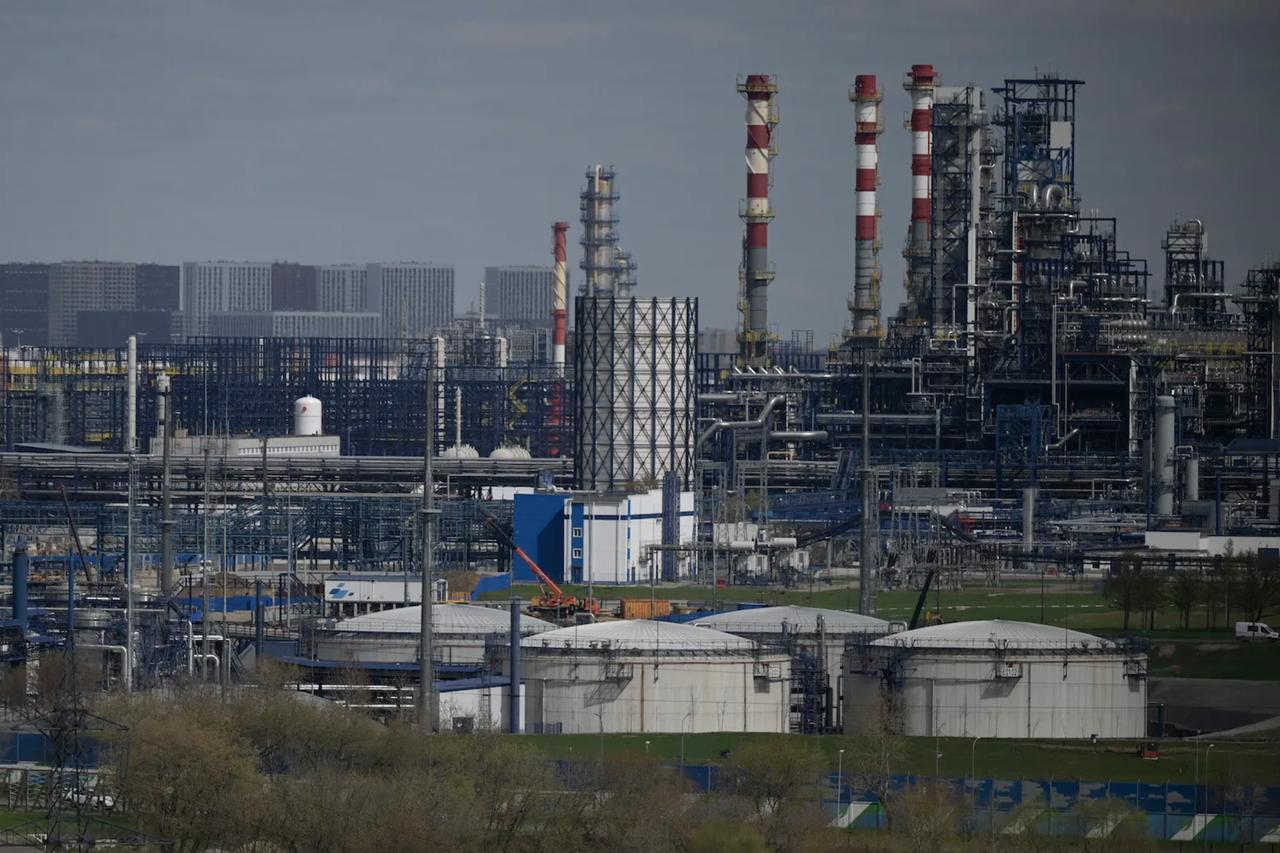


Russia has become Syria’s main oil supplier despite Damascus’ alignment with the West after the fall of Bashar al-Assad, according to Reuters reporting based on official announcements, ship-tracking data, analysts and Syrian officials.
Oil shipments from Russia to Syria have jumped 75% to about 60,000 barrels per day this year, Reuters reported, citing its calculations from official announcements and data from London Stock Exchange Group (LSEG), MarineTraffic and Shipnext.
The Russian volumes represent a small share of Moscow’s global daily oil exports, but they have become critical for Syria, where domestic production remains far below demand.
Russia has become Syria’s dominant crude supplier after Assad’s fall in December 2024, replacing Iran, which was a key ally of the ousted leader during Syria’s 14-year civil war.
The shift underscores Syria’s limited options. Although the new government has emerged from the war with a West-leaning orientation, the Syrian economy remains weakly integrated into the global financial system, even after Europe and Washington ended decades of sanctions on the country last year.
Two analysts and three Syrian officials said the trade reflects economic necessity for Damascus and gives Moscow influence in a country where it still retains two naval and air bases.
The officials, who spoke on condition of anonymity to discuss sensitive matters, said the relationship with Russia could strain ties with the European Union and Washington, but Damascus currently has few alternatives.
Syrian economist Karam Shaar said the oil trade could leave Syria’s energy sector vulnerable if Western sanctions are renewed.
“If the United States were to fail to reach an agreement or settlement with Russia regarding Ukraine, it wouldn’t be a surprise if it told Syria overnight to stop buying these oil shipments,” Shaar said.
He added that Syria’s government was aware of the risks and was looking for alternative suppliers.
An official at the state-run Syrian Petroleum Company said Damascus was trying to diversify suppliers and had so far unsuccessfully sought an oil deal with Türkiye, which is close to the Sharaa government.
A Syrian energy ministry official said Syria’s reliance on Russian oil also reflects the country’s limited market size and weak purchasing power, which make it difficult to secure long-term contracts with other major producers, including Gulf countries.
The Central Bank of Syria only reactivated its account at the Federal Reserve Bank of New York in March, creating opportunities for wider banking communications with the global financial system for the first time since 2011.

Russia was the first country to send a tanker to Syria after Assad fell.
It supplied 16.8 million barrels in 2025, or about 46,000 barrels per day, through 19 cargoes shipped between Feb. 28 and Dec. 31, according to Kpler data and one Syrian official cited by Reuters.
That volume has risen to an estimated 60,000 barrels per day this year, according to Reuters calculations.
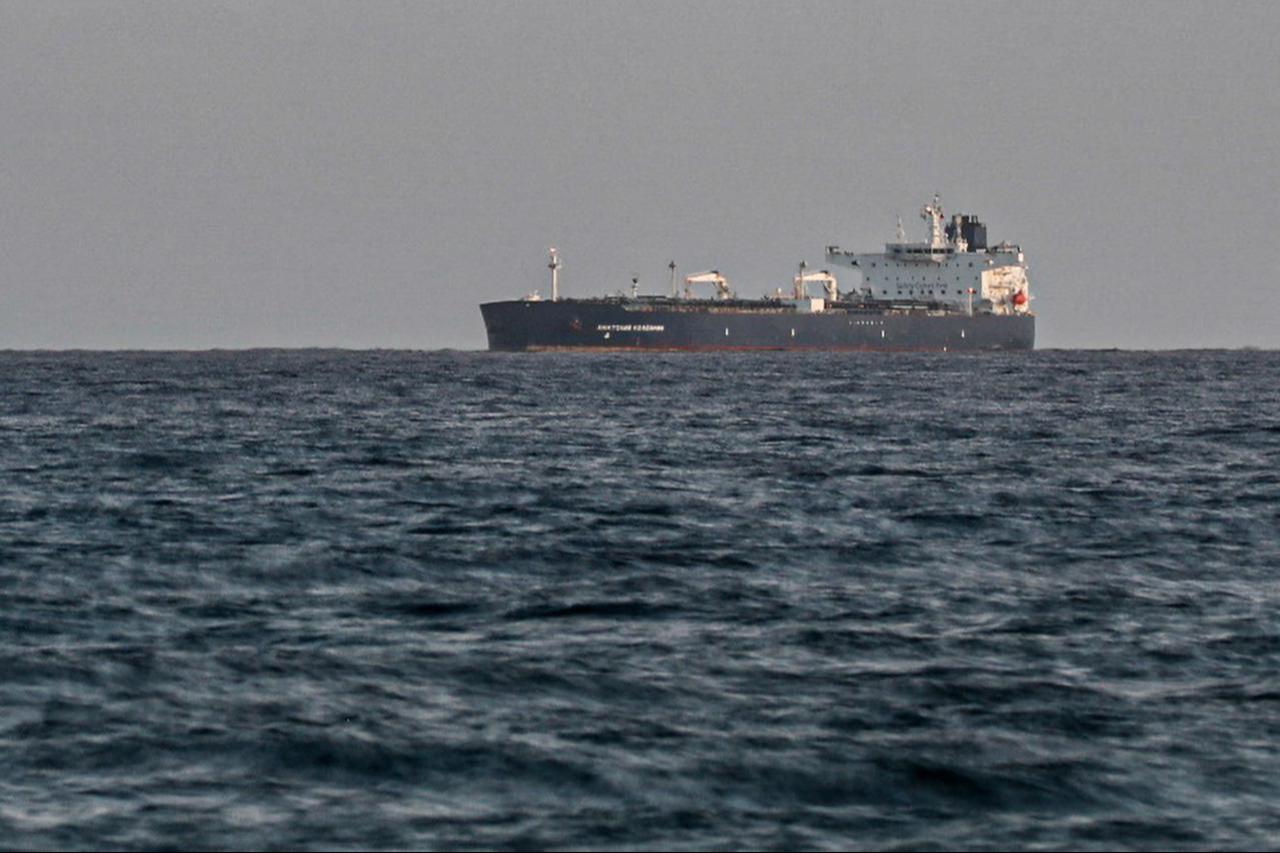
Reuters tracked 21 vessels arriving at Syrian ports from Russia on an almost weekly basis. All the vessels are currently under Western sanctions.
The increase marks a sharp break from previous years. Until 2025, Iran was Syria’s dominant crude supplier, while Russia’s role had been limited to occasional diesel shipments.
Kpler data showed that all crude imports in 2024, totaling about 22.2 million barrels, came from Iran, which halted supplies after Assad’s fall.
Despite the government regaining control of oil fields in eastern Syria, domestic production remains limited.
The country’s largest field, al-Omar in Deir el-Zour, produces about 5,000 barrels per day. Total domestic output stood at roughly 35,000 barrels per day in 2025, far below the pre-war level of 350,000 barrels per day.
Syria’s daily oil and fuel needs are estimated at between 120,000 and 150,000 barrels, according to Syrian Petroleum Company and energy ministry officials.
Additional volumes, estimated by officials at around 50,000 barrels per day, are smuggled from neighboring Lebanon, which imports oil from several sources, including Türkiye, Saudi Arabia and Russia.
Russian shipments cover a gap of about one-third of domestic demand.
An official at the Syrian Company for Oil Transport, familiar with the contracts, said the deals were booked before the Iran war price shock and were bought at a discount to benchmark Brent crude prices.
Syrian authorities announce the arrival of oil shipments in state media but do not disclose their origin.
Reuters reported that this appears to reflect recognition that Russia is unpopular domestically because of its military support for the Assad government.
The only delivery publicly identified by the government was from Saudi Arabia in November, which Damascus described as a grant.
Syrian officials acknowledge that the fate of Russian bases often appears in talks between Damascus and Western capitals.
“Syria should do the right thing and what the majority of Syrians support and kick them out,” U.S. Republican Congressman Joe Wilson said of the bases in a post on X in April.
At Syria’s Mediterranean terminals, the trade is handled by a rotating fleet tied to Russia’s network of sanctioned or high-risk tankers, according to LSEG data.
The vessels operate under several flags, including Panama, Liberia, the Marshall Islands, Comoros, Madagascar, Oman and Russia.
Maritime analytics firm SynMax said financial constraints, commercial risks and years of conflict limit Syria’s access to conventional tanker operators, leaving Russian-linked networks among the most viable options.
“These shipping networks could present reputational challenges for Syria as it seeks to re-establish commercial credibility,” SynMax said in a statement.
However, it added that “a transition toward conventional international supply chains is unlikely to occur immediately.”
Part of the supply chain involves ship-to-ship transfers, often carried out near Greece, Cyprus or Egypt, according to SynMax analysis.
Such transfers, involving oil moved at sea rather than unloaded directly in port, are often used to reduce transport costs or evade sanctions by obscuring the origin and ownership of cargo.
“The ship-to-ship operations indicate that the United States is not totally turning a blind eye to these activities, and that the Syrian and Russian authorities are at least trying to conceal some of these shipments,” Shaar said.
On a short voyage from Cyprus, the Comoros-flagged Albarraq Z, sanctioned by the U.S. in January for alleged ties to Iran-backed Houthi networks, appeared to take on oil through three transfers at sea with ships that had left Russian ports, before anchoring off Syria’s Tartous, according to SynMax.
Draft changes from 11.9 meters to 7 meters suggested cargo discharge, SynMax said. Reuters could not establish the purpose of the transfers.
Some vessels are tied to Iranian-linked trading networks also used by Russia.
The Guinea-flagged Aether and Madagascar-flagged Briont were sanctioned by the U.S. Treasury in 2025 for links to a network associated with Hossein Shamkhani, the son of a top adviser to the former Iranian supreme leader.
SynMax found both vessels showing irregular tracking behavior. Aether transmitted intermittently in early January, while Briont broadcast under another vessel’s identity from mid-January, even as their routes pointed to deliveries from Novorossiysk to Syria.
Reuters could not establish the reason for the intermittent location data.
One source said Syria has used such transfers partly because these are the logistics networks officials are familiar with after years of exclusion from normal shipping networks.
Other ships unloading in Syria appear more directly linked to Russian logistics.
The Oman-flagged Carma and Lynx are owned by a UAE-based company linked to Russia’s state shipping giant Sovcomflot, according to separate analyses by intelligence firms Lloyd’s List and Kharon.
The Comoros-flagged Grinch, detained by France in February, has been sanctioned by the U.S. and EU since last year for links to Russia’s fleet exporting oil from Murmansk.
Reuters said it could not independently verify the ownership of the vessels.
Neither the Syrian nor Russian energy ministries responded to requests for comment, according to Reuters.
The U.S. State Department declined to comment on Syria’s oil trade with Russia. Syria’s Ministry of Information, which handles media requests on behalf of Sharaa’s office, also did not respond.
In response to the war in Iran, the U.S. Treasury has issued temporary waivers for countries to buy sanctioned Russian oil and petroleum products already at sea.
Noam Raydan, a maritime risk and energy analyst at the Washington Institute, warned that the issue was not only about Syria receiving and paying for oil.
“The question is: who are the sanctioned actors actually benefiting from this trade?” she told Reuters.


 Set as preferred source
 Set as preferred source


 2 min read
 1 min read