Sign in
 Newsletters


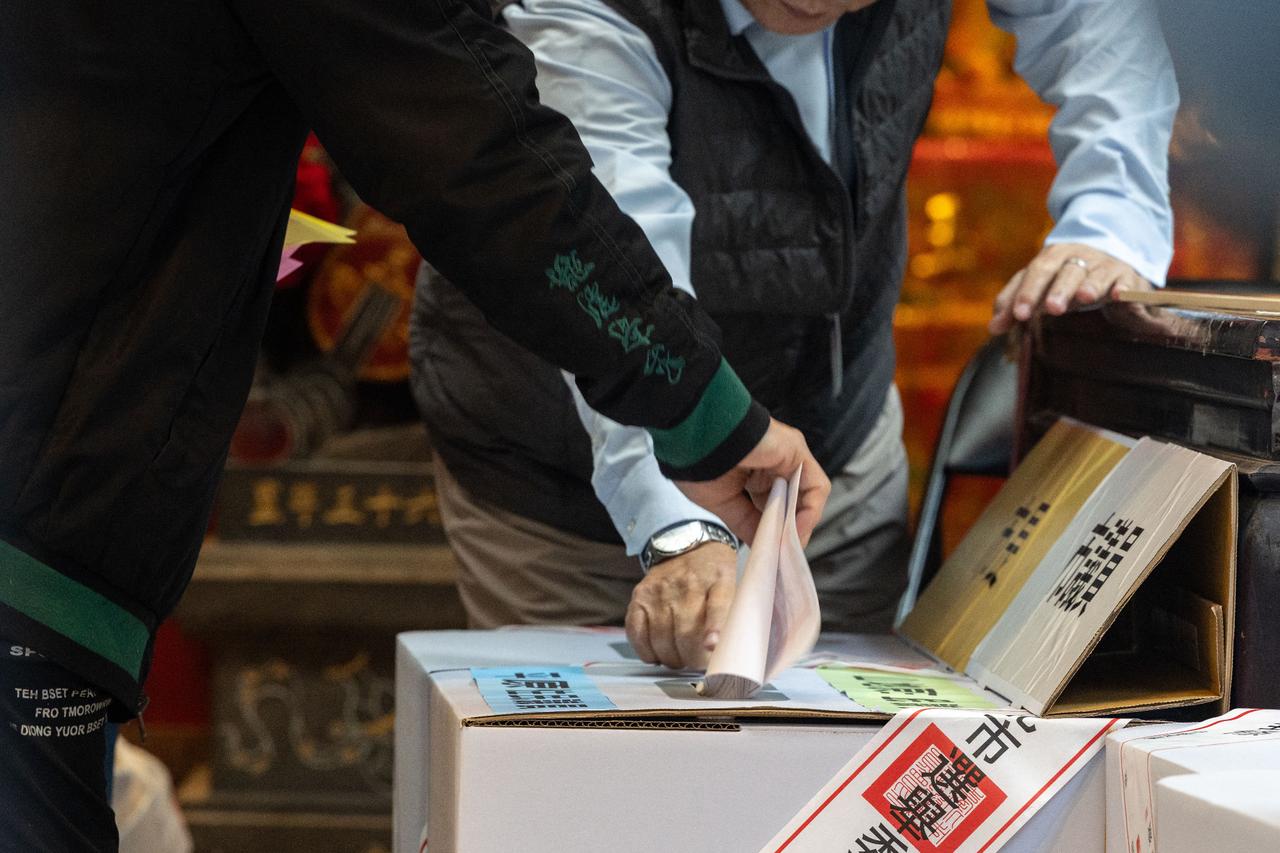


Taiwanese voters headed to the polls Saturday to elect more than 11,000 local officials and decide whether to reverse the island's nuclear-free energy policy, with a closely contested Taipei mayoral race drawing attention ahead of the 2028 presidential and legislative elections.
Voting began at 8 a.m. local time (12 a.m. GMT) and runs until 4 p.m. (8 a.m. GMT), with counting expected to finish by midnight, Taiwan's Central Election Commission said.
Known as the "nine-in-one" elections, the polls will fill 11,051 positions across six special municipalities and 16 counties and cities, including mayors, magistrates and village chiefs.

In Taipei, Democratic Progressive Party (DPP) candidate Puma Shen is challenging incumbent Mayor Chiang Wan-an of the opposition Kuomintang (KMT), which favors closer ties with Beijing.
Shen, a lawmaker, former academic and civil defense activist, hopes to become Taipei's first DPP mayor in nearly 30 years.
Initially considered an underdog, Shen gained support through social media and campaigning, generating a movement known as "Ocean Current."
He is wanted by Chinese authorities over alleged separatist activities and barred from entering China.
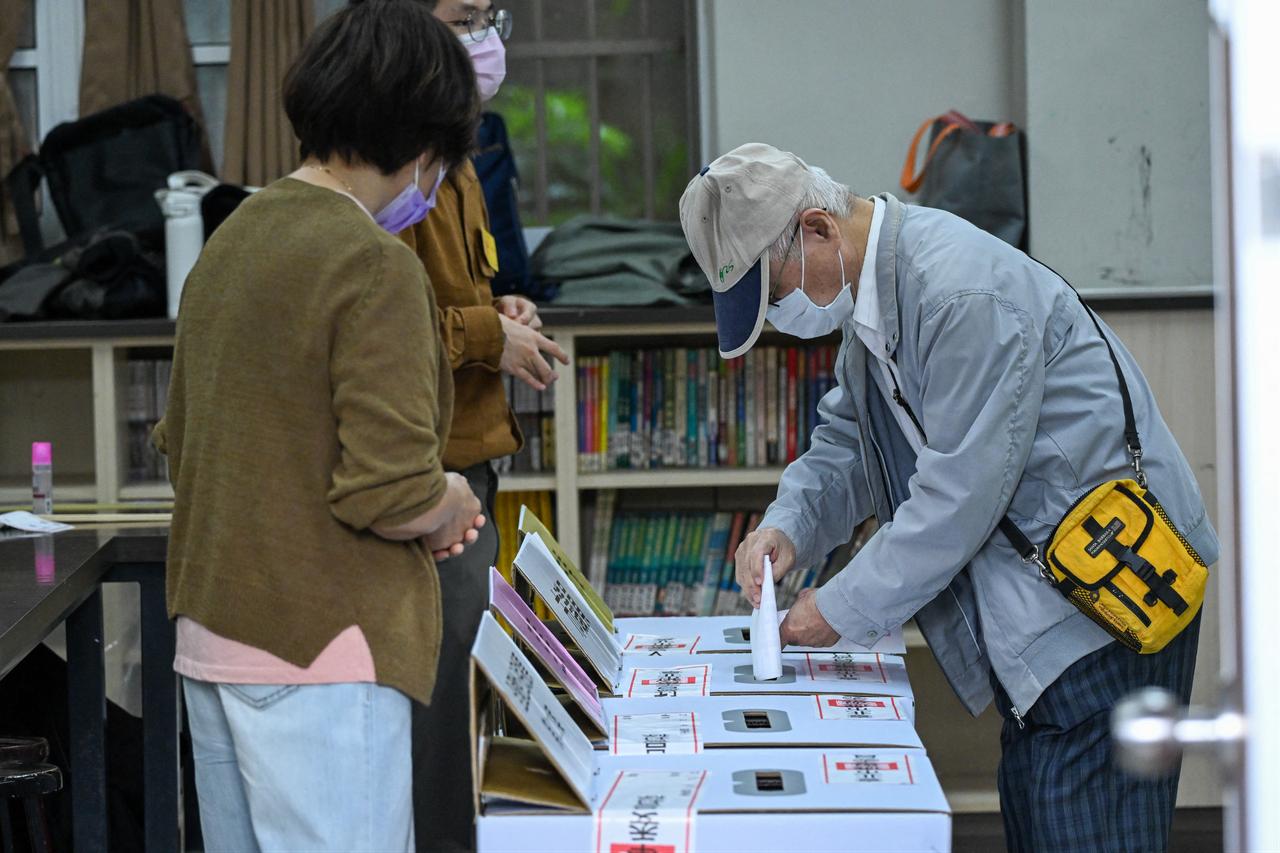
Voters expressed differing views to AFP, with Shen supporter Michelle Wang, 48, describing him as trustworthy, while Chiang supporter Chen Sung-sung, 82, praised the incumbent as "honest and decent."
Political analyst Liu Jia-wei of National Taipei University described the contest as a "very tight race," saying young and undecided voters could determine the outcome.
Another competitive mayoral election is underway in New Taipei, Taiwan's largest city and a traditional KMT stronghold.
The KMT is defending 14 city and county leadership positions won in 2022, while President Lai Ching-te's DPP aims to improve on its five seats.
Candidates have focused on transportation, childcare, urban renewal and other local concerns.
Taiwanese authorities have accused China of attempting to influence the elections through "cognitive warfare" and "transnational repression."
Beijing claims Taiwan as its territory and has threatened to use force to bring the island under its control.
University of Nevada political scientist Austin Wang told AFP that a Shen victory in Taipei could be viewed as an embarrassment for Beijing.
However, analysts cautioned that local elections have historically been unreliable predictors of presidential election outcomes.
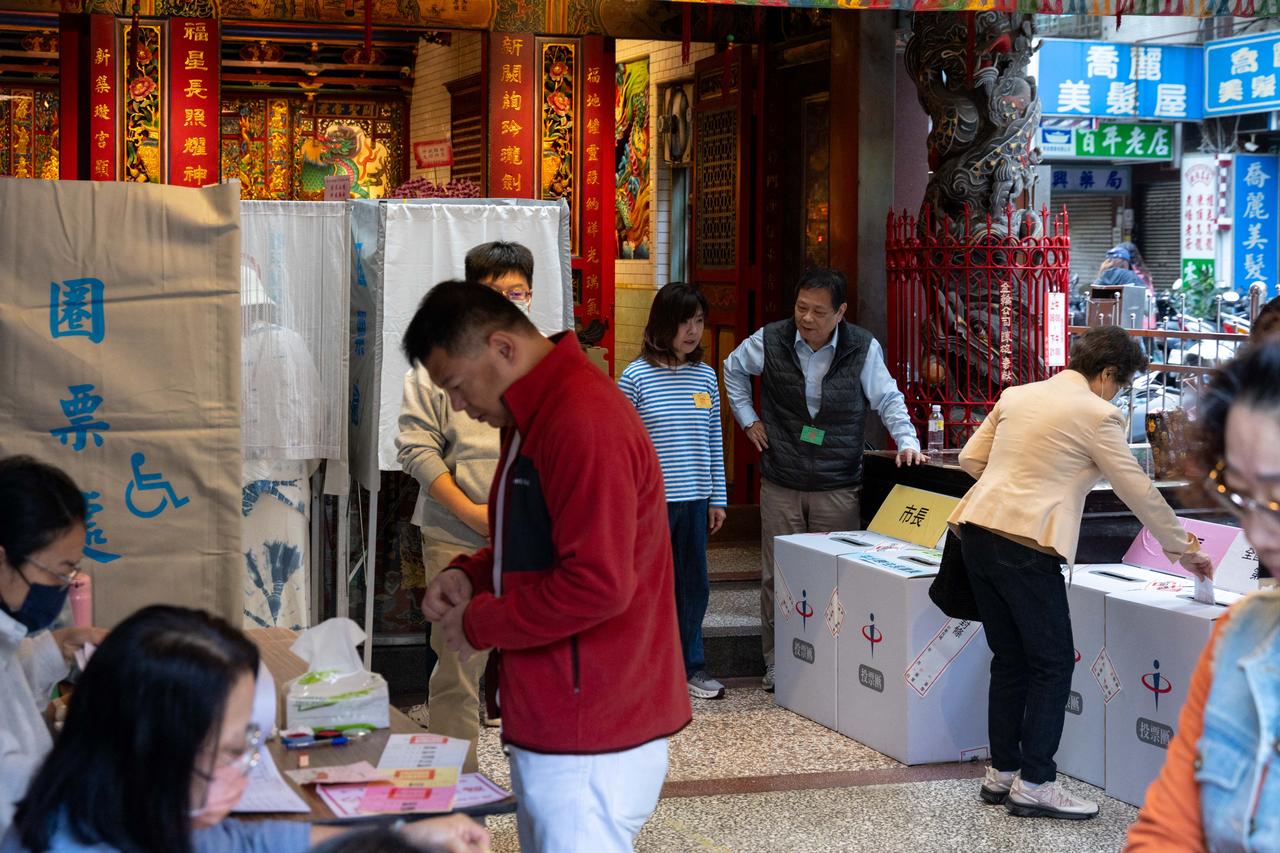
Voters are also deciding whether to reverse Taiwan's nuclear-free energy policy in a referendum initiated by the KMT and supported by the smaller opposition Taiwan People's Party (TPP).
The legislature approved the referendum proposal in a 59-51 vote in August.
Taiwan ended nuclear electricity generation in May 2025 after shutting down the last operating reactor at the Maanshan Nuclear Power Plant, completing a phaseout pursued by the governing DPP since 2016.
Nearly 19.6 million people are eligible to vote in the local elections, while more than 20 million can participate in the referendum.
At least 5 million affirmative votes are required for the referendum to pass.


 Set as preferred source
 Set as preferred source


 1 min read
 1 min read