Newsletters


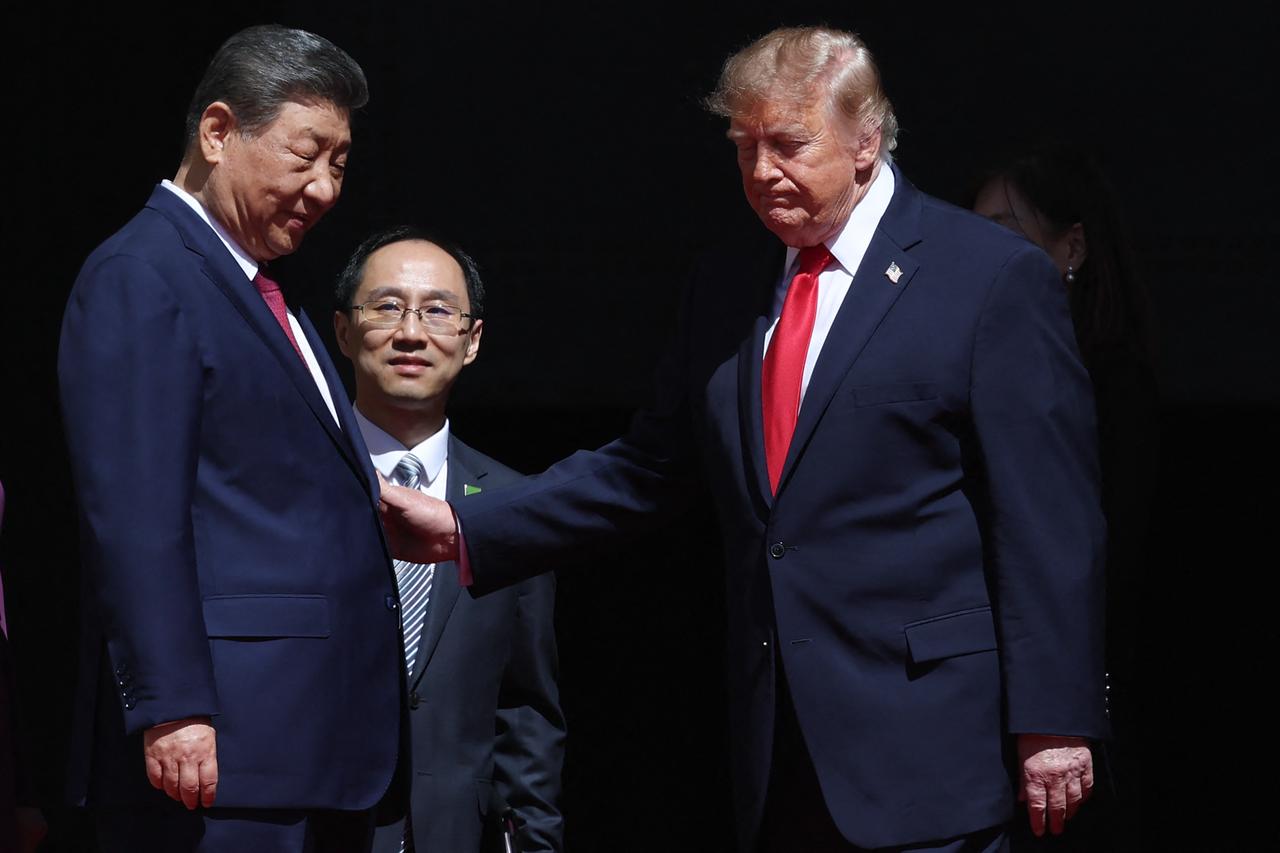


U.S. officials increasingly believe China is unlikely to invade Taiwan before 2028, despite President Xi Jinping’s longstanding goal for the Chinese military to be capable of taking the island by force by 2027 if ordered to do so, according to a Reuters report on Thursday.
The assessment marks a shift in Washington’s view of the timeline surrounding one of the world’s most closely watched potential military flashpoints, according to two current U.S. officials, a former U.S. official and another person familiar with the matter cited by Reuters.
The people pointed to delays in China’s military readiness linked to Xi’s sweeping anti-corruption campaign as one factor.
Beijing is also expected to closely watch Taiwan’s 2028 presidential election, with some Chinese officials hoping the vote could produce a government more open to closer relations with the mainland.
The risk of force could rise from 2028 onward if Taiwan’s ruling Democratic Progressive Party wins a fourth consecutive presidential term, particularly if President Lai Ching-te secures reelection, according to the report.
One U.S. official described such a scenario as potentially becoming “pretty sporty” in 2028.
Lai and the DPP emphasize Taiwan’s separate identity, while Beijing considers the democratically governed island part of Chinese territory and has not ruled out the use of force to bring it under its control.
Taiwan rejects Beijing’s sovereignty claims and says its people should determine their own future.
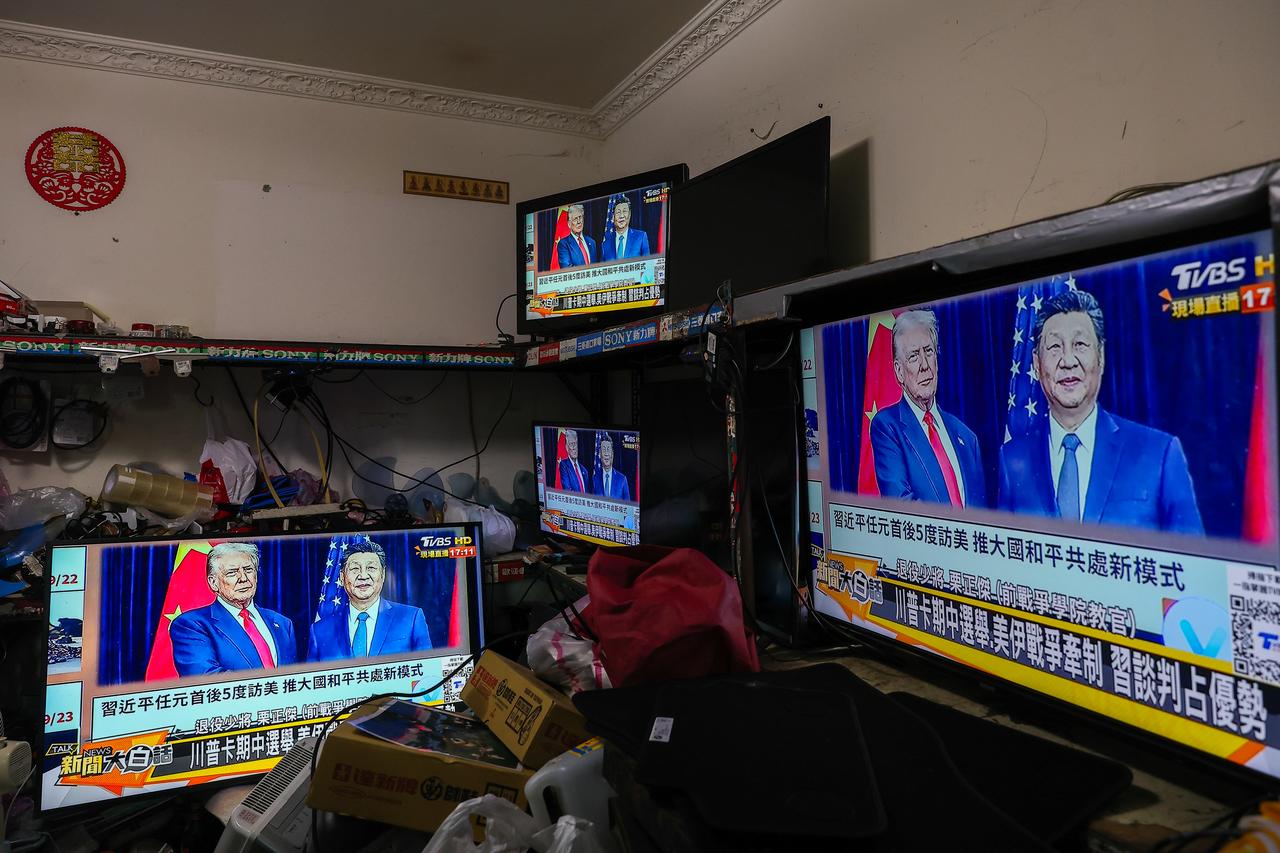

The report comes after U.S. Ambassador to China David Perdue said late September that U.S. policy toward Taiwan remained consistent following high-level bilateral talks in Washington.
“Our support for that has not changed,” Perdue told Fox News, referring to Washington’s one-China policy.
“We do not support independence, and we do not support coercion,” he added.
Perdue rejected suggestions that Washington was failing to provide adequate defensive backing for Taiwan, calling U.S. President Donald Trump “as strong on Taiwan as I have ever seen anybody.”
He said Trump had authorized 50% more arms transfers to Taipei than any president since 1979, including a previously approved $11 billion package, while discussions on further defense shipments continued.
Perdue said Trump and Xi discuss the issue “every time they get together,” adding that Trump frequently tells counterparts that Washington sells defense equipment globally and even asked Xi “at one point” whether Beijing would like to purchase American arms.
Trump later denied discussing U.S. arms sales to China.
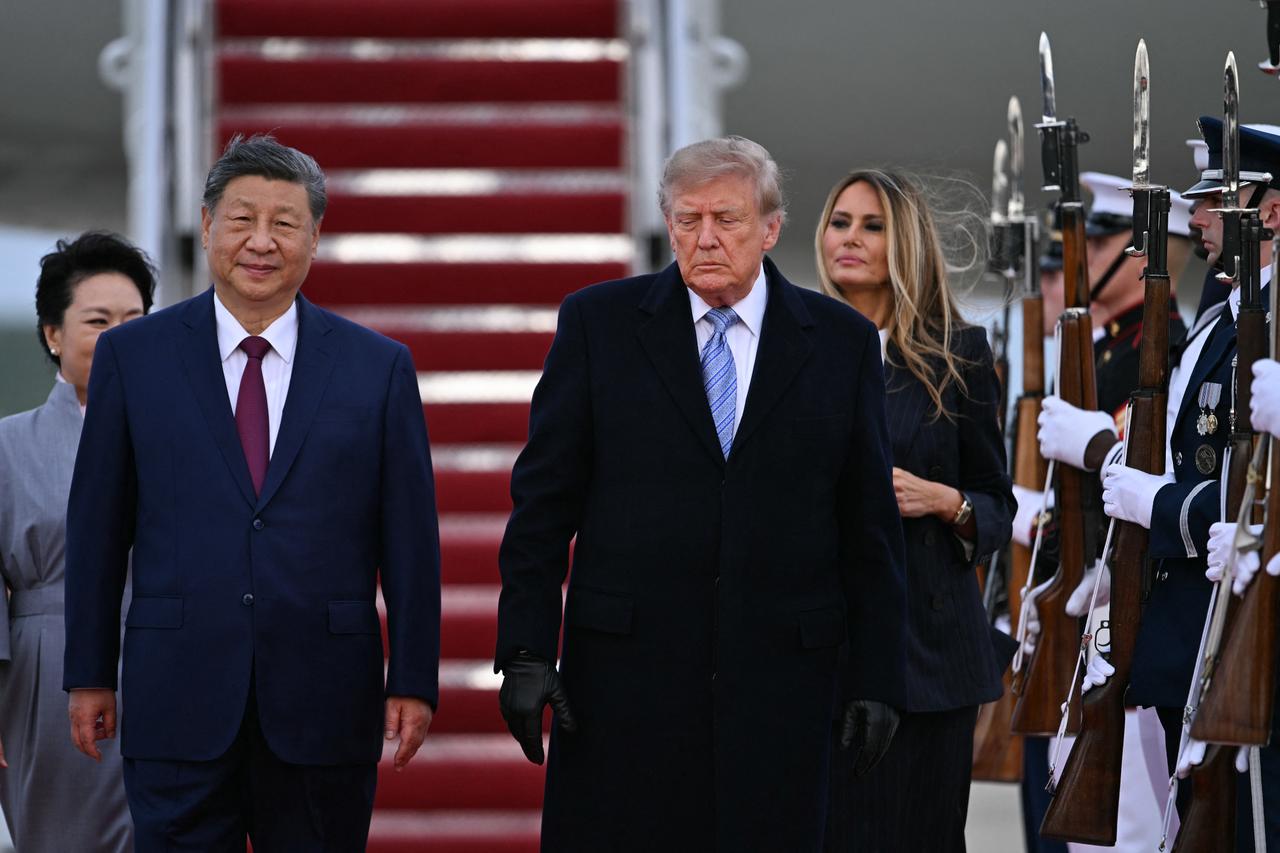
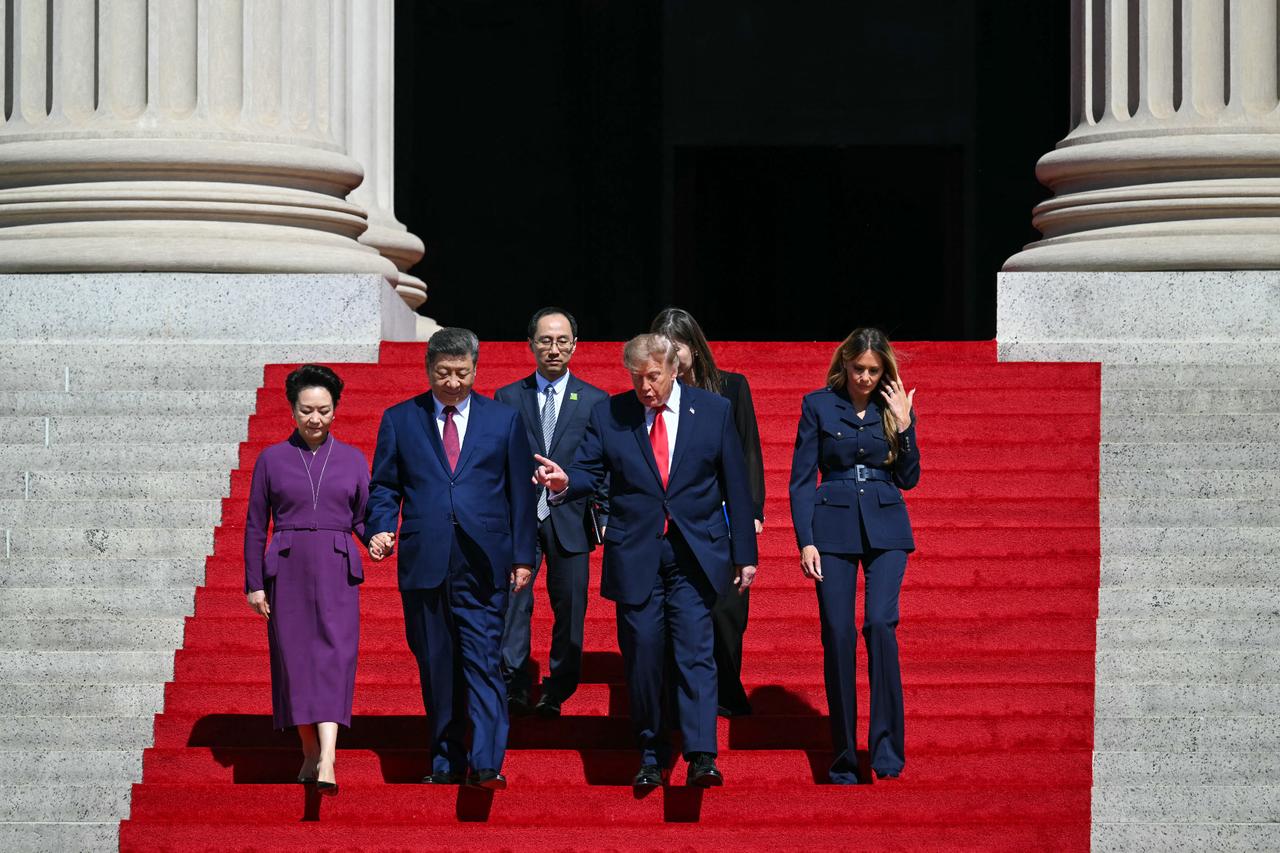
Trump said Saturday that he did not spend extensive time discussing Taiwan during his meetings with Xi, adding that the Chinese leader “understands very much” his position on the matter.
Turning to regional security, Perdue said Washington had made clear to Beijing that supplying Tehran with intelligence, components or military hardware during the ongoing Iran war was “totally unacceptable.”
He said Xi reaffirmed commitments made in May opposing Iran possessing nuclear weapons, supporting open navigation in the Strait of Hormuz and rejecting maritime transit fees.
On emerging technologies, Perdue said Chinese officials were beginning to recognize the threats posed by frontier artificial intelligence systems and said Washington would maintain diplomatic engagement with Beijing on those risks.
The 2027 date has long drawn attention because Xi has instructed the People’s Liberation Army to develop the capabilities needed to seize Taiwan by force if necessary by that year, which marks the PLA’s centenary.
U.S. intelligence, however, has publicly stressed that 2027 should not be interpreted as a fixed invasion date.
The U.S. intelligence community said in its annual threat assessment in March that Chinese leaders did not currently plan to invade Taiwan in 2027 and had no fixed timetable for reunification.
The assessment said Beijing would probably continue trying to create conditions for eventual unification without conflict, while the PLA continued developing the military capabilities required to seize Taiwan if ordered.
It identified military readiness, Taiwanese politics and the likelihood of U.S. intervention as factors Beijing would weigh before considering military action.
Xi has not abandoned the military capability goal, Reuters reported, but China’s anti-corruption crackdown has disrupted senior ranks of the PLA.
The report said Beijing is also believed to have studied the wars in Ukraine and Iran, drawing the lesson that any military operation against Taiwan would have to move rapidly and avoid becoming a prolonged conflict.
One official said too many elements were still not ready for what would amount to an extraordinarily difficult military operation.
Taiwan’s 2028 election could become an important point in China’s calculations, according to the U.S. assessment.
U.S. officials were less unified over whether the 2028 U.S. presidential election would carry similar weight.
Three people familiar with the assessment said Beijing could also wait to gauge the U.S. political outcome amid growing public resistance to American military involvement overseas.
Another official, however, said Beijing increasingly views Democrats and Republicans as broadly aligned on Taiwan, making the outcome of a U.S. election less decisive than it may have been in the past.
The United States has no formal diplomatic relations with Taiwan but remains the island’s most important international supporter and arms supplier.


 Set as preferred source
 Set as preferred source


 1 min read
 1 min read