Newsletters


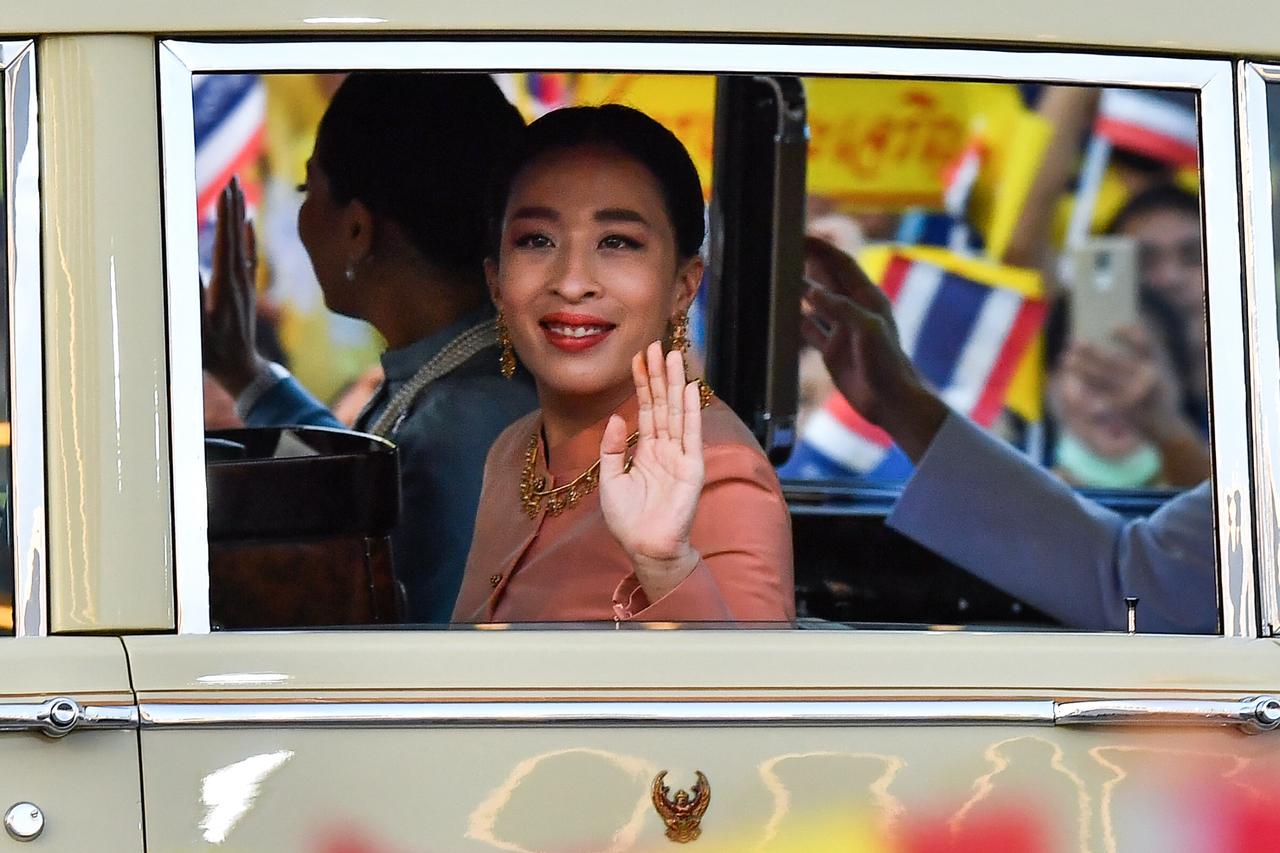


Princess Bajrakitiyabha, the eldest daughter of Thai King Maha Vajiralongkorn, passed away at the King Chulalongkorn Memorial Hospital in Bangkok on Thursday, the Royal Household Bureau announced. She was being treated at the hospital by a specialized medical team.
She had been under hospital care since Dec. 15, 2022, after collapsing due to a heart-related condition.
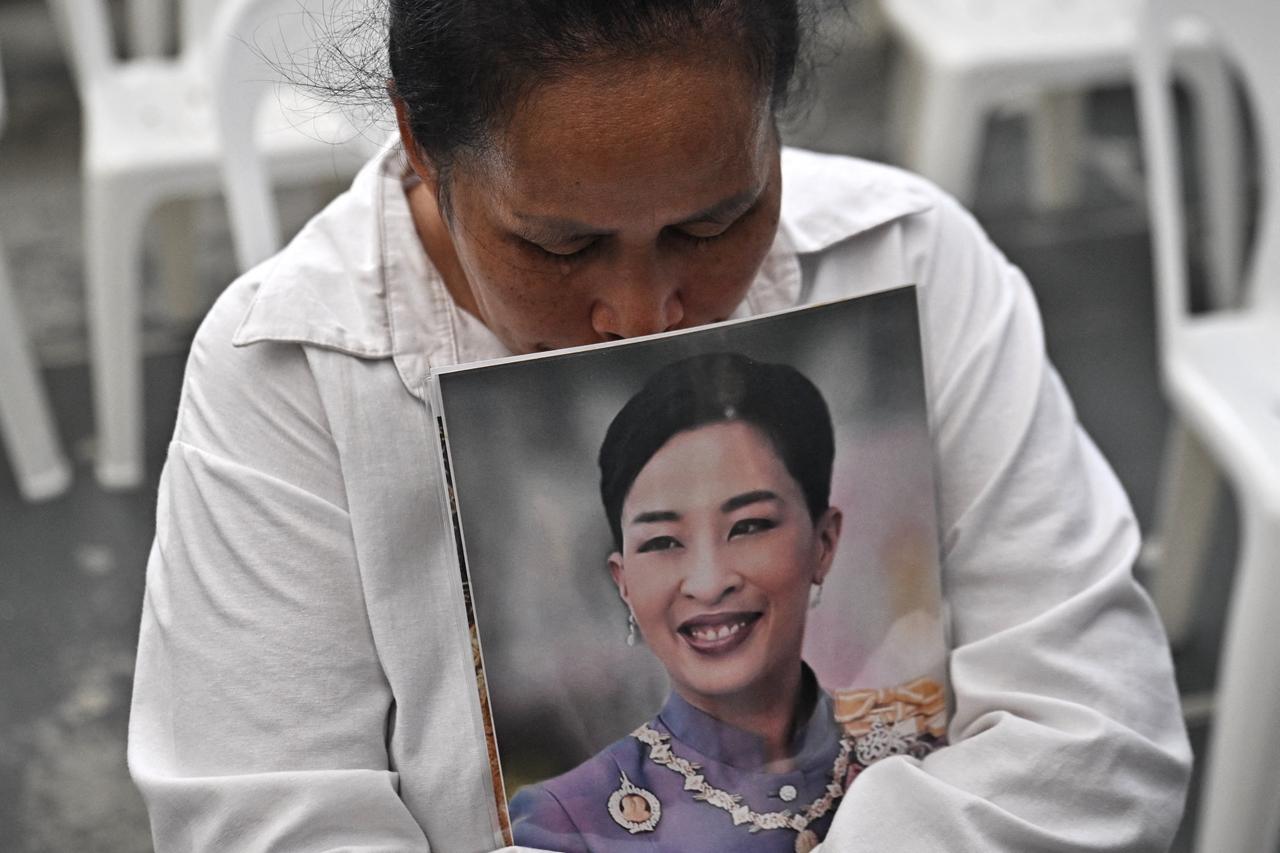

The Bureau of the Royal Household said in May that her health condition had deteriorated, and, in addition to medication, she was relying on medical devices to support her lung and kidney functions.
Bajrakitiyabha was the only child of King Vajiralongkorn's first marriage to Princess Soamsawali. A trained prosecutor and diplomat, Bajrakitiyabha was educated in Britain, Thailand and the United States, earning a law degree from Cornell University, and serving for a time as Thailand's ambassador to Austria.
During a 2012 visit to her alma mater, the princess remarked about her professional background to a campus audience: "I ask myself now, what am I exactly? A prosecutor? A criminal lawyer? A diplomat? The answer is everything all together. I say I am a hybrid," according to the Cornell Chronicle.
She also held several positions with the United Nations and became an advocate for women's rights, including improved conditions for women in prison.
As a princess, Bajrakitiyabha held an important ceremonial role in Thai society, where the royal family sits at the apex.
She was seen as close to her father, and was appointed to a senior role in his bodyguard command a year before her hospitalization.
The 73-year-old king, who has seven children from four marriages, has not announced his chosen heir, though succession rules favor men.
Strict rules govern what can and cannot be said about the Thai royal family, who are protected from criticism by legal statutes that strictly forbid insults or threats to the monarchy and carry prison sentences of up to 15 years per charge.
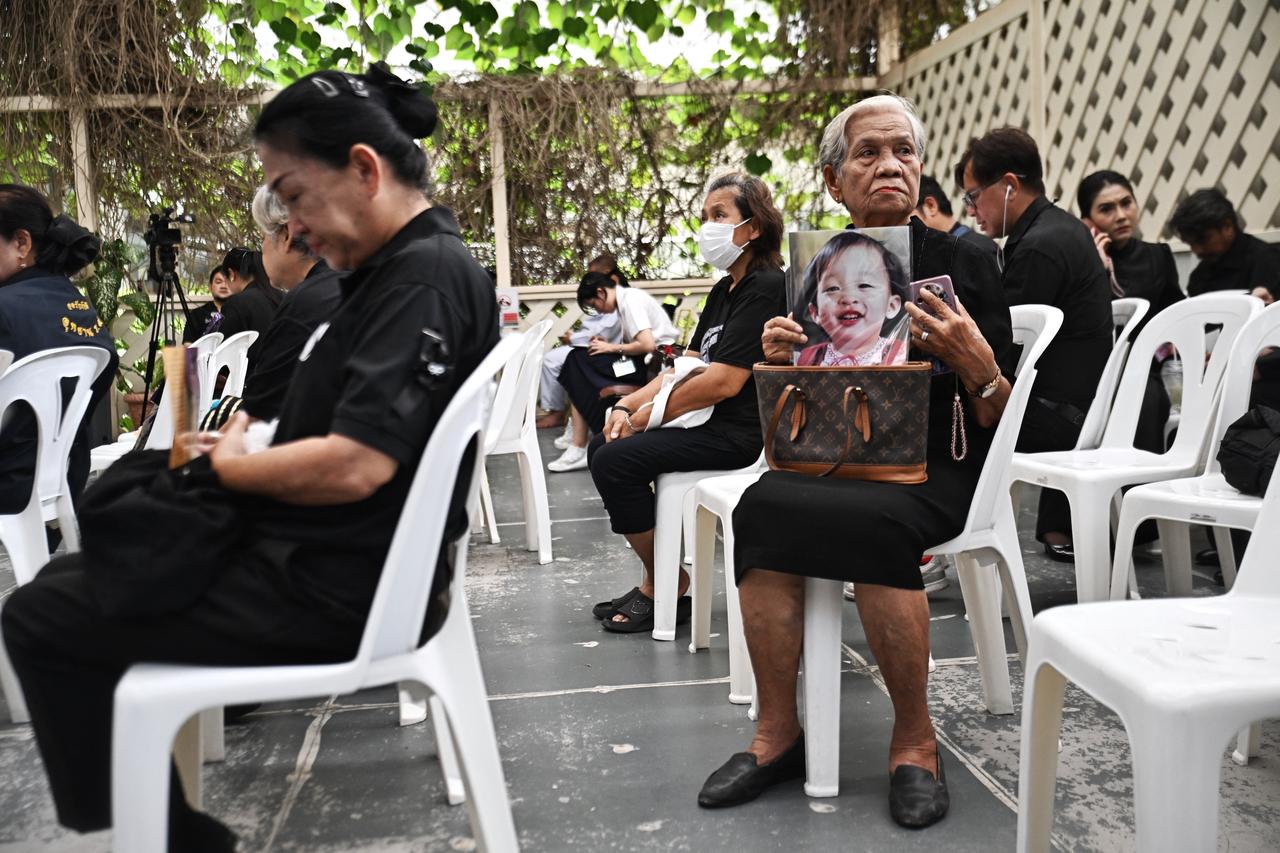
According to an article by the Bangkok Post, the Thai king has permitted the public to participate in mourning ceremonies for the late princess.
Members of the public can attend royal bathing rites before a portrait of the princess at the Grand Palace's Sahathai Samakhom Pavilion on June 13. Following this, citizens may pay respects and sign a condolence book at the pavilion daily, starting June 14.
Following an initial 15-day period of royal merit-making and traditional Buddhist funeral rites, the public will be permitted to pay respects to the royal remains at the Phiman Rattaya Throne Hall. The venue will open daily beginning June 27.
Additionally, the royal family, privy councillors, the personal advisory council to the monarch, government entities, and private organizations may jointly sponsor funeral chanting ceremonies after the first 100 days of merit-making rites conclude.


 Set as preferred source
 Set as preferred source


 1 min read

 1 min read