Newsletters


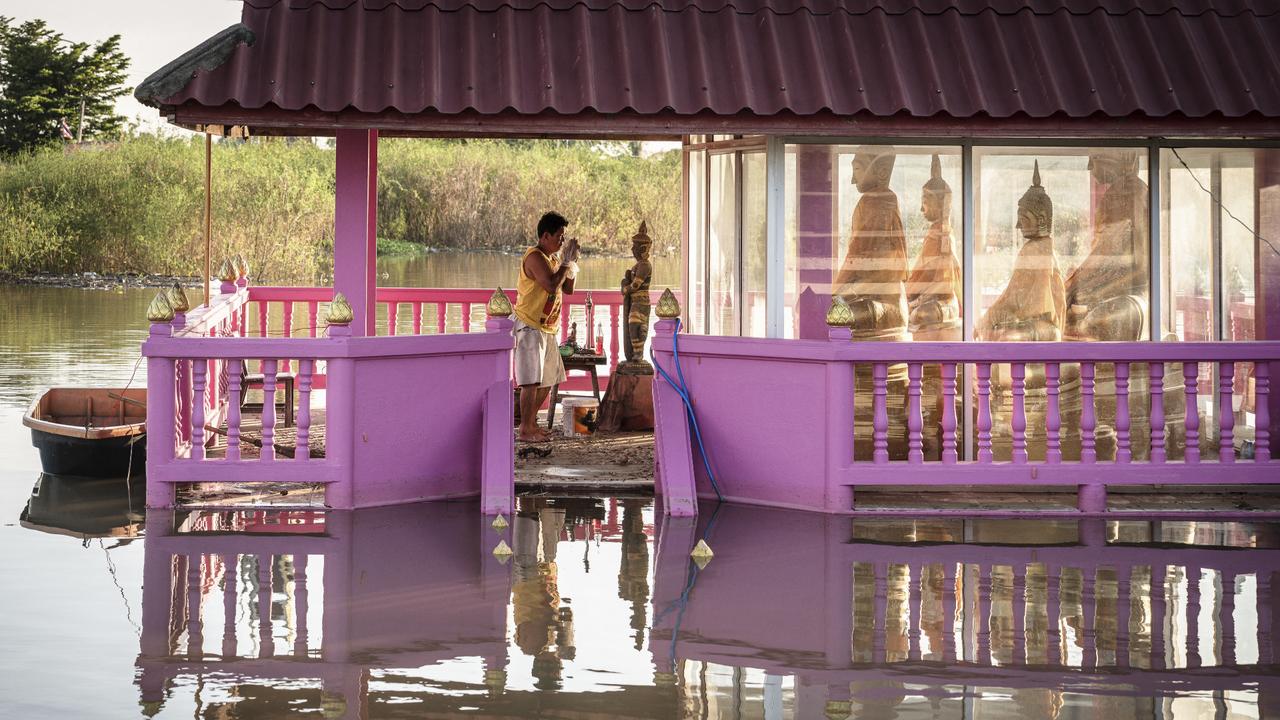
Thai officials are intentionally flooding riverside communities north of Bangkok to protect the capital, leaving stilt houses in nearby villages too short to stay dry.
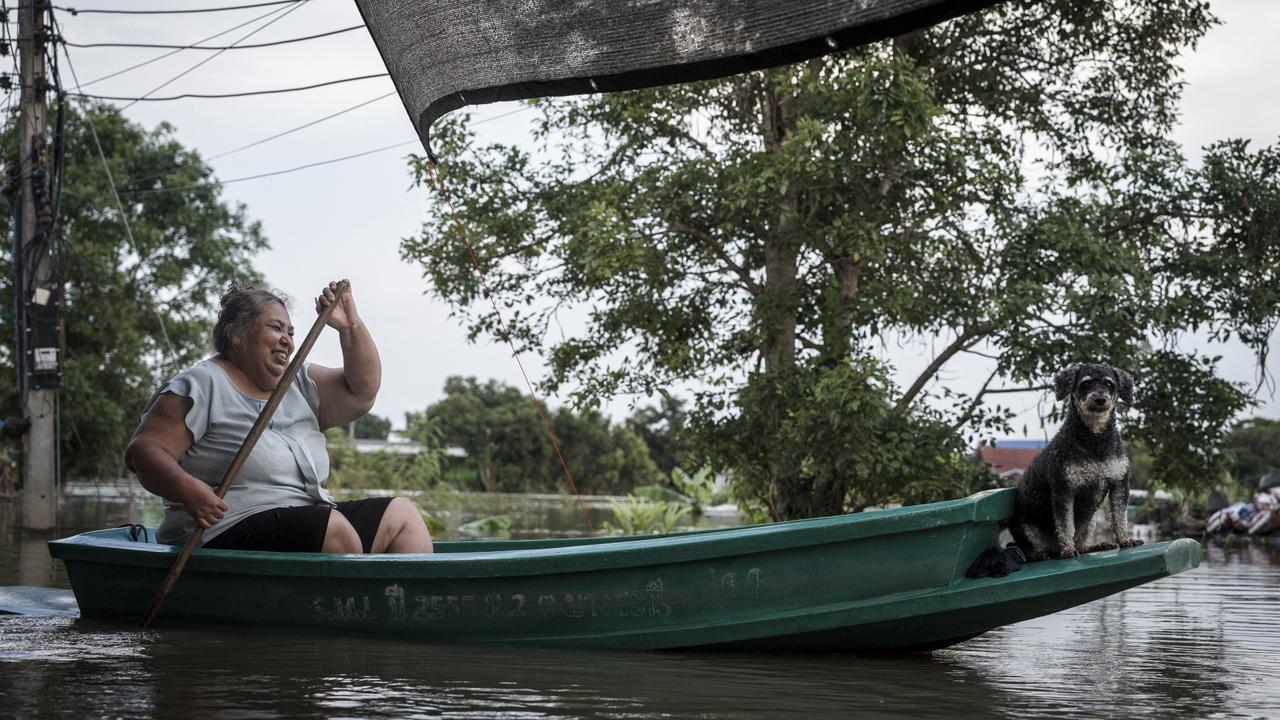
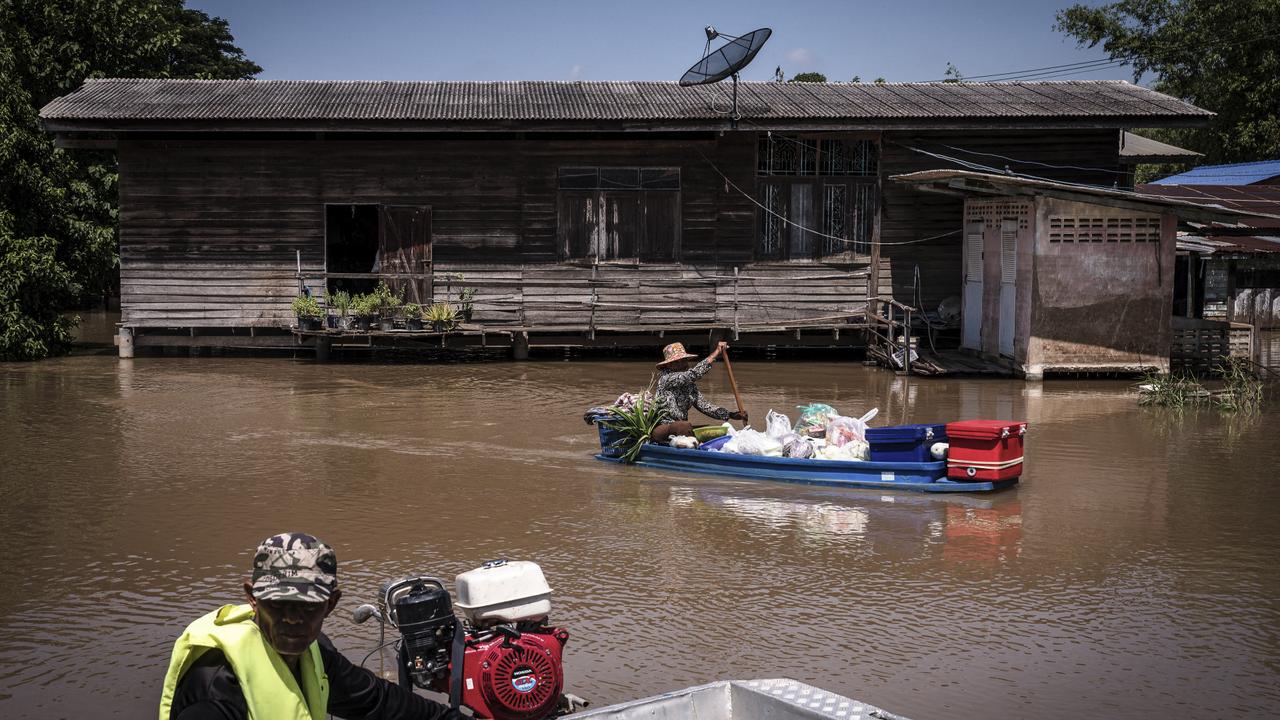
Kamonchanok Sathaphonamonwut’s house in Ayutthaya province towers more than three meters (10 feet) high, yet her family of three sleeps on improvised platforms because the toilet sits under water.
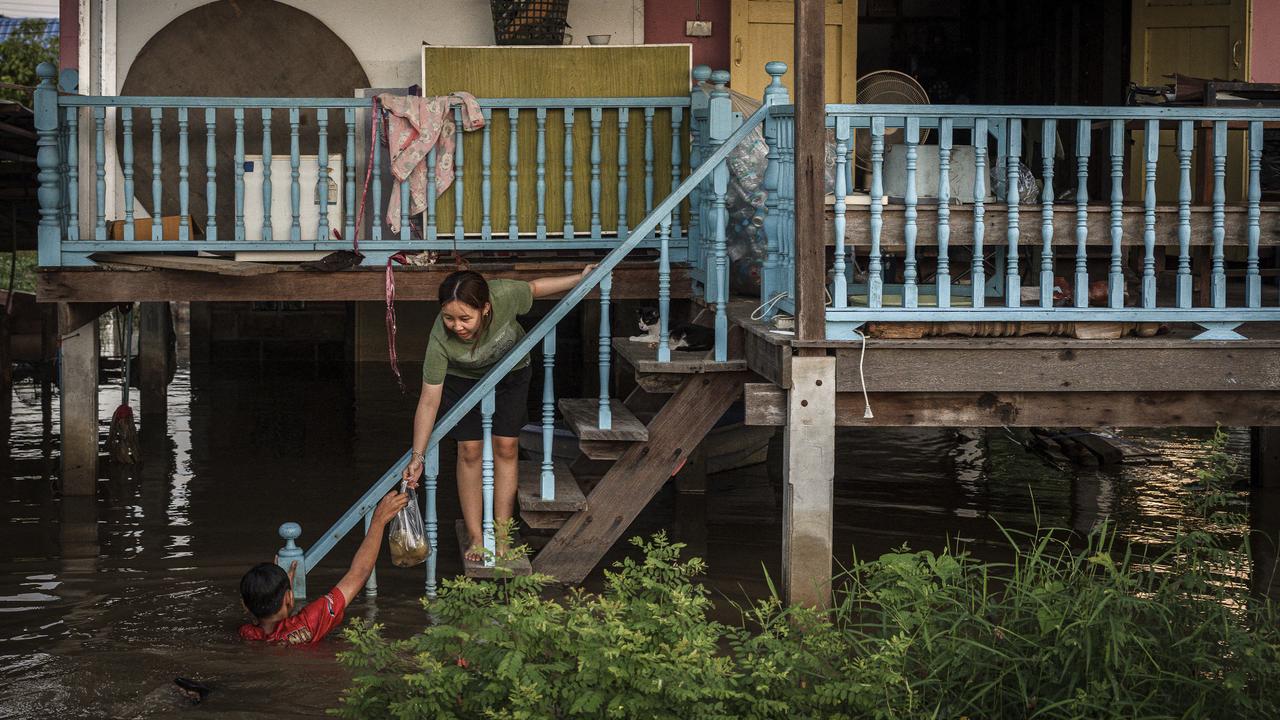
Floods have returned to her village six years running, pushing some neighbors away and others to elevate their homes. “Our area simply cannot cope with this much water anymore,” the 34-year-old told Agence France-Presse (AFP).
Officials, she said, favor Bangkok and business hubs, but “when it comes to our residential communities, they neglect us.”
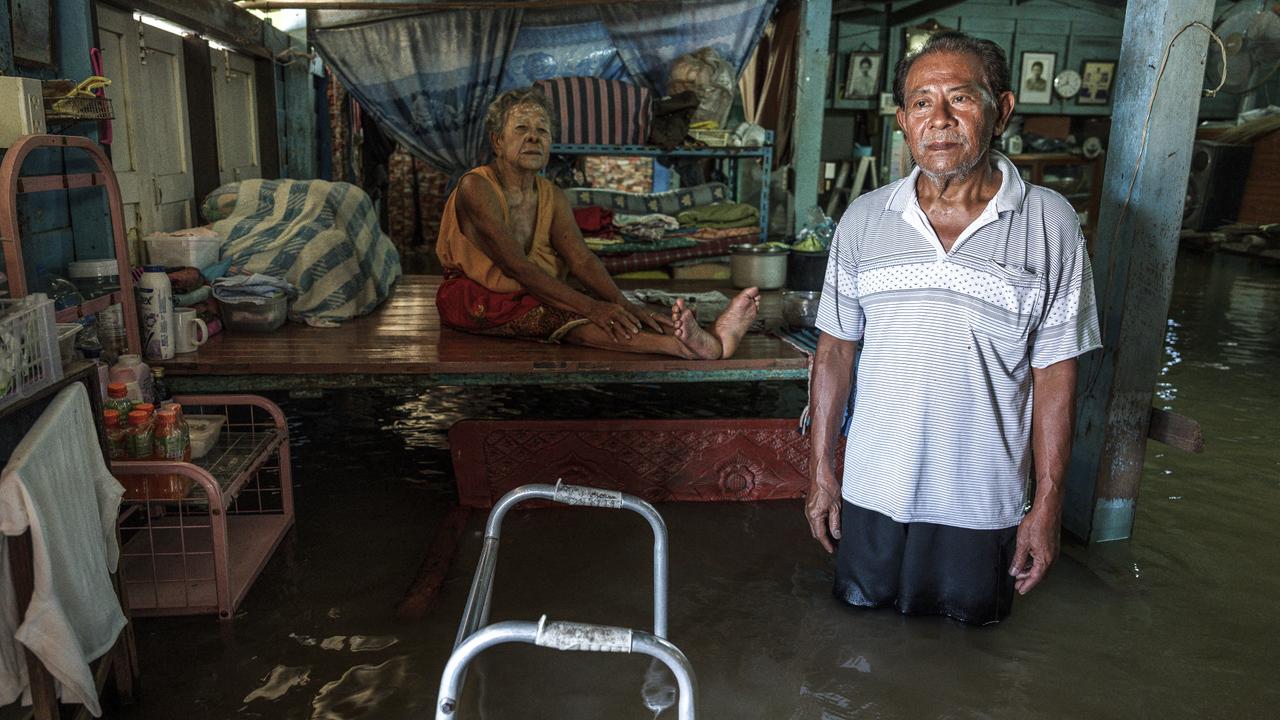
After devastating 2011 floods, the government expanded embankments, water gates and other works to steer flows away from Bangkok, historic Ayutthaya and industrial zones. Those defenses largely spared commercial centers, while residents elsewhere fend for themselves.
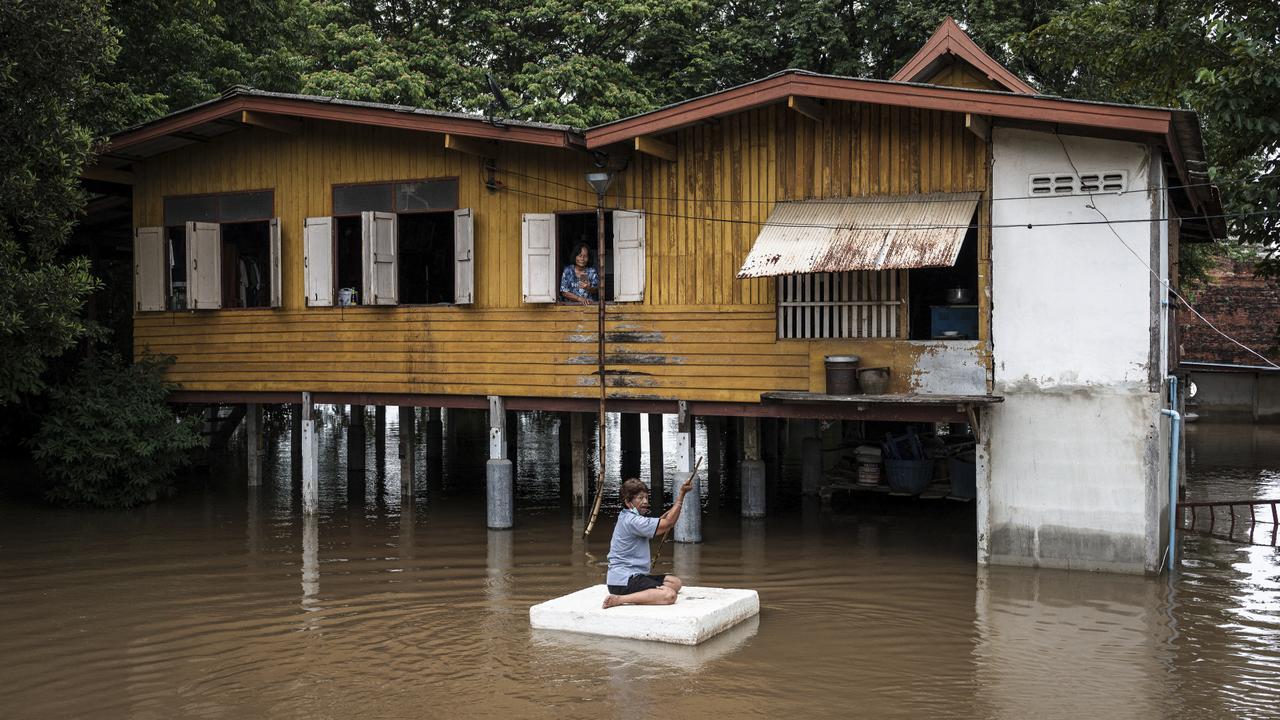
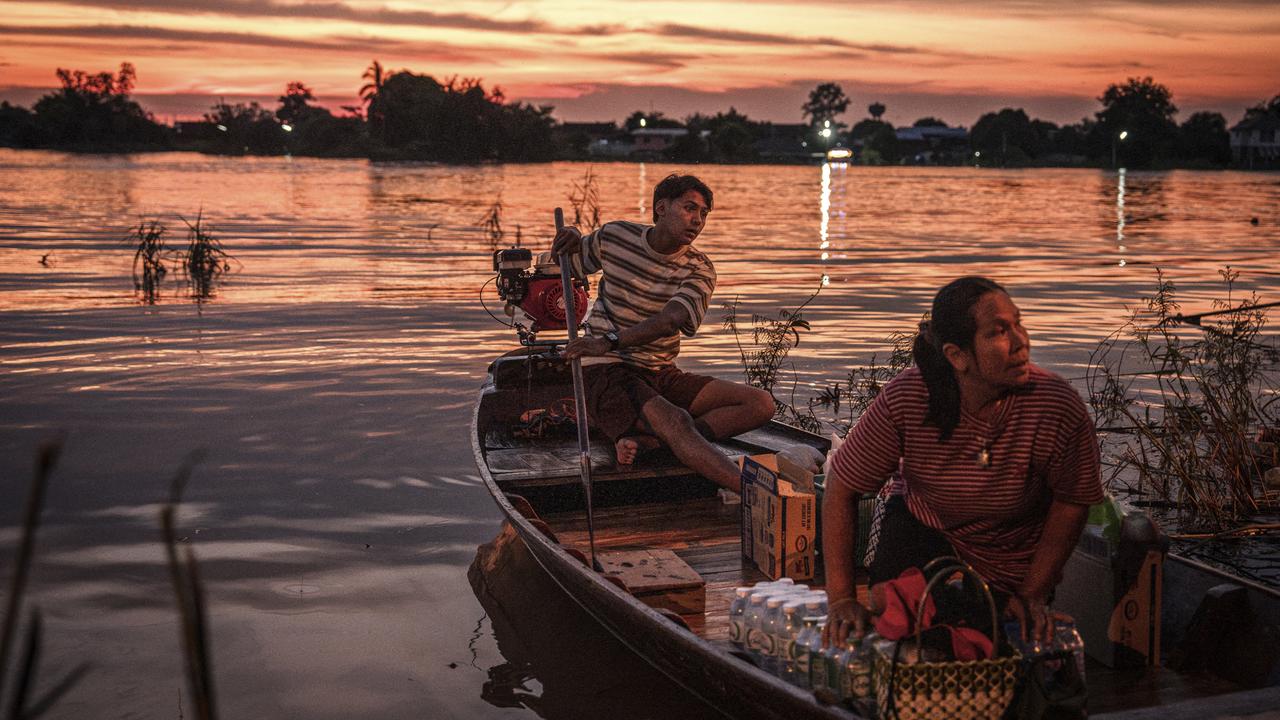
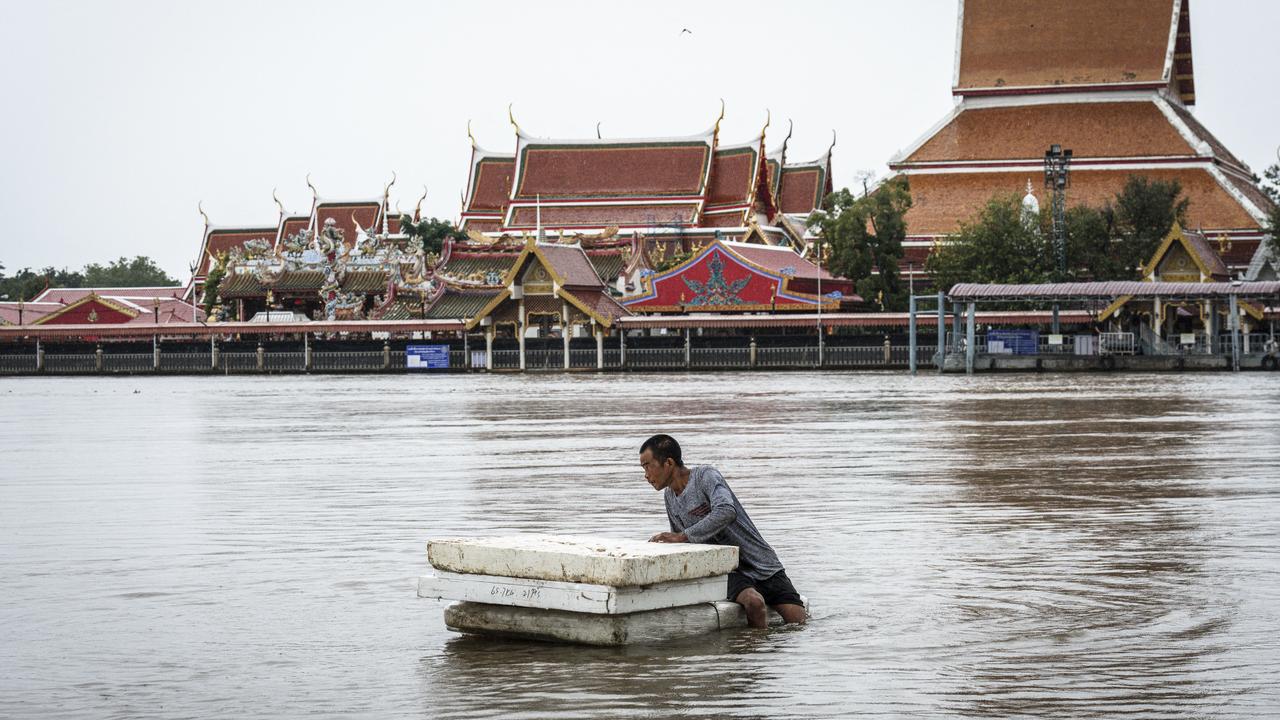
Roughly 20 kilometers (12 miles) from Ayutthaya’s ancient temple ruins, residents say flooding once knee-deep now tops their heads and can last months. Office worker Kamonchanok commutes by boat and hoists appliances above the waterline.
"All we can do is deal with the consequences," she said. "There's only so much we can do to adapt."
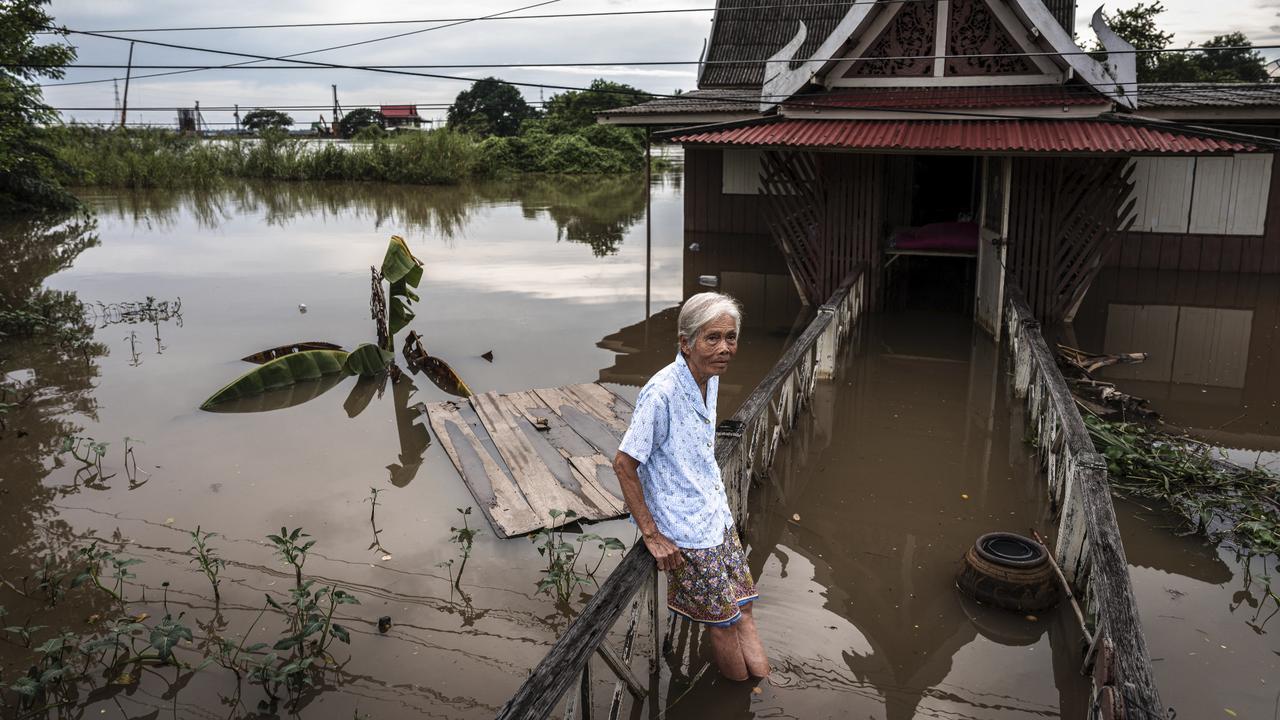
Irrigation department spokesman Thanet Somboon blamed climate change, low terrain and new embankments that altered the Chao Phraya’s natural flow for worsening flooding farther along the river. With channels full, he said, officials had “no choice but to discharge the remaining water downstream.” He conceded infrastructure may need review.
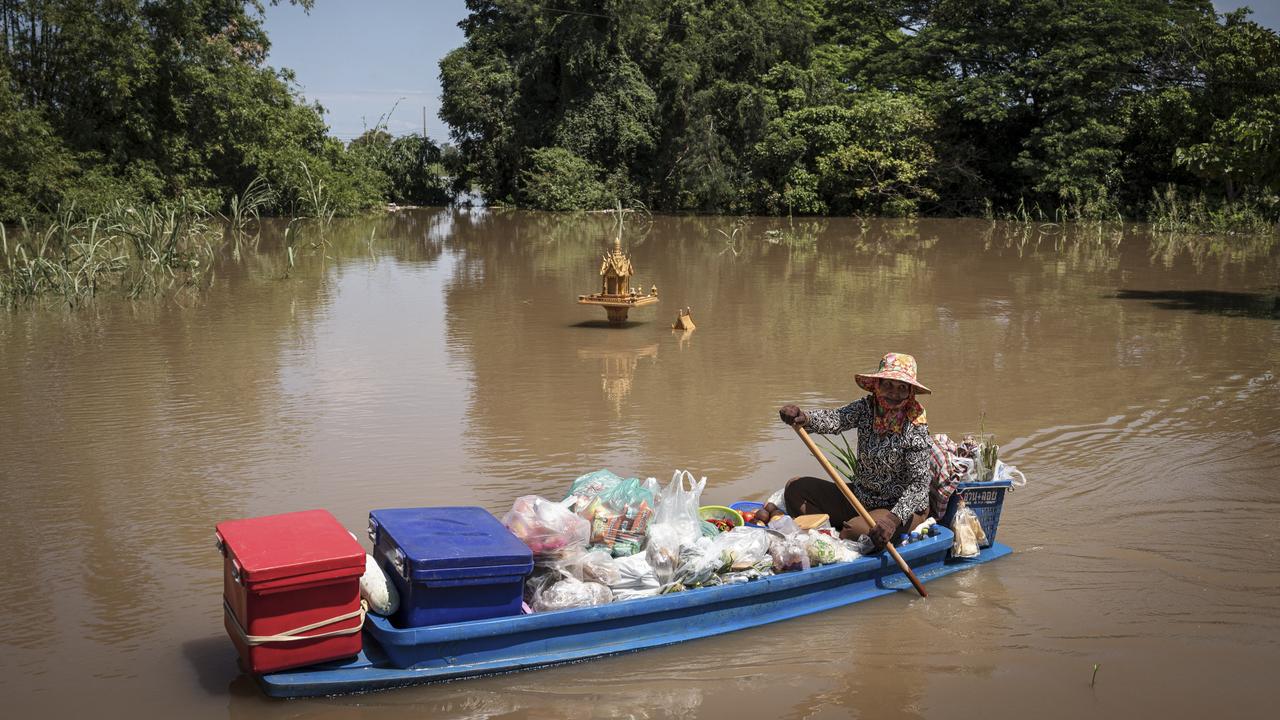
Conservationist Sasin Chalermlarp said the government has done “an excellent job” managing floods in the central plains but called its efforts “cruel” to hardest-hit residents. AFP journalists saw villages submerged this month, and Sasin said overflow now concentrates in just “five to 10%” of Ayutthaya.
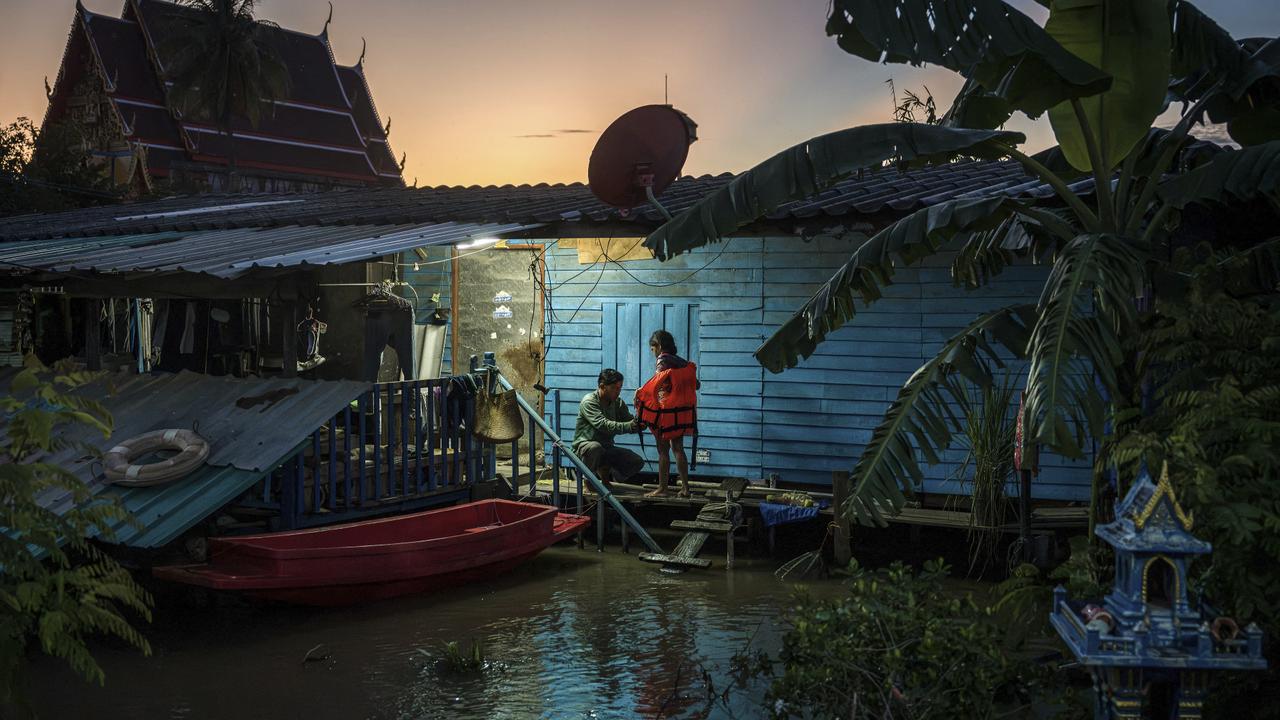
As flooding intensifies, many remaining residents pay to lift stilt houses and keep living space dry. Kamonchanok’s family raised theirs twice in the 1990s, the second time by 1.5 meters, but floodwater came in 2011 and has returned for six straight years.
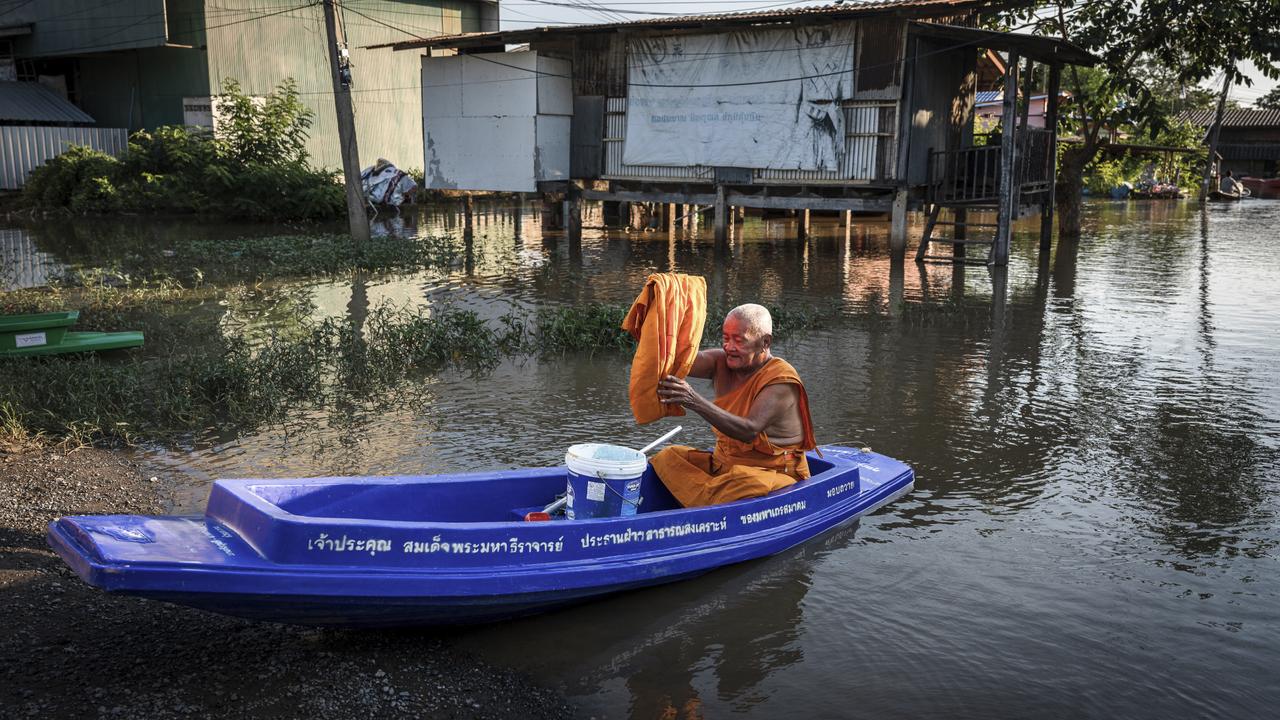
Residents say raising a house costs 100,000 to 1 million baht ($3,000-$30,000). Some families did it twice within years, burning through savings and borrowing. Sawong Raksri, 87, paid above that range yet shrugs it off. “It floods like this every year recently. What’s the point of complaining?” she said.
Sasin, who lives in a protected part of Ayutthaya, proposes a “flood-free tax” on defense beneficiaries to fund home raising and repairs. Thanet said the idea warrants study into “how to support people who sacrifice their land to accommodate floodwater.”
Officials are counting on a $780 million canal to divert 1,200 cubic meters of flood flow per second, roughly half an Olympic-size pool, past the narrowest point of the Chao Phraya in Ayutthaya.
Completion is expected by 2030. Until then, Kamonchanok said, her community seeks a cap on water levels and financial support for people living below the flood line, not an end to intentional flooding. “All we’re asking for is to be able to live comfortably in our own homes,” she added. “Why can’t they give us that?”
 3 min read


 Set as preferred source