Newsletters


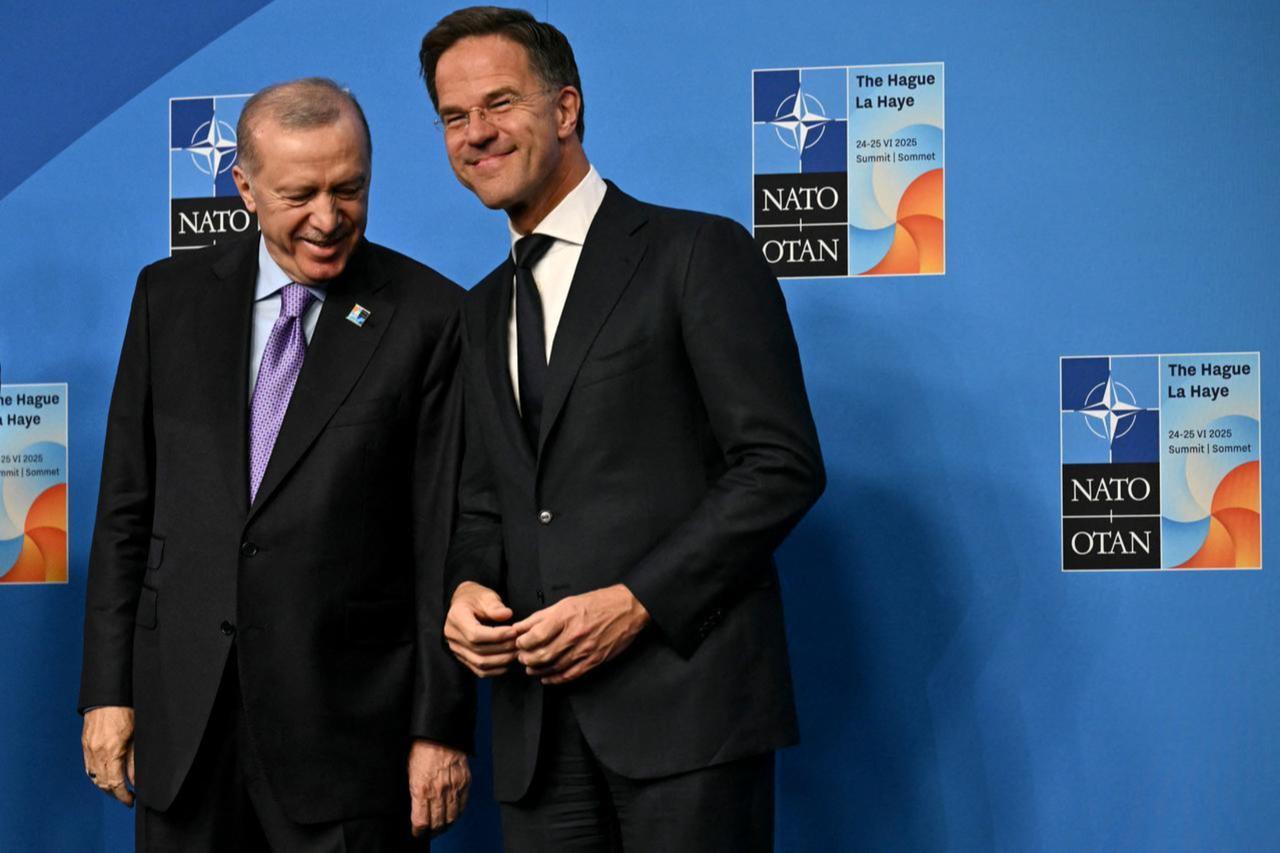


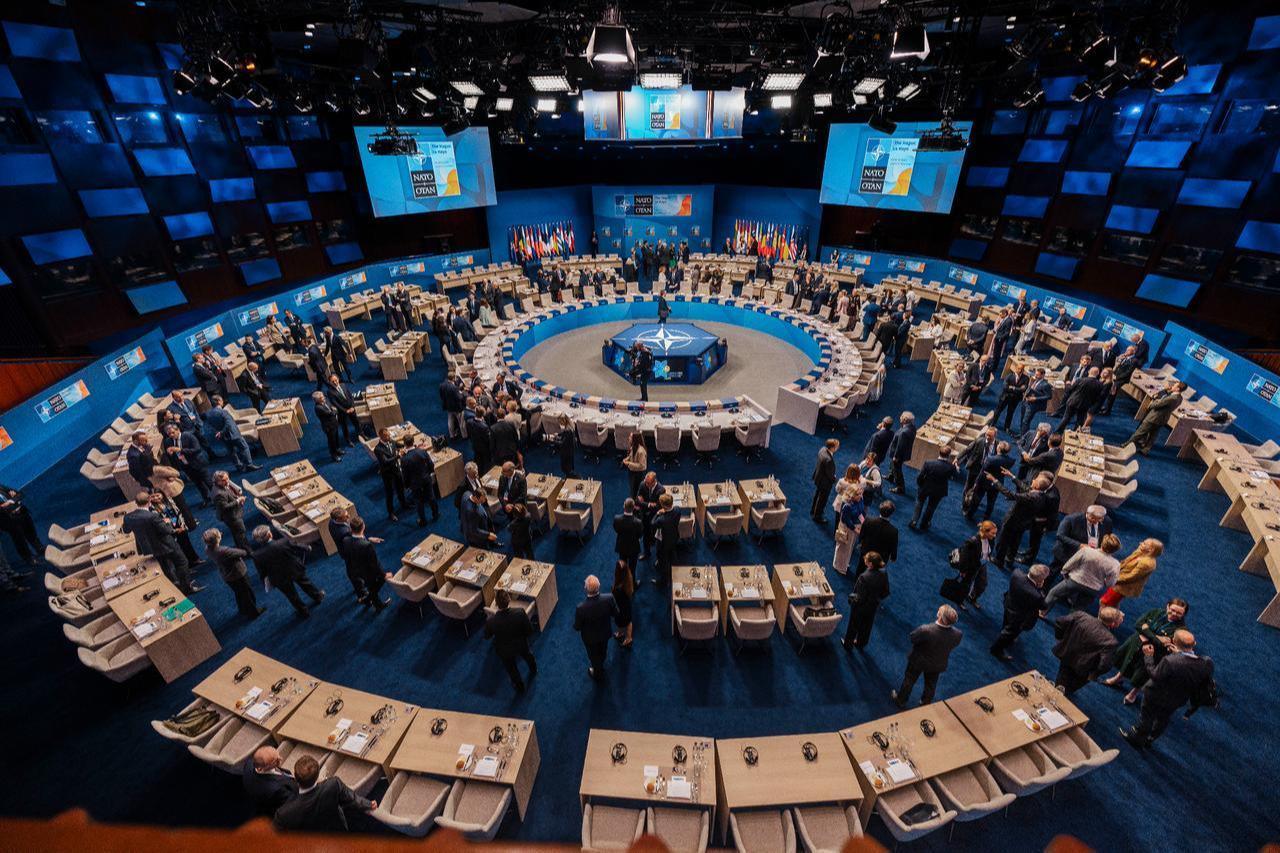
Secretary of State Marco Rubio has described the forthcoming Ankara summit as the most consequential gathering in NATO's history.
Türkiye's government, for its part, is treating that description as something closer to a security brief than a compliment: north of 40,000 police officers have been assigned to the city, with F-16s and SIPER air defense batteries folded into the protective envelope above it.
But Ankara is not the only party rehearsing for July. Washington has spent the run-up to the summit in its own parallel preparation, with think tanks hosting panels and venues of what the gathering can realistically deliver, and policymakers and analysts alike crowding the circuit to stake out positions before the principals do.
Of the various convenings I sat through this week in D.C., one at the Atlantic Council did more to clarify Congress' actual posture toward NATO than anything coming out of the executive branch.
A discussion featuring two senators, one Democrat and one Republican, Jeanne Shaheen and Thom Tillis, spoke on behalf of the Senate NATO Observer Group (SNOG) on Wednesday. Despite the skepticism radiating from the White House on most days, both made clear that Congressional appetite for the alliance, and for full-throated support of it, remains essentially undiminished.
What makes that worth dwelling on is who was saying it. Not long ago, both senators ranked among Türkiye's most persistent critics on Capitol Hill. During the closing stretch of President Trump's first term and the entirety of the Biden administration, Türkiye could barely secure space on Washington's agenda at all.
Now, the conversation spans dozens of tracks of cooperation, pursued with a deliberateness that wasn't there before.
Charting the distance between those two postures—what Türkiye couldn't get a hearing for then, versus what it's actively building now—does most of the work of explaining why the NATO summit in Ankara carries the weight it does.
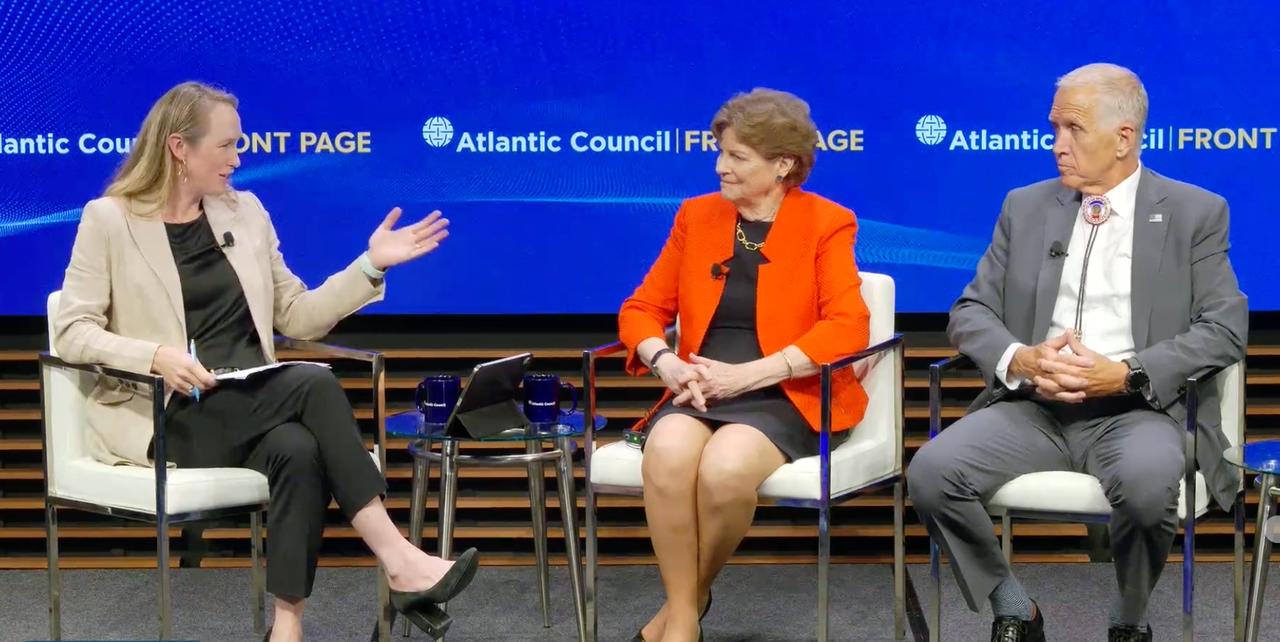

"The wars in Ukraine and Iran exposed how thin Western defense stockpiles and the industrial base behind them actually are," said Sen. Shaheen on stage.
Her fix runs through procurement reform—multi-year procurement authority within the NDAA to give companies real incentive to build at scale, and NATO allies sharing production lines the way they already share battlefields. NATO is dedicating a full day at the Ankara summit to a Defense Industry Forum, which tells you how seriously the alliance is taking the gap.
Sen. Tillis went further, proposing something closer to a structural fix than a procedural one: integrated supply chains across the alliance, in which countries compete for specific links rather than each insisting on full domestic manufacturing.
He called it "co-optition," and the appeal is mechanical: lower costs, faster timelines, more capacity, and local jobs every politician involved can point to.
Trying to fix an existing supply chain like the F-35’s is a political nightmare. But NATO’s next-gen platforms—the ones being designed right now using lessons from Ukraine—are a "green field". The alliance can build these new networks wherever it makes the most strategic sense, without stepping on anyone's toes.
It is a short step from that framework to Türkiye's place inside it. If NATO is genuinely rebuilding its supply chains to restock at scale and distribute manufacturing across allied territory, Türkiye brings precisely the combination this new model rewards: labor costs well below Western European or American benchmarks, paired with an industrial base that has already proven, in real combat, that it can deliver reliable hardware on schedule.
A greenfield supply chain has to be built somewhere. Türkiye has spent this war demonstrating why it should be built there.
It is worth remembering exactly how recently Türkiye was the alliance's headache rather than its hinge.
The "Russian Trojan horse" framing that stuck to Ankara after the 2017 S-400 purchase was always a distortion of what was actually happening on the ground—NATO Patriot batteries were deployed in southern Türkiye at the very same moment, a fact the S-400 headlines conveniently buried.
What has changed isn't a sudden shift in Turkish policy; it is geography asserting itself. Türkiye's control of the Dardanelles and its strict enforcement of the Montreux Convention have functionally blocked Russia from reinforcing its Black Sea Fleet—a fleet Ukrainian forces have since degraded so heavily that most of what remains is either damaged or sitting on the seabed.
Ankara's relationship with Moscow was never as cozy as critics assumed, and the decade since has rewarded pragmatism rather than alignment.
There's also the matter of resolving the S-400 question itself, which looks far more like a problem of political will than legal impossibility.
U.S. sanctions law leaves Congress room to maneuver, since it is rewritten annually through the defense authorization process. A sufficiently convinced Congress—convinced that Türkiye is making vital, ongoing contributions to American and European security—has the legislative tools to make the issue disappear.
The Halkbank case, which the Justice Department moved to formally close out this week after a March deferred prosecution agreement, suggests the political appetite for resolving Türkiye's legacy irritants currently outweighs the appetite for relitigating them.
Ukraine is leading the world right now in a category of warfare nobody fully understood before this conflict. Not because either side's air force performed as expected, but because both failed at the basic job of establishing battlefield air superiority, which forced an entirely different style of fighting to emerge by necessity. Drone warfare isn't an innovation anymore; it's the baseline.
Türkiye's position within that baseline is specific and consistently underappreciated: a Turkish company is now producing ammunition inside the United States to help replenish stocks that flowed to Ukraine early in the war—industrial capacity Washington had let atrophy while chasing high-end weapons systems.
Baykar and other Turkish manufacturers have moved from simple finished-product sales to genuine joint development with European partners.
The resulting division of labor is tidy: Türkiye owns the medium-to-large UAV category with combat-tested platforms, while Ukraine has specialized brilliantly in small, lethal drones. This mutual complement between the two industries offers perhaps the most plausible blueprint for NATO’s near-term industrial future.
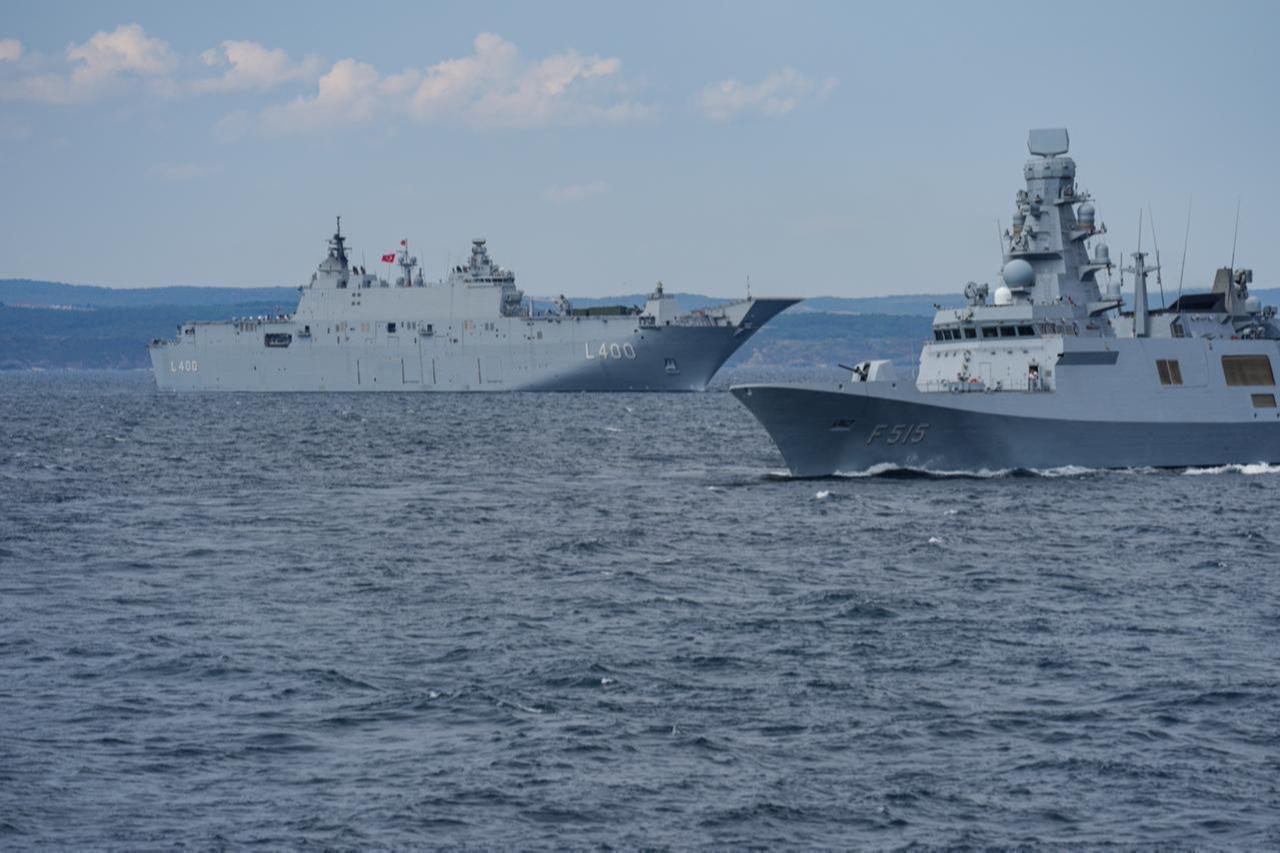
The Black Sea right now is mostly quiet, because the Russian navy that used to patrol it is mostly gone—sunk or damaged past usefulness.
Türkiye's discipline in maintaining a strict and consistent application of Montreux through this entire conflict has functioned as a stabilizing mechanism rather than a constraint, even though that same convention is precisely what currently prevents NATO from sending its own ships in to guarantee grain and goods moving safely out of Ukraine.
The fix being floated is straightforward: a standing Black Sea fleet, led by Türkiye, built explicitly to do what the Montreux-bound alliance currently cannot—guarantee safe passage without violating the treaty Ankara has spent the war defending.
Given that Türkiye is, by simple attrition, the strongest navy left in the Black Sea, this reads like an acknowledgment of who's already there.
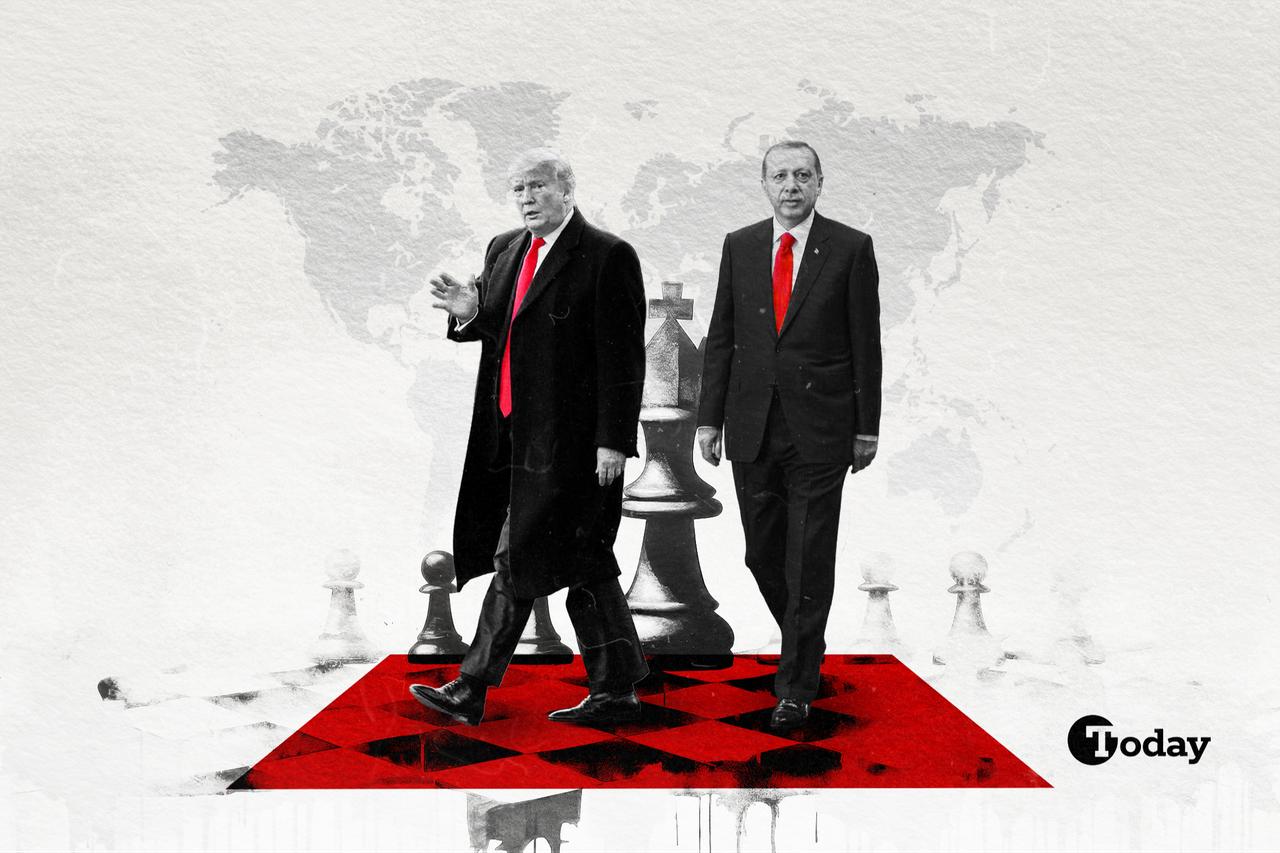
None of this fully explains why the temperature between Washington and Ankara has dropped as fast as it has. That required Donald Trump and Recep Tayyip Erdogan specifically—a relationship that has shifted the alliance's operating logic from "principles first" to "show me capabilities." This happens to be exactly the kind of test Türkiye's defense industry is built to pass.
The formal dismissal of the Halkbank case this week, closing out a years-long, $20 billion sanctions dispute, lands as the latest data point in that pattern rather than an isolated gesture.
So what does success at Ankara actually look like? There is a clear baseline and a more contested ceiling. Trump's attendance is necessary, full stop.
Beyond that, a concrete statement of continued support for Ukraine would matter considerably, though a clean Ukraine declaration may be optimistic given how unsettled the Gulf situation still is. On another level, a quieter marker of success may be more realistic: the simple absence of any discussion about Greenland.
That's the paradox sitting underneath the whole gathering. The clearest signal of whether this alliance is actually solid won't be what gets announced from the podium in Ankara; it'll be everything nobody felt the need to bring up.


 Set as preferred source
 Set as preferred source


 1 min read
 1 min read