Newsletters


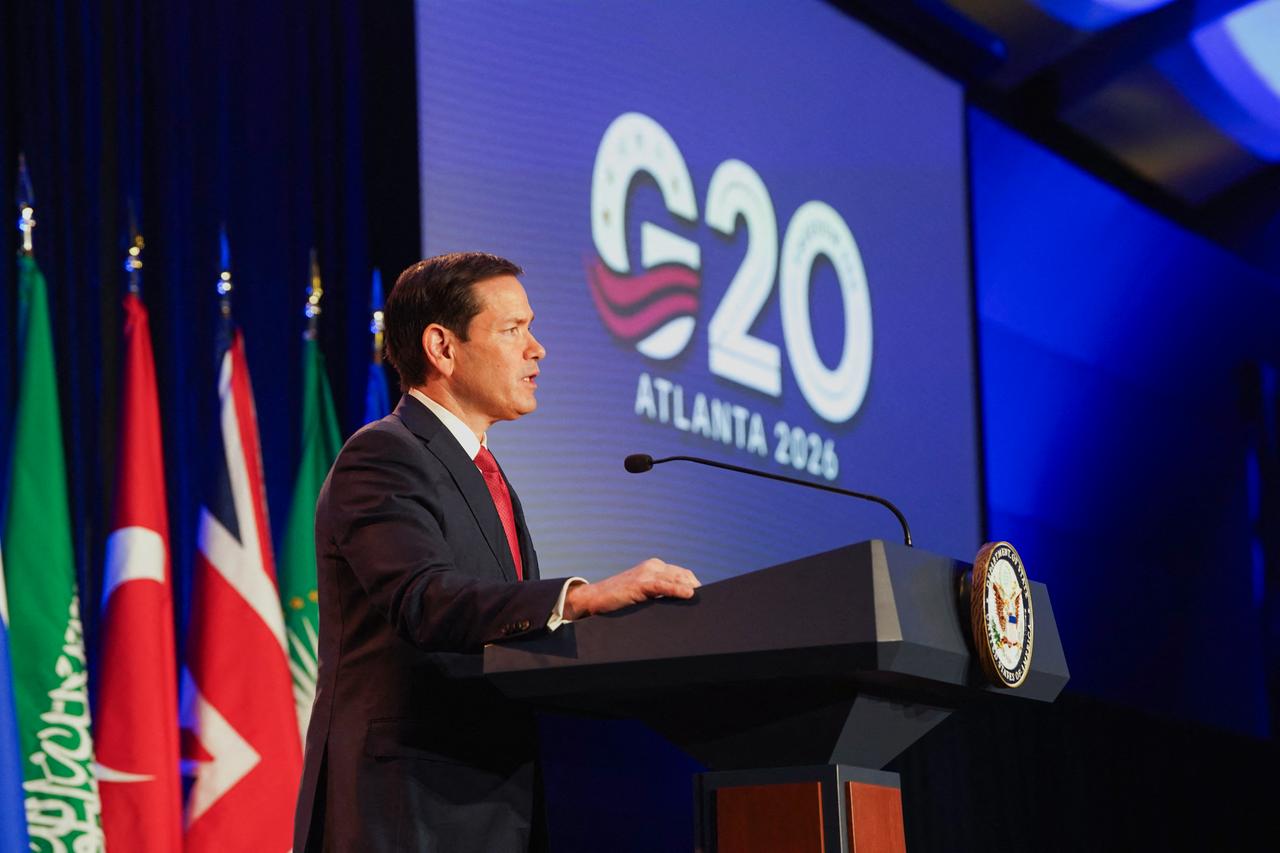


Atlanta spent the last summer absorbing World Cup crowds, and the security that greeted G20 foreign ministers this week was tighter than anything the stadium crowds saw. Fewer people, heavier locks.
The “family photo” and the joint communique used to be the twin pillars of the G20 ritual. One proved they could stand in the same room; the other proved they could agree to put the world back from the brink. It was a top-down, superpower-driven ecosystem designed for an era of global accords and sweeping financial architecture.
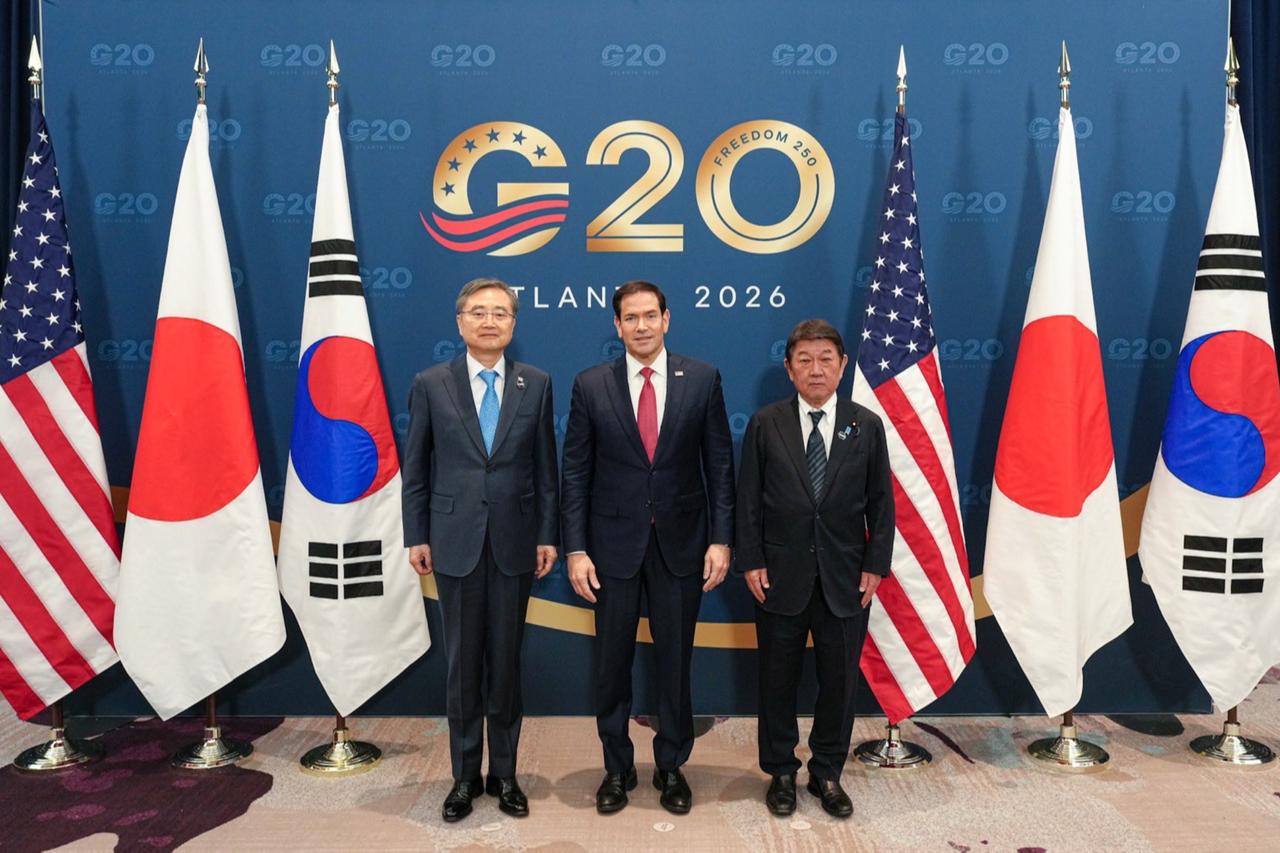
But since the war in Ukraine, a new “tradition” of no photo, no communique has taken over. In the new normal for global diplomacy, this stripped-down version of the G20 actually frames a whole different picture.
This year’s official group shot was scrapped after several European officials threatened to walk out rather than stand shoulder-to-shoulder with Russian Foreign Minister Sergei Lavrov. German Foreign Minister Johann Wadephul summed up the deep freeze in five words: “There is no normality with Russia.”
Rather than letting a toxic photo-op hijack the entire summit, Secretary of State Marco Rubio made the executive decision to ditch the picture entirely, clearing the deck so a new kind of behind-the-scenes diplomacy could take shape.
Polish Foreign Minister Radoslaw Sikorski noted it is “very difficult to agree a common line” when active wars have participants sitting at the same table, while other diplomats made it clear that a joint communiqué was dead on arrival before the talks even concluded.
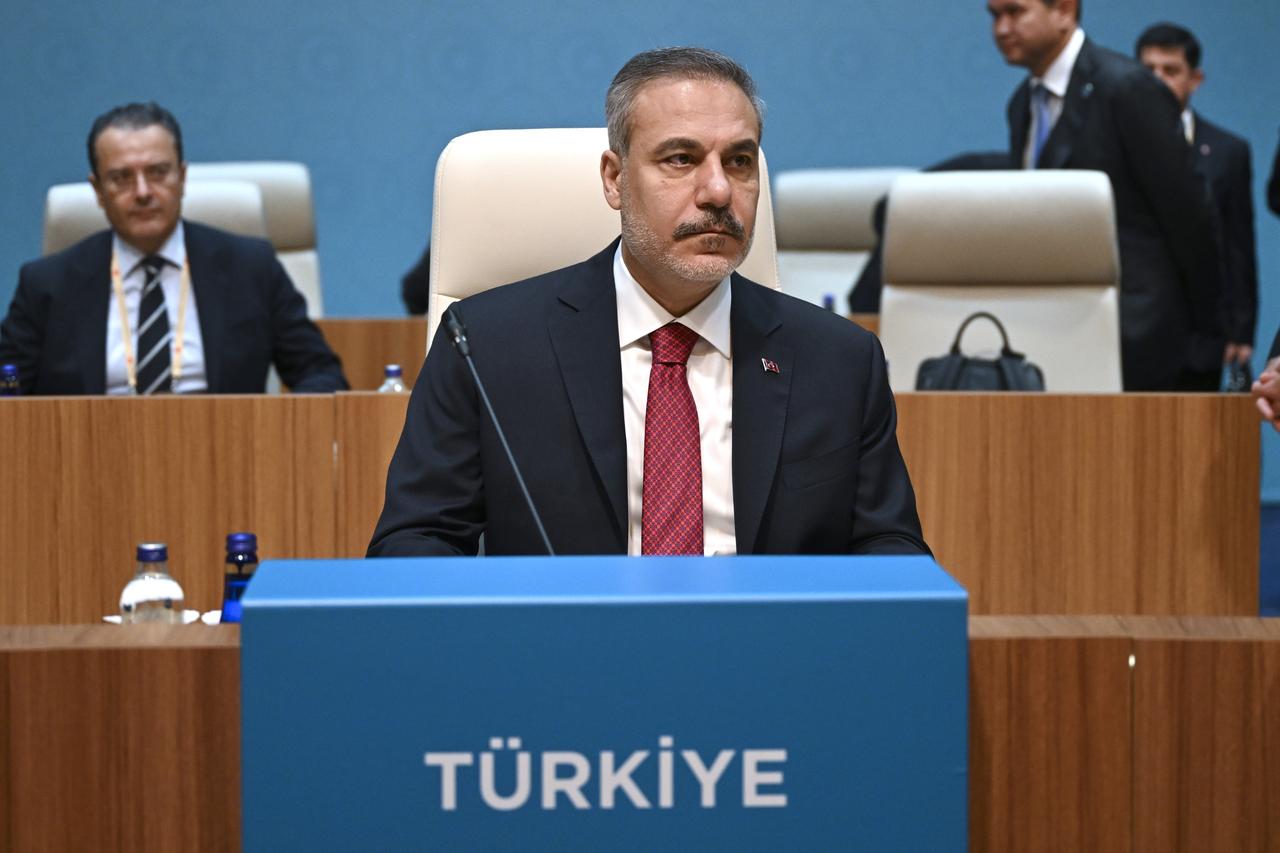
Yet, down the corridor, the real work got done. Rubio signed the U.S. participation agreement for Saudi Arabia’s Expo 2030 with his Saudi counterpart, Prince Faisal bin Farhan, and sat down with Turkish Foreign Minister Hakan Fidan to hammer out tactical solutions regarding the war in Ukraine.
A gathering that cannot agree on a sentence still managed to sign a contract and hold a diplomatic huddle. It was exactly the vice versa a decade before.
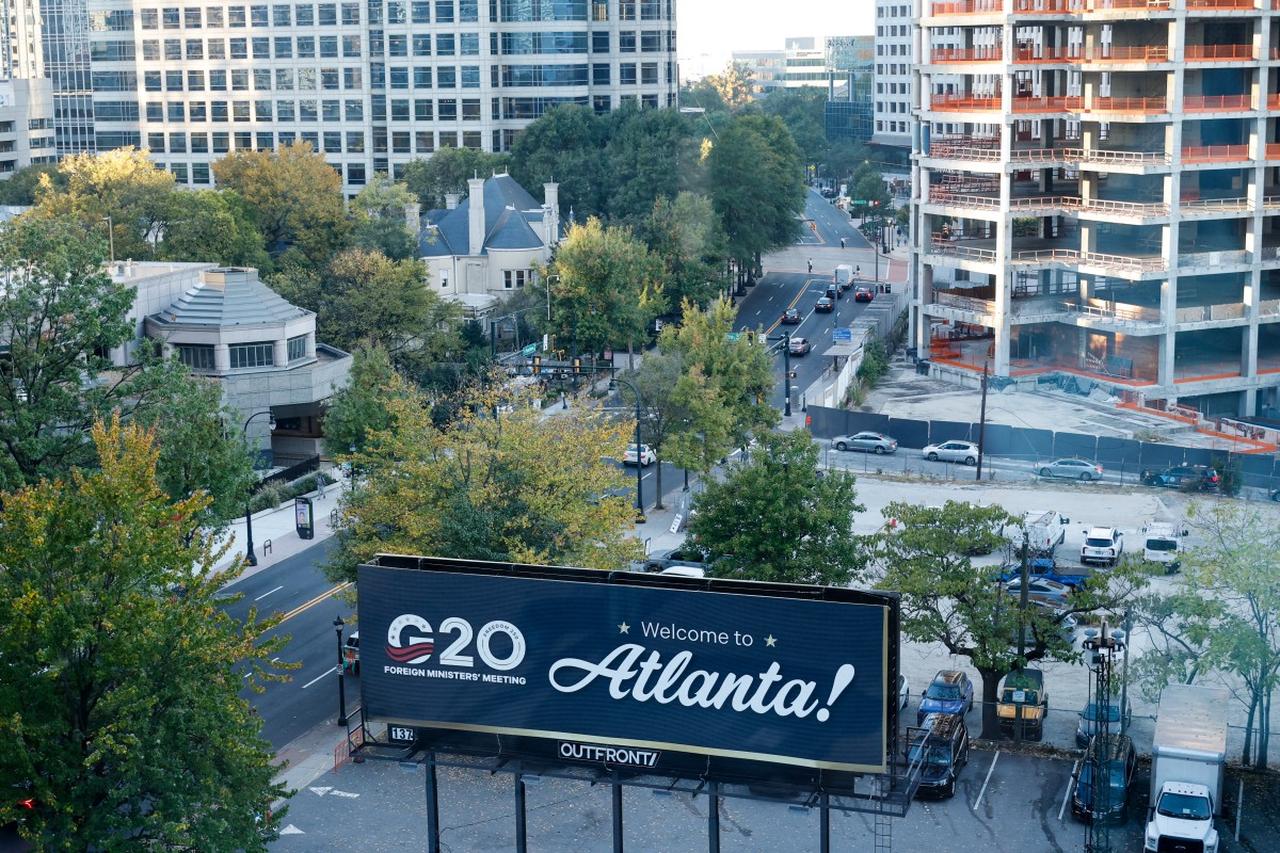

The missing photo is not a glitch; it is the most accurate picture the G20 has produced in years. The forum was built to be a consensus engine, and when consensus fails, the engine does not stop. While it idles in the main hall, the traffic moves elsewhere.
The middle powers have noticed. Atlanta works for them as a speed-dating venue: same building, no communique to negotiate, and a dozen counterparts within walking distance.
The contrast with the forum's founding years is stark. In Washington in 2008 and London in 2009, global governance operated on an entirely different ledger. Back then, the G7 and superpowers drove the outcome; dictates were issued from the center, and success was mathematically measured by a signed, unanimous joint communiqué.
In Atlanta, diplomats said early that no communique was coming. The agenda, consisting of topics like freedom of navigation, food security, and energy, still ran. The outcomes happen outside the plenary, in bilateral and minilateral meetings that need nothing signed by all twenty members.
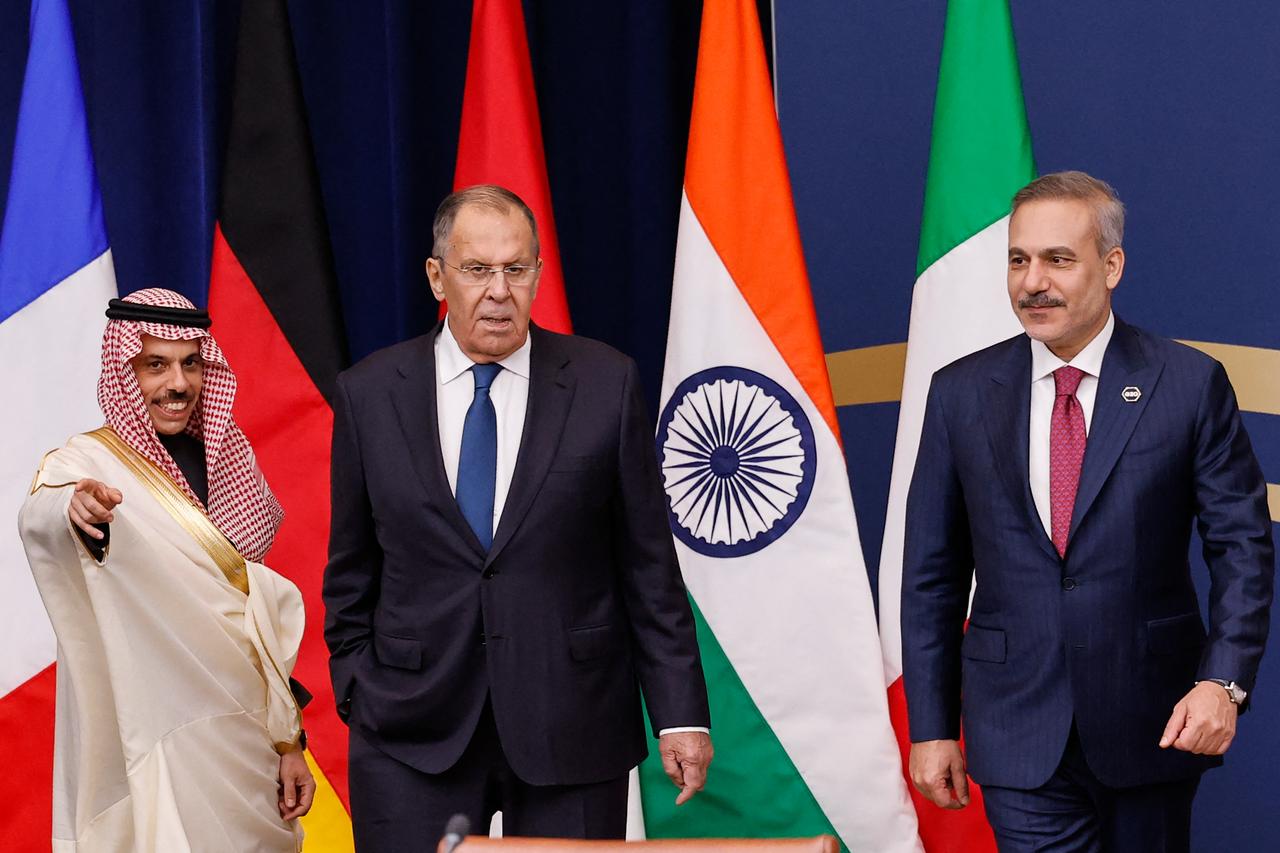
At the Osaka edition of the forum in 2019, the summit turned on a dinner between Washington and Beijing.
Today, direct superpower dialogue carries a toxic domestic political cost. In that polarized gap, middle powers have graduated from spectators to indispensable structural bridges, claiming regional ownership of regional crises.
While European delegates spent the summit consumed by the performative theatrics of protest and moral denunciation, the actual engineering of global stability bypassed them entirely. Leaving a vacuum that pragmatic middle powers were all too eager to fill, the solution to complex global deadlocks no longer goes through Brussels or Berlin.
Fidan is the working example of this new paradigm. He met Rubio hours after President Recep Tayyip Erdogan spoke by phone with President Donald Trump. Turkish Foreign Ministry sources say the two bypassed abstract global theories to focus on the immediate mechanics of U.S.-Iran de-escalation, Gaza, and the Russia-Ukraine war.
The sequel to these sideline mechanics is already scheduled. Ukrainian President Volodymyr Zelenskyy is due in Istanbul on Saturday to meet Erdogan to finalize a maritime framework. Atlanta, in effect, was merely the sorting ground.
Fidan’s schedule read like a blueprint for this new minilateral mechanism. He saw Germany's Wadephul to review the outcome of a recent Istanbul summit between Britain, France, Egypt, Pakistan, and Saudi Arabia. He met Japanese Foreign Minister Toshimitsu Motegi on joint infrastructure projects in third countries, and caucused with Indonesian Foreign Minister Arrmanatha Nasir.
The self-prophesying argument that grand multilateral bodies are fundamentally unreformable, and that agile, strategic initiatives will inevitably replace them, read like a live field test in Atlanta.
But nobody needs 20 nations to agree on a shared ideology to keep a commercial tanker moving through a war zone. They just need the two or three governments with actual leverage over the physical chokepoint in the same room.
London in 2009 was an architecture built to produce a singular document through plenary consensus and institutional working groups. Atlanta runs on a completely fragmented, practical ledger.
The business that matters now is localized security corridors and crisis management. Instead of a sweeping global accord, the new metric of success is a highly specific, transactional carve-out, such as safe passage in the Black Sea or a working backchannel between Washington and Tehran.
The brokers have changed too. Middle powers now do the heavy lifting, anchoring their efforts in the principle of regional ownership.
Seen through those aspects, the new tradition of missing photographs is not a failure of diplomacy. It is a notice that global governance has officially left the main stage, and that the real work has moved to the room next door.


 Set as preferred source
 Set as preferred source


 1 min read
 1 min read