Newsletters


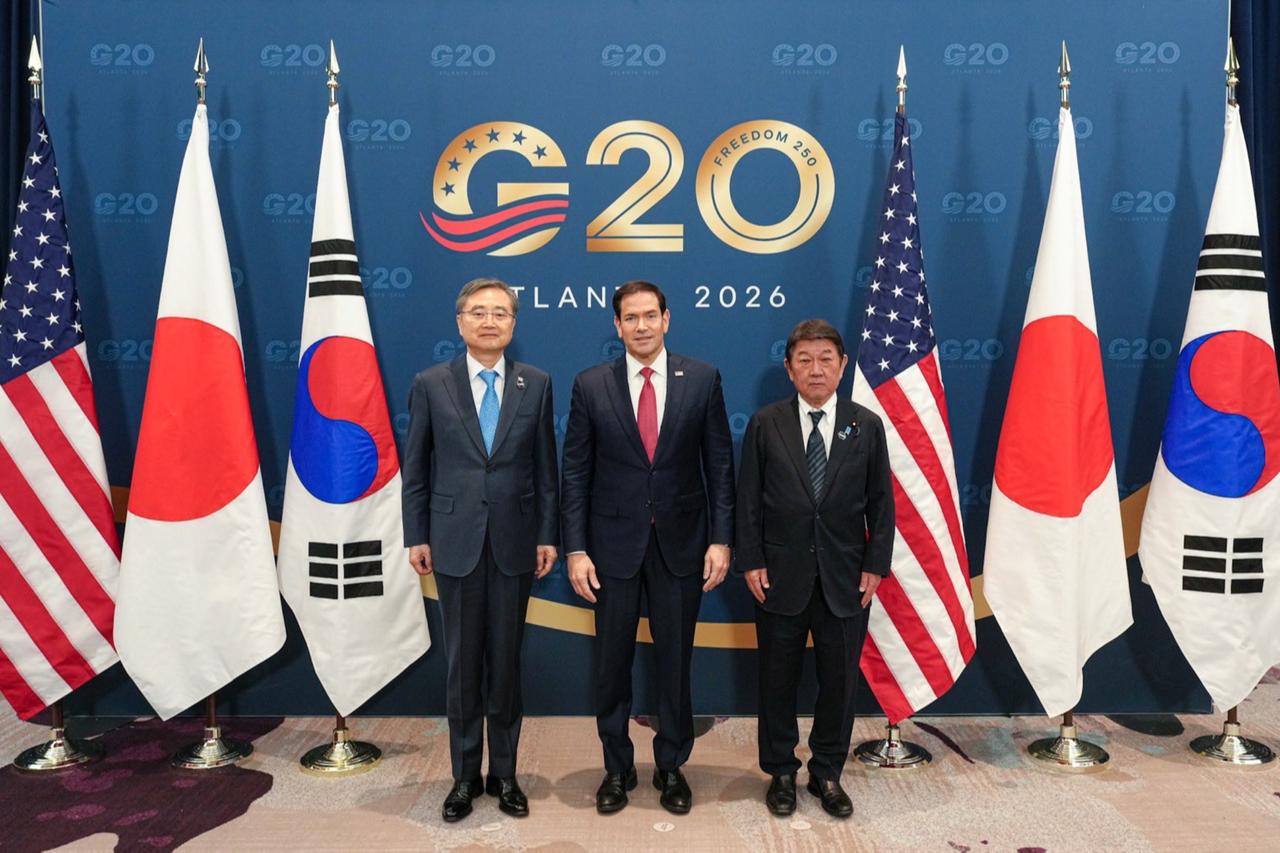


The U.S., South Korea and Japan reaffirmed their “resolute commitment” to the complete denuclearization of North Korea during trilateral talks Friday in Atlanta, while also signing a new agreement to expand cooperation in the Pacific Arctic.
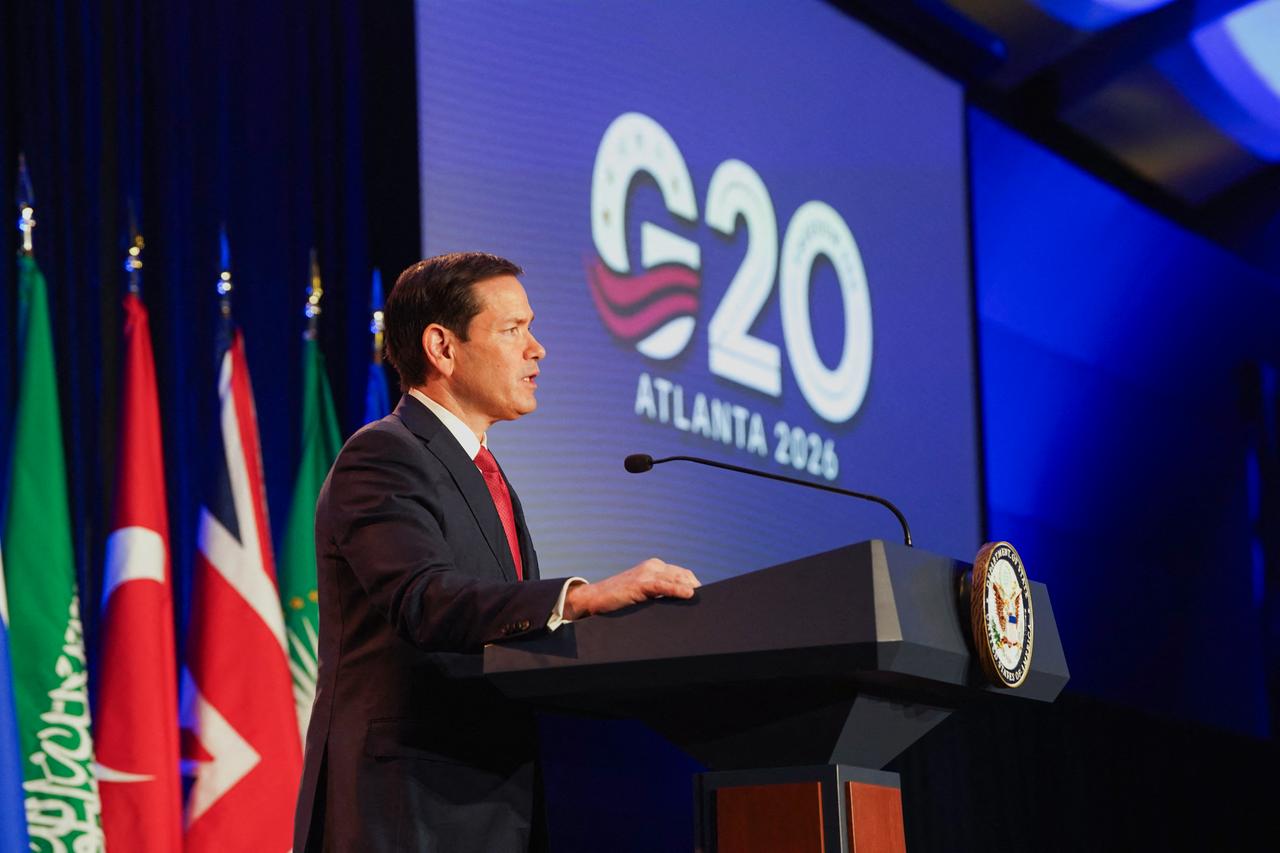
U.S. Secretary of State Marco Rubio met South Korean Foreign Minister Cho Hyun and Japanese Foreign Minister Toshimitsu Motegi on the sidelines of the G20 Foreign Ministers’ Meeting to discuss regional security, economic resilience and energy cooperation.
The ministers reaffirmed their commitment to fully implementing U.N. Security Council resolutions and enforcing sanctions targeting revenue for North Korea’s nuclear and ballistic missile programs.
They also praised the Multilateral Sanctions Monitoring Team for documenting North Korean sanctions violations and evasion.
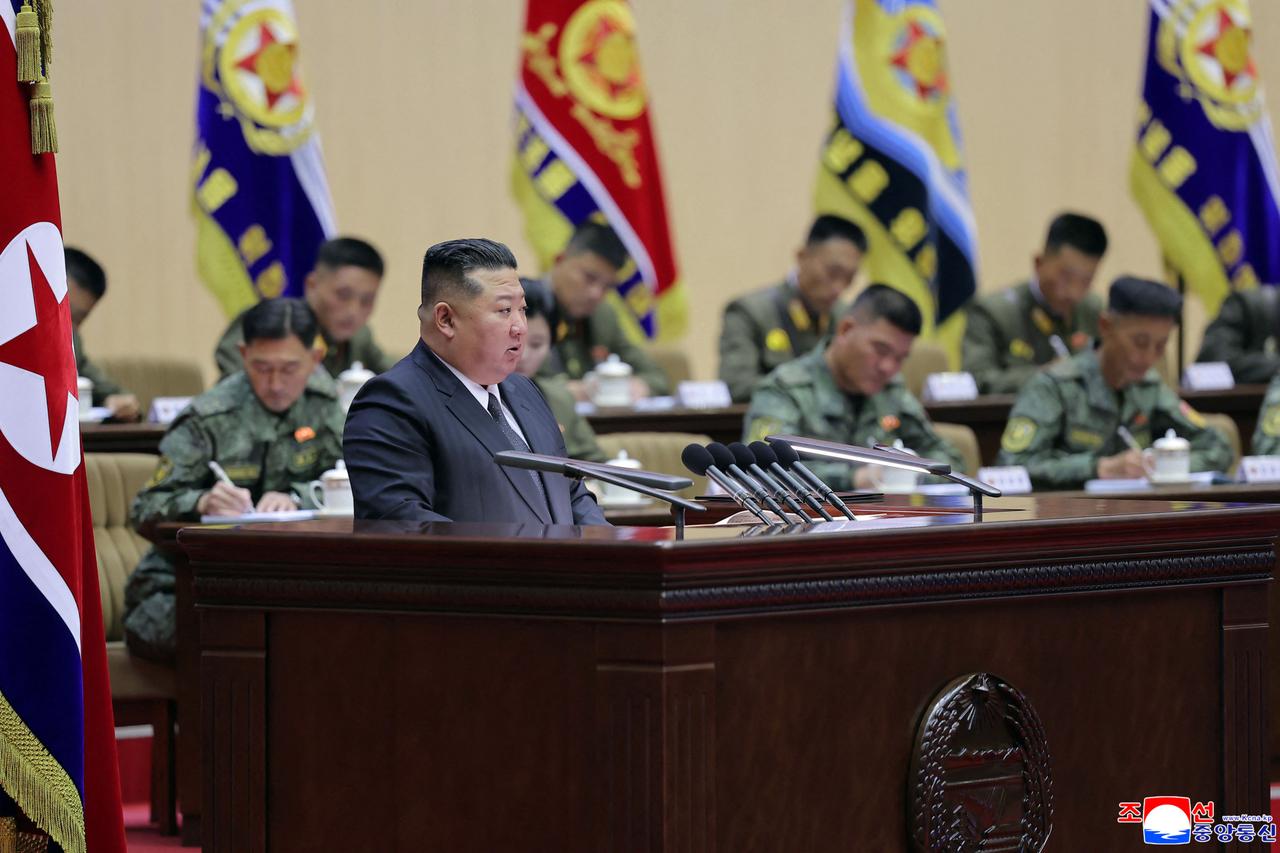
The meeting came amid speculation over a possible meeting between U.S. President Donald Trump and North Korean leader Kim Jong Un during next month’s APEC summit in China.
Trump has repeatedly expressed openness to renewed nuclear talks with Pyongyang and previously said he was “100 percent” open to meeting Kim.
South Korean President Lee Jae Myung has also offered talks with Pyongyang without preconditions and suggested in September that Washington could pursue a freeze of North Korea’s nuclear program in exchange for sanctions relief.
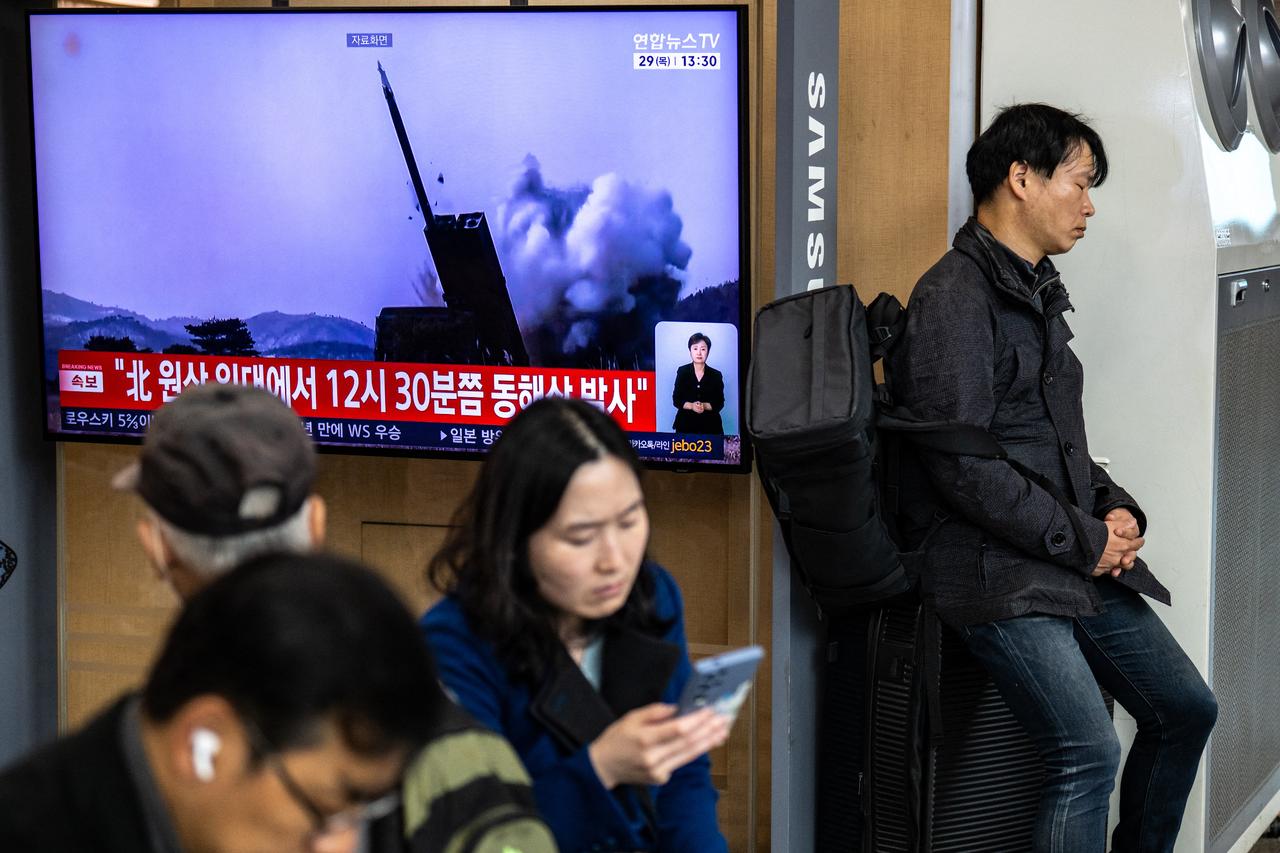
North Korea, however, has declared its nuclear arsenal permanent and irreversible and has enshrined its status as a nuclear-armed state in law.
Rubio, Cho and Motegi also signed a Memorandum of Cooperation establishing the Trilateral Arctic Pacific Partnership, or TAPP, to explore maritime cooperation and economic partnerships in the Pacific Arctic.
The three countries also expressed opposition to economic coercion and the weaponization of supply chains.
They reviewed progress on a trilateral agreement on Small Modular Reactor deployments signed in Ankara on the sidelines of a NATO summit in July.
The ministers also emphasized peace and stability in the Taiwan Strait, while Rubio raised concerns about China’s actions in the South China Sea, East China Sea and Yellow Sea, as well as Russia-China cooperation that Washington says undermines Indo-Pacific stability.


 Set as preferred source
 Set as preferred source


 1 min read
 1 min read