Newsletters




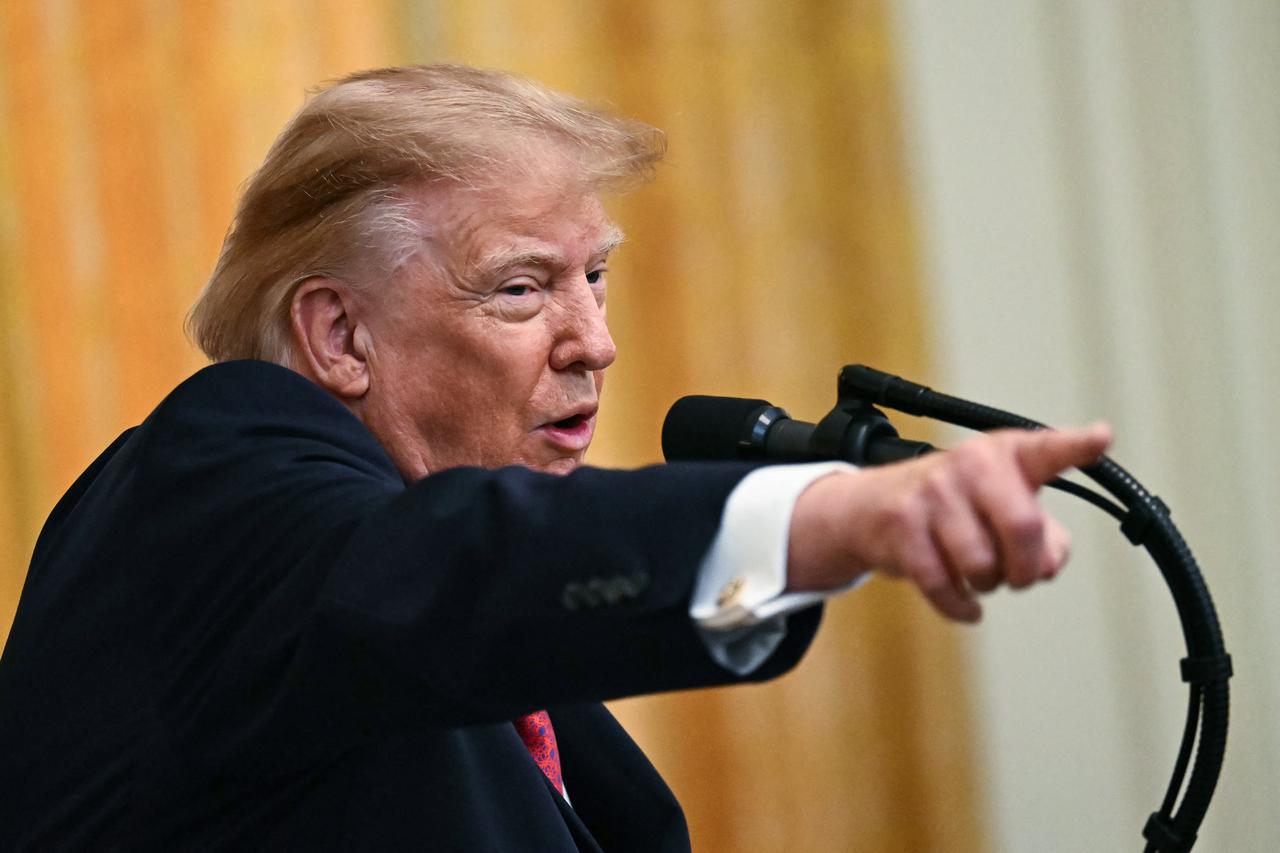
The Trump administration said Sunday that U.S. strikes on Iran have cost approximately $12 billion so far, while National Economic Council Director Kevin Hassett said the war is expected to end within four to six weeks from its start and that the U.S. economy will not be harmed by Iran's actions.

Hassett, appearing on CBS News's Face the Nation, confirmed the latest figure he was briefed on was $12 billion spent to date on the Iran strikes.
He stated that the administration does not necessarily plan to request a congressional supplemental budget at this stage. "I think right now we've got what we need," he said, noting that the question of whether to seek additional funds would be reviewed by the Office of Management and Budget.
The $12 billion figure is consistent with an earlier claim that costs had exceeded $11.3 billion in the first six days of strikes alone.
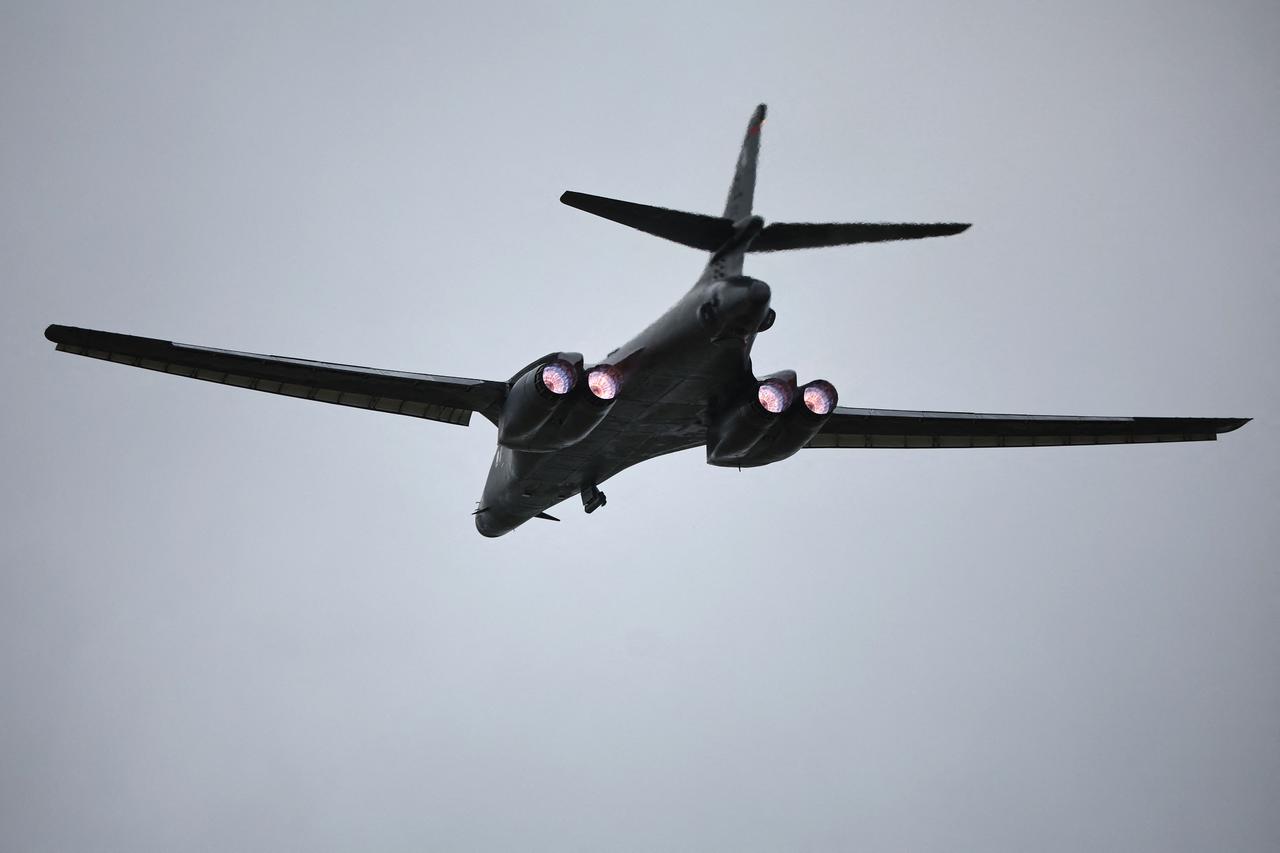
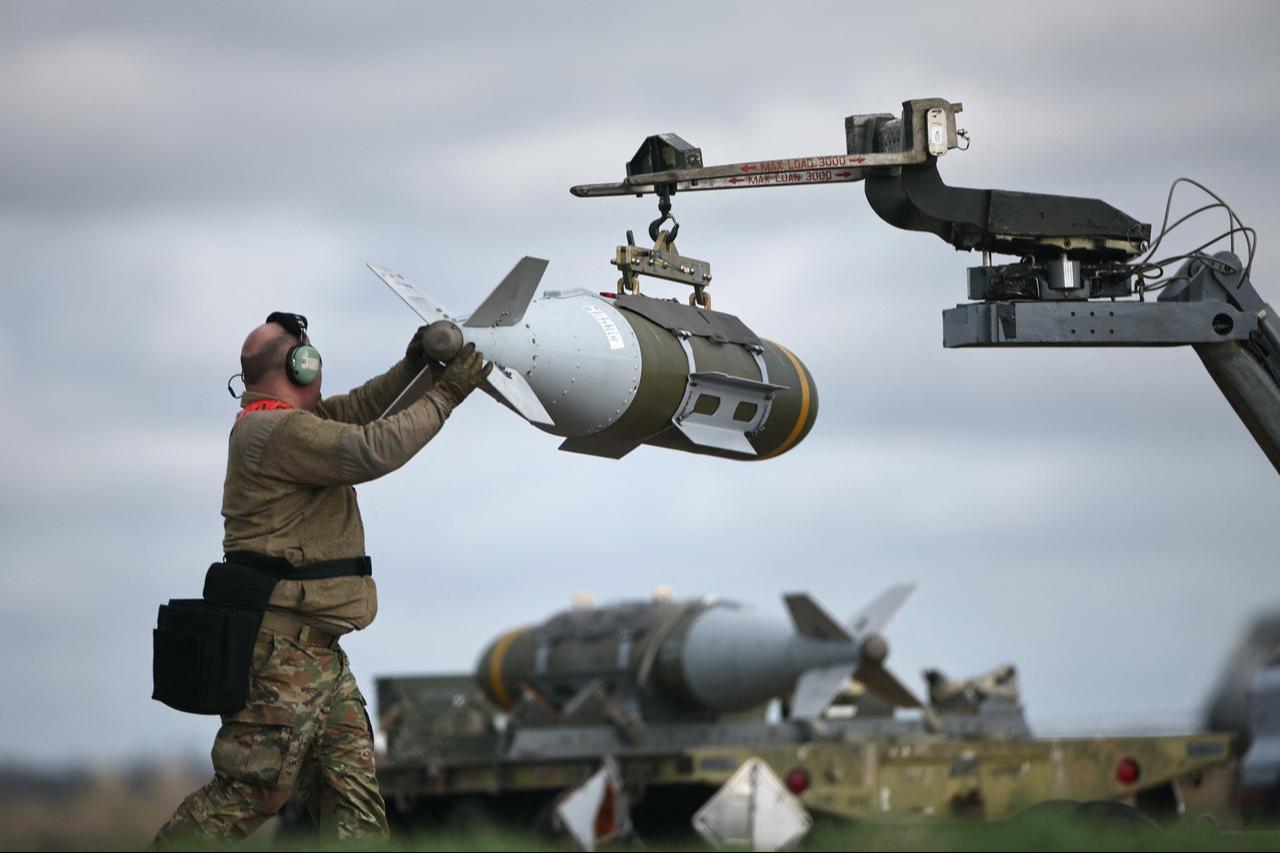
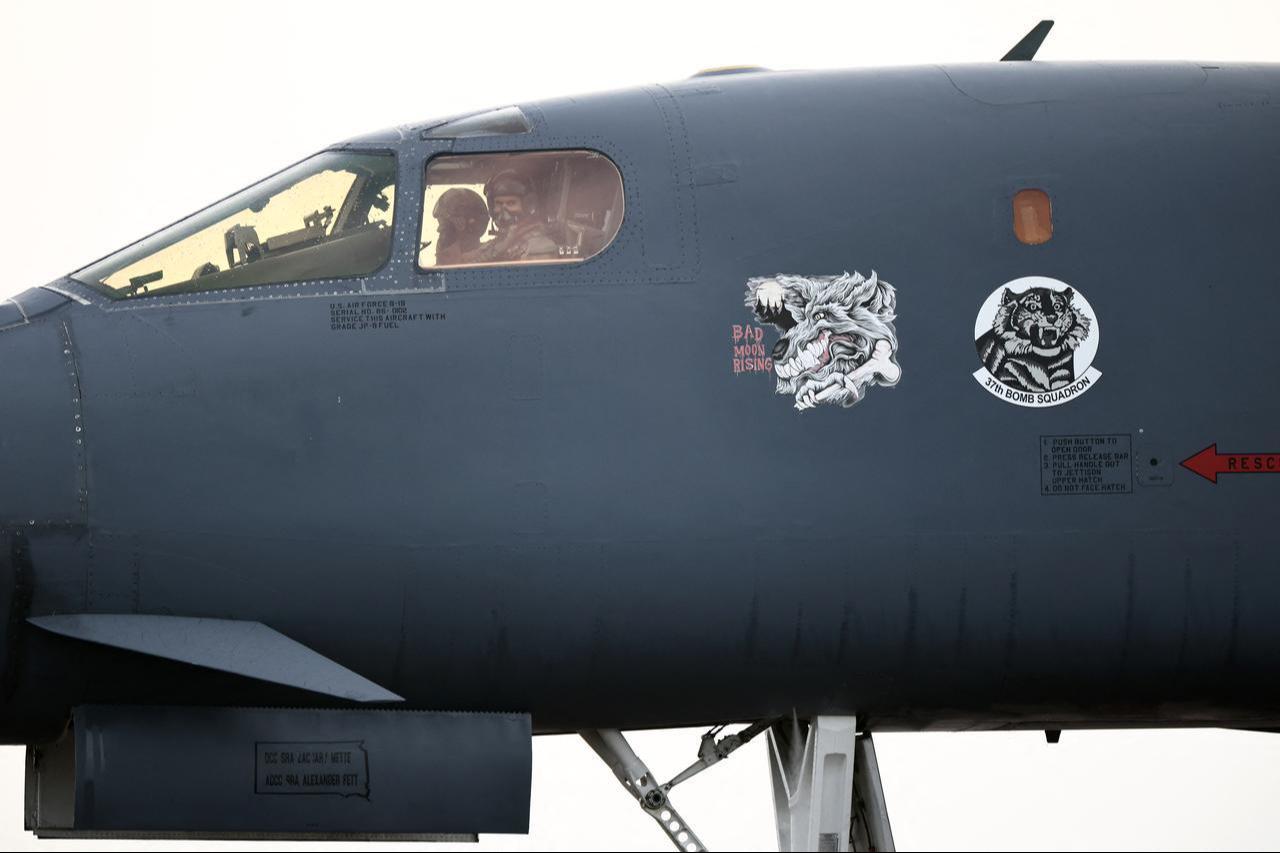
Hassett said the U.S. has sufficient weapons already in place to complete the mission. "We've destroyed their navy, we've destroyed their air force and so on, and I think we are well on the way," he said.
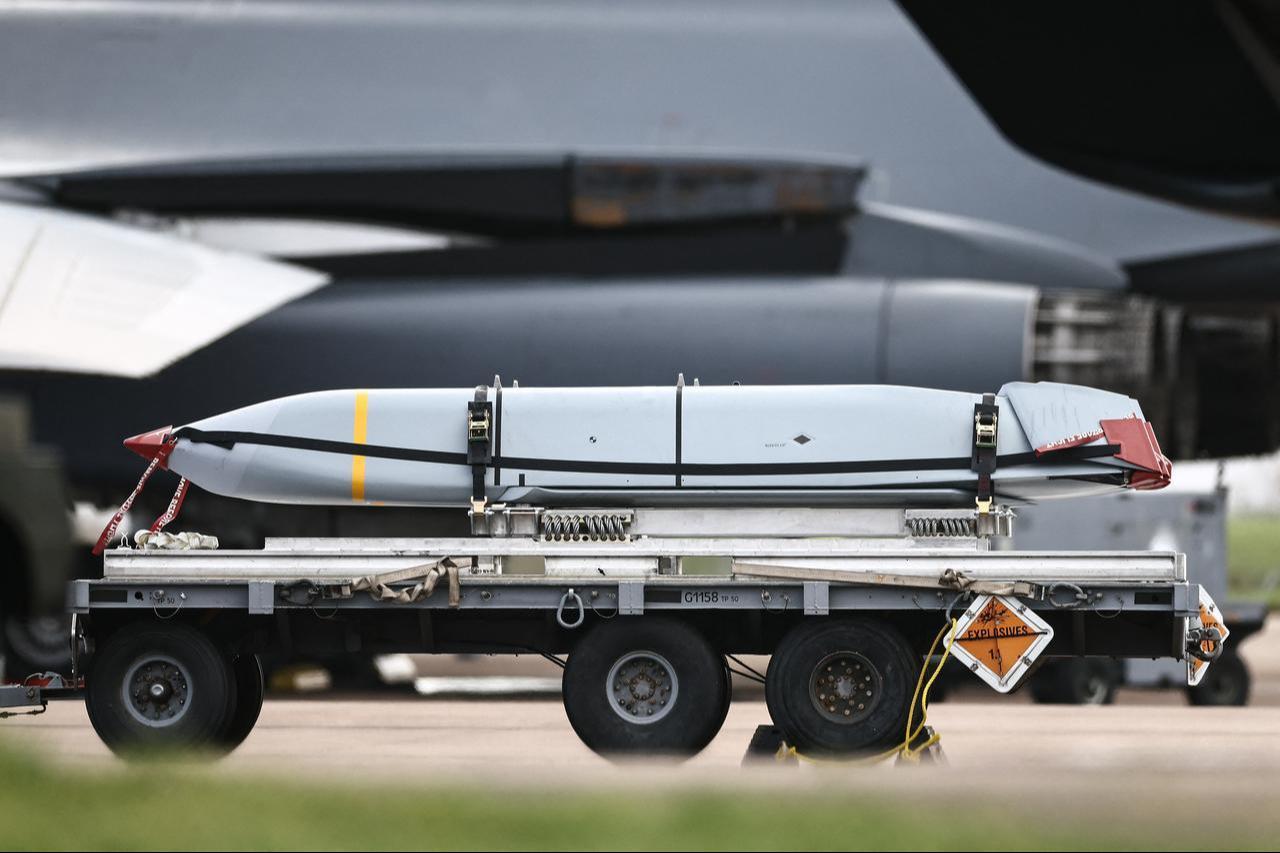
Hassett said the Defense Department has briefed the administration that it would take four to six weeks from the start of the war to complete the mission and that the operation is ahead of schedule.
"We are a couple of weeks in, and I think that should give you some clarity about when we expect that the president will decide that we've achieved his objectives," he said.
He said futures markets reflect expectations of a rapid resolution. "I don't think I've seen a sort of future price path with such a steep decline in all my years watching futures," Hassett said, noting that oil futures are pointing toward prices dropping toward $60 and even below $50 in the long run.
When asked whether the war would end by approximately April 9, Hassett deferred to the president.
"The president will decide if they no longer have the capability of blackmailing us and harming our neighbors. And once he decides that, then he will call an end to the war," he said.
Hassett pushed back on concerns about the impact of rising energy prices on the U.S. economy.
"America is not going to have its economy harmed by what the Iranians are doing. The bottom line is that in the '70s we didn't produce much oil, but now we do," he said.
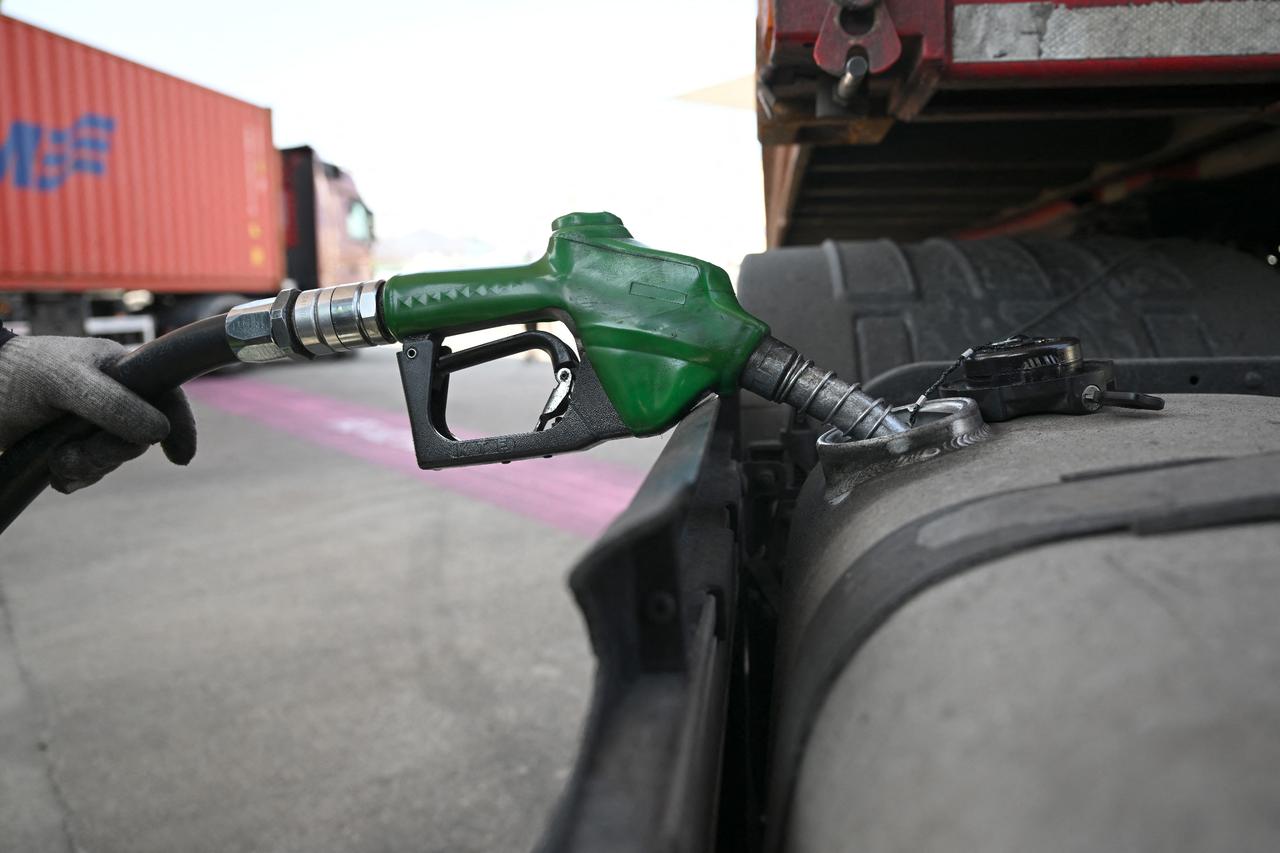
He said gas prices, up more than 20% since the conflict began, and jet fuel price rises were being actively monitored and outlined measures the administration is taking.
These include increasing permits for Venezuelan oil, securing new fertilizer sources from Morocco and Venezuela for American farmers, and facilitating the movement of foreign ships from the Gulf of Mexico to the West Coast to prevent jet fuel disruptions.
"We are looking at every scenario and we've got a plan for each scenario," Hassett said.

In response to the International Energy Agency (IEA)'s warning that the conflict represents the largest supply disruption in the history of the global oil market, Hassett acknowledged the disruption but said it can be minimized.
"You can't make it completely go away, but you can minimize it," he said.
He said once the war ends, the global economy will experience a significant positive impact.
"We expect that the global economy is going to have a big positive shock as soon as this is over," Hassett said, citing the prospect of a boom in oil and industrial production once Iran stops what he described as disruptive behavior.
Since Israel and the U.S. launched joint attacks on Iran on Feb. 28, killing more than 1,300 people, including then-Supreme Leader Ali Khamenei, Iran has retaliated with drone and missile strikes targeting Israel, Jordan, Iraq, and Gulf countries hosting U.S. military assets.
According to Iranian officials, the strikes have killed more than 1,348 people and wounded more than 17,000.


 Set as preferred source
 Set as preferred source


 2 min read

 1 min read